
Toxic Gases
Toxic gases present immediate health hazards even at low concentrations. These gases can cause respiratory damage, neurological effects, and death. Many toxic gases are colorless or have odor thresholds above dangerous concentration levels. CET offers a comprehensive range of electrochemical and semiconductor sensors for toxic gas detection across industrial, commercial, and institutional applications.
Why Detection Matters
Gas detection is essential for toxic gases because many are invisible, odorless, and harmful even at low concentrations. Without detection, workers can unknowingly be exposed to levels that cause poisoning, breathing issues, oxygen deficiency, or death. Gas detectors provide continuous monitoring and trigger alarms when levels become unsafe, enabling rapid actions like evacuation or ventilation. This early warning helps protect people while also preventing explosions, equipment damage, and operational disruptions. Toxic gas detection is governed by a range of regulatory and technical standards. In the United States, OSHA regulations require employers to monitor air quality and ensure workers are not exposed above Permissible Exposure Limits (PELs) and other thresholds such as STEL and IDLH values. OSHA standards also mandate gas monitoring in high-risk environments like occupied areas, confined spaces and hazardous operations, along with proper maintenance and calibration of detection devices. In Canada, CSA standards define requirements for the design, certification, and installation of gas detection systems, including performance standards for toxic gas detectors (e.g., CSA/UL 62990 series). Additional international and industrial standards such as IEC/UL/CSA 60079 for hazardous locations ensure that detection systems are safe and reliable in explosive or high-risk environments.
Common Hazards:
Gases
Explore toxic gases
Carbon Monoxide (CO)
Colorless, odorless toxic gas produced by incomplete combustion
Nitrogen Dioxide (NO₂)
Reddish-brown toxic gas with a pungent odor
Hydrogen Sulfide (H₂S)
Colorless gas with a characteristic rotten egg smell
Ammonia (NH₃)
Colorless gas with a pungent, suffocating odor
Chlorine (Cl₂)
Yellow-green gas with a strong, suffocating odor
Ozone (O₃)
Ozone (O₃) is a highly reactive oxidizing gas with a distinctive sharp smell
Nitric Oxide (NO)
A toxic gas with moderate respiratory and systemic effects that rapidly oxidizes to nitrogen dioxide (NO₂) in the air.
Sulfur Dioxide (SO₂)
A colorless gas with a pungent, irritating odor
Formaldehyde (CH₂O)
A highly toxic and carcinogenic substance
Featured Products for Toxic Gases
Recommended gas detection equipment for this category
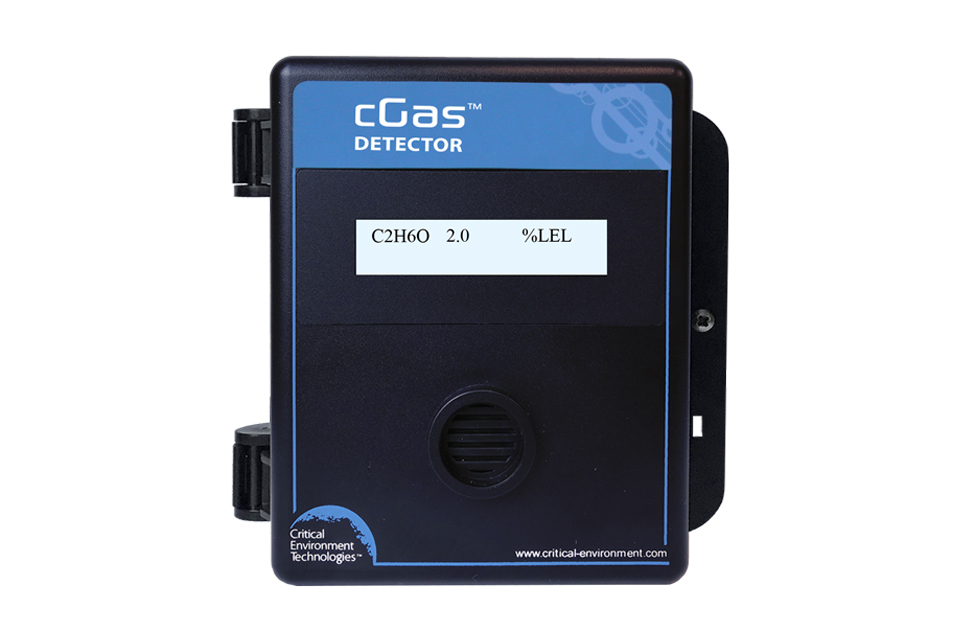
cGas Detector Analog Transmitter
Single channel, analog gas detector with Plug & Play Smart Sensor Technology.
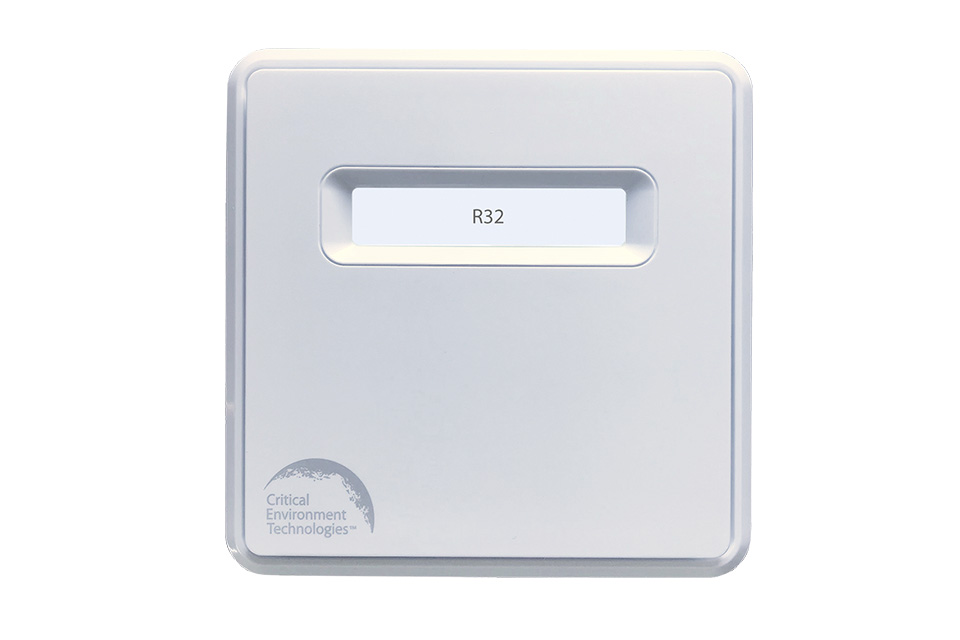
cGas Detector VRF IR Refrigerant Transmitter
An aesthetic, non-dispersive infrared refrigerant gas detector for acute leak detection in modern energy-efficient buildings utilizing Variable Refrigerant Flow (VRF) HVAC systems.
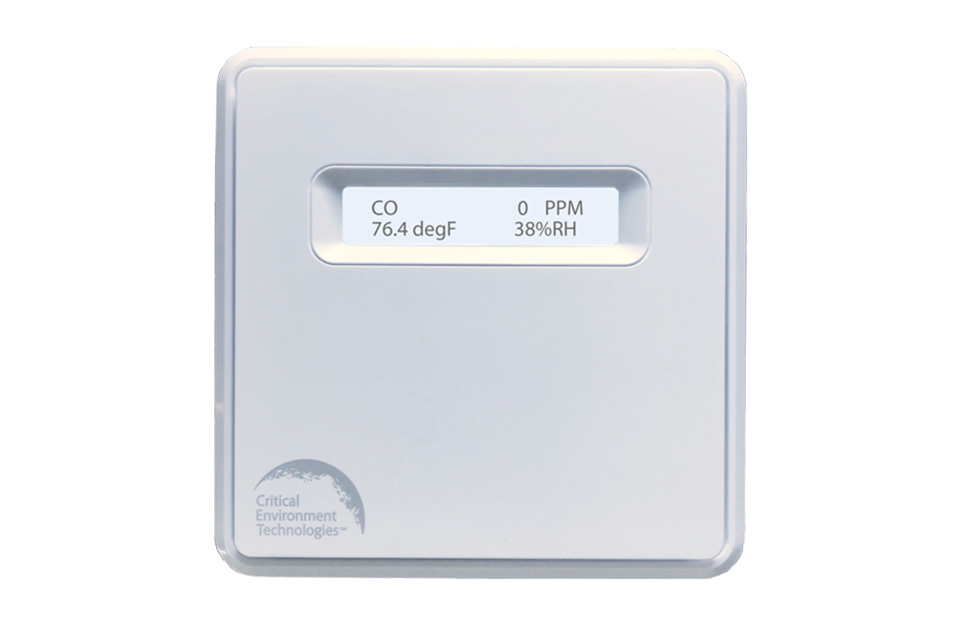
cGas Detector for Indoor Public Spaces
Single channel gas detector with an aesthetically pleasing design to reduce noticeability when used in publicly occupied spaces such as hotels and schools.
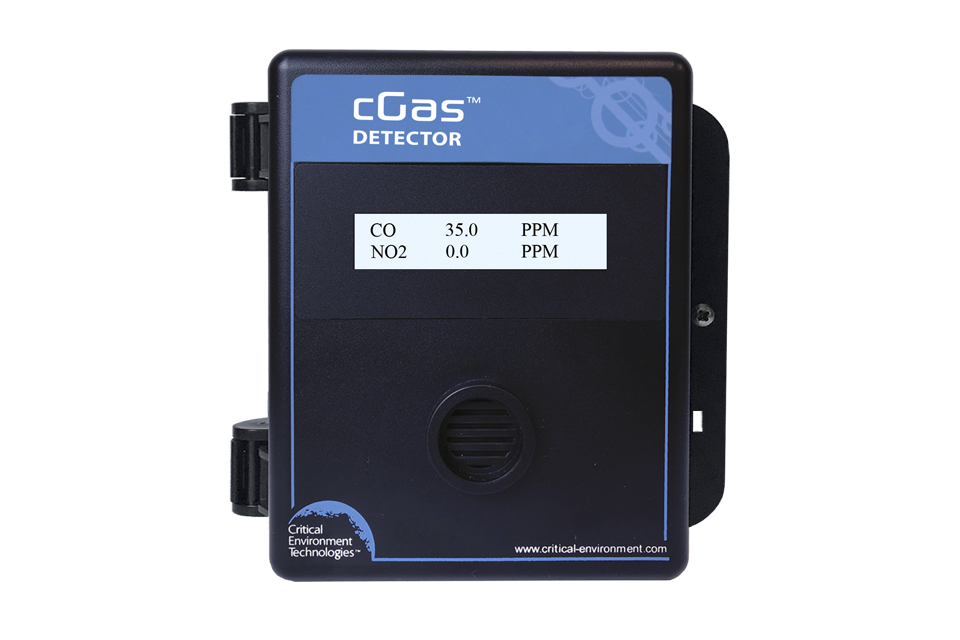
cGas Detector Digital Transmitter
One or two channel Modbus® or BACnet® gas detector with flexible customization options and Plug & Play Smart Sensor Technology.
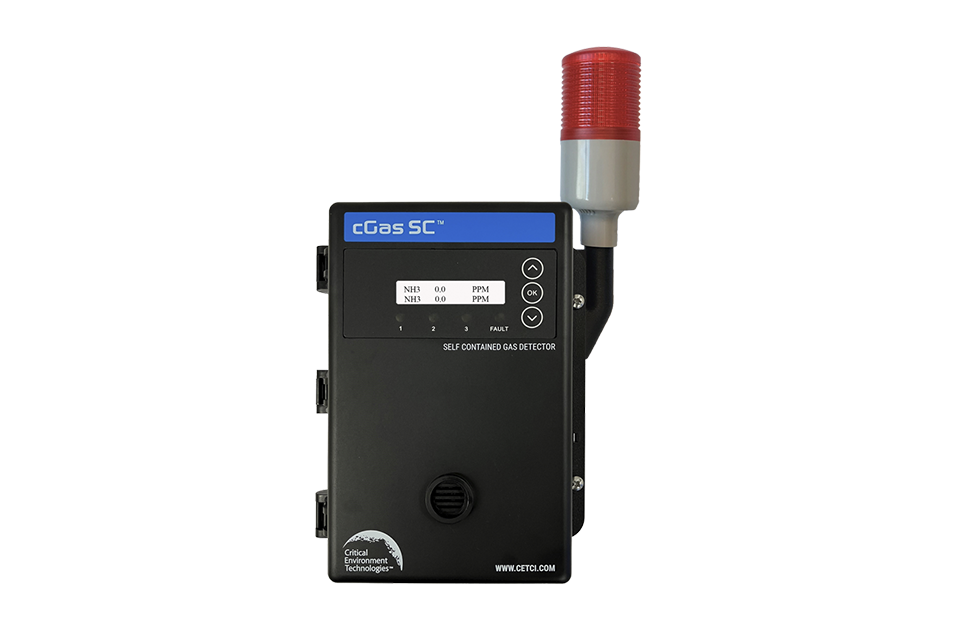
cGas-SC Self-Contained Controller
A self contained controller with up to 3 gas channels, Plug & Play Smart Sensor Technology and configurable logic control and priority settings. Offers superior user customization and reliable gas detection performance for monitoring many gases.
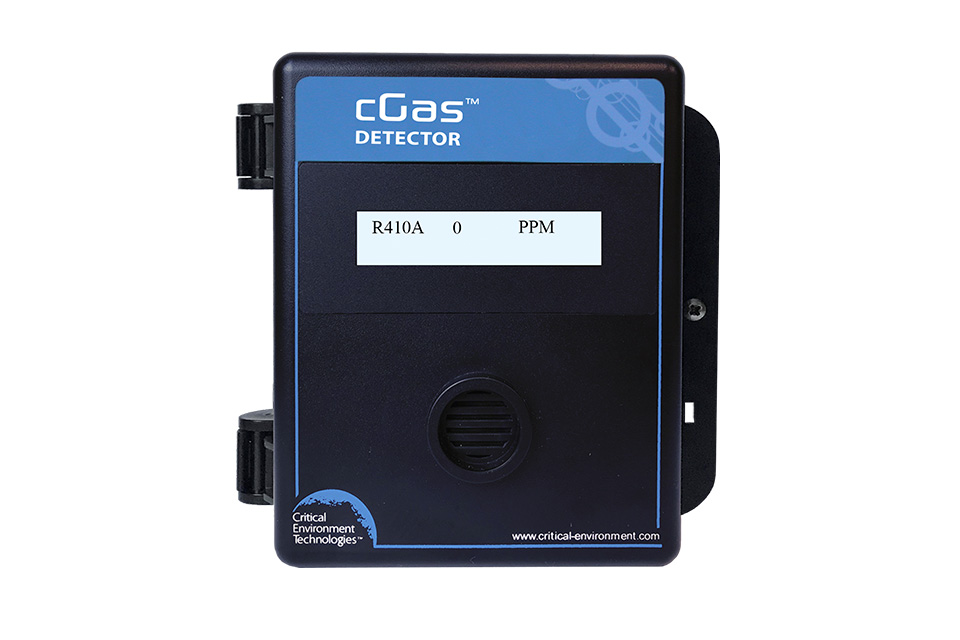
cGas Detector IR Refrigerant Transmitter
Non-dispersive infrared refrigerant gas detector with accurate, low level leak detection, available with analog output or BACnet® or Modbus® output and Plug & Play Smart Sensor Technology.
Related Applications
Applications that monitor toxic gases
Wastewater Treatment
Car Dealerships
Hotels
Parking Garages
Welding Shops
EV Charging
Laboratories
Fleet & Bus Depots
Commercial Kitchens
Warehouses
Emergency Vehicle Bays
Ice Arenas
Transit Facilities
Indoor Air Quality
Boiler Rooms
Vehicle Service Bays
Schools
Greenhouses
Chiller Rooms
Cold Storage
Waste & Recycling
Breweries
Pools & Aquatics
Wineries