
Sulfur Dioxide Gas Detectors
SO₂Sulfur dioxide (SO₂) is a colorless gas with a pungent, irritating odor that is produced by burning sulfur-containing fuels and in various industrial processes including metal smelting, paper manufacturing, and chemical production. SO₂ is also released during volcanic activity. The gas is highly irritating to the respiratory system and contributes to acid rain and particulate matter formation. OSHA PEL is 5 ppm TWA with IDLH at 100 ppm. SO₂ detection is critical in power plants, refineries, smelters, chemical facilities and any operation using sulfur-containing materials. Environmental monitoring also requires SO₂ detection for ambient air quality compliance.
Need Sulfur Dioxide Detection?
Get expert guidance on the right detection solution for your application.
Key Information
Essential safety and exposure information for Sulfur Dioxide
Health Effects
- Highly irritating and corrosive to the respiratory tract
- Short term exposures above recommended limits can cause severe bronchoconstriction and pulmonary edema especially in individuals with asthma or lung disease
- Repeated exposure results in chronic airway inflammation and reduced lung function
- Contact with liquefied SO₂ may cause skin and eye burns or frostbite
Common Sources
- Power plants
- Industrial facilities
- Refineries
- Chemical Facilities
- Volcanic emissions
Exposure Limits
- OSHA PEL
- 5 ppm
- NIOSH REL
- 2 ppm, STEL 5 ppm
- NIOSH IDLH
- 100 ppm
- ACGIH TLV
- 2 ppm, STEL 0.25 ppm
Regulatory Status
- Sulfur dioxide (SO₂) is regulated as a toxic, corrosive gas due to its severe respiratory effects. OSHA sets a PEL of 5 ppm (8‑hour TWA), while NIOSH recommends a stricter 2 ppm TWA, a 5 ppm STEL, and an IDLH of 100 ppm; ACGIH provides even tighter guidance with a 2 ppm TWA and 0.25 ppm STEL. For transport, DOT/PHMSA classifies SO₂ as UN 1079, Hazard Class 2.3, subject to hazardous materials rules. Environmentally, the EPA regulates SO₂ under the Clean Air Act as a criteria air pollutant with ambient air standards and emission controls. ASHRAE does not set limits, but addresses SO₂ through ventilation and IAQ standards (62.1/62.2), leading to common use of SO₂ detectors in boiler rooms and industrial facilities to trigger alarms and ventilation well below limits.
Detection Requirements
- Sensor Technology
- Electrochemical
- Detection Range
- 0-20 ppm
- Alarm Setpoints
- Low 2.0 ppm, Mid 3.0 ppm, High 5.0 ppm
- Mounting Height
- 6-8 in / 15-20 cm from the floor
Build Your Gas Detection Expertise
Explore upcoming webinars and personalized training from CET experts, covering gas detection technology, application guidance, installation, and commissioning.
Related Applications
Industries and environments where Sulfur Dioxide detection is critical
Wastewater Treatment
Hydrogen sulfide, methane, and oxygen monitoring for pump stations, digesters, and enclosed treatment areas
Laboratories
Continuous monitoring protects laboratory personnel from combustible gases, oxygen displacement, and hazardous toxic gas exposure in laboratory settings and research facilities.
Detection Solutions
Sensors and detectors for Sulfur Dioxide monitoring
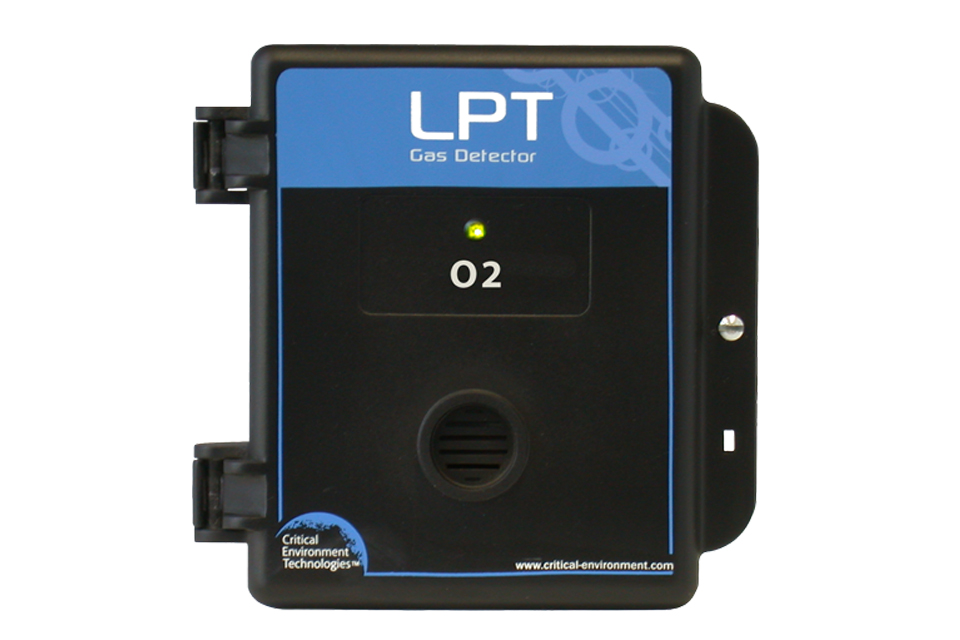
LPT Low Power Transmitter
Single channel, analog gas detector for enclosed parking facilities, recreational facilities, oxygen depletion applications.
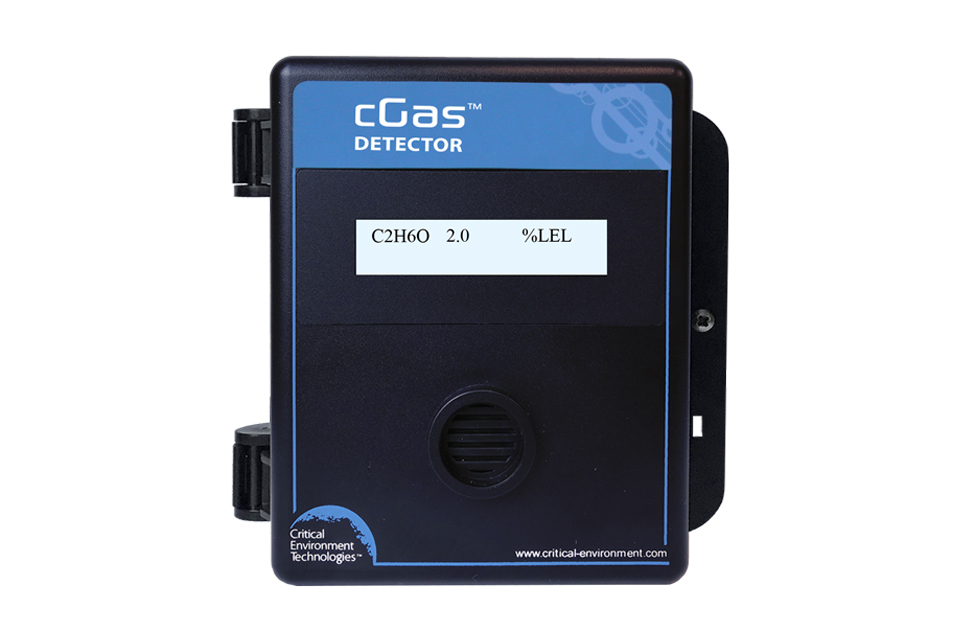
cGas Detector Analog Transmitter
Single channel, analog gas detector with Plug & Play Smart Sensor Technology.
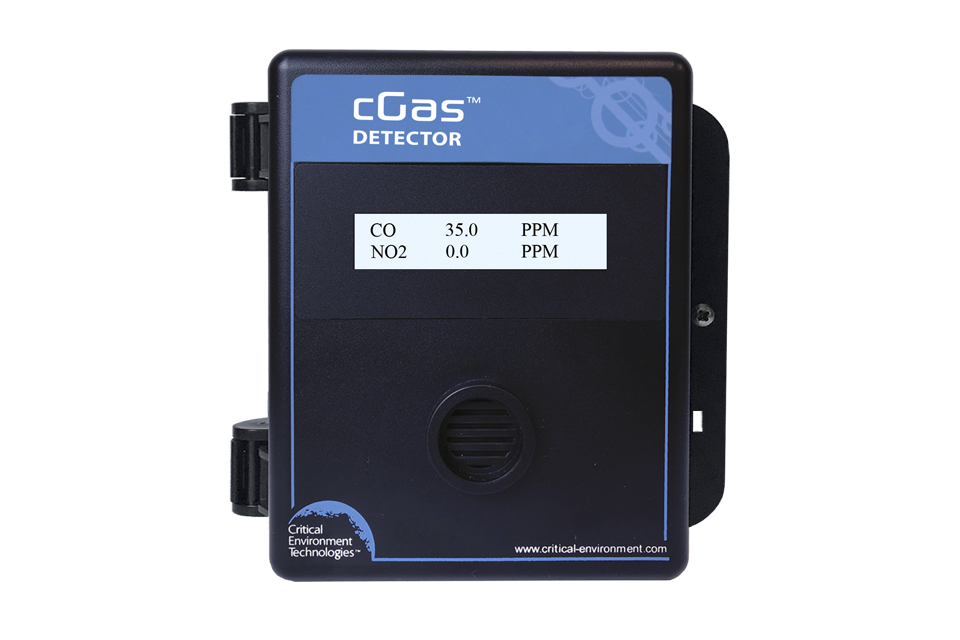
cGas Detector Digital Transmitter
One or two channel Modbus® or BACnet® gas detector with flexible customization options and Plug & Play Smart Sensor Technology.
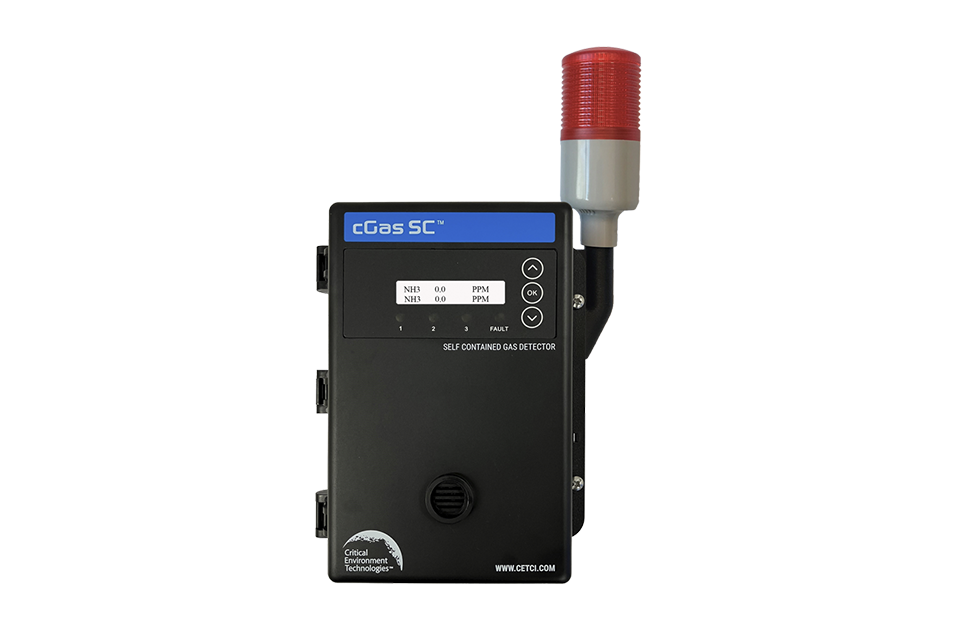
cGas-SC Self-Contained Controller
A self contained controller with up to 3 gas channels, Plug & Play Smart Sensor Technology and configurable logic control and priority settings. Offers superior user customization and reliable gas detection performance for monitoring many gases.
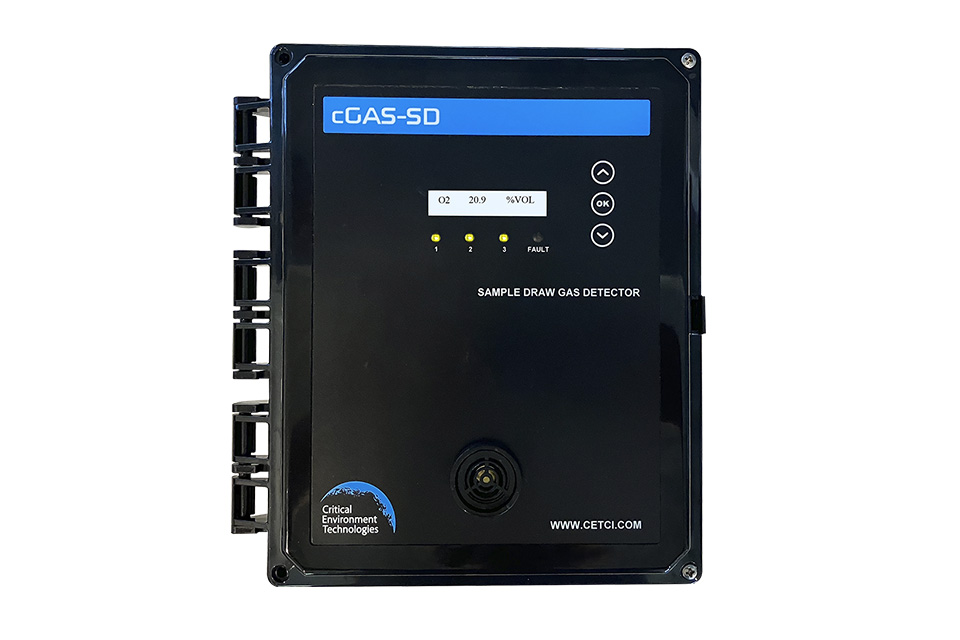
cGas-SD Sample Draw System
A Self-contained, single sensor sample draw gas detection system that draws sample air from locations where it is difficult to install a gas detector.
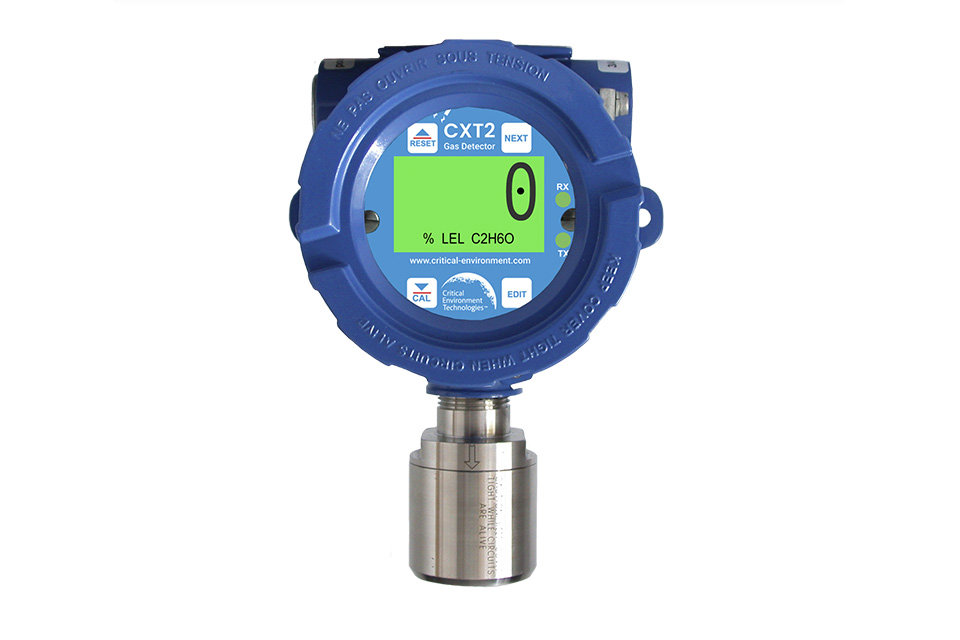
CXT2 Explosion Proof Transmitter
Reliable, accurate monitoring of toxic or combustible gases in potentially explosive and harsh environments, including hazardous-rated areas.