Gas Detection for Boiler Rooms
Continuous monitoring of natural gas, propane, carbon monoxide, and nitrogen dioxide in mechanical rooms and boiler plants protects building occupants from combustion hazards and toxic fumes.
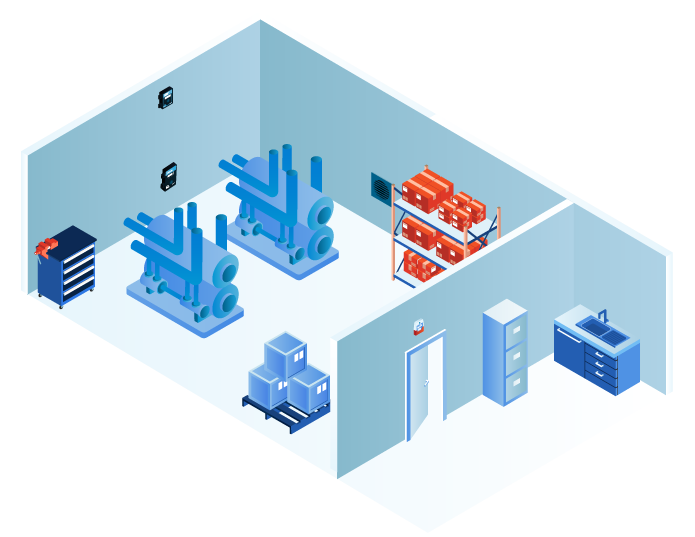
Typical Boiler Rooms System
Target Gases
Gases monitored in this application
Why Gas Detection is Required
Boiler rooms require gas detection because they contain multiple sources of hazardous gases, and these risks are especially relevant in schools, commercial buildings, and large mechanical spaces. Two primary risks are carbon monoxide (CO) and natural gas (methane). CO is produced when boilers burn fuel inefficiently or when vents and flues become blocked, Poor combustion from leaking or malfunctioning equipment can also generate CO that migrates through ducts and openings into classrooms or occupied areas, making proper detection essential. Because it is odorless and highly toxic, many jurisdictions require mechanical room CO monitoring to protect staff and building occupants. Natural gas leaks pose a different threat; methane is highly flammable, can accumulate unnoticed in enclosed boiler rooms, and may lead to explosions or oxygen displacement hazards. The design of a building's heating system, including the location of additional natural gas heaters in more frequently occupied areas such as classrooms, can vary widely. A natural gas leak detector commercial system is typically installed near the ceiling to provide early warning. The International Mechanical Code (IMC) outlines mechanical room safety requirements in sections IMC 303, 304, 305, 306, and especially IMC 915, which addresses fuel gas detection systems for certain appliances and locations. Many states, provinces, and municipalities adopt their own amendments or standalone requirements, often mandating CO and CH4 detection in specific occupancies or mechanical spaces beyond the baseline standards. A comprehensive boiler room gas detector setup, covering methane and carbon monoxide, helps prevent toxic exposures, fires, and equipment failures, and some NFPA or local codes may require automatic boiler shutdown upon a CO alarm to protect both occupants and property.
BoilerSense™
Compliant Boiler Room Gas Detection
Ensure safe operation of boiler rooms with detection systems designed to meet combustible gas monitoring requirements and protect personnel from carbon monoxide exposure.
Download BoilerSense Solution Guide
Request a Quote
System Architecture
A complete boiler room gas detection system typically consists of methane gas sensors positioned near burners and gas supply equipment, combined with CO sensors for combustion monitoring. Sensors connect to a controller that manages emergency shutdown and ventilation activation, with audible/visual alarming at room entrances. For single-boiler installations, self-contained detector-controller units provide economical protection with integrated gas shutoff valve control. Larger central plant facilities benefit from networked architectures with multiple sensors covering each boiler and the general room atmosphere, enabling zone-specific response and centralized monitoring. Alarm outputs activate audible/visual notification devices at room entrances, trigger emergency ventilation, and can interface with gas shutoff valves and burner controls for automatic equipment shutdown. Controllers with relay outputs provide direct equipment control, while BACnet or Modbus communication enables integration with building automation systems.
Key Considerations
Important factors for planning your system
The source of the natural gas is usually in the boiler room, an enclosed area that is not frequented very often, which increases the risk of a leak going undetected.
Natural gas is highly flammable and made of mostly methane. The methane gas detector should be mounted on or near the ceiling as methane gas is lighter than air and will concentrate in high places.
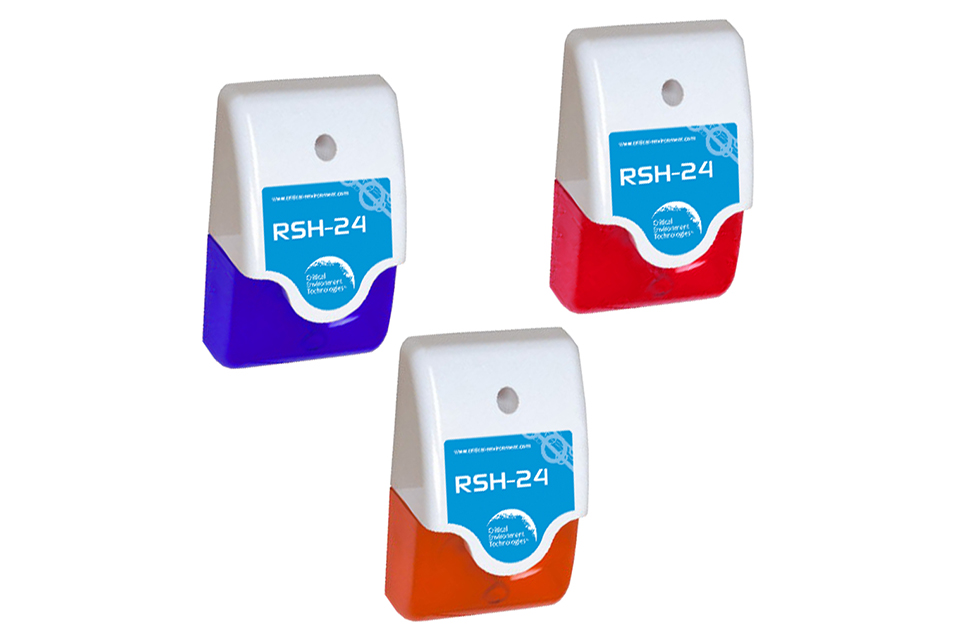
Audible / visual devices should be mounted in centralized locations where they are easily seen and heard
Build Your Gas Detection Expertise
Explore upcoming webinars and personalized training from CET experts, covering gas detection technology, application guidance, installation, and commissioning.
Related Products
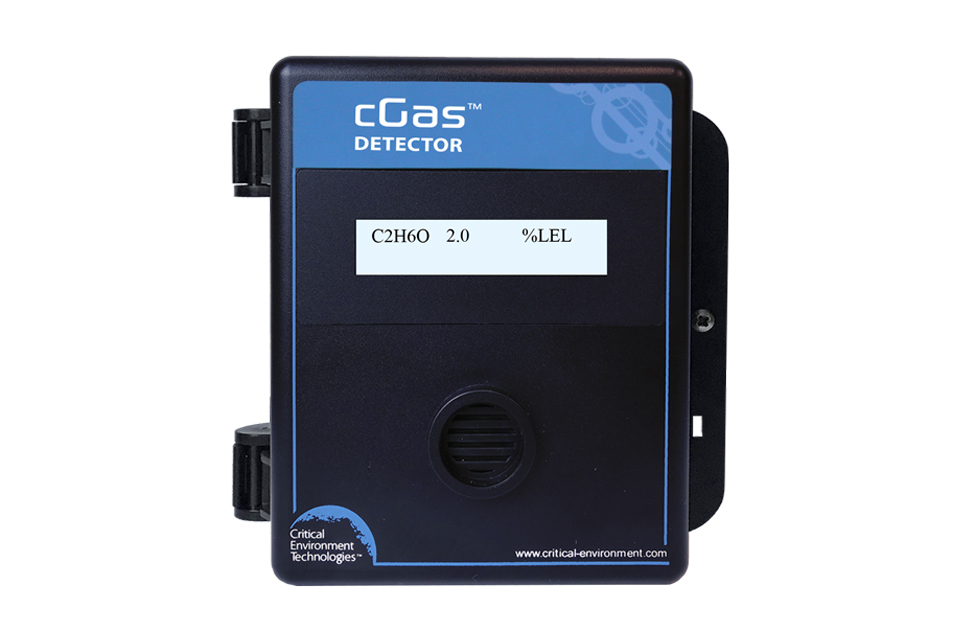
cGas Detector Analog Transmitter
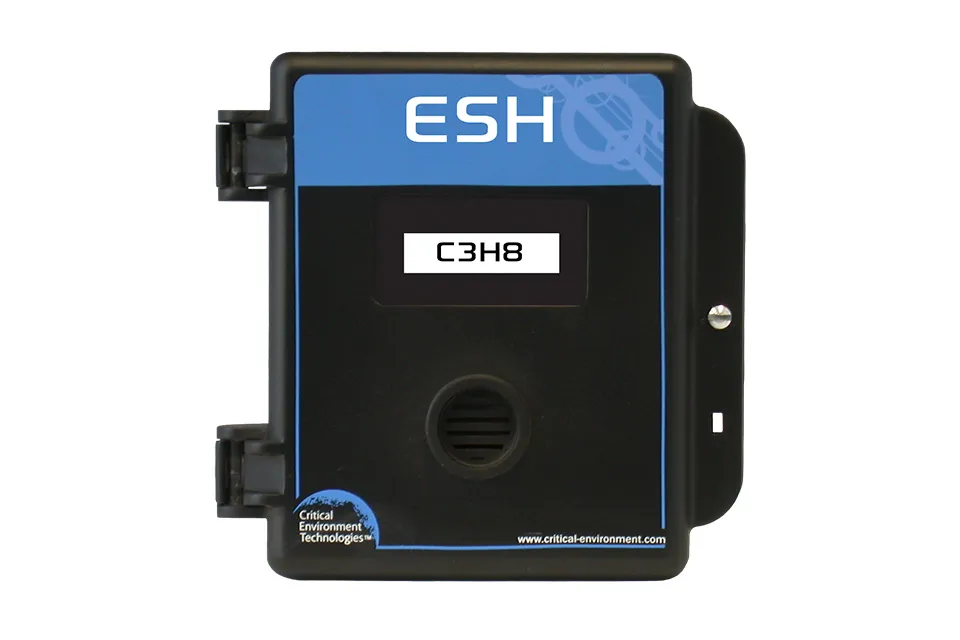
ESH-A Remote Sensor
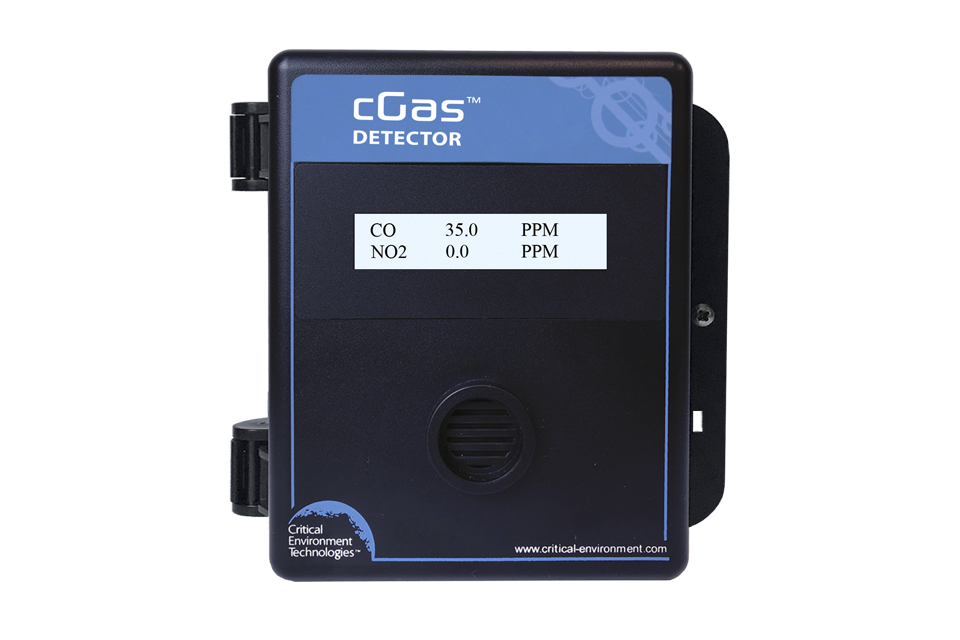
cGas Detector Digital Transmitter
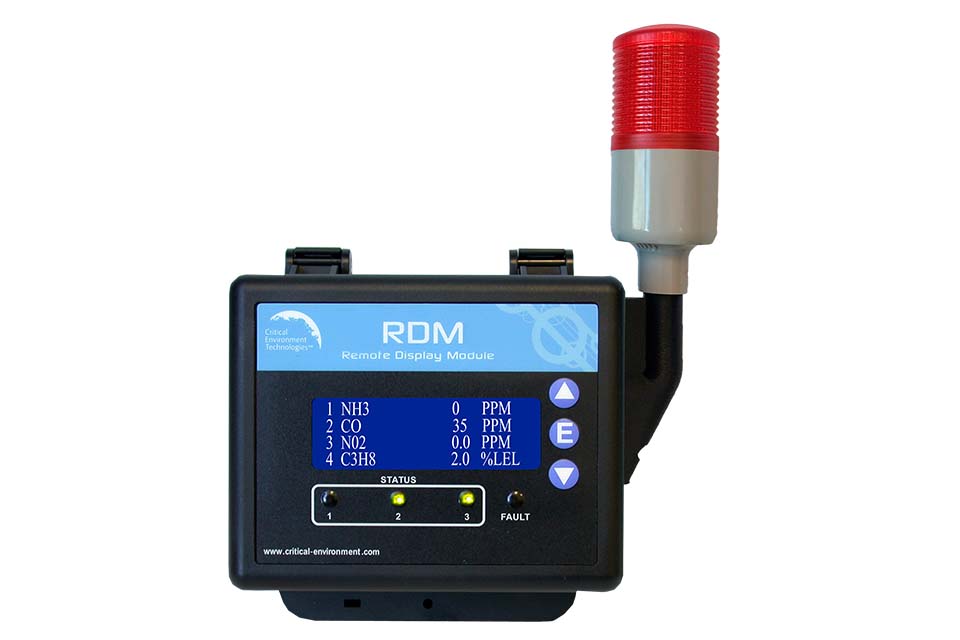
RDM Remote Display
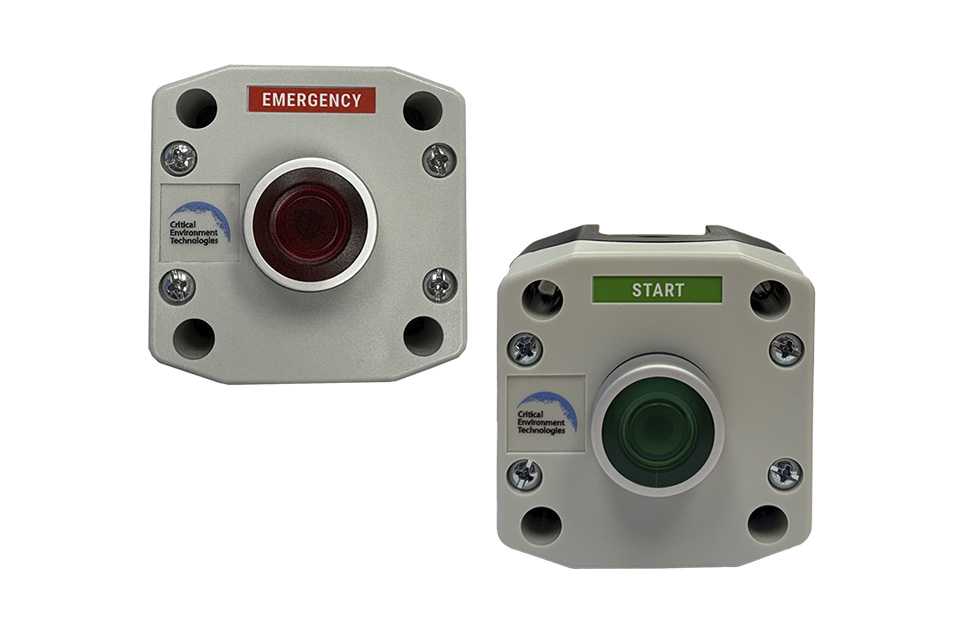
RSW Remote Switch
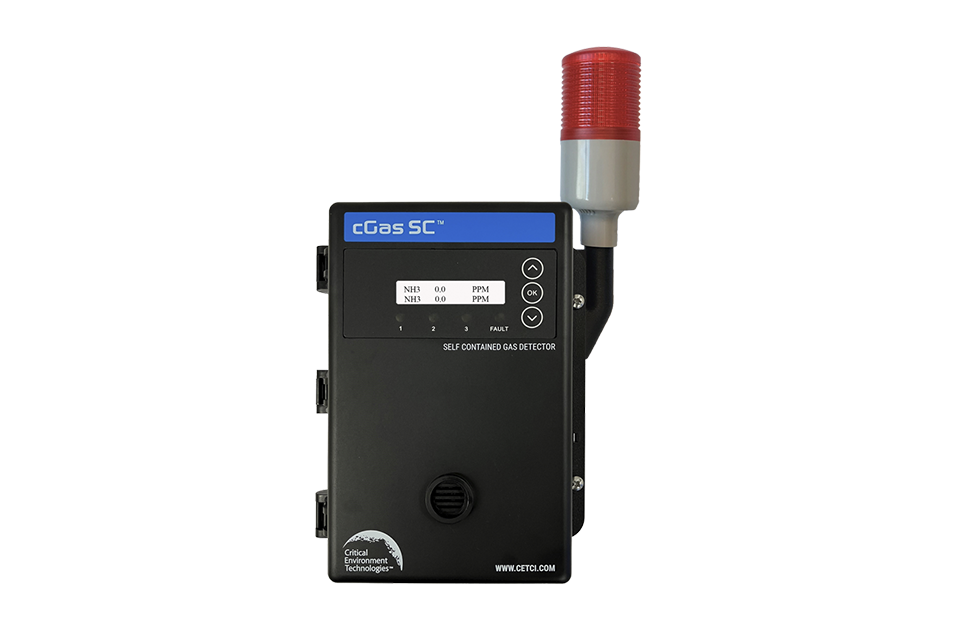
cGas-SC Self-Contained Controller
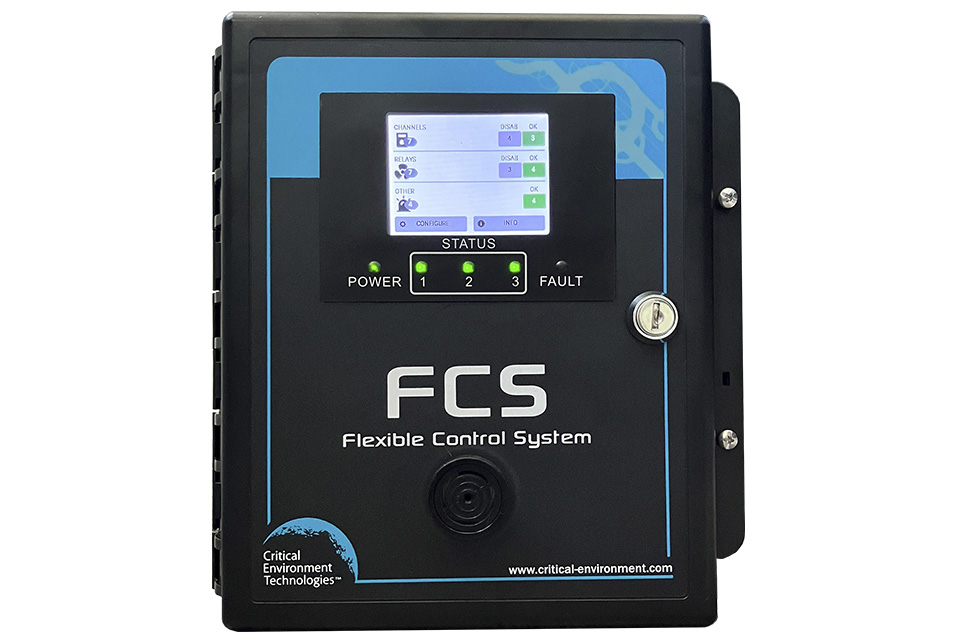
FCS Multi Channel System Controllers