Gas Detection for Chiller Rooms
Continuous monitoring of ammonia and refrigerants in central plant mechanical rooms and HVAC equipment areas housing chiller equipment to stay compliant and reduce risk to people and property.
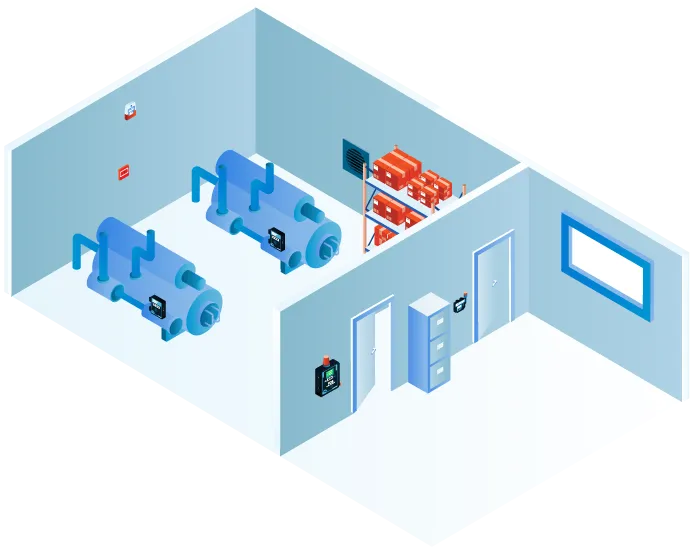
Typical Chiller Rooms System
Target Gases
Gases monitored in this application
Why Gas Detection is Required
ASHRAE Standard 15 and local mechanical codes require refrigerant detection in enclosed mechanical rooms housing chiller equipment to protect maintenance personnel and enable automatic equipment shutdown when leaks are detected. Chiller rooms house large-capacity refrigeration equipment that circulates significant quantities of refrigerant—whether ammonia in industrial systems or synthetic refrigerants like R-410A in commercial applications. A leak from compressors, evaporators, or piping connections can release refrigerant rapidly into the confined mechanical space. Ammonia leaks create immediate toxicity hazards, while synthetic refrigerant leaks can displace oxygen and create asphyxiation risks.
ChillSense™
Reliable Chiller Room Refrigerant Monitoring
Protect personnel and equipment with refrigerant leak detection systems engineered for mechanical rooms. ChillSense solutions provide continuous monitoring to meet ASHRAE 15 and local mechanical code requirements.
Download ChillSense Solution Guide
Request a Quote
System Architecture
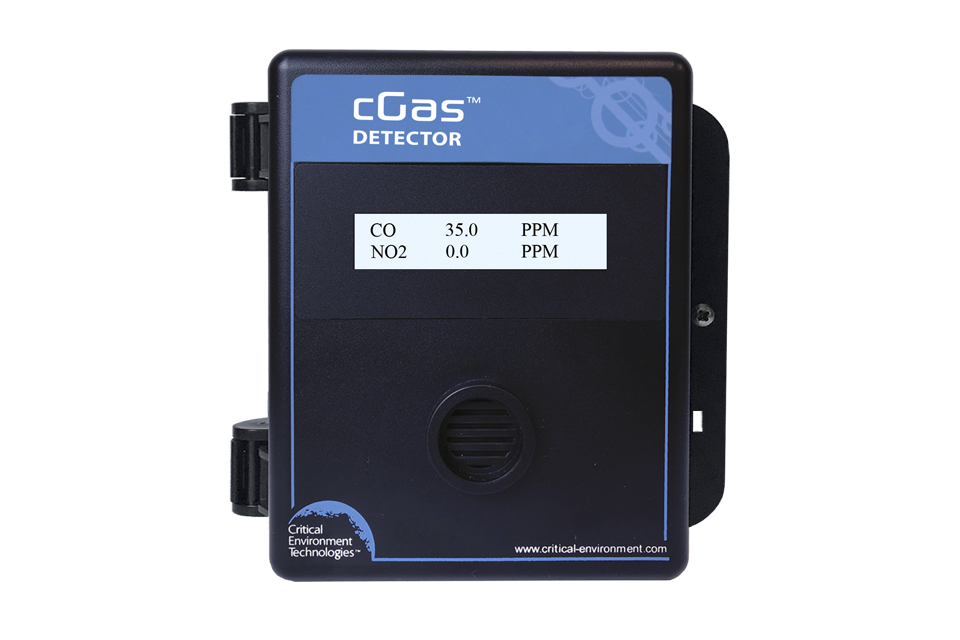
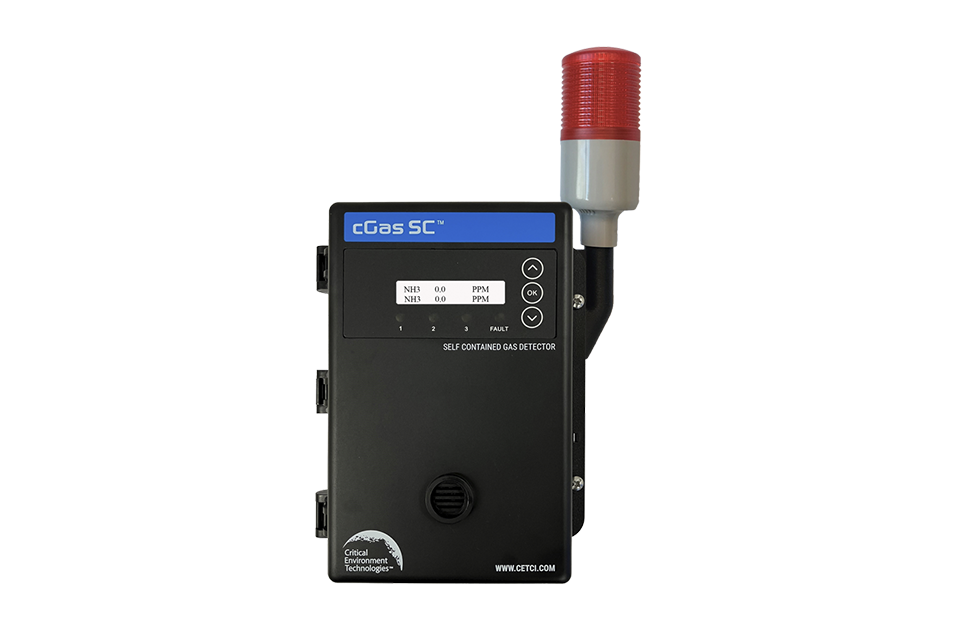
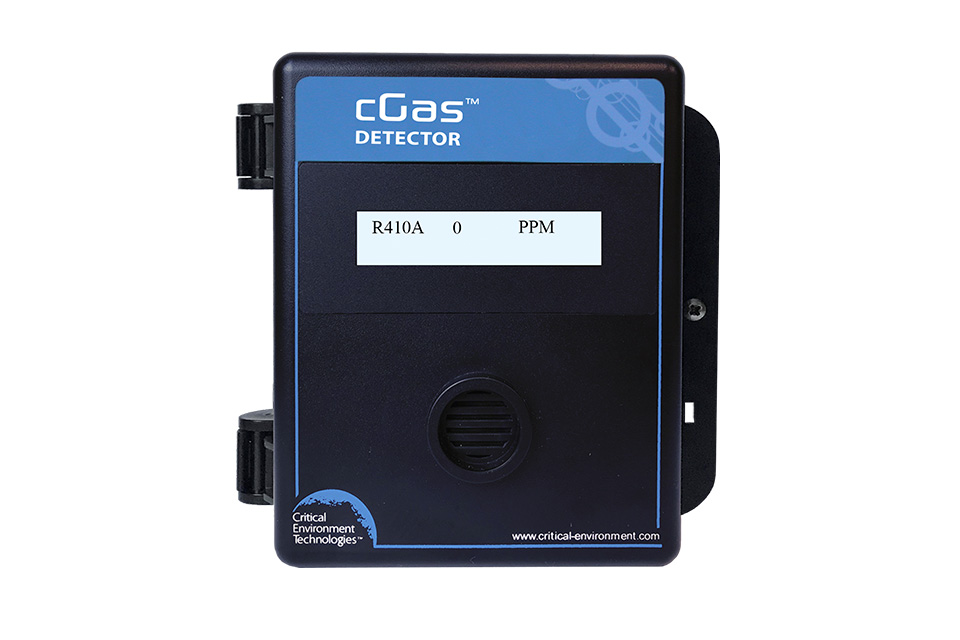
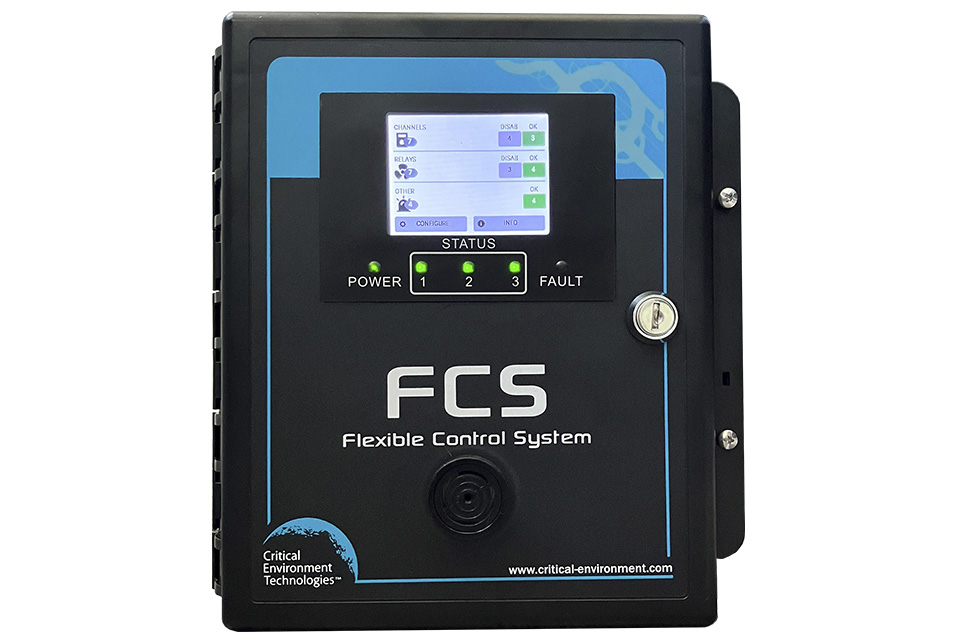
A complete chiller room gas detection system typically consists of refrigerant leak detectors installed at locations where leaks are most likely to accumulate, often near compressors or piping manifolds, connected to a controller mounted outside the room entrance. The controller monitors gas levels continuously and manages emergency response—activating alarms, triggering ventilation, and initiating equipment shutdown when leaks are detected. For single-chiller installations, self-contained detector-controller units provide economical protection with integrated alarm and relay outputs. Larger central plant facilities benefit from networked architectures with multiple sensors reporting to a central controller, enabling zone identification and coordinated response across the mechanical room. Alarm outputs activate audible/visual notification devices outside the room entrance, trigger emergency ventilation systems, and can interface with chiller controls for automatic shutdown. Controllers with relay outputs provide direct equipment control, while BACnet or Modbus communication enables integration with building automation systems for remote monitoring.
Key Considerations
Important factors for planning your system
Refrigerant sensors should be mounted where refrigerant leaks may collect, 6 inches (15 cm) above floor level where heavier-than-air gases concentrate
Controller with audible/visual alarm and manual shutoff switch should be located outside the room entrance
Detection system should integrate with equipment shutdown and activate the ventilation system at the OEL or 25% LFL alarm level
Each major equipment piece requires dedicated sensor coverage
Additional Information
When specifying detection for chiller rooms with multiple refrigerant types, infrared (NDIR) sensors offer broad-spectrum refrigerant detection with minimal cross-sensitivity. For ammonia systems, electrochemical sensors provide the fastest response times and lowest detection thresholds required by safety codes.
Build Your Gas Detection Expertise
Explore upcoming webinars and personalized training from CET experts, covering gas detection technology, application guidance, installation, and commissioning.
Related Products
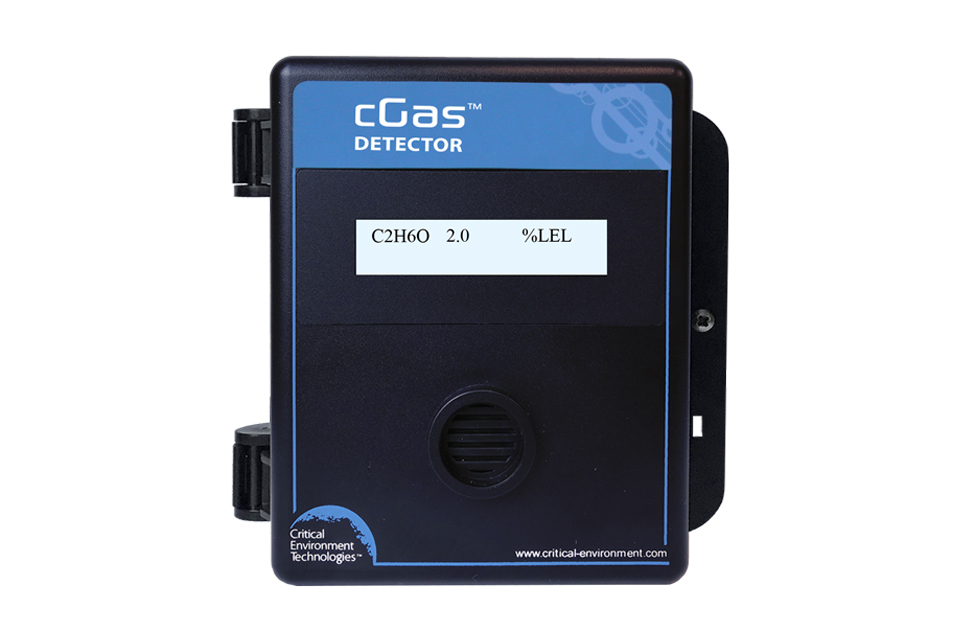
cGas Detector Analog Transmitter
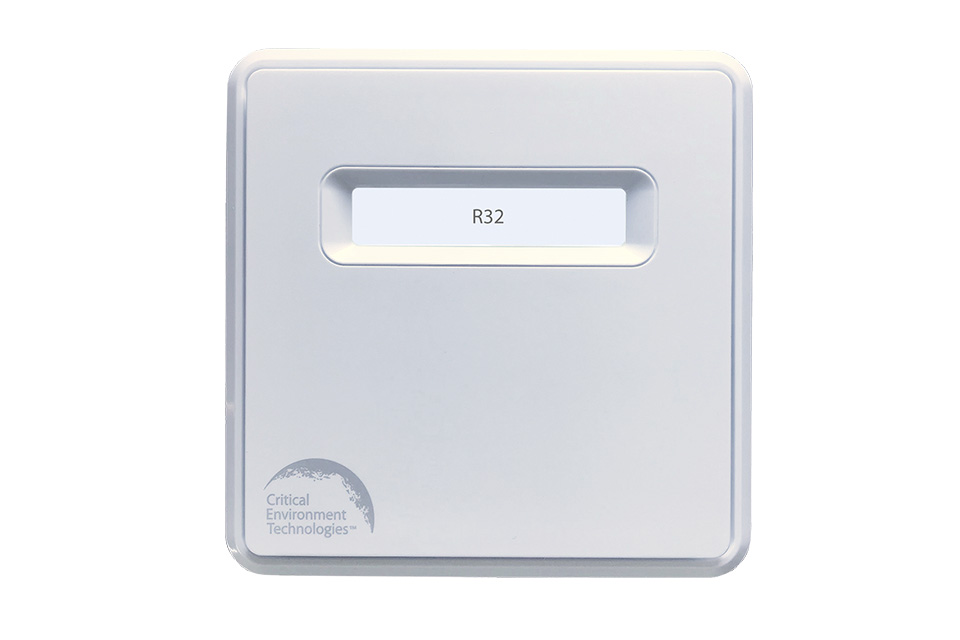
cGas Detector VRF IR Refrigerant Transmitter
cGas Detector Digital Transmitter
cGas-SC Self-Contained Controller
cGas Detector IR Refrigerant Transmitter
FCS Multi Channel System Controllers