
Ammonia Gas Detectors
NH₃Ammonia (NH₃) is a colorless gas with a characteristic pungent, penetrating odor detectable at concentrations as low as 5-50 ppm. Ammonia is widely used in industrial refrigeration, agricultural fertilizer production, and chemical manufacturing. In refrigeration, ammonia (designated R-717) is valued for its excellent thermodynamic properties, zero GWP, and zero ODP, making it one of the most environmentally responsible refrigerant choices. However, ammonia is classified as B2L (higher toxicity, mildly flammable) requiring specialized equipment, trained personnel, and comprehensive safety systems like NH3 gas detectors. Ammonia leak detection is critical for worker safety in cold storage, food processing, and beverage facilities using ammonia refrigeration systems.
Need Ammonia Detection?
Get expert guidance on the right detection solution for your application.
Key Information
Essential safety and exposure information for Ammonia
Health Effects
- Ammonia is a toxic, corrosive gas that primarily injures the respiratory system causing severe irritation to eyes, nose, throat and lungs.
- High concentrations can cause chemical burns and pulmonary edema.
Common Sources
- Refrigeration systems
- Fertilizer production
- Cleaning products
- Chemical manufacturing
- Industrial processes
Exposure Limits
- OSHA PEL
- 50 ppm
- NIOSH REL
- 25 ppm (ST 35)
- ACGIH TLV
- 25 ppm (ST 35)
- IDLH
- 300 ppm
Regulatory Status
- Ammonia (R 717) is classified by the EPA as a hazardous air pollutant and regulated toxic substance subject to Risk Management Program requirements and SNAP-approved, and by ASHRAE Standard 34 as a B2L (higher toxicity with low flammability) refrigerant.
Detection Requirements
- Sensor Technology
- Electrochemical (primary) or Semiconductor
- Sensor Detection Range
- 0-500 ppm
- Alarm Setpoints
- Low 25 ppm, Mid 35 ppm, High 200 ppm
- Mounting Height
- On or near the ceiling (lighter than air), multiple sensors in machinery rooms
Build Your Gas Detection Expertise
Explore upcoming webinars and personalized training from CET experts, covering gas detection technology, application guidance, installation, and commissioning.
Related Applications
Industries and environments where Ammonia detection is critical
Wastewater Treatment
Hydrogen sulfide, methane, and oxygen monitoring for pump stations, digesters, and enclosed treatment areas
Hotels
Continuous monitoring of refrigerant gases in hotel rooms are used to keep the indoor environment comfortable.
Chiller Rooms
Ammonia, R-410A, and A2L refrigerant detection for central plant mechanical rooms and HVAC equipment areas
Laboratories
Continuous monitoring protects laboratory personnel from combustible gases, oxygen displacement, and hazardous toxic gas exposure in laboratory settings and research facilities.
Cold Storage
Refrigerant or ammonia leak and oxygen depletion monitoring for walk-in freezers, cold rooms, and temperature-controlled warehouses
Ice Arenas
Multiple gas hazards throughout ice arenas require several detectors to protect workers, spectators, and athletes.
Detection Solutions
Sensors and detectors for Ammonia monitoring
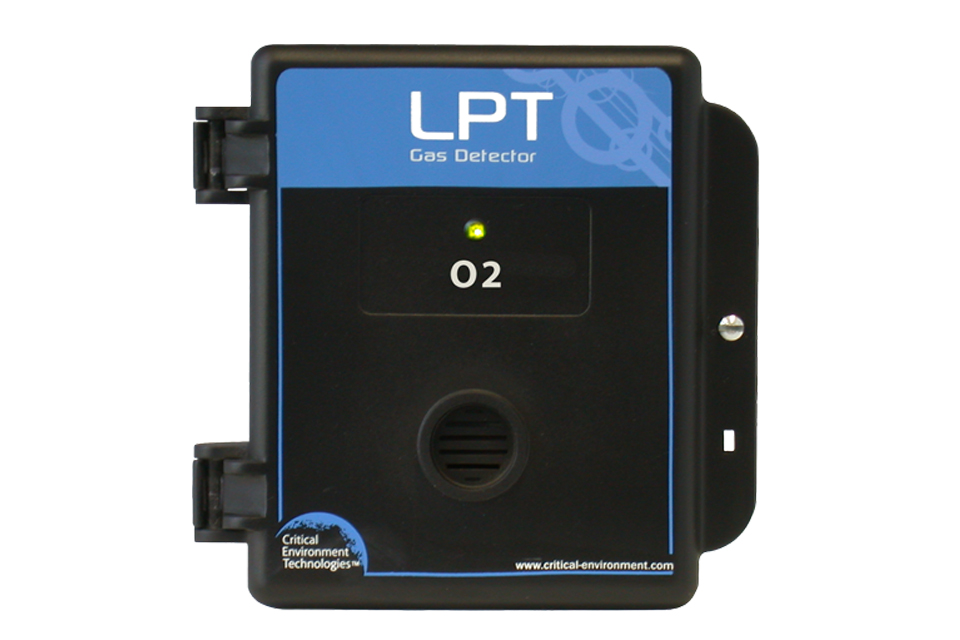
LPT Low Power Transmitter
Single channel, analog gas detector for enclosed parking facilities, recreational facilities, oxygen depletion applications.
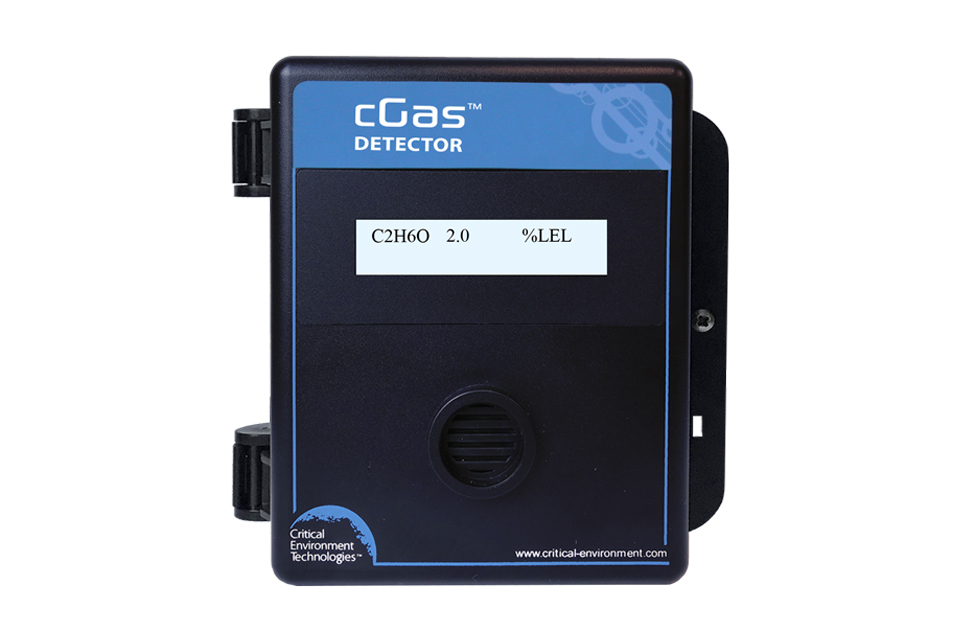
cGas Detector Analog Transmitter
Single channel, analog gas detector with Plug & Play Smart Sensor Technology.
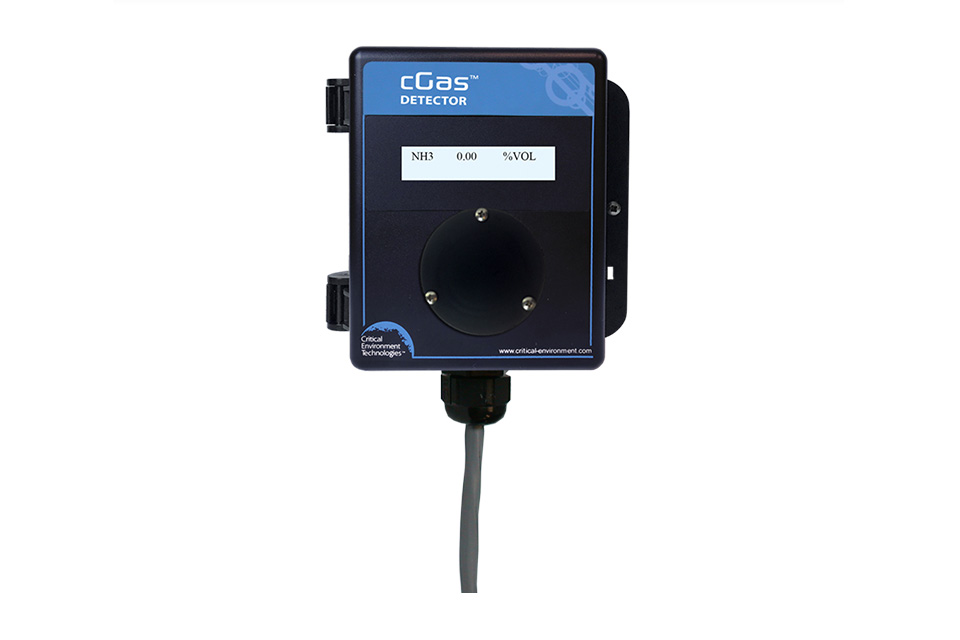
cGas Detector Ammonia Vent Line Transmitter
For continuous monitoring of Ammonia levels in the vent line of refrigeration systems. Mount indoors on the ammonia vent relief stack in refrigeration systems to help detect equipment failure.
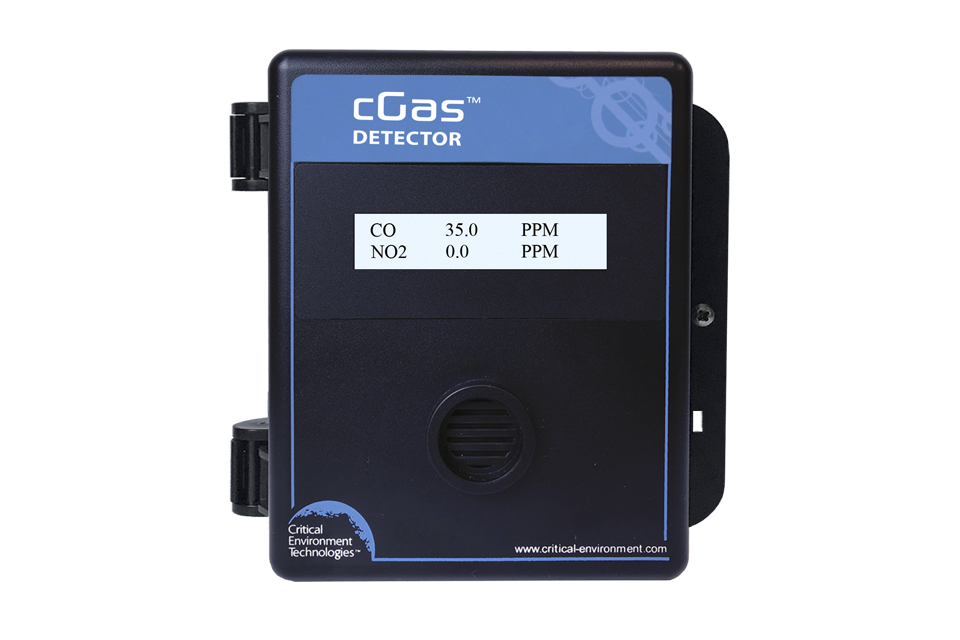
cGas Detector Digital Transmitter
One or two channel Modbus® or BACnet® gas detector with flexible customization options and Plug & Play Smart Sensor Technology.
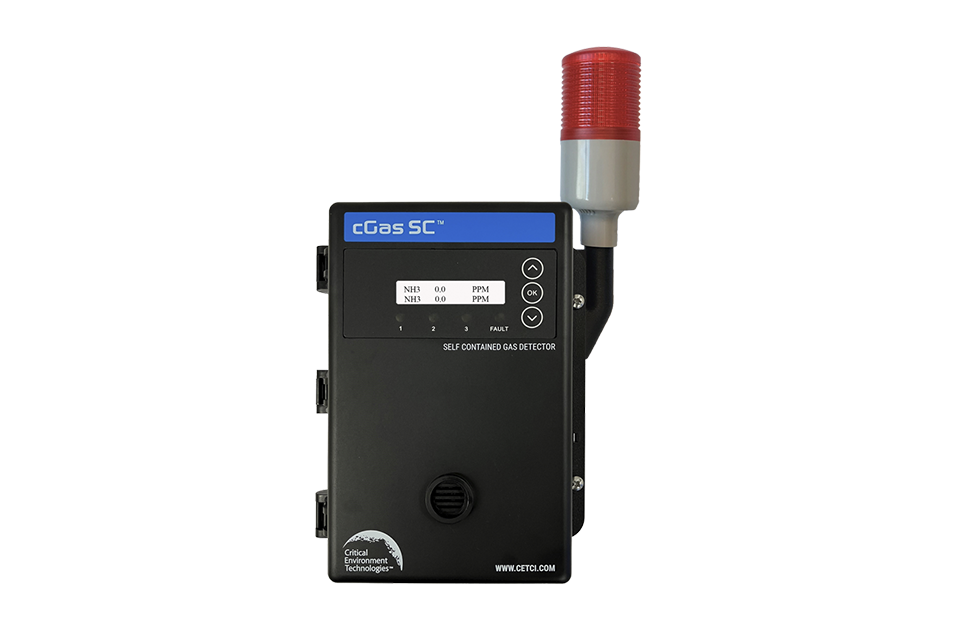
cGas-SC Self-Contained Controller
A self contained controller with up to 3 gas channels, Plug & Play Smart Sensor Technology and configurable logic control and priority settings. Offers superior user customization and reliable gas detection performance for monitoring many gases.
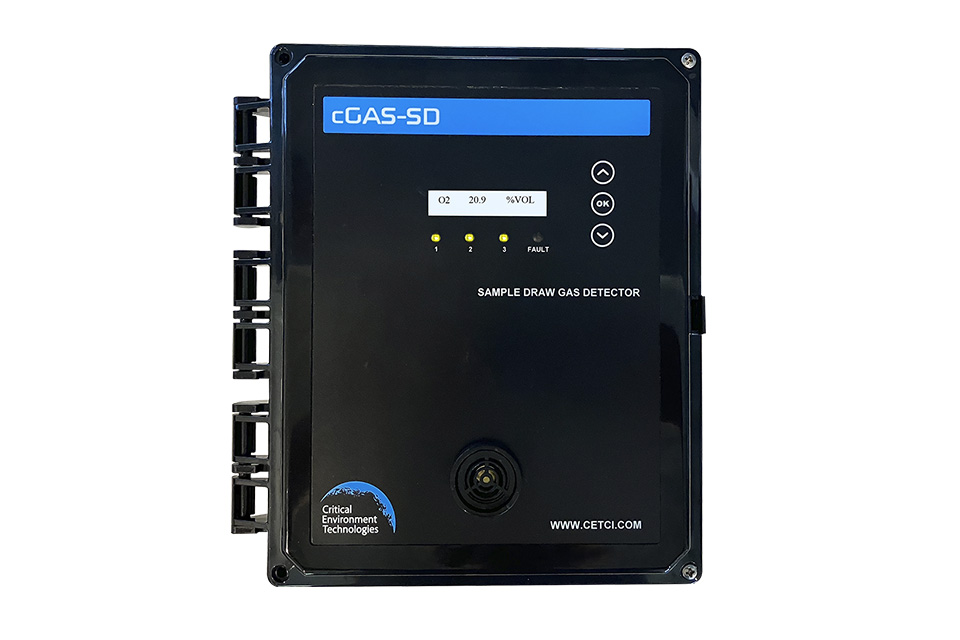
cGas-SD Sample Draw System
A Self-contained, single sensor sample draw gas detection system that draws sample air from locations where it is difficult to install a gas detector.
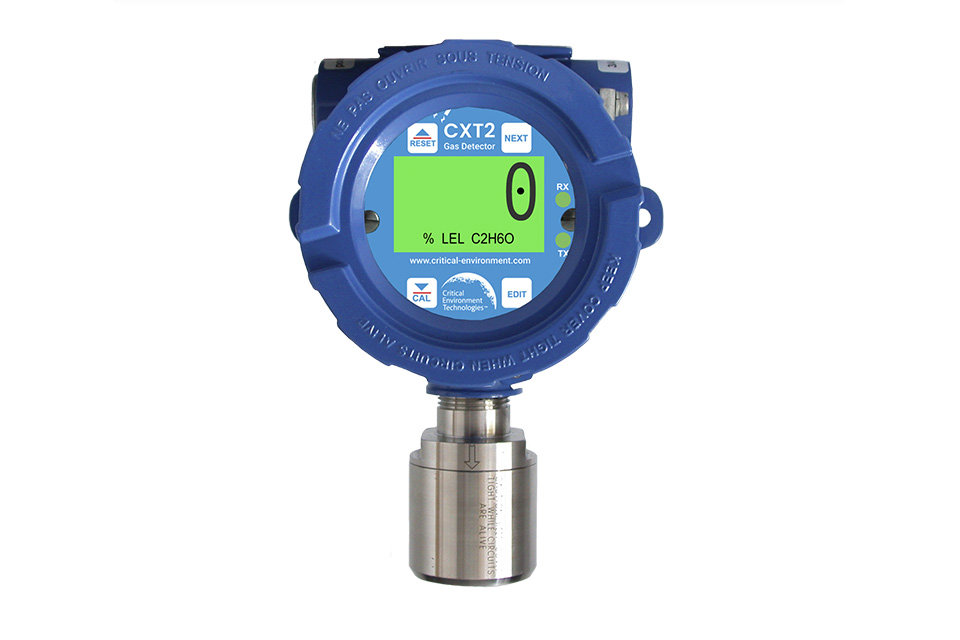
CXT2 Explosion Proof Transmitter
Reliable, accurate monitoring of toxic or combustible gases in potentially explosive and harsh environments, including hazardous-rated areas.
Related Gases
Other Toxic Gases we detect
Carbon Monoxide
Colorless, odorless toxic gas produced by incomplete combustion
Nitrogen Dioxide
Reddish-brown toxic gas with a pungent odor
Hydrogen Sulfide
Colorless gas with a characteristic rotten egg smell
Chlorine
Yellow-green gas with a strong, suffocating odor