
Gas Detection for Wastewater Treatment
Continuous monitoring of hydrogen sulfide, methane, oxygen, ammonia, and chlorine in wastewater treatment plants protects workers from toxic sewer gases in confined spaces, digesters, and disinfection systems.
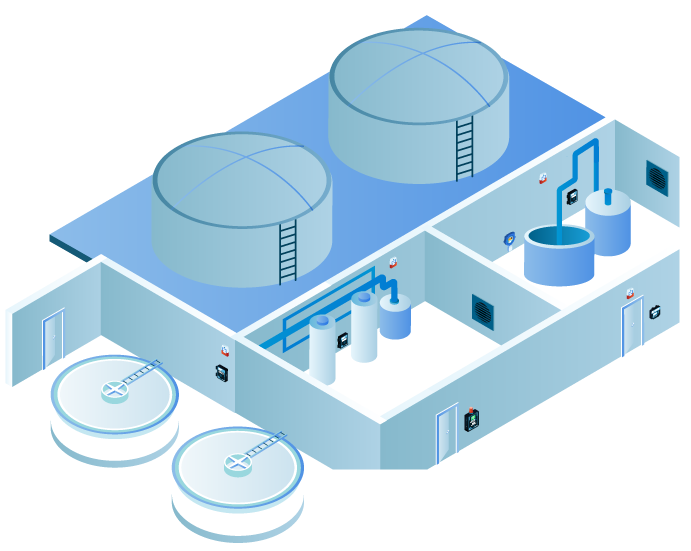
Typical Wastewater Treatment System
Target Gases
Gases monitored in this application
Why Gas Detection is Required
A waste water treatment facility is a wet maze of rooms, pipes, pumps, wells, chambers, concrete tanks and settling basins. Each treatment stage the waste water goes through involves hazardous gases that may already be present, are produced, or are added to complete the process. The most common gases found in sewer treatment facilities are hydrogen sulphide, methane, ammonia, carbon monoxide, chlorine and oxygen deficiency. Some facilities might also use ozone, chlorine dioxide or sodium hypochlorite with the chlorine during the sanitization process and sulphur dioxide is often used at the end to de-chlorinate the water. To ensure the safety of the workers, equipment and facility, every area presenting a gas hazard should be monitored, including headworks, primary treatment, digesters, pump stations and all gas storage rooms, the ozone generator room and nay other rooms that gas passes through. In the larger, open areas, a fixed gas detection system is suitable; in confined spaces that operators enter and where gas may be present, portable gas detectors are more appropriate.
System Architecture
To comply with OSHA and EPA wastewater safety requirements, a complete wastewater treatment gas detection system typically consists of wastewater H₂S gas detectors throughout the facility, digester methane detectors and oxygen monitors for confined space and entry permit verification. Sensors connect to a central controller that provides alarming and can integrate with process control systems for coordinated response. Depending on the classification of the location, explosion proof gas detectors may be required. For smaller treatment plants, self-contained detector-controller units provide economical protection for key areas like headworks and pump stations. Larger facilities benefit from networked architectures with sensors throughout the treatment process, enabling zone identification and integration with SCADA systems for centralized monitoring and historical trending. Alarm outputs activate audible/visual notification devices rated for hazardous locations, trigger ventilation systems, and can interface with process equipment for automatic shutdown when dangerous conditions develop. Portable area monitors and personal gas monitors complement fixed detection for maintenance and entry activities.
Key Considerations
Important factors for planning your system
Multiple types of gas detectors are needed to ensure safety of personnel and property
Audible / visual devices should be mounted in centralized locations where they are easily seen and heard
Use of both a fixed gas detection system and portable gas monitors may be required
Additional Information
The treatment of waste water involves a combination of physical, chemical and biological processes that create several toxic and combustible gases. Some areas are enclosed spaces where gases can build up and deplete oxygen levels. In these areas, workers should be equipped with personal gas monitors to ensure the air is safe to breathe.
Build Your Gas Detection Expertise
Explore upcoming webinars and personalized training from CET experts, covering gas detection technology, application guidance, installation, and commissioning.
Related Products
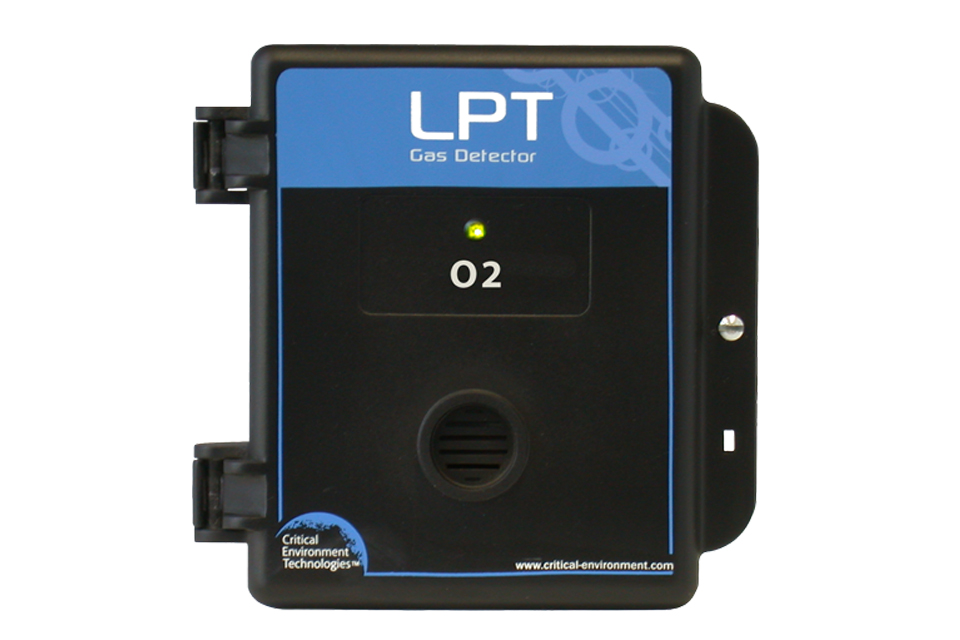
LPT Low Power Transmitter
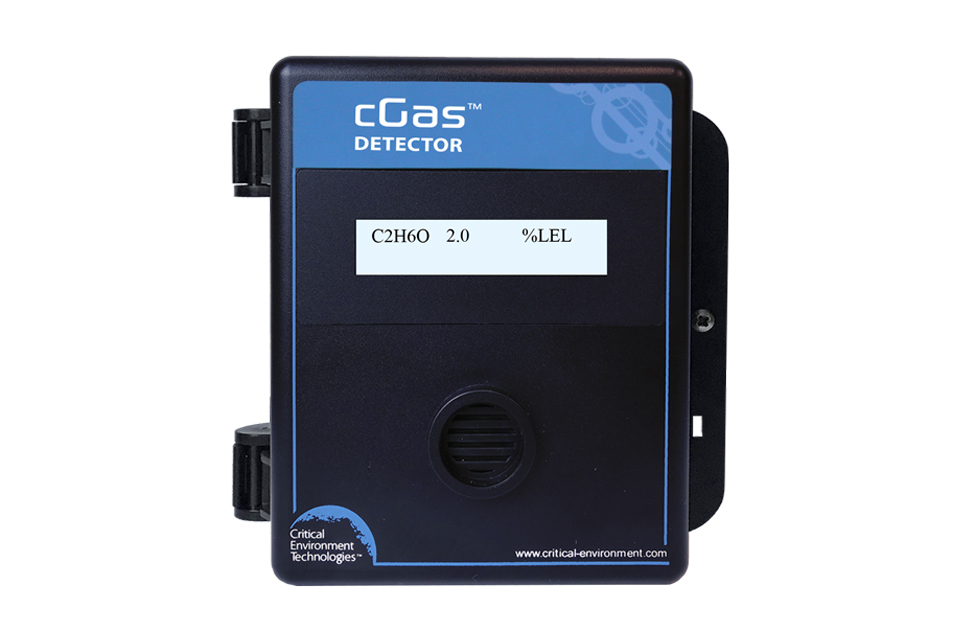
cGas Detector Analog Transmitter
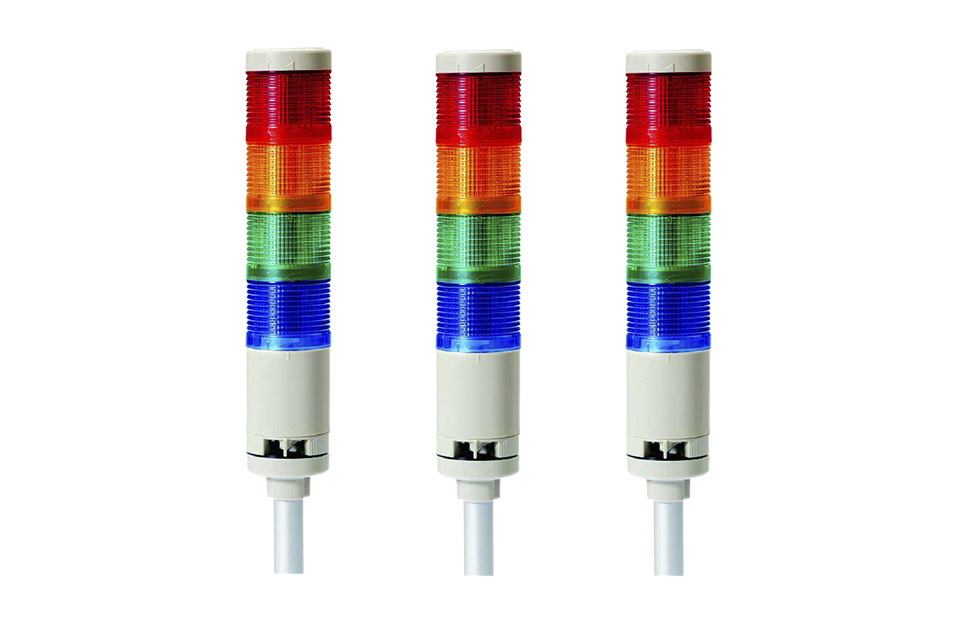
RSL Remote Stack Light
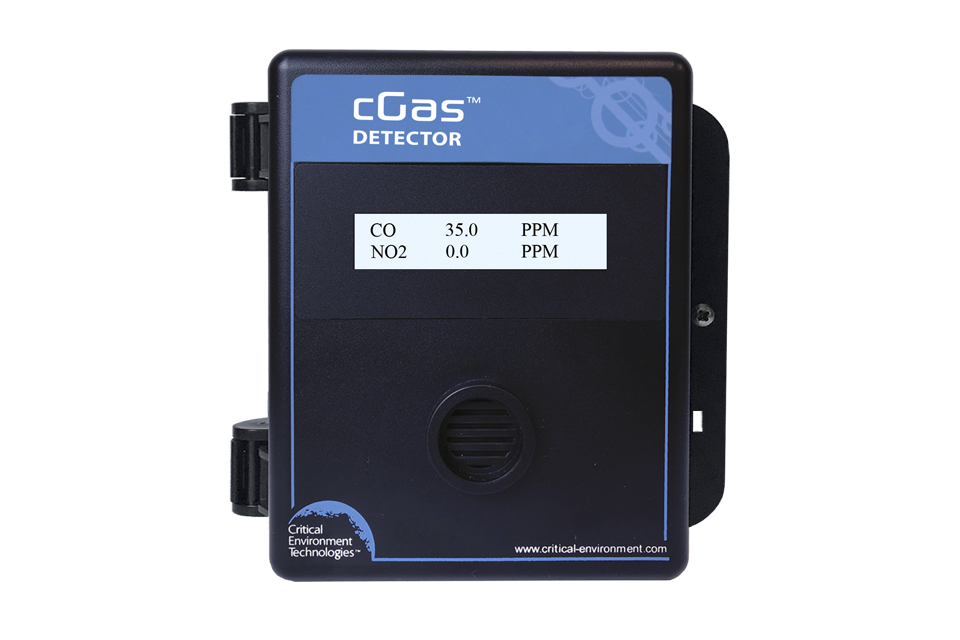
cGas Detector Digital Transmitter
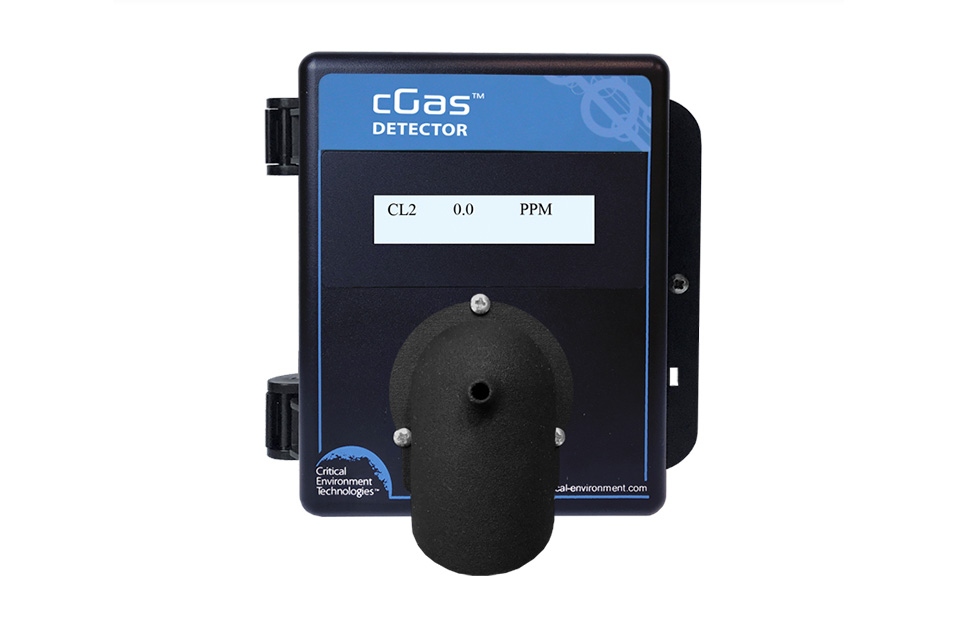
Splash Guard for Sticky Gases (Option -SN)
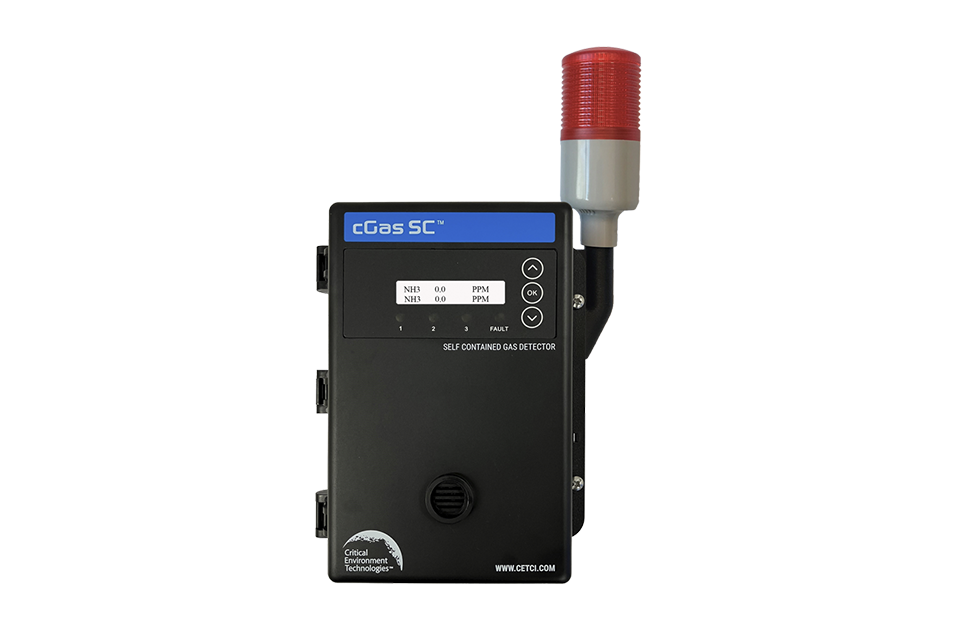
cGas-SC Self-Contained Controller
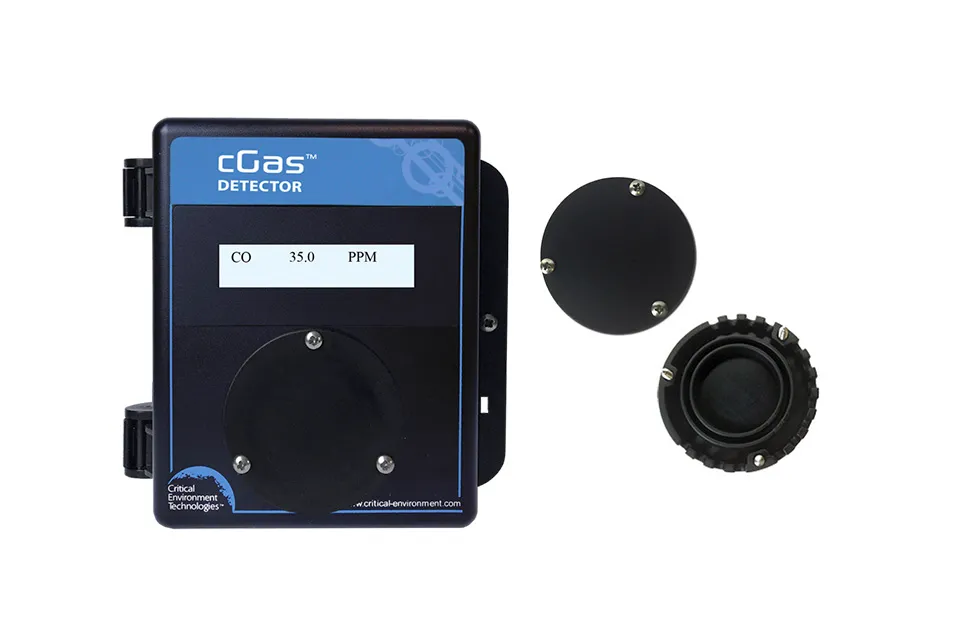
Splash Guard (Option -S)
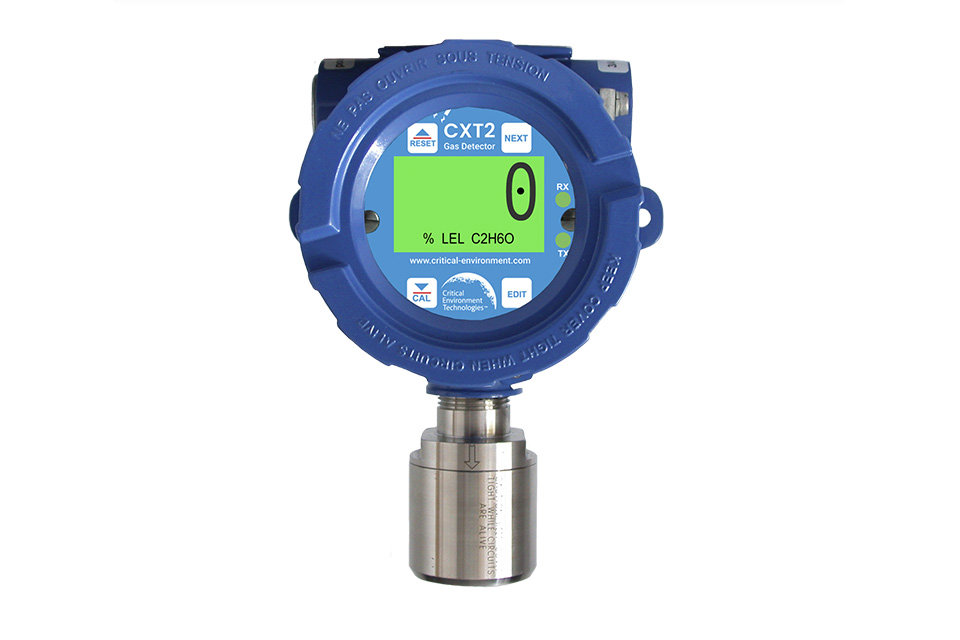
CXT2 Explosion Proof Transmitter
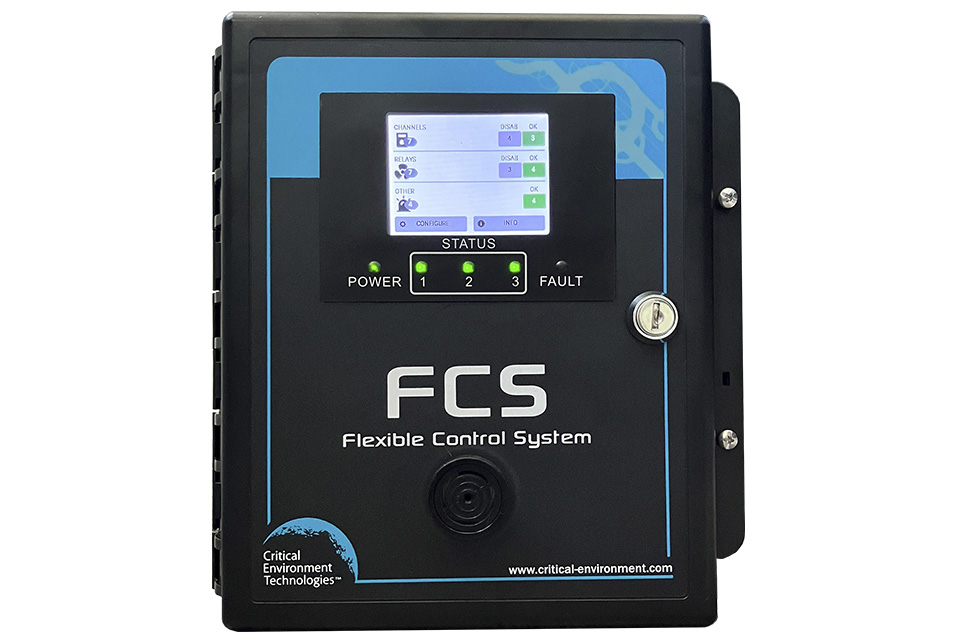
FCS Multi Channel System Controllers
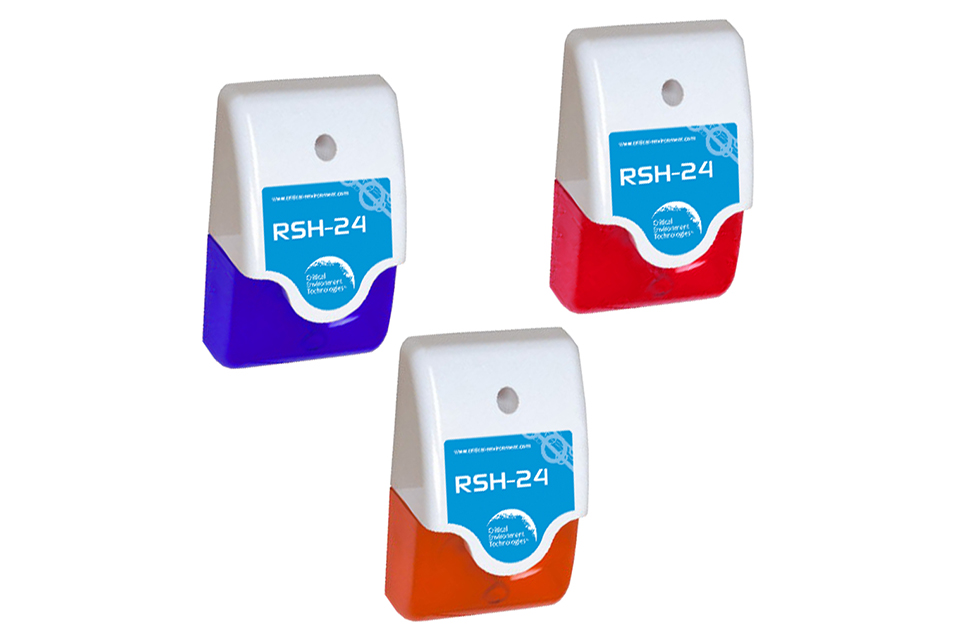
RSH-24V Remote Strobe & Horn
Downloads
Application: Waste Water Treatment Plant - FCS, CGAS and CXT2
Application_guide