
Ozone Gas Detectors
O₃Ozone (O₃) is a highly reactive oxidizing gas with a distinctive sharp, chlorine-like smell, often described as the fresh smell after thunderstorms. It is used for water purification, food sanitation and HVAC air treatment because of its ability to destroy bacteria, viruses, and organic contaminants. Ozone is commonly generated on site using industrial ozone generators, which requires continuous monitoring to protect workers due to its low exposure threshold. An ozone detector, also referred to as an ozone monitor or O₃ gas detector, is used in ozone generator rooms, water treatment facilities, food processing plants, and HVAC air purification systems to detect leaks, trigger alarms or ventilation, and maintain compliance with the OSHA permissible exposure limit of 0.1 ppm (8 hour TWA).
Need Ozone Detection?
Get expert guidance on the right detection solution for your application.
Key Information
Essential safety and exposure information for Ozone
Health Effects
- Inhalation of ozone can cause irritation of the eyes and airways triggering coughing and shortness of breath
- Short-term exposure has also been associated with increased hospital visits for respiratory and heart conditions
- Repeated or prolonged exposure may lead to permanent lung damage
Common Sources
- Water treatment
- Food processing
- Ozone generator rooms
- Air purification systems
- Print shops
- Industrial processes
Exposure Limits
- OSHA PEL
- 0.1 ppm TWA, 0.3 ppm STEL
- NIOSH REL
- 0.1 ppm (C)
- NIOSH IDHL
- 5 ppm
- ACGIH TLV
- 0.05-0.2 ppm
Regulatory Status
- Ozone (O₃) is regulated because it is a powerful oxidizing gas that can harm the respiratory system at low concentrations. For worker health and safety, OSHA sets a 0.1 ppm 8‑hour time‑weighted average, NIOSH recommends a 0.1 ppm ceiling and defines an IDLH of 5 ppm. The ACGIH provides stricter, health‑based limits ranging from 0.05 to 0.10 ppm depending on work intensity. Environmentally, the EPA regulates ozone as a criteria air pollutant under the Clean Air Act by establishing National Ambient Air Quality Standards (NAAQS) to control smog, while separately regulating ozone‑depleting substances under Title VI. For transportation, ozone is classified by the DOT as UN 1950, a Class 2.2 non‑flammable oxidizing gas, subject to hazardous materials rules, though it is usually generated on site due to instability. In buildings, ASHRAE Standards 62.1 and 62.2 treat ozone as an indoor air contaminant, requiring ventilation or controls and discouraging intentional ozone generation in occupied spaces.
Detection Requirements
- Sensor Technology
- Electrochemical
- Detection Range
- 0-1 ppm
- Alarm Setpoints
- Low 0.10 ppm, Mind 0.20 ppm, High 0.30 ppm
- Mounting Height
- 6-8 in / 15-20 cm from the floor, near where a leak is likely to occur
Build Your Gas Detection Expertise
Explore upcoming webinars and personalized training from CET experts, covering gas detection technology, application guidance, installation, and commissioning.
Related Applications
Industries and environments where Ozone detection is critical
Wastewater Treatment
Hydrogen sulfide, methane, and oxygen monitoring for pump stations, digesters, and enclosed treatment areas
Breweries
Gas detection and monitoring of CO2, O2, and Ozone in breweries ensures the safety of patrons and employees.
Welding Shops
Combustible gas, oxygen, and fume detection for fabrication facilities and metal working environments
Pools & Aquatics
Gas detection systems for monitoring leaks within indoor pools ensures the health and safety of swimmers and employees.
Commercial Kitchens
Toxic and combustible gas hazards should be monitored in commercial kitchens to ensure a safe working environment.
Schools
Continuous monitoring of carbon monoxide, carbon dioxide, natural gas, and nitrogen dioxide protects students and staff across school facilities - from boiler rooms and science labs to bus loading areas and cafeteria kitchens.
Wineries
Gas detection and monitoring in wineries is imperative due to a significant amount of CO2 generated during fermentation.
Detection Solutions
Sensors and detectors for Ozone monitoring
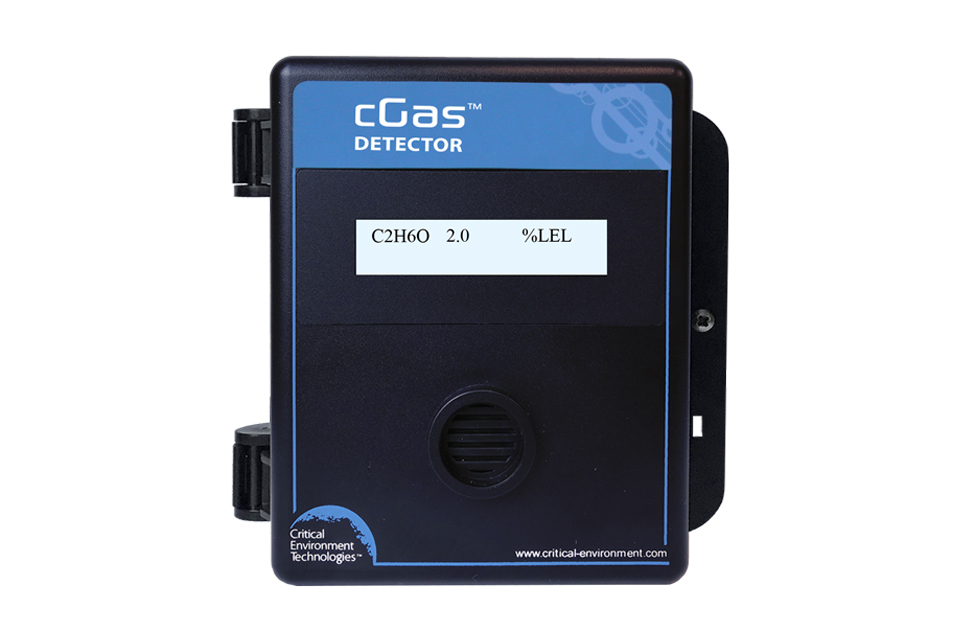
cGas Detector Analog Transmitter
Single channel, analog gas detector with Plug & Play Smart Sensor Technology.
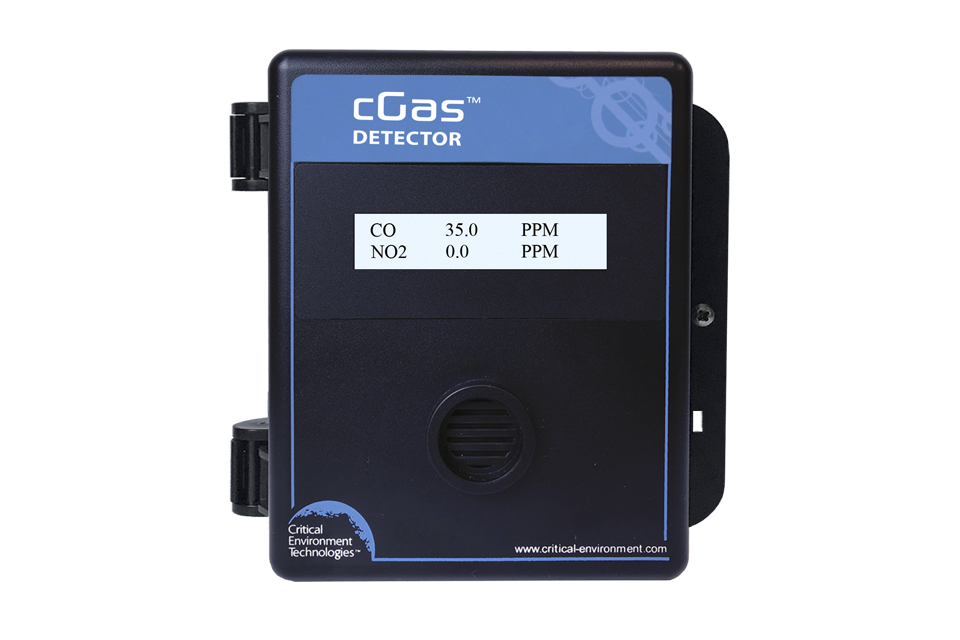
cGas Detector Digital Transmitter
One or two channel Modbus® or BACnet® gas detector with flexible customization options and Plug & Play Smart Sensor Technology.
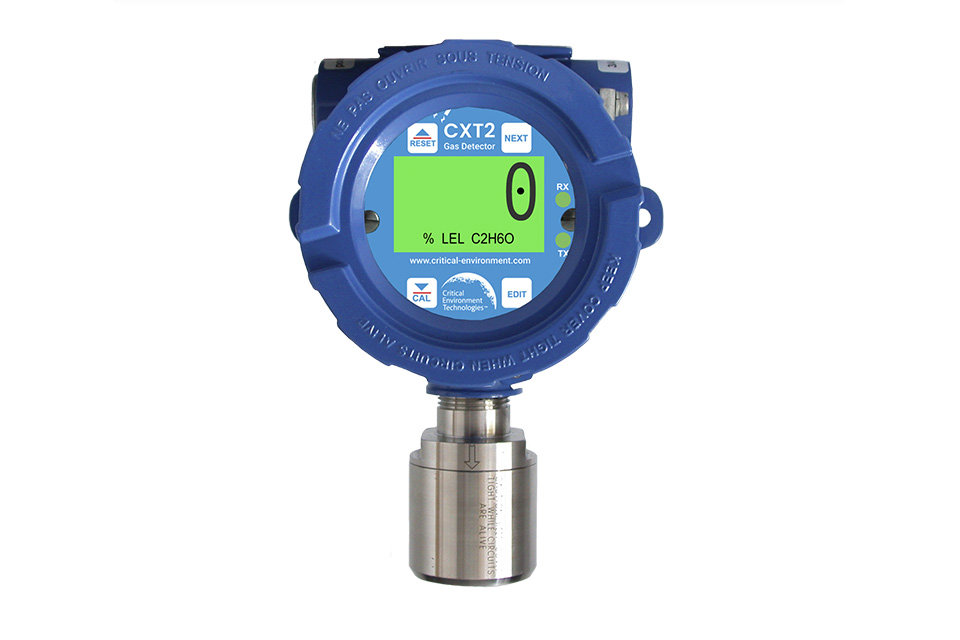
CXT2 Explosion Proof Transmitter
Reliable, accurate monitoring of toxic or combustible gases in potentially explosive and harsh environments, including hazardous-rated areas.
Related Gases
Other Toxic Gases we detect