Gas Detection for Data Centers
Refrigerant leaks from CRAC/CRAH units, chillers, in row coolers, and underfloor piping can accumulate in low areas, creating asphyxiation risks and hydrogen off-gassing from UPS battery banks and BESS systems can create an explosive hazard.
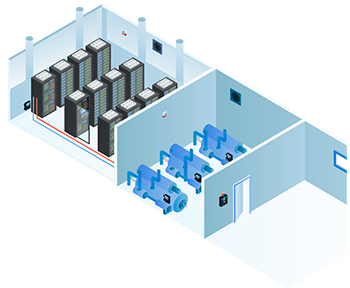
Typical Data Centers System
Target Gases
Gases monitored in this application
Why Gas Detection is Required
Cooling infrastructure introduces a major safety consideration in data centers: refrigerant leaks from CRAC/CRAH units, chillers, in row coolers, and underfloor piping. Because refrigerants are heavier than air, they can pool in low lying areas, creating asphyxiation hazards and threatening cooling continuity. To mitigate this risk, sensors are typically installed in mechanical rooms, beneath raised floors, and strategically throughout hot aisle/cold aisle layouts so that leaks are detected before refrigerant migrates into occupied or equipment zones. Data centers also rely heavily on UPS battery banks and modern Battery Energy Storage Systems (BESS), both of which can generate hydrogen gas during charging, discharging, or fault conditions. Hydrogen, being lighter than air and highly explosive even at low concentrations, requires fixed detection sensors installed near the ceiling and integrated with the facility’s BMS or DCIM for automated ventilation and alarm response. As BESS deployments expand, adherence to NFPA 855 becomes increasingly critical, as it defines ventilation, off gas management, and gas detection requirements for energy storage installations. Real-time gas monitoring with integrated alarms and ventilation prevents exposure, explosions, equipment failure, and downtime—keeping people, property and operations safe.
System Architecture
A comprehensive data center gas detection system pairs early‑warning refrigerant sensors positioned near cooling equipment and smoke detection with hydrogen sensors in UPS battery and BESS areas. All devices report to a central controller that ties into the building management and fire suppression systems, enabling a fast, coordinated response to any abnormal condition. For smaller server rooms, self-contained detector units provide economical protection with direct integration to local suppression systems. Larger data center facilities benefit from networked architectures with sensors in each aisle or zone, enabling rapid identification of developing problems and targeted response that minimizes service disruption. Alarm outputs interface with building management systems, fire suppression controls, and data center infrastructure management (DCIM) platforms. Early warning capabilities enable graduated response—alerting personnel to investigate before conditions require automatic suppression activation.
Key Considerations
Important factors for planning your system
Gas detection system provides demand controlled ventilation for property safety
Hydrogen sensors mounted on or near the ceiling
Refrigerant sensors mounted as close as possible to potential leak sources, such as compressors, and mounted close to the floor
Additional Information
CET's gas detection systems are fully programmed, calibrated and tested prior to being shipped from the factory. They are ready to install upon arrival and operate following the warm up period.
Build Your Gas Detection Expertise
Explore upcoming webinars and personalized training from CET experts, covering gas detection technology, application guidance, installation, and commissioning.
Related Products
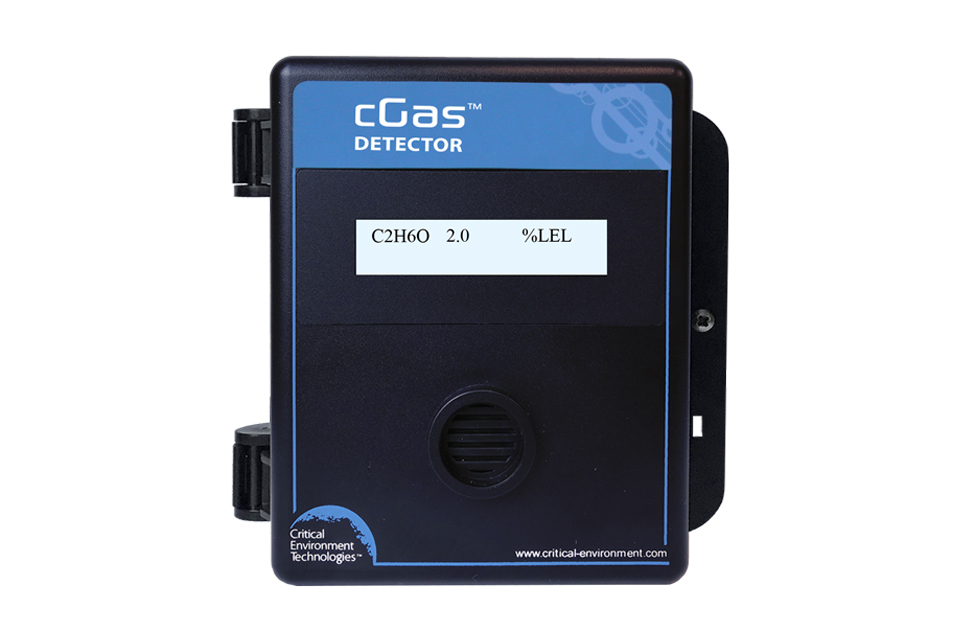
cGas Detector Analog Transmitter
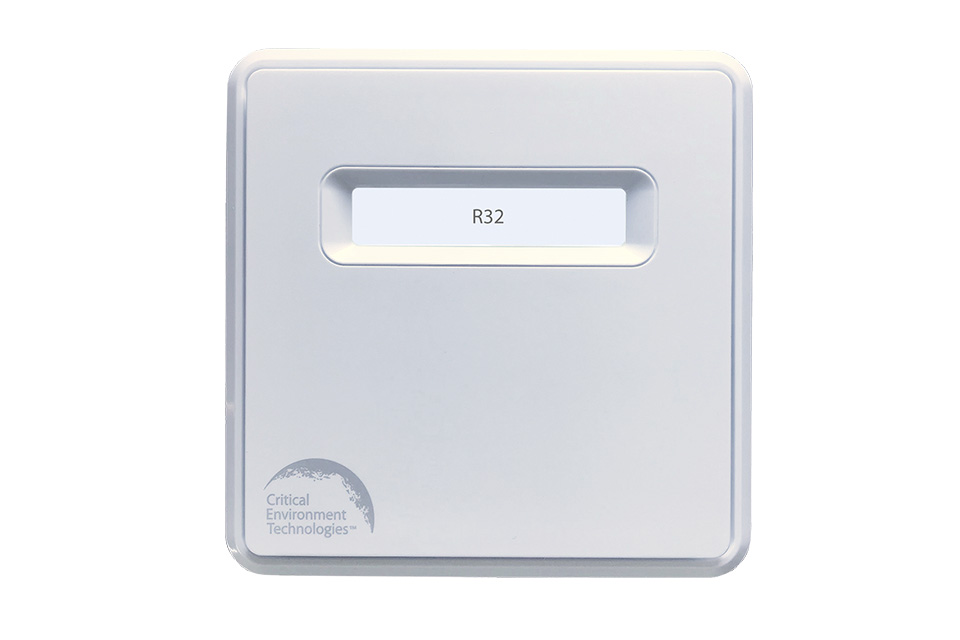
cGas Detector VRF IR Refrigerant Transmitter
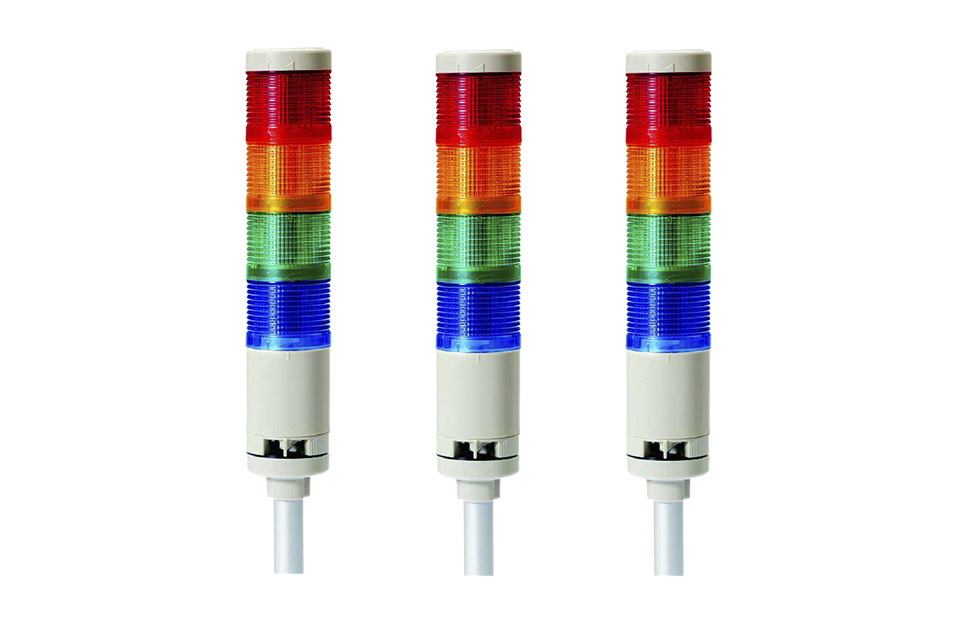
RSL Remote Stack Light
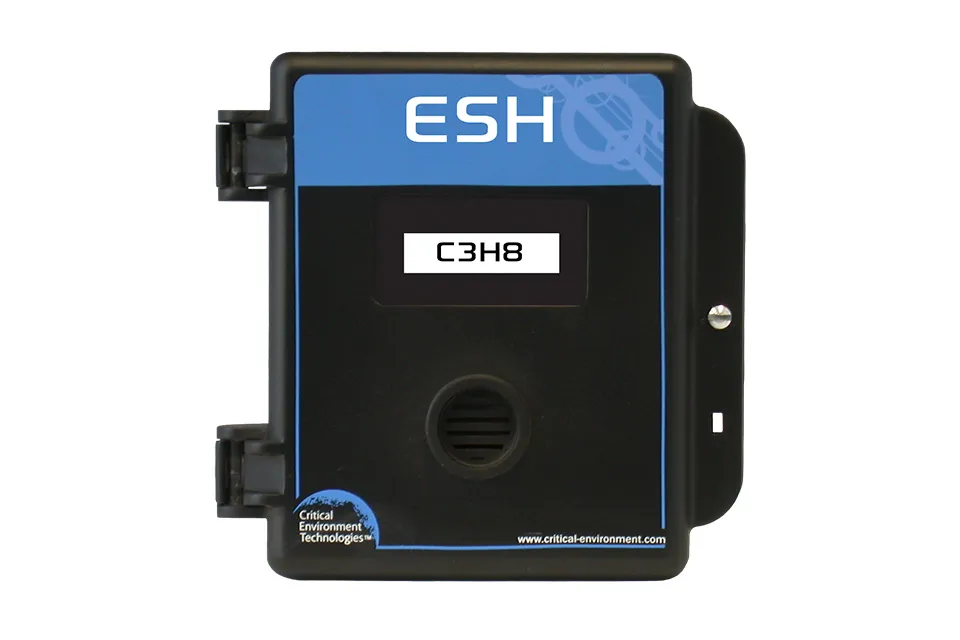
ESH-A Remote Sensor
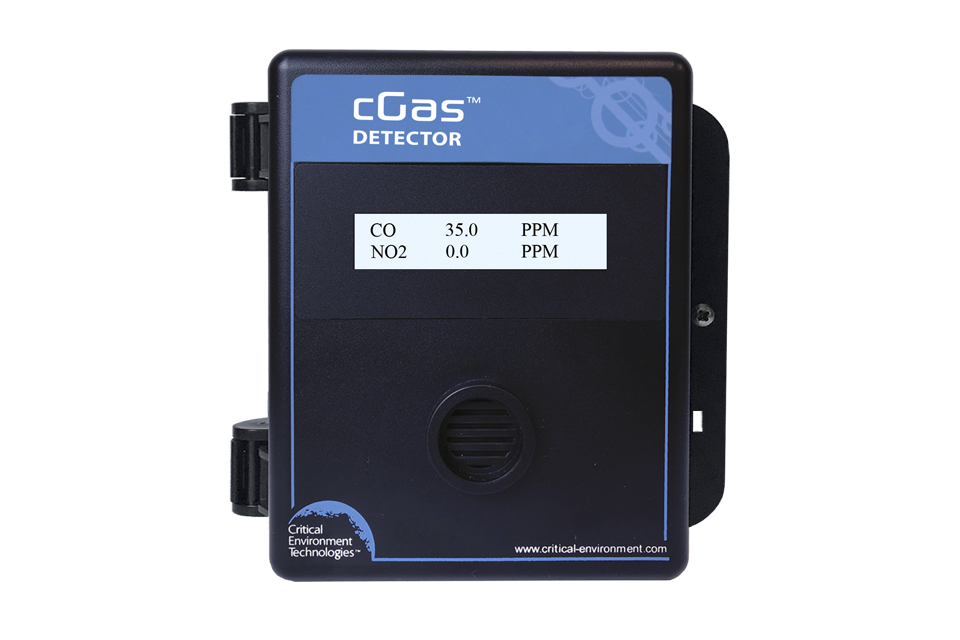
cGas Detector Digital Transmitter
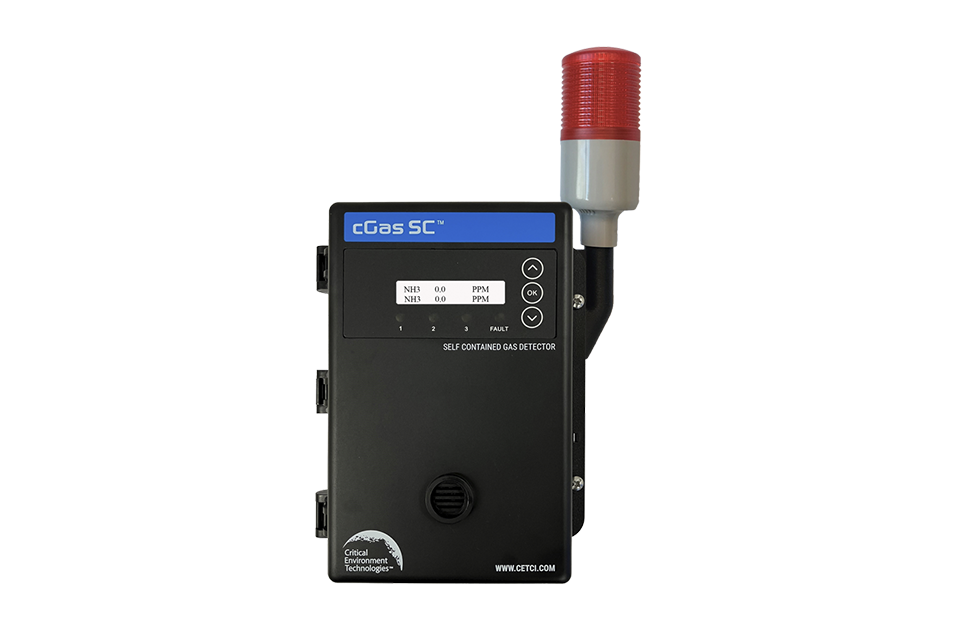
cGas-SC Self-Contained Controller
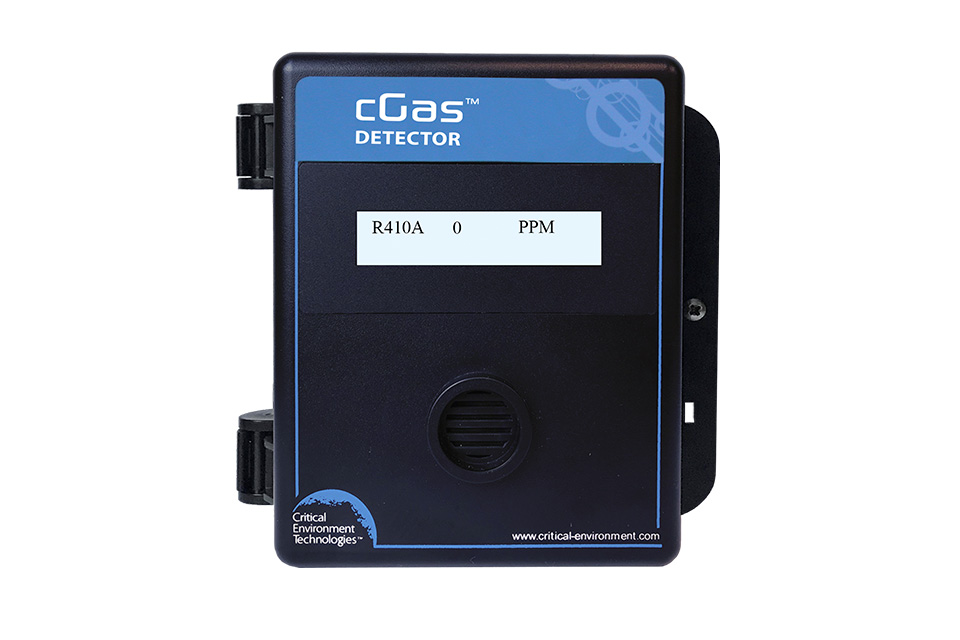
cGas Detector IR Refrigerant Transmitter
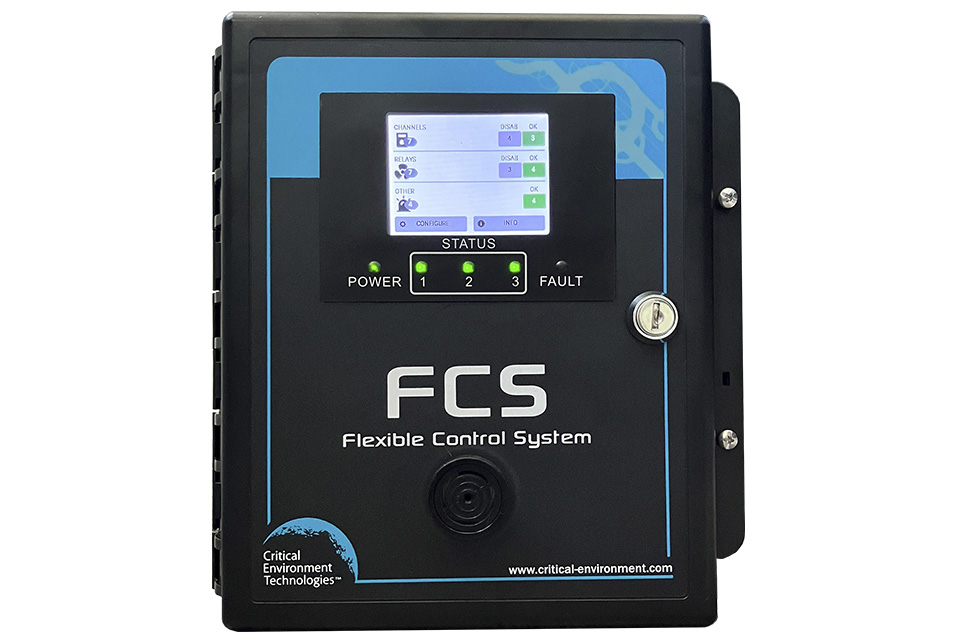
FCS Multi Channel System Controllers