Gas Detection for Car Dealerships
Continuous monitoring of carbon monoxide and nitrogen dioxide in car dealership showrooms, offices, indoor service departments and enclosed vehicle storage areas where exhaust fumes can accumulate.
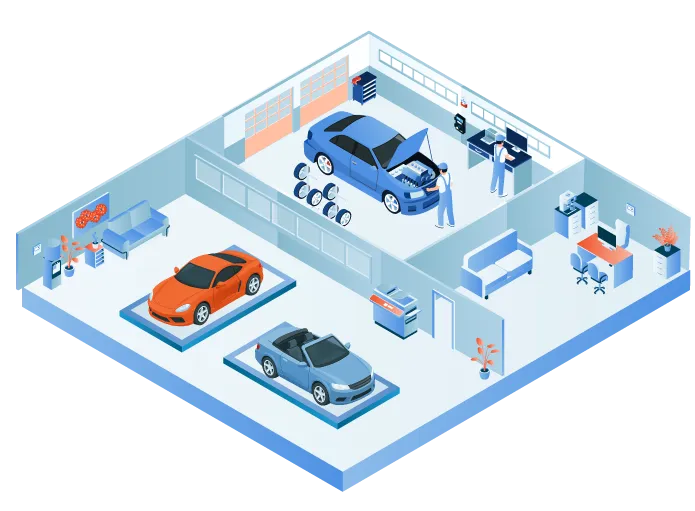
Typical Car Dealerships System
Target Gases
Gases monitored in this application
Why Gas Detection is Required
Car dealerships present unique gas detection challenges because they combine public‑facing showrooms, active service departments, and enclosed vehicle storage and preparation areas within a single facility. Unlike standalone automotive service bays, dealerships must protect both employees and customers from vehicle exhaust exposure while vehicles are routinely driven, started, and idled indoors. Indoor showrooms are a primary concern because vehicles are frequently driven in and out for display changes, customer demonstrations, detailing, or delivery preparation. Even short periods of idling can introduce carbon monoxide (CO) and nitrogen dioxide (NO₂) into enclosed showroom spaces, where customers and sales staff may be present for extended periods. Because these areas are not typically designed as industrial workspaces, auto showroom gas monitoring is essential to detect exhaust buildup early and ensure safe air quality in occupied public areas. Installing a car dealership CO detector network in showrooms provides continuous monitoring and supports automatic ventilation response when exhaust levels rise. Service departments within dealerships share many hazards with traditional vehicle service bays but often operate at higher volume and closer proximity to occupied office and showroom spaces. Gas‑powered and diesel vehicles running during diagnostics, maintenance, and repairs generate CO and NO₂, which can accumulate quickly if ventilation systems are overwhelmed or improperly balanced. Dedicated monitoring in service bays supports dealership service bay ventilation by verifying that exhaust systems are functioning correctly and providing early warning when hazardous gas concentrations develop. Many dealerships also include enclosed vehicle storage, preparation, and delivery areas where new and used vehicles are staged before sale. These spaces often experience repeated vehicle movement, cold starts, and short‑term idling, particularly during peak delivery periods. Because these areas may have limited airflow and lower occupancy awareness, exhaust gases can build unnoticed without continuous detection. CO and NO₂ sensors in enclosed storage and prep areas help prevent gas migration into adjacent offices, showrooms, or customer waiting areas. Gas detection systems in car dealerships are most effective when integrated with the building’s ventilation and control systems. Continuous monitoring allows ventilation to respond dynamically to actual vehicle activity rather than fixed schedules, ensuring rapid exhaust removal while minimizing unnecessary energy use during low‑traffic periods. Integration also provides centralized monitoring, alarms, and documentation to support safety programs and regulatory compliance.
System Architecture
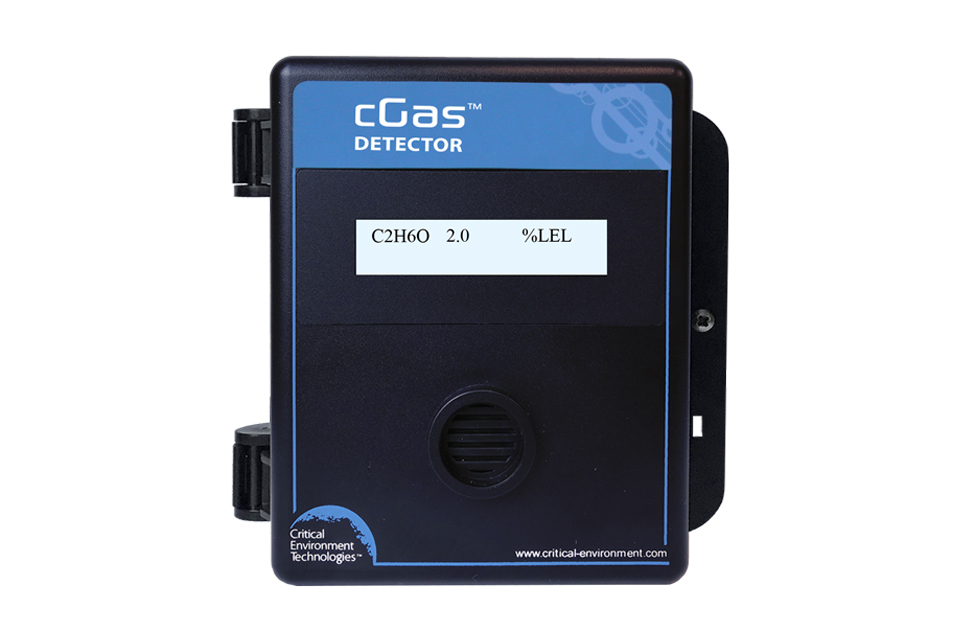
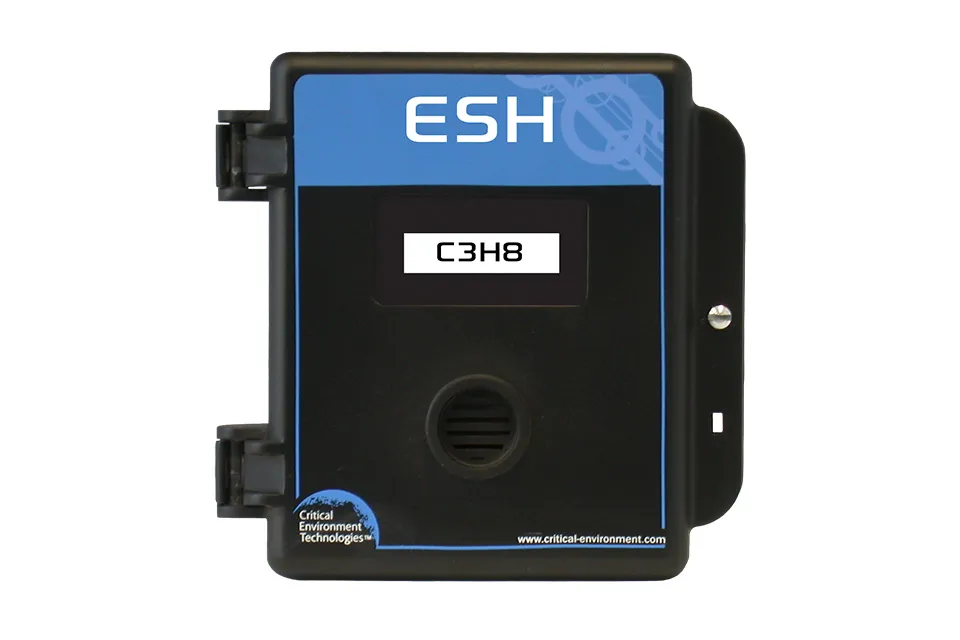
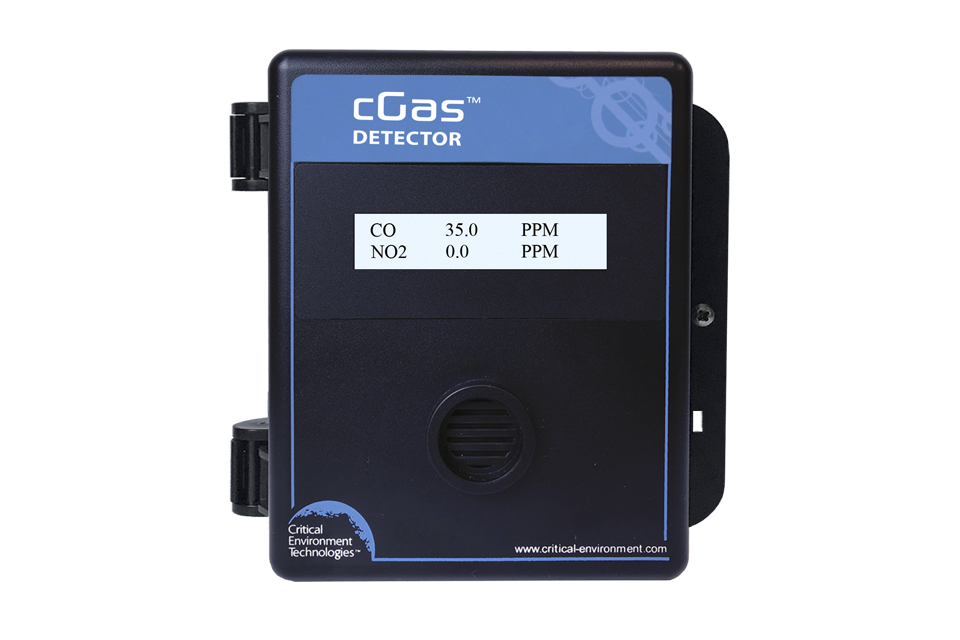
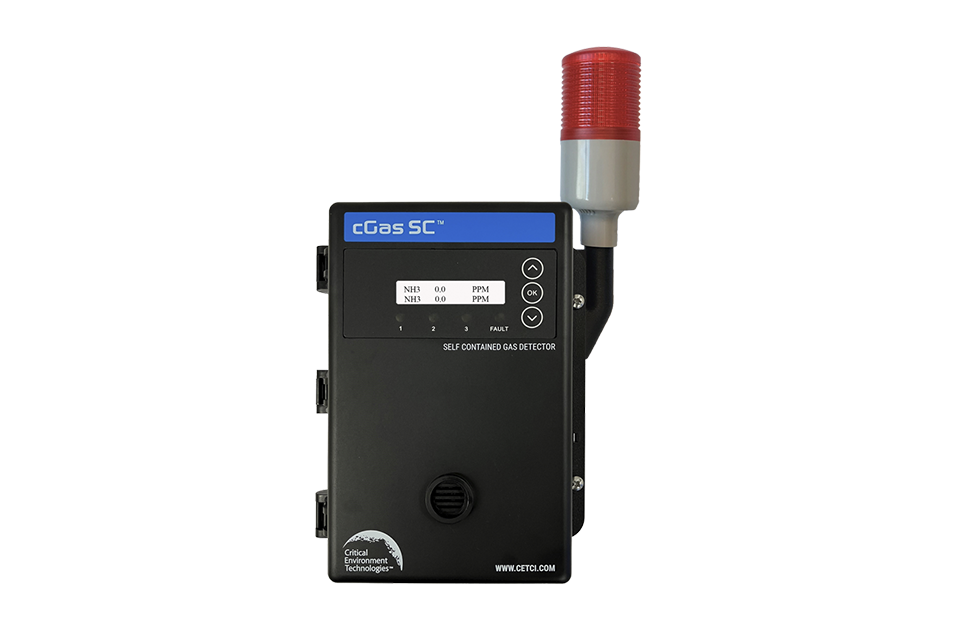
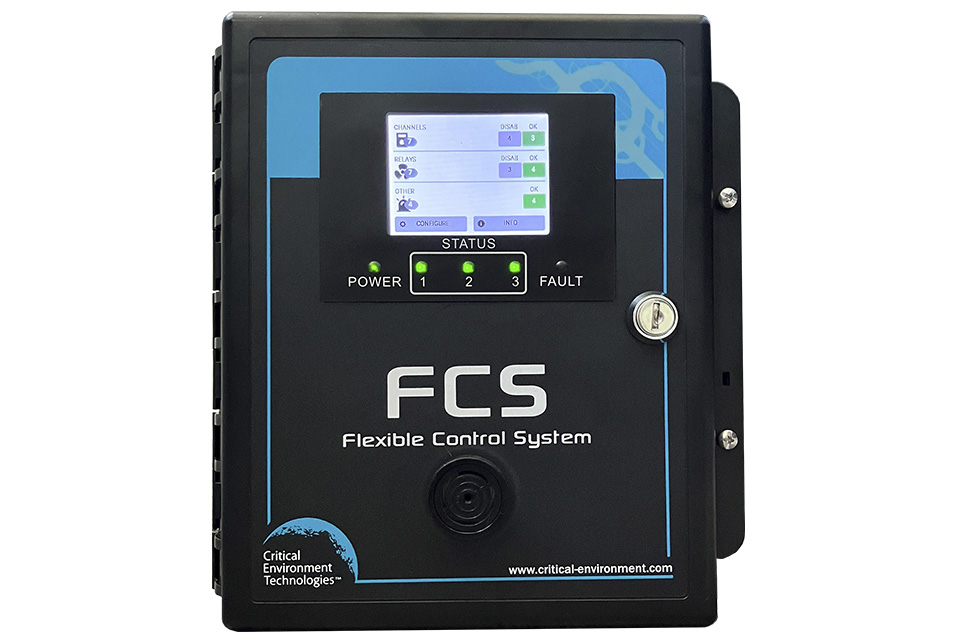
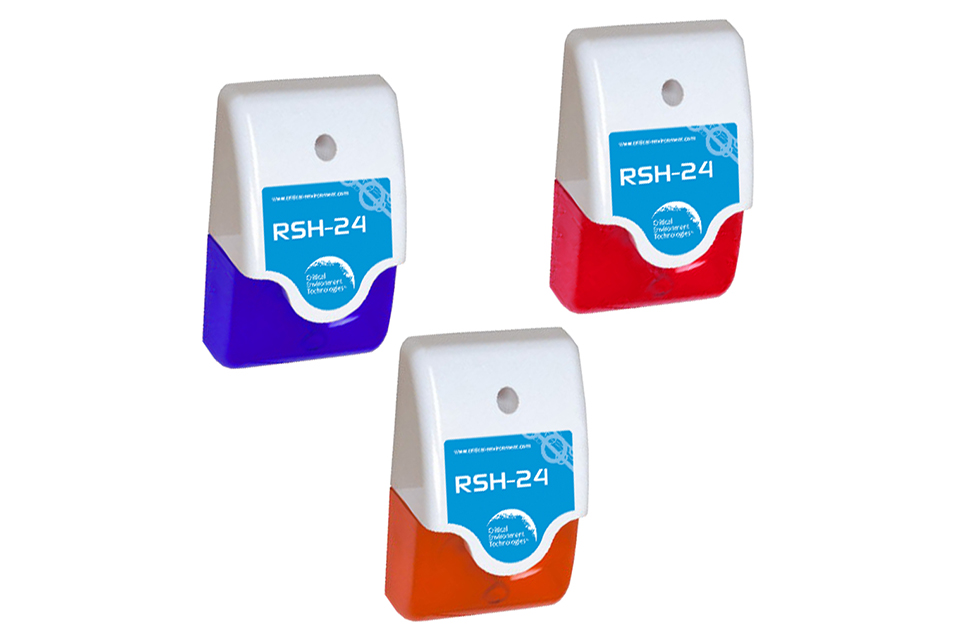
A complete car dealership gas detection system typically consists of CO and NO₂ gas detectors connected to a central controller. The controller monitors gas levels across showroom, service, and storage zones while managing ventilation fan operation—activating exhaust when gas concentrations require it and reducing ventilation during normal conditions for energy efficiency. For smaller dealerships, self-contained detector-controller units provide economical single-zone protection. Larger multi-building facilities benefit from networked architectures with digital communication between detectors and controllers, enabling centralized monitoring from the service manager office, advanced diagnostics, and integration with building automation systems. Alarm outputs can activate audible/visual notification devices, trigger ventilation systems, and interface with building management systems for coordinated response. Controllers with relay outputs provide direct equipment control, while BACnet or Modbus communication enables integration with existing HVAC infrastructure.
Key Considerations
Important factors for planning your system
Showroom areas require monitoring where vehicles are started for demonstrations or customer test preparations
Service departments need coverage in each bay where vehicles may idle during diagnostics
Integration with ventilation systems enables energy-efficient demand-controlled operation
Detectors should be mounted in the breathing zone (4-6 ft from floor) for accurate readings
Additional Information
For dealerships with both gasoline and diesel vehicles, dual CO/NO₂ sensors provide comprehensive coverage. Carbon monoxide is about the same density as air and will readily disperse throughout an area where there may be some air movement and activity persisting in the breathing zone (4–6 ft from the floor). Nitrogen dioxide gas is heavier than air, but often hot, as in exhaust fumes, it will rise. As the exhaust cools, the gas will dissipate and fall downwards, settling throughout the breathing zone. Environments that have vehicle repair pits should have a nitrogen dioxide gas detector mounted in the pit: the gas may pool into the area. Carbon monoxide and nitrogen dioxide sensors should always be mounted in the breathing zone. People occupy the breathing zone; therefore, this is the area that needs to be monitored for health and safety reasons.
Build Your Gas Detection Expertise
Explore upcoming webinars and personalized training from CET experts, covering gas detection technology, application guidance, installation, and commissioning.