Gas Detection for Hotels
Continuous monitoring of refrigerants, carbon monoxide, and natural gas across hotel facilities protects guests and staff in mechanical rooms, parking garages, kitchens, and guest room VRF HVAC systems.
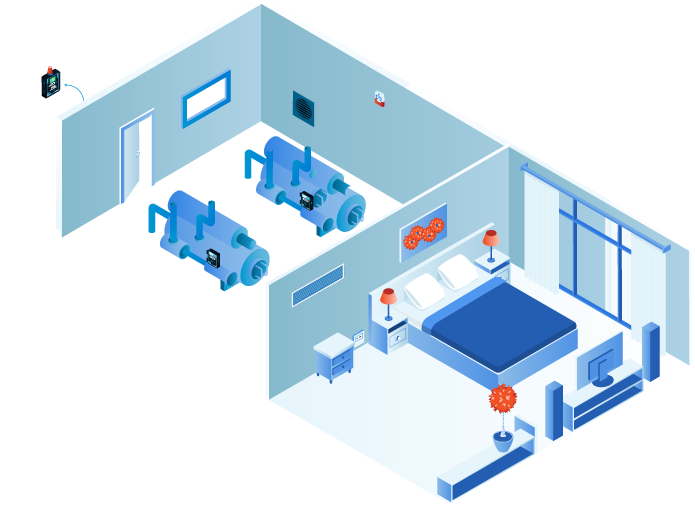
Typical Hotels System
Why Gas Detection is Required
Hotels require refrigerant gas detectors in several key areas where air conditioning and refrigeration equipment is installed and where leaks could pose a safety risk. Chiller rooms and central mechanical rooms are high risk locations because they contain large refrigerant charges that can displace oxygen if a leak occurs. HVAC equipment rooms and air handling unit spaces may also require detection, particularly when direct expansion coils or refrigerant piping are located in enclosed or poorly ventilated areas. Many hotels use high efficiency, high capacity heating and cooling systems to maintain guest comfort. Air conditioning units rely on refrigerant gas to operate, and leaks can occur due to wear and tear, improper operation, inadequate maintenance, or component failure. If refrigerant leaks into a guest room or occupied space, it can evaporate into a gas that is harmful when inhaled. In addition to health concerns, refrigerant leaks can damage equipment, reduce system efficiency, and result in costly repairs and refrigerant replacement for hotel owners. For hotels with underground parking, continuous monitoring of carbon monoxide (CO) and nitrogen dioxide (NO₂) from vehicle exhaust is essential. Gas detectors must be interconnected with the ventilation system to automatically remove hazardous emissions from idling and slow‑moving vehicles, ensuring the parking area remains safe for occupants. Hotels with on‑site restaurants should install gas detectors to monitor natural gas, propane, carbon monoxide (CO), and ozone, protecting staff from combustible gas leaks and ensuring proper ventilation of cooking and food‑preparation equipment. Walk in refrigerators and freezers in hotel kitchens and food service areas require refrigerant monitoring due to confined space conditions and the potential for staff exposure during normal operations. Additional locations include refrigeration machinery rooms, ice machine rooms, beverage storage areas, and cold storage spaces near loading or receiving areas, where multiple refrigeration systems may be concentrated. In beverage dispensing areas and carbon dioxide cylinder storage rooms, CO₂ detectors should be installed to monitor for gas leaks and protect staff from hazardous carbon dioxide accumulation which can displace oxygen, creating an oxygen depletion environment and potential asphyxiation. In all of these areas, gas detectors provide early leak detection, activate alarms and ventilation systems, and help protect staff, maintenance personnel, and occupants from all gas related hazards.
System Architecture
A complete hotel gas detection system typically includes carbon monoxide (CO) and nitrogen dioxide (NO₂) sensors in underground parking and loading areas, combustible gas detectors in commercial kitchens, and refrigerant monitors in chiller rooms, HVAC equipment areas, and cold storage spaces. All sensors are integrated with the building management system to provide centralized monitoring and automatic ventilation control when hazardous conditions are detected. For smaller boutique hotels, self-contained detector-controller units in each risk area provide economical protection. Larger full-service properties benefit from networked architectures with sensors throughout back-of-house areas, enabling coordinated response and integration with property management systems for maintenance alerting. Alarm outputs interface with building automation for ventilation control, connect to fire alarm systems for emergency notification, and can trigger automatic gas shutoff in kitchen and mechanical areas. Integration with hotel engineering systems enables remote monitoring and maintenance scheduling.
Key Considerations
Important factors for planning your system
Life safety system for continuous monitoring of refrigerants in hotel rooms where high efficiency, high volume refrigerant cooling and heating systems are used to keep the indoor environment comfortable
Ideal for use with Vertical Terminal Air Conditioner (VTAC) applications to meet code requirements
Infrared refrigerant gas detector in the chiller room, mounted 10-18 in / 25-45 cm off the floor, one detector per chiller
Both toxic and combustible gas hazards should be monitored in the kitchen to ensure a safe working environment, for health and safety and protection of property
Underground parking areas should have CO and NO2 gas detectors to monitor hazardous gas levels and activate fans to purge the vehicle exhaust buildup
Additional Information
CET gas detection systems are fully set up, programmed, calibrated and tested prior to being shipped from the factory. The gas detection system is ready to install and operate upon arrival, after a brief warm-up.
Build Your Gas Detection Expertise
Explore upcoming webinars and personalized training from CET experts, covering gas detection technology, application guidance, installation, and commissioning.
Related Products
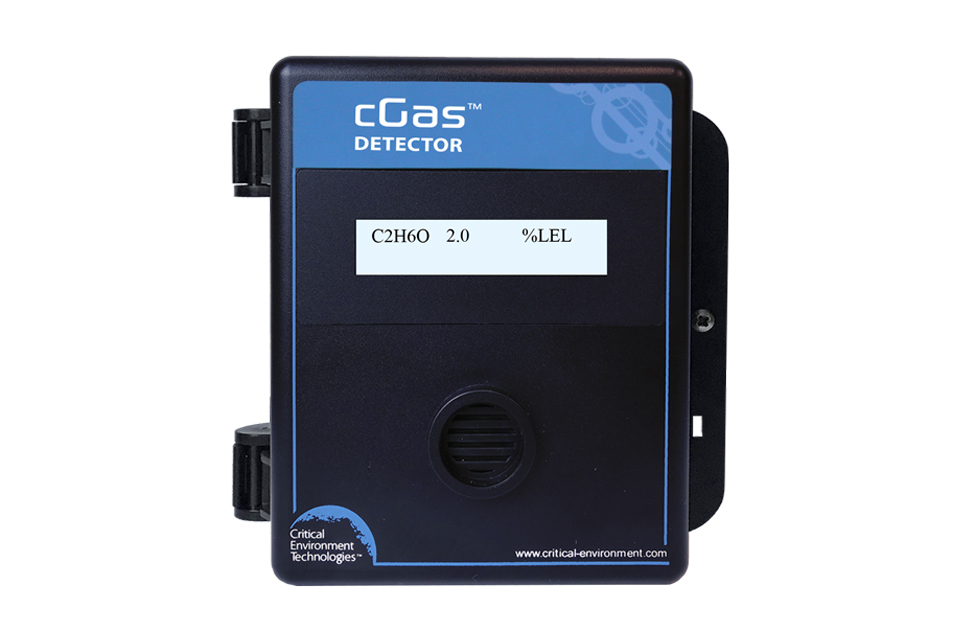
cGas Detector Analog Transmitter
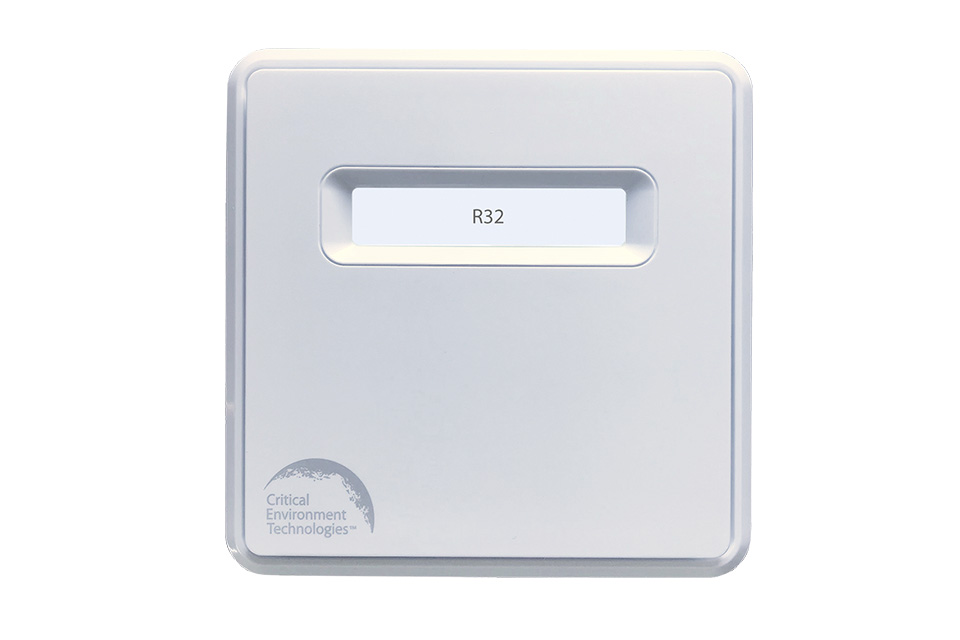
cGas Detector VRF IR Refrigerant Transmitter
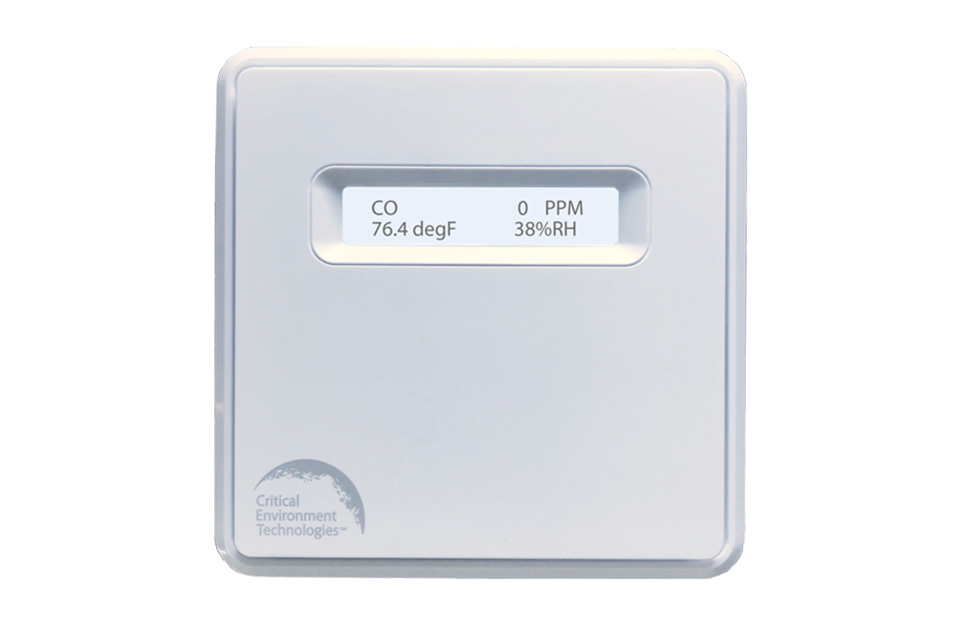
cGas Detector for Indoor Public Spaces
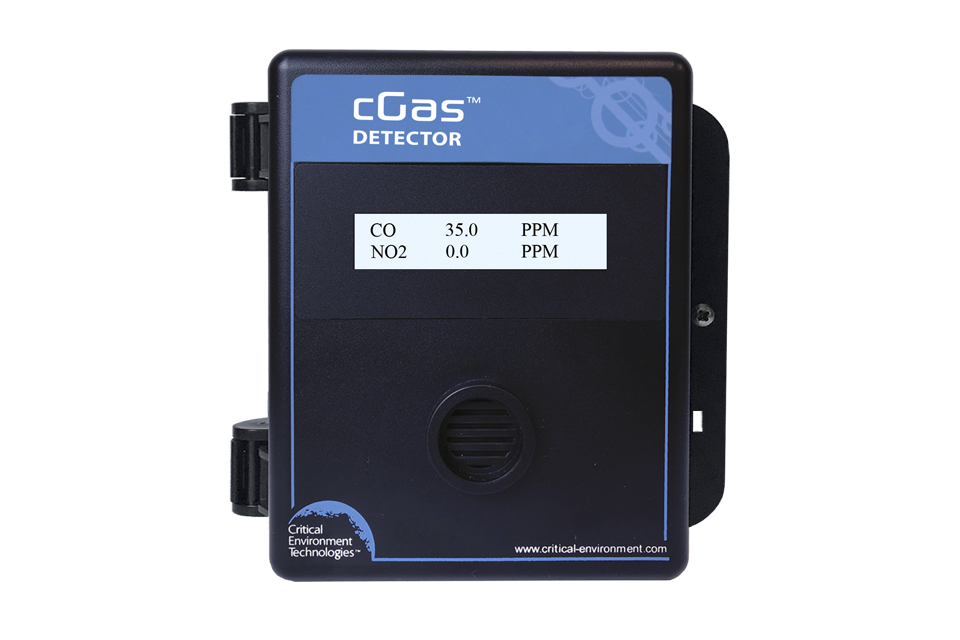
cGas Detector Digital Transmitter
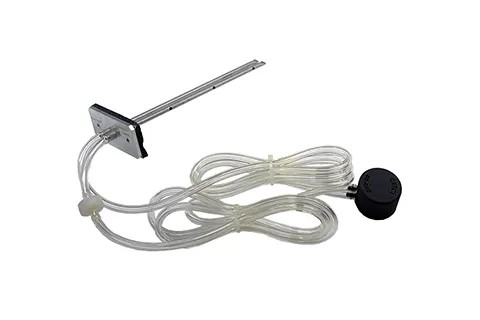
Duct Sampling Kit
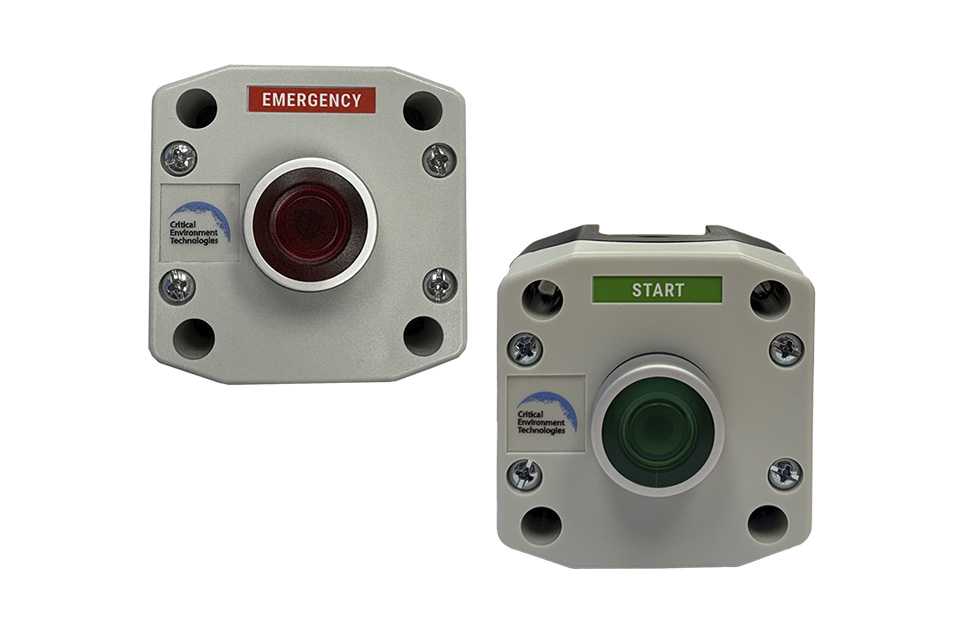
RSW Remote Switch
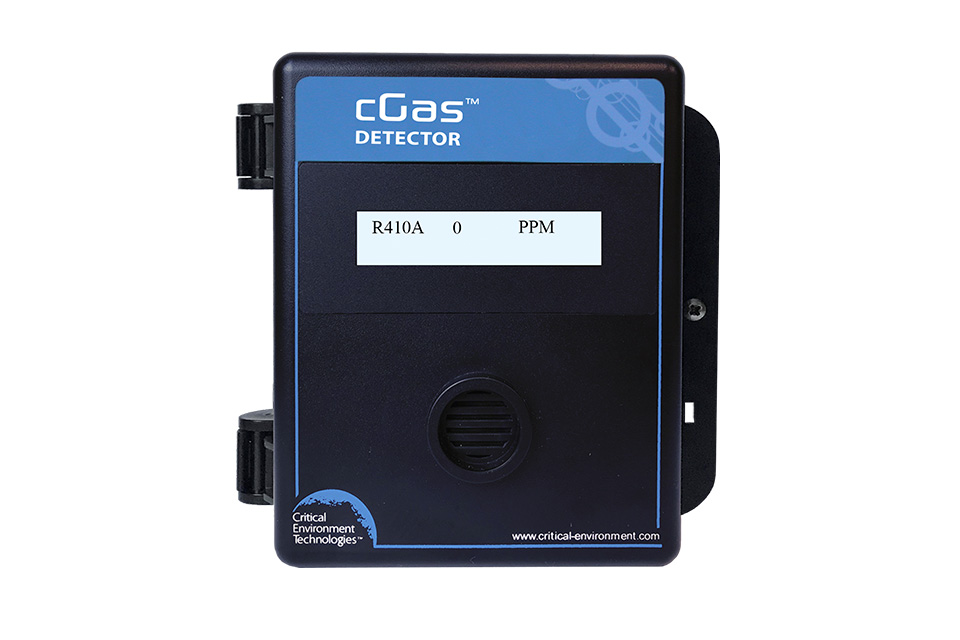
cGas Detector IR Refrigerant Transmitter
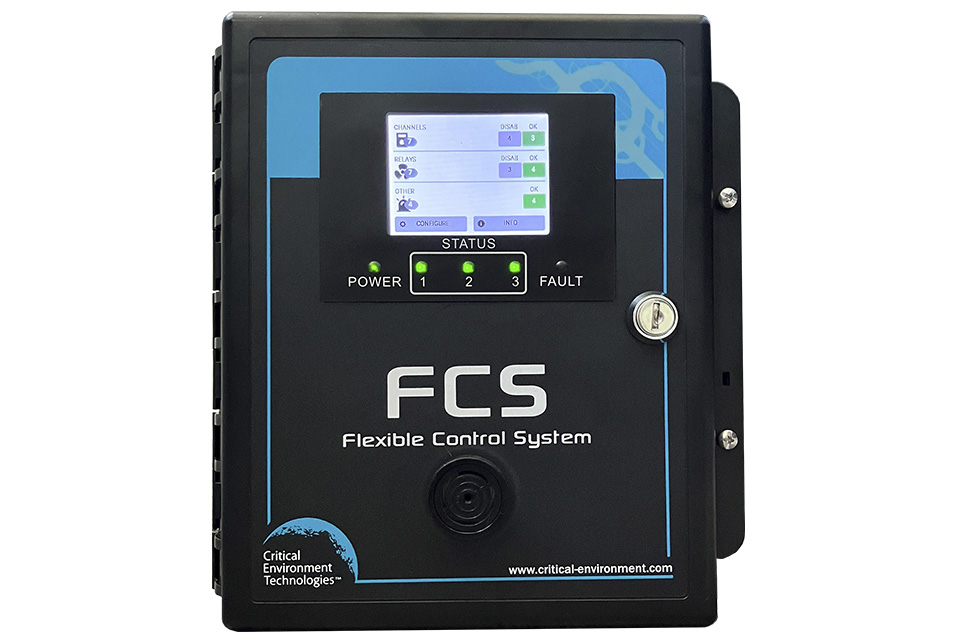
FCS Multi Channel System Controllers