
Natural Gas Leak Detectors
CH₄+Natural gas is a highly flammable fossil fuel mixture composed primarily of methane (70-90%) along with varying amounts of ethane, propane, butane and trace gases including hydrogen sulfide and carbon dioxide. It is widely used in industrial facilities to power appliances, heating systems, and process equipment. Because it has no natural scent, mercaptan odorant is added creating the familiar “rotten egg” smell that helps people recognize a leak. The lower explosive limit (LEL) of natural gas is approximately 5% by volume. Leak detection is critical throughout the natural gas infrastructure from production to end-use, protecting against explosion hazards and methane emissions. Unlike residential devices commercial natural gas detection systems are designed for larger spaces, for higher flow rates and for continuous operation. System integrations are common with building automation platforms and safety shutoffs. Codes such as NFPA 54 (National Fuel Gas Code) drive detection, ventilation, and shutoff requirements for commercial kitchen gas appliances, boiler rooms, and natural gas vehicle (NGV) fueling stations, where leak detection is a critical life safety measure.
Need Natural Gas Detection?
Get expert guidance on the right detection solution for your application.
Key Information
Essential safety and exposure information for Natural Gas
Health Effects
- Highly flammable and forms explosive mixtures with air at concentrations between approximately 5% - 15% by volume
- Not toxic, it poses an asphyxiant risk by pushing oxygen out of the air when it accumulates in enclosed spaces
- Signs of exposure include, dizziness, headache, rapid breathing, confusion and loss of consciousness and death
Common Sources
- Natural gas systems and appliances
- Heating systems
- Power generation
- Cooking appliances
- Industrial processes
Exposure Limits
- OSHA
- None, simple asphyxiant
- NIOSH
- None, simple asphyxiant
- ACGIH
- None, simple asphyxiant/explosion hazard
Regulatory Status
- Natural gas, made up mostly of methane, is regulated primarily for fire, explosion and oxygen‑displacement hazards, not toxicity. OSHA sets no TWA, STEL, or PEL for natural gas because methane is a simple asphyxiant; safety compliance focuses on keeping oxygen above 19.5% and monitoring gas levels by % of the Lower Explosive Limit (LEL). For transportation, the DOT/PHMSA regulates natural gas as a flammable gas (Class 2.1), including UN 1971 (compressed natural gas) and UN 1972 (liquefied natural gas), with rules for containers, labeling, training, and pipelines. The EPA regulates natural gas under the Clean Air Act, targeting methane emissions from oil and gas operations due to climate and air‑quality impacts. In buildings, ASHRAE does not set exposure limits, but addresses natural gas through ventilation and IAQ standards (62.1/62.2); in practice, safety relies on ventilation, shutoff controls, and LEL‑based gas detection in boiler rooms and mechanical spaces.
Detection Requirements
- Sensor Technology
- Catalytic Bead, Infrared (NDIR)
- Sensor Detection Range
- 0-100% LEL
- Alarm Setpoints
- Low 10% LEL, Mid 15% LEL, High 20% LEL
- Mounting Height
- On or near the ceiling
Build Your Gas Detection Expertise
Explore upcoming webinars and personalized training from CET experts, covering gas detection technology, application guidance, installation, and commissioning.
Related Applications
Industries and environments where Natural Gas detection is critical
Hotels
Continuous monitoring of refrigerant gases in hotel rooms are used to keep the indoor environment comfortable.
Parking Garages
A gas detection system within enclosed parking facilities will ensure safe, breathable air and minimize operating costs.
Laboratories
Continuous monitoring protects laboratory personnel from combustible gases, oxygen displacement, and hazardous toxic gas exposure in laboratory settings and research facilities.
Commercial Kitchens
Toxic and combustible gas hazards should be monitored in commercial kitchens to ensure a safe working environment.
Warehouses
Monitoring levels of CO & NO₂ is necessary to ensure the health and safety of warehouse employees.
Boiler Rooms
Continuous monitoring of natural gas, CO, and CO2 in schools & boiler rooms ensures the safety of students and faculty.
Schools
Continuous monitoring of carbon monoxide, carbon dioxide, natural gas, and nitrogen dioxide protects students and staff across school facilities - from boiler rooms and science labs to bus loading areas and cafeteria kitchens.
Greenhouses
Gas detection and monitoring of Carbon monoxide and combustible gases in greenhouse production facilities ensures the safety of employees and visitors.
Detection Solutions
Sensors and detectors for Natural Gas monitoring
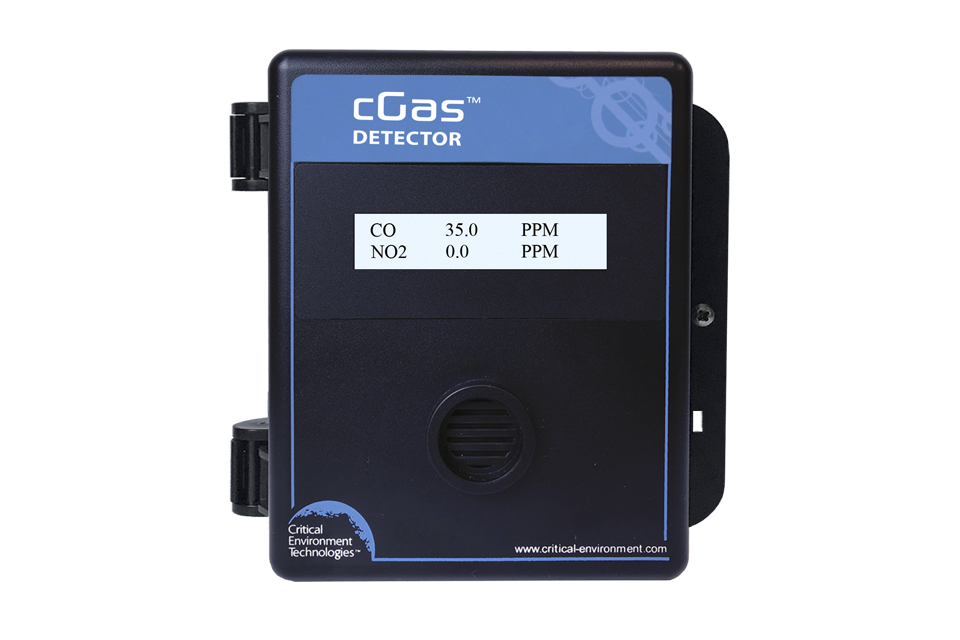
cGas Detector Digital Transmitter
One or two channel Modbus® or BACnet® gas detector with flexible customization options and Plug & Play Smart Sensor Technology.
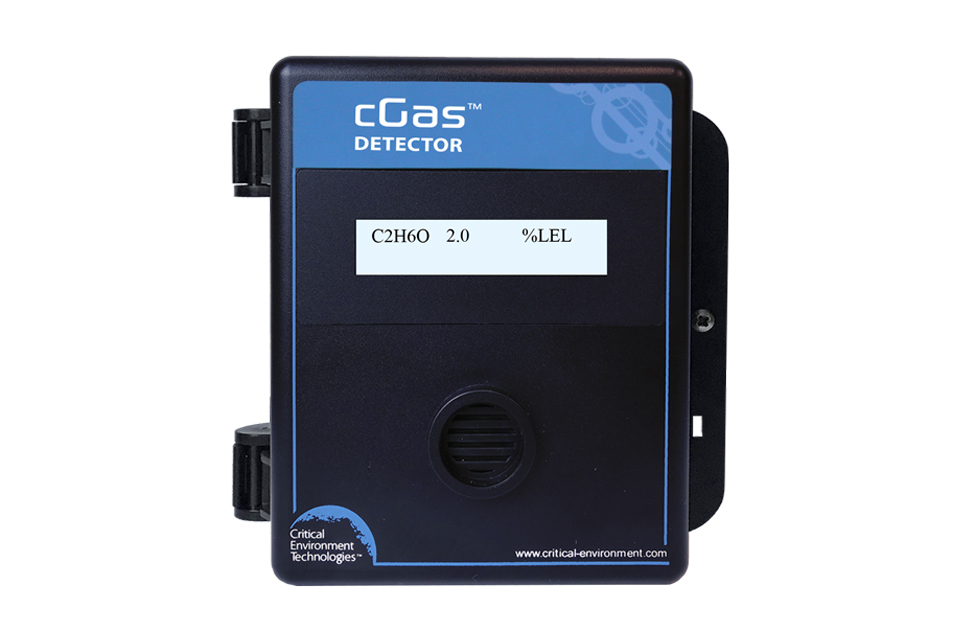
cGas Detector Analog Transmitter
Single channel, analog gas detector with Plug & Play Smart Sensor Technology.

ESH-A Remote Sensor
Single analog remote sensor for flexible location monitoring.
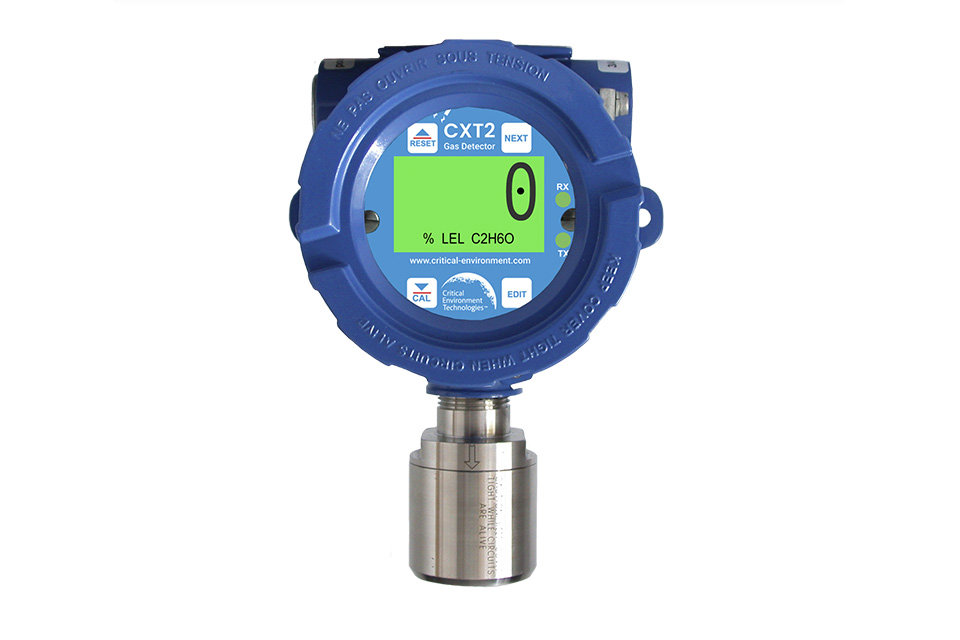
CXT2 Explosion Proof Transmitter
Reliable, accurate monitoring of toxic or combustible gases in potentially explosive and harsh environments, including hazardous-rated areas.
Related Gases
Other Combustible Gases we detect