Gas Detection for Laboratories
Continuous monitoring of oxygen levels, toxic and combustible gases relevant to specific research and testing activities is essential for maintaining safe air quality and minimizing hazardous exposure and risk of explosion in research laboratories and clinical environments.
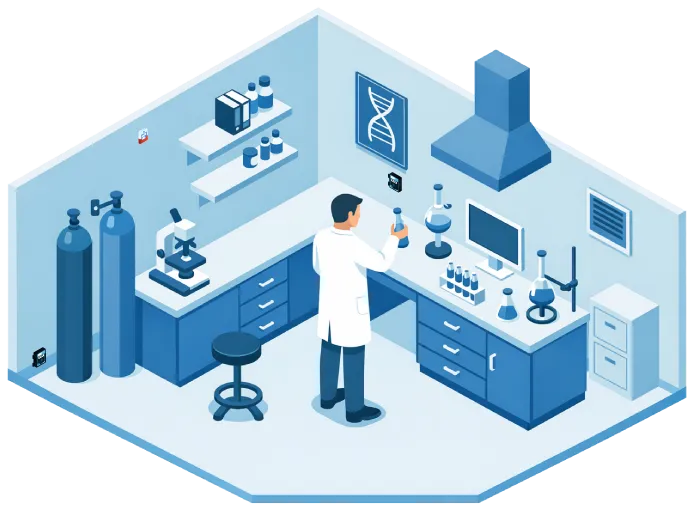
Typical Laboratories System
Target Gases
Gases monitored in this application
Why Gas Detection is Required
Laboratories or clinical research facilities must use gas detection systems whenever hazardous, toxic, flammable, or asphyxiant gases may be present due to experimental processes, stored cylinders, or specialized equipment. Laboratory gas detector requirements vary based on the gases involved, the equipment in use, and the specific laboratory activities - research, clinical, teaching, veterinary, etc. Sensors should be installed near potential leak points and integrated with both alarm and ventilation systems. These systems typically provide audible and visual alerts and may automatically activate ventilation or shut down equipment if gas concentrations rise. Because laboratory operations change frequently, modular detection systems—allowing sensors to be swapped for different gases—are commonly used. Toxic gases such as chlorine (Cl₂), hydrogen sulfide (H₂S), hydrogen chloride, ammonia (NH₃), and carbon monoxide (CO) must be monitored because they can be dangerous even at low concentrations. Combustible gases like methane (CH₄), hydrogen (H₂), propane, and various solvent or gasoline vapors require monitoring in areas where flammable atmospheres could occur. Asphyxiant gases, including nitrogen (N₂), argon (Ar), helium (He), and high concentrations of CO₂, must be monitored wherever oxygen displacement is possible. Laboratories performing fuel powered engine work or fuel cell research require both combustible gas and CO detection. Any area storing high pressure cylinders must have detection appropriate to the cylinder contents—whether toxic, flammable, or asphyxiant. Material testing chambers, emissions systems, and atmosphere simulation equipment often necessitate toxic gas monitoring. Likewise, oxygen depletion monitoring is required wherever cryogenic systems such as LN₂ dewars, cryogenic freezers, or CO₂ chambers are used.
System Architecture
A complete laboratory gas‑detection system typically consists of oxygen‑depletion monitors, toxic‑gas sensors, and combustible‑gas detectors strategically positioned near cryogenic storage, gas‑cylinder areas, and active research workspaces. These sensors connect to a centralized controller that manages fume hoods, ventilation, provides zone‑specific alarms, and responds automatically when gas levels rise in any monitored area. Laboratories conducting chemical synthesis, working with compressed‑gas cylinders, or operating experimental equipment face increased risk because gases may be released during handling, storage, or reaction processes, and cryogenic systems can displace oxygen rapidly. Facilities using fuel‑powered apparatus, combustion equipment, or fuel‑cell test stations require additional monitoring due to the potential for both flammable‑gas leaks and CO generation. For small laboratories, self-contained detector-controller units provide economical protection for specific hazards. Large facilities benefit from networked architectures with sensors in each area reporting to a central controller, enabling coordinated ventilation response and verification that exhaust extraction systems are functioning properly. Alarm outputs interface with building automation, fume hoods, emergency exhaust systems, and central monitoring stations. Laboratory-specific protocols ensure appropriate response without disrupting sensitive experiments unnecessarily.
Key Considerations
Important factors for planning your system
Multiple types of gas detectors are needed to ensure safety of personnel and property
Integration with fume hood monitors for comprehensive air quality management
Networked systems enable centralized safety monitoring across multiple areas of the lab
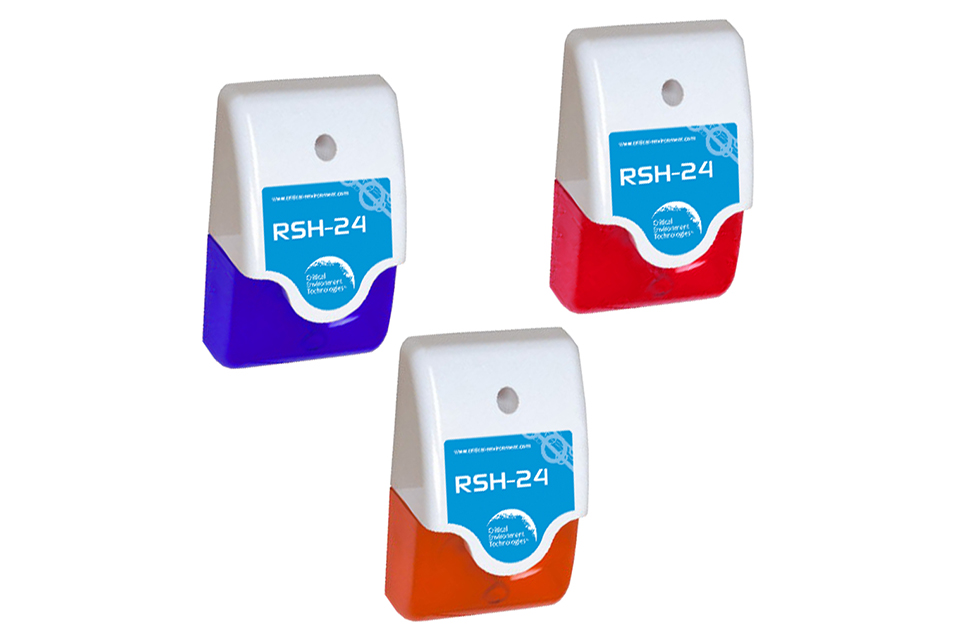
Audible / visual devices should be mounted in centralized locations where they are easily seen and heard
Additional Information
Laboratory environments require sensors that won't interfere with sensitive instrumentation or research activities. CET detection systems are designed for low-maintenance operation with minimal false alarms, allowing researchers to focus on their work while maintaining continuous safety monitoring.
Build Your Gas Detection Expertise
Explore upcoming webinars and personalized training from CET experts, covering gas detection technology, application guidance, installation, and commissioning.
Related Products
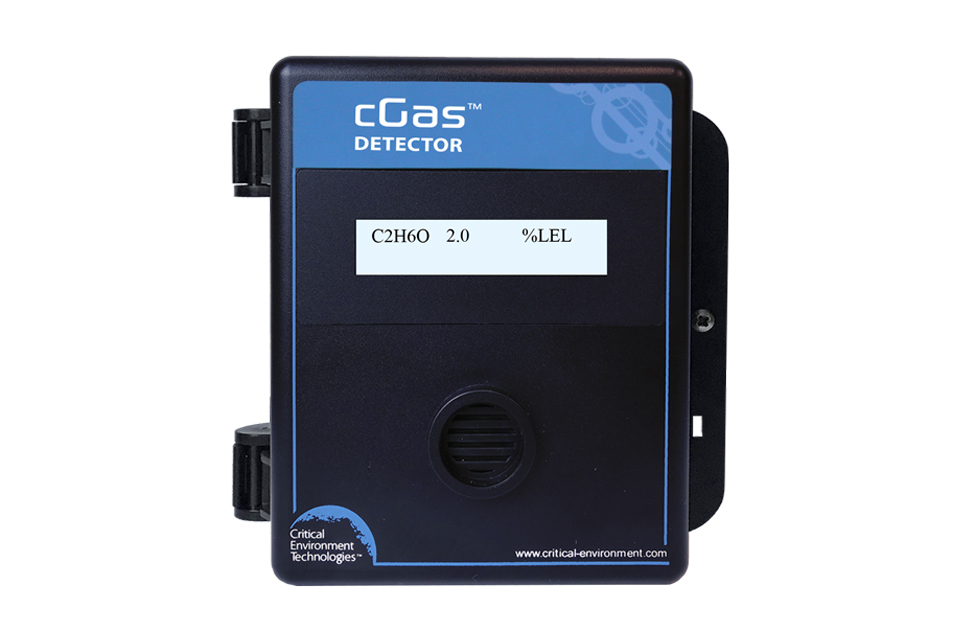
cGas Detector Analog Transmitter
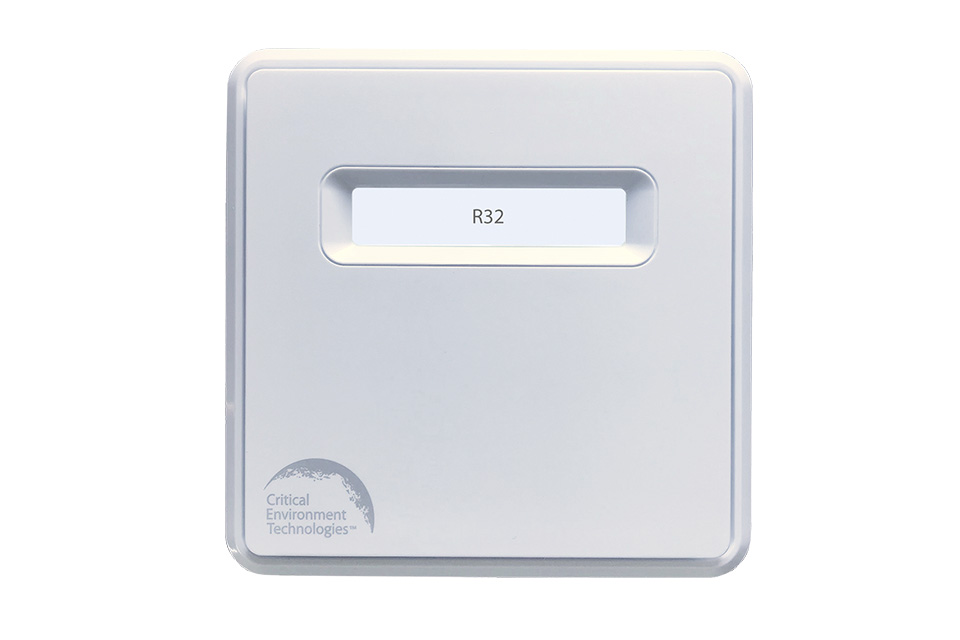
cGas Detector VRF IR Refrigerant Transmitter
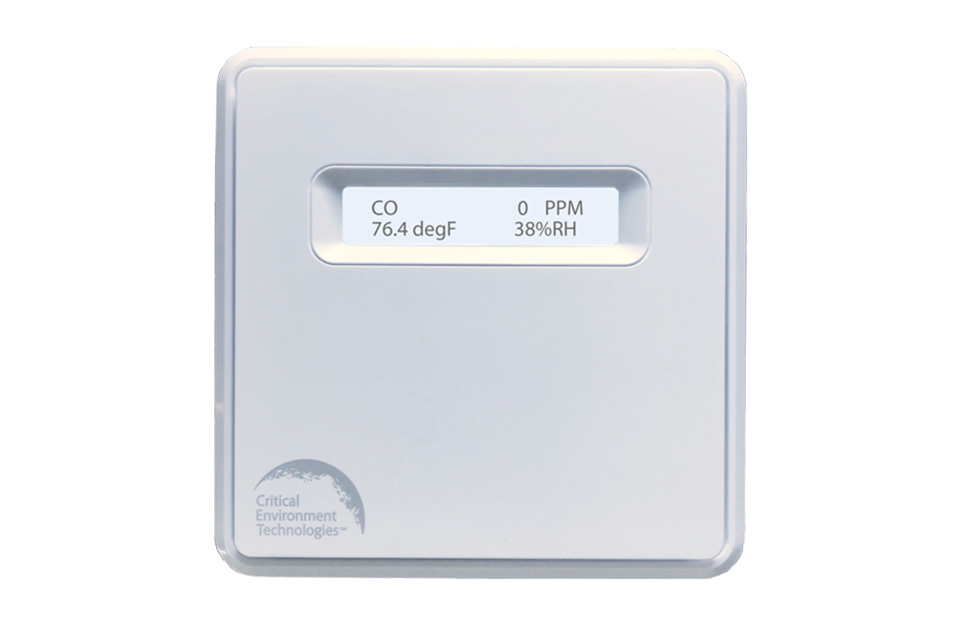
cGas Detector for Indoor Public Spaces
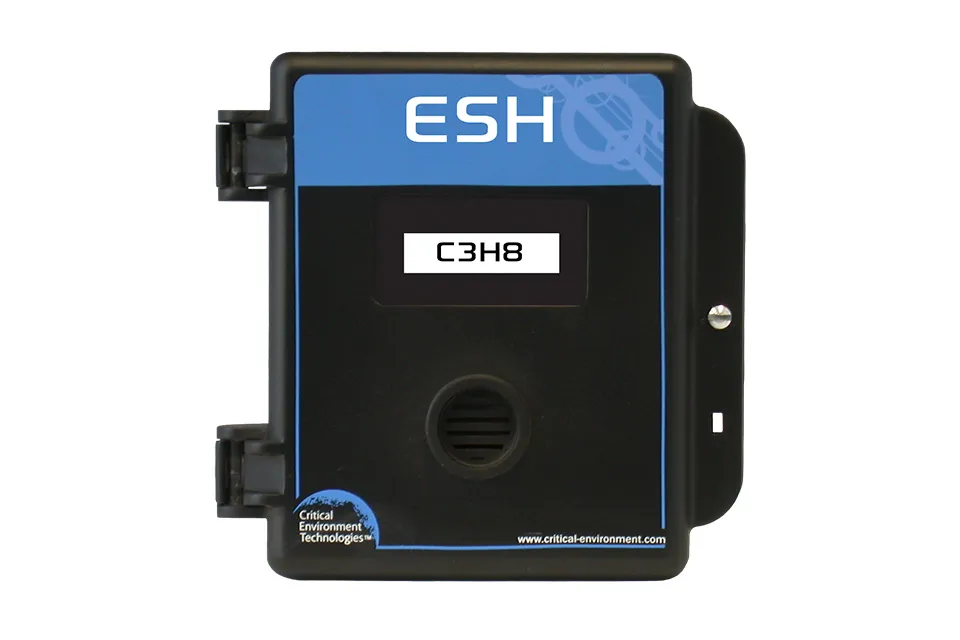
ESH-A Remote Sensor
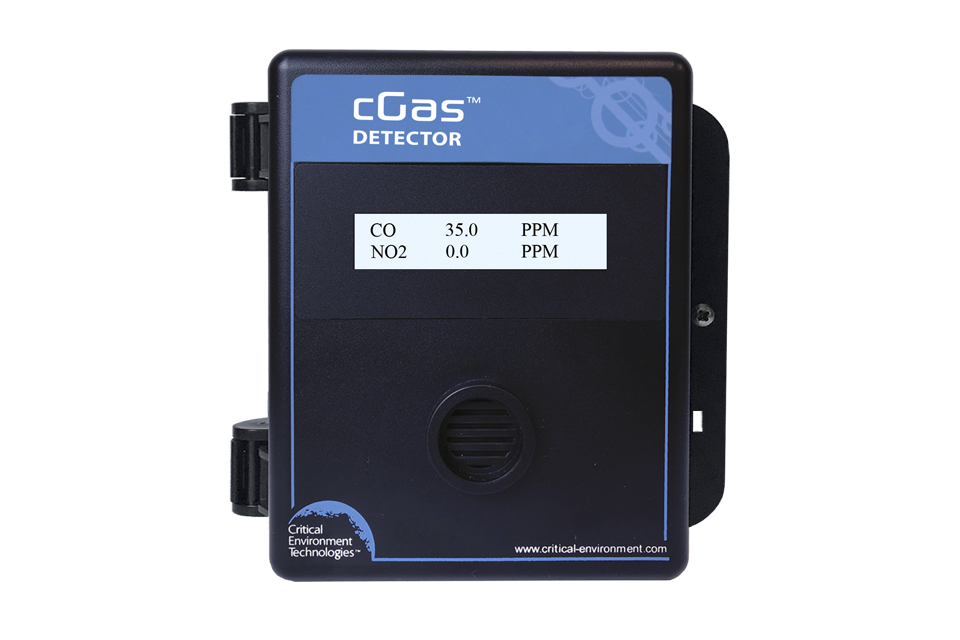
cGas Detector Digital Transmitter
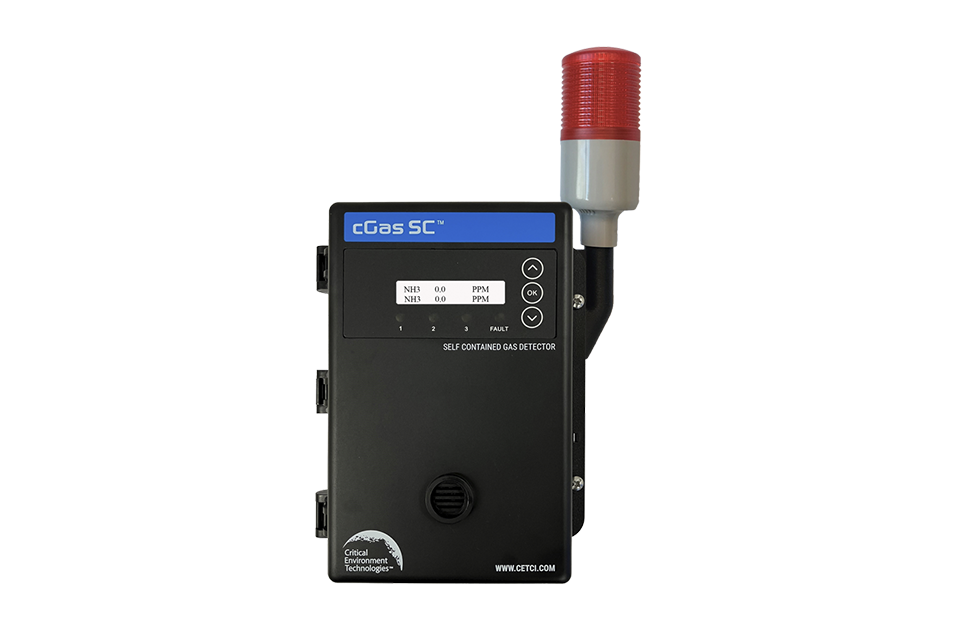
cGas-SC Self-Contained Controller
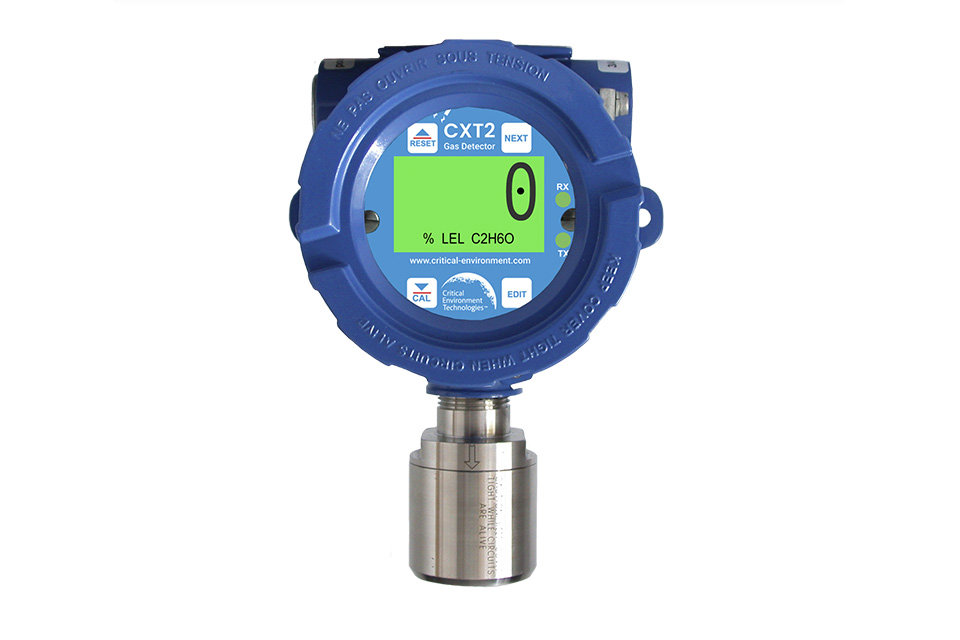
CXT2 Explosion Proof Transmitter
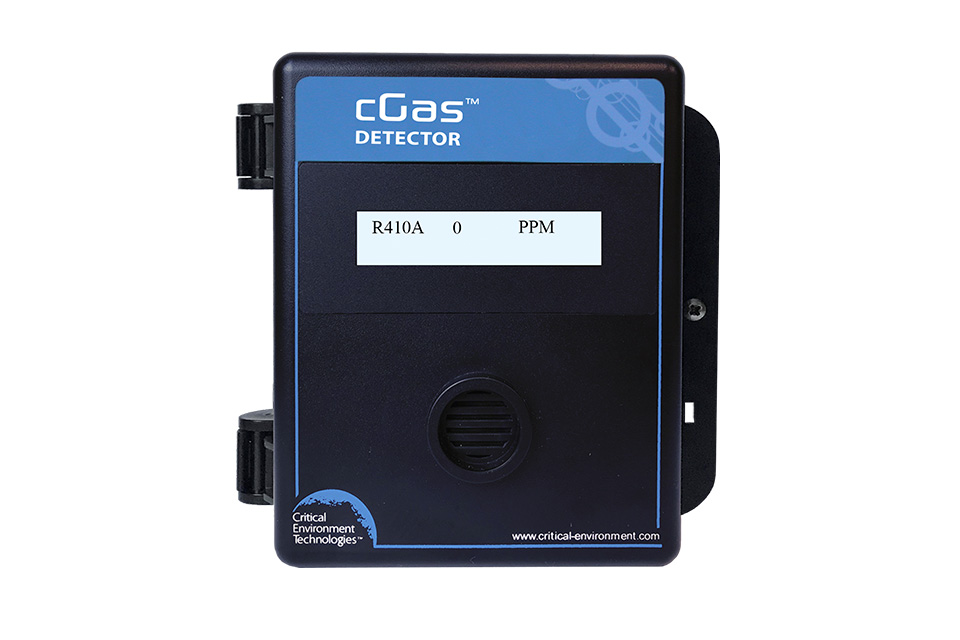
cGas Detector IR Refrigerant Transmitter
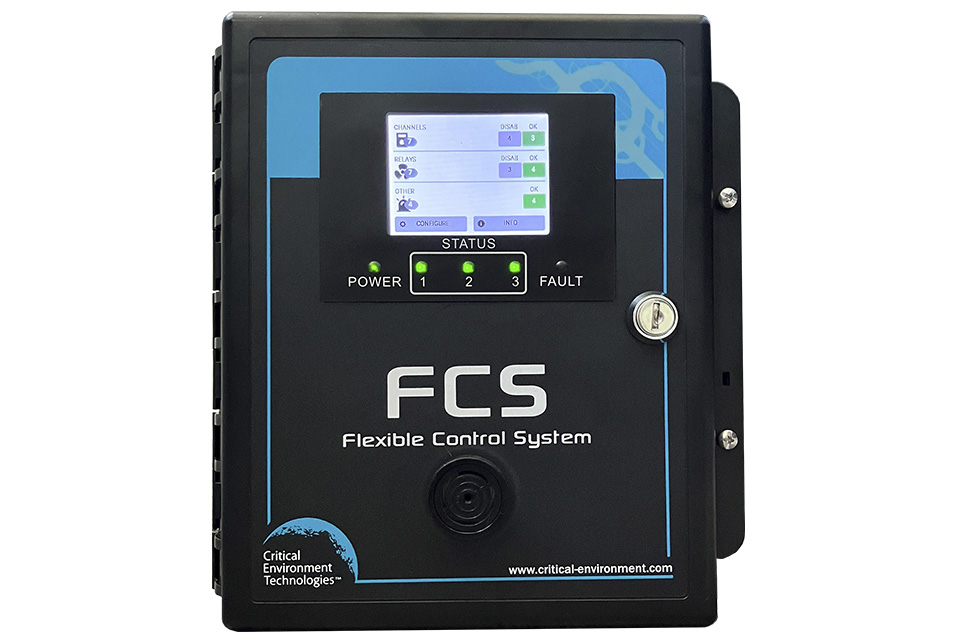
FCS Multi Channel System Controllers