
Hydrogen Sulfide Gas Detectors
H₂SHydrogen sulfide (H₂S)—commonly referred to as sewer gas—is a colorless, highly toxic, and extremely flammable gas recognized by its “rotten egg” smell at low concentrations, though this odor is unreliable because exposure rapidly causes olfactory fatigue, making the gas undetectable without instrumentation. It forms naturally during the microbial breakdown of organic matter and is routinely present in wastewater treatment plants, pump stations, oil and gas refining, mining, agriculture, pulp and paper mills, and sewer infrastructure, creating high‑risk environments for workers. Because H₂S is heavier than air, it settles into low‑lying, confined spaces—including sewers, tanks, manholes, digesters, pits, and processing vessels—where even brief exposure can cause rapid unconsciousness, respiratory paralysis, and death. Its toxicity is severe at low levels, and its flammability range of 4.3%–46% introduces additional explosion hazards. These characteristics make continuous hydrogen sulfide monitoring essential, especially since H₂S is a leading cause of workplace inhalation fatalities in the U.S. Health effects range from eye and respiratory irritation at low levels to rapid unconsciousness, respiratory paralysis, and death at higher concentrations. In addition, H₂S is highly flammable, forming explosive mixtures with air between 4.3% and 46%, adding fire and explosion risks. Because H₂S is toxic, flammable, and capable of accumulating silently in confined or enclosed spaces, fixed and portable gas detection systems are essential for early warning, worker protection, and regulatory compliance across all industries where H₂S is present.
Need Hydrogen Sulfide Detection?
Get expert guidance on the right detection solution for your application.
Key Information
Essential safety and exposure information for Hydrogen Sulfide
Health Effects
- Eye and respiratory irritation, headache, dizziness, nausea
- High concentrations cause rapid unconsciousness and death
- Highly flammable and forms explosive mixtures with air at concentrations between approximately 4.3%–46%
Common Sources
- Wastewater treatment
- Waste and recycling
- Sewer systems
- Oil and gas operations
- Mining
- Pulp and paper mills
- Natural decay of organic matter
Exposure Limits
- OSHA PEL
- 20 ppm
- NIOSH REL
- 10 ppm (C 15)
- AACGIH TLV
- 1 ppm TWA, 5 ppm STEL
- IDLH
- 100 ppm
Regulatory Status
- Hydrogen sulfide (H₂S) is tightly regulated because it is a high toxicity, flammable, and fast acting industrial hazard. OSHA sets enforceable exposure limits in 29 CFR 1910.1000, including a 20 ppm ceiling and a 50 ppm peak for up to 10 minutes, and requires atmospheric testing under 29 CFR 1910.146 (Permit Required Confined Spaces) as well as additional controls through 1910.119 (PSM) and 1910.94 (Ventilation), all of which depend on continuous or pre entry gas monitoring. NIOSH recommends stricter limits with a REL of 10 ppm (ceiling) and an IDLH of 100 ppm and supports air sampling verification through NIOSH Method 6013. ACGIH offers even tighter guidance with a TLV TWA of 1 ppm and STEL of 5 ppm, widely used as alarm setpoint benchmarks. The EPA classifies H₂S as an Extremely Hazardous Substance (EHS) under EPCRA (40 CFR 355) and regulates it under the Clean Air Act Risk Management Program (40 CFR 68), requiring hazard analysis and emergency planning for facilities handling H₂S. ASHRAE Standards 15 and 34 treats H₂S as a high toxicity gas necessitating engineered gas detection, ventilation, and safety safeguards wherever it may be present in mechanical or occupied spaces.
Detection Requirements
- Sensor Technology
- Electrochemical
- Sensor Detection Range
- 0-50 ppm
- Alarm Setpoints
- Low 10 ppm, Mid 15 ppm, High 20 ppm
- Mounting Height
- 6-8 in / 15-20 cm from the floor
Build Your Gas Detection Expertise
Explore upcoming webinars and personalized training from CET experts, covering gas detection technology, application guidance, installation, and commissioning.
Related Applications
Industries and environments where Hydrogen Sulfide detection is critical
Wastewater Treatment
Hydrogen sulfide, methane, and oxygen monitoring for pump stations, digesters, and enclosed treatment areas
Laboratories
Continuous monitoring protects laboratory personnel from combustible gases, oxygen displacement, and hazardous toxic gas exposure in laboratory settings and research facilities.
Waste & Recycling
Methane, hydrogen sulfide, and combustible gas monitoring for material recovery facilities and waste processing plants
Detection Solutions
Sensors and detectors for Hydrogen Sulfide monitoring
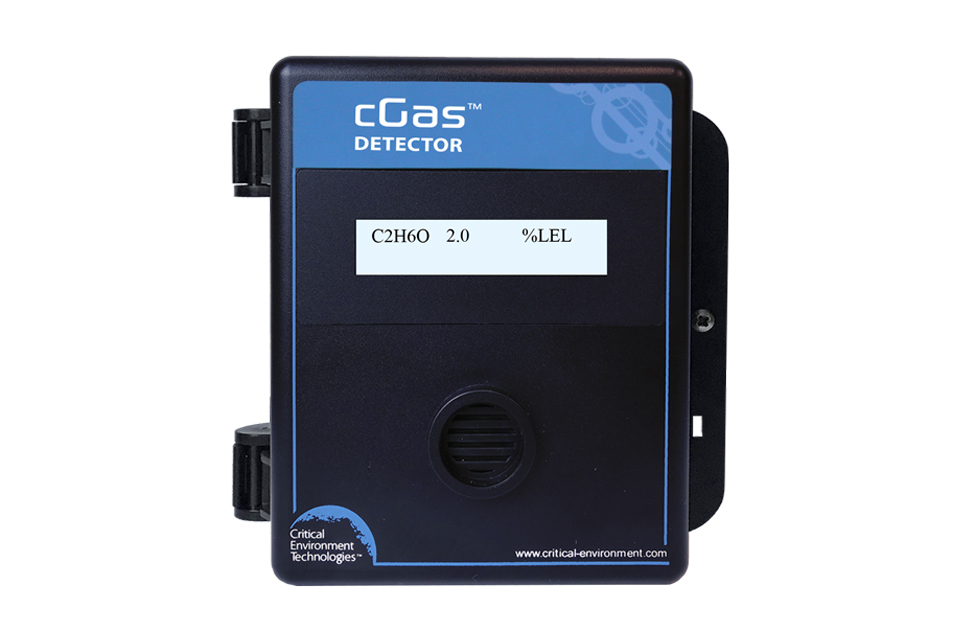
cGas Detector Analog Transmitter
Single channel, analog gas detector with Plug & Play Smart Sensor Technology.
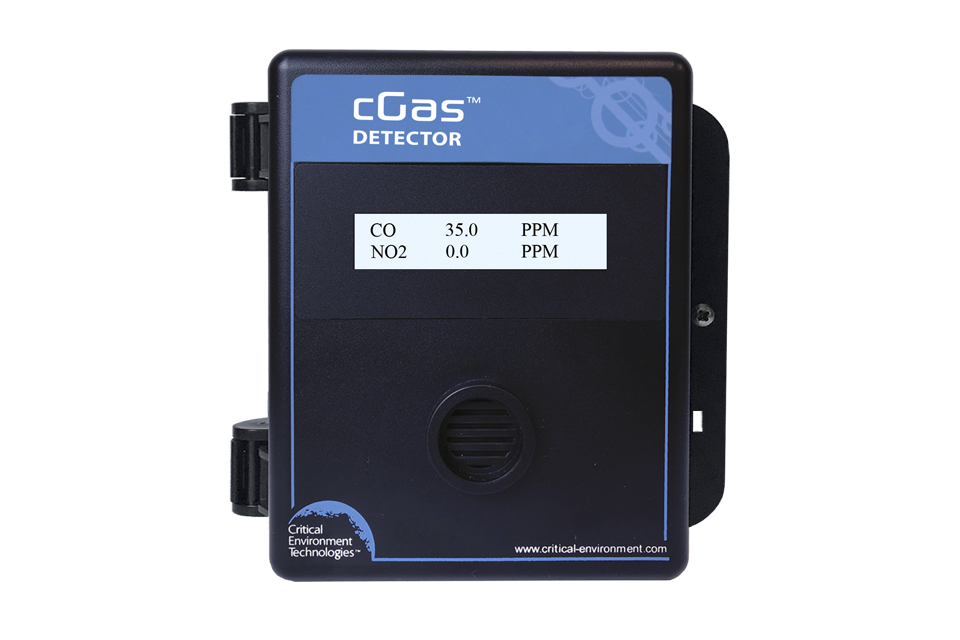
cGas Detector Digital Transmitter
One or two channel Modbus® or BACnet® gas detector with flexible customization options and Plug & Play Smart Sensor Technology.
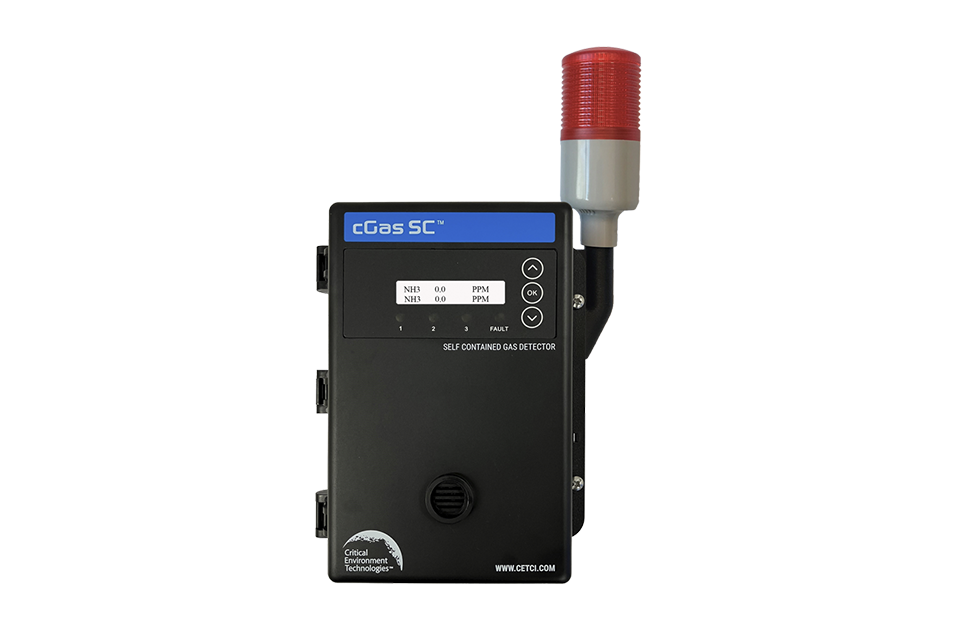
cGas-SC Self-Contained Controller
A self contained controller with up to 3 gas channels, Plug & Play Smart Sensor Technology and configurable logic control and priority settings. Offers superior user customization and reliable gas detection performance for monitoring many gases.
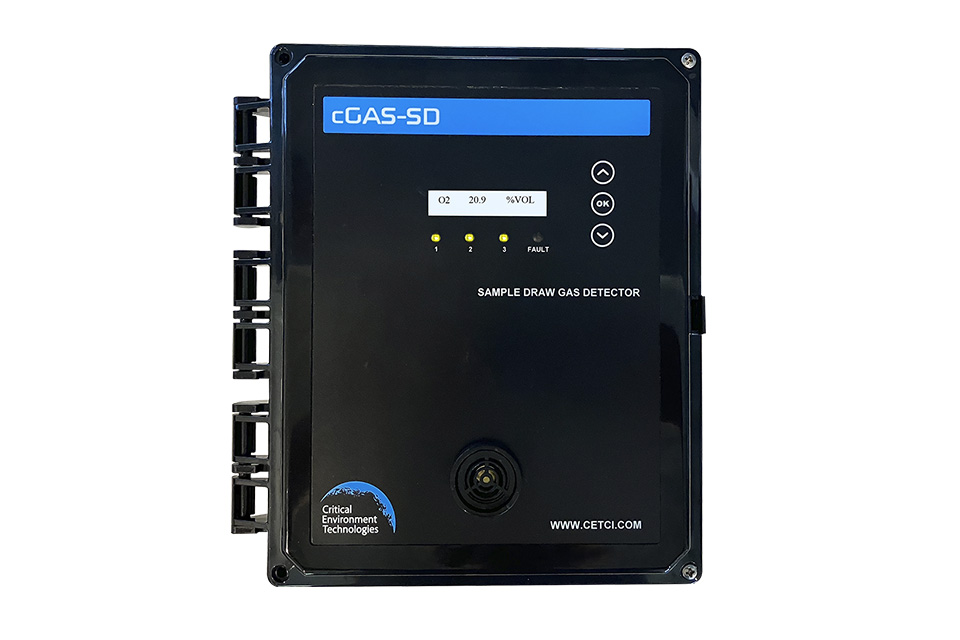
cGas-SD Sample Draw System
A Self-contained, single sensor sample draw gas detection system that draws sample air from locations where it is difficult to install a gas detector.
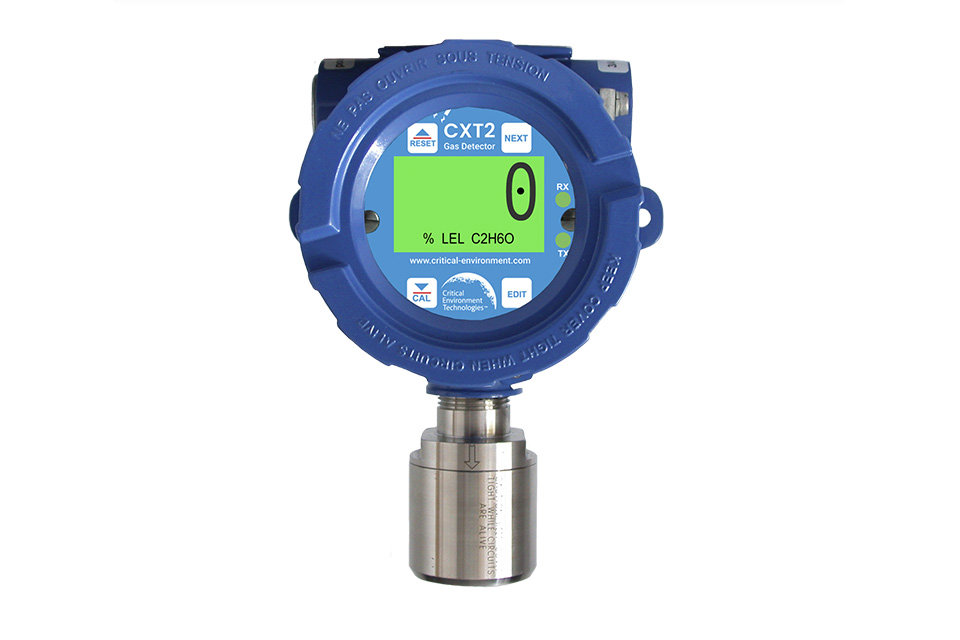
CXT2 Explosion Proof Transmitter
Reliable, accurate monitoring of toxic or combustible gases in potentially explosive and harsh environments, including hazardous-rated areas.
Related Gases
Other Toxic Gases we detect