
Nitrogen Dioxide Gas Detectors
NO₂Nitrogen dioxide (NO₂) is a reddish-brown gas with a sharp, biting odor that forms during high-temperature combustion and is present in diesel vehicle exhaust, power plant flue gases, and welding operations. The gas is highly toxic to the respiratory system and is a precursor to ground-level ozone and fine particulate matter. OSHA PEL is 5 ppm ceiling with IDLH at 20 ppm. NO₂ detection is essential in locations where diesel vehicles idle, maneuver, or load/unload, including parking structures, tunnels, loading docks, bus depots, warehouses, industrial facilities, and indoor environments where combustion equipment operates. Modern facilities typically deploy dual gas CO + NO₂ monitoring to ensure full coverage of both gasoline and diesel exhaust risks. This combined approach provides a more accurate picture of air quality and ensures ventilation systems activate appropriately.
Need Nitrogen Dioxide Detection?
Get expert guidance on the right detection solution for your application.
Key Information
Essential safety and exposure information for Nitrogen Dioxide
Health Effects
- Highly toxic, corrosive respiratory irritant and becomes hazardous at very low concentrations
- NO₂ reacts with moisture in the lungs to form nitric and nitrous acids, which can damage airway tissues
- Causes symptoms such as coughing, difficulty breathing, chest tightness, fluid buildup and respiratory failure even when exposure is brief
Common Sources
- Diesel exhaust
- Boilers
- Turbines
- Kilns
- Industrial burners
- Gas stoves and ovens
- Unvented heaters
- Fireplaces and wood stoves
- Welding and cutting torches
Exposure Limits
- OSHA PEL
- 5 ppm
- NIOSH REL (STEL)
- 1 ppm
- NIOSH IDLH
- 20 ppm
- ACGIH TLV (TWA)
- 0.2 ppm
- ACGIH TLV (STEL)
- 1 ppm
Regulatory Status
- Nitrogen dioxide (NO₂) gas detection is required by multiple building and mechanical codes across the U.S. and Canada. Both the International Mechanical Code (IMC 404.1) and the National Energy Code of Canada for Buildings (NECB A‑5.2.3.4(1)) mandate the use of CO and NO₂ sensors in enclosed parking garages, maintenance bays, dealerships, and similar vehicle‑exhaust environments to enable automatic ventilation control. CO is typically regulated using time‑weighted thresholds, while NO₂—because of its significantly higher toxicity—is governed by much lower short‑term limits. Industry standards such as ACI further support these requirements by defining sensor placement, quantity, and integration with fan control systems.
Detection Requirements
- Sensor Technology
- Electrochemical
- Sensor Detection Range
- 0-10 ppm
- Alarm Setpoints
- Low 0.7 ppm, Mid 1.00 ppm, High 1.5 ppm
- Mounting Height
- Breathing Zone 4-6 ft / 1.2-1.8 m from the floor
Build Your Gas Detection Expertise
Explore upcoming webinars and personalized training from CET experts, covering gas detection technology, application guidance, installation, and commissioning.
Related Applications
Industries and environments where Nitrogen Dioxide detection is critical
Car Dealerships
Continuous monitoring of carbon monoxide and nitrogen dioxide in car dealership showrooms, indoor service departments and enclosed vehicle storage areas where exhaust fumes can accumulate.
Parking Garages
A gas detection system within enclosed parking facilities will ensure safe, breathable air and minimize operating costs.
Welding Shops
Combustible gas, oxygen, and fume detection for fabrication facilities and metal working environments
Fleet & Bus Depots
Exhaust gas monitoring for municipal bus garages, delivery fleet facilities, and transit maintenance buildings
Warehouses
Monitoring levels of CO & NO₂ is necessary to ensure the health and safety of warehouse employees.
Emergency Vehicle Bays
Critical air quality monitoring for fire stations, ambulance bays, and police vehicle garages
Ice Arenas
Multiple gas hazards throughout ice arenas require several detectors to protect workers, spectators, and athletes.
Transit Facilities
Gas detection for subway stations, bus terminals, and enclosed passenger waiting areas
Vehicle Service Bays
Gas detection for automotive repair shops, oil change facilities, and vehicle inspection stations where exhaust fumes accumulate
Greenhouses
Gas detection and monitoring of Carbon monoxide and combustible gases in greenhouse production facilities ensures the safety of employees and visitors.
Detection Solutions
Sensors and detectors for Nitrogen Dioxide monitoring
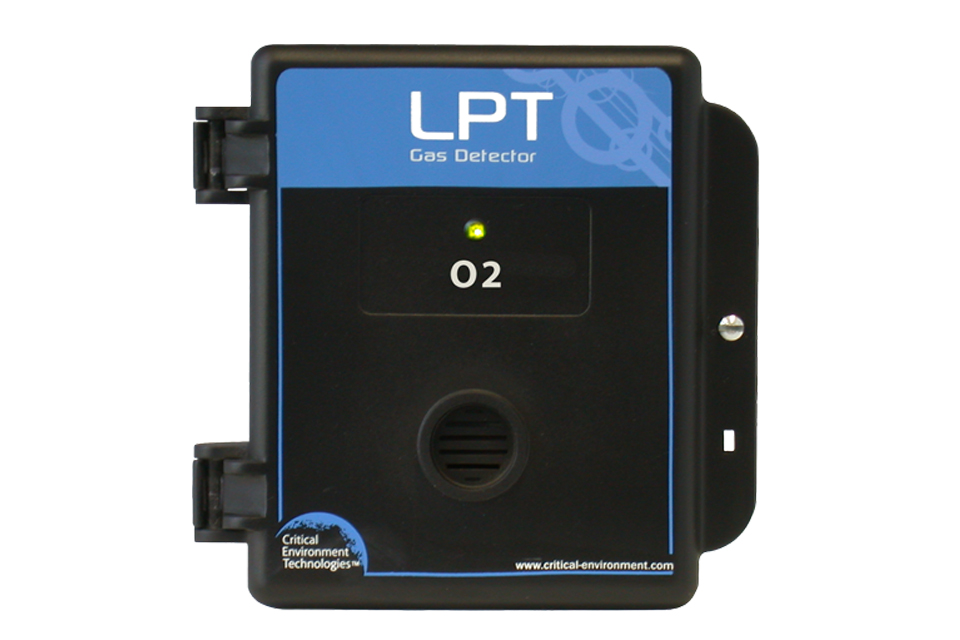
LPT Low Power Transmitter
Single channel, analog gas detector for enclosed parking facilities, recreational facilities, oxygen depletion applications.
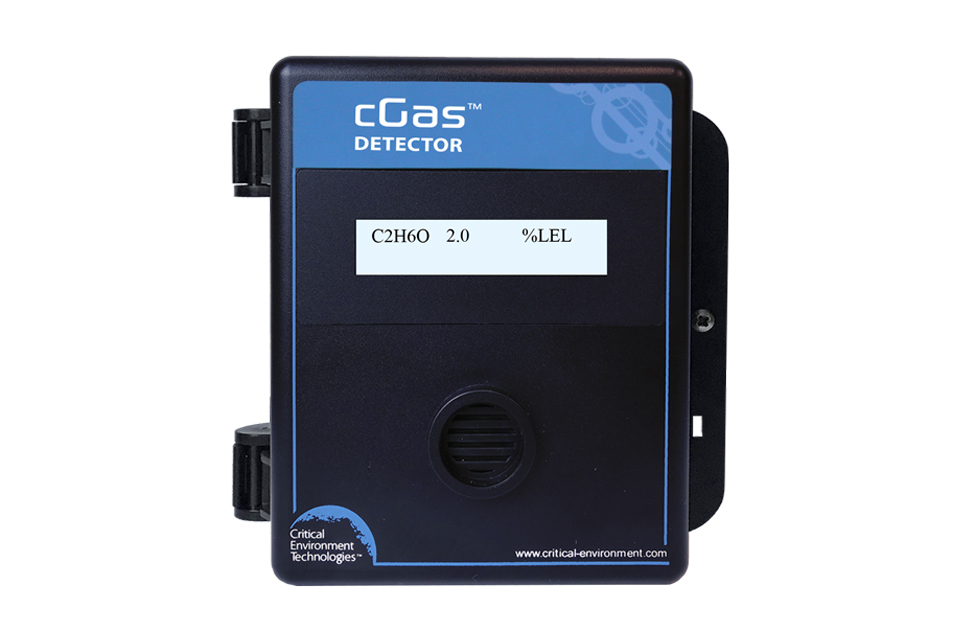
cGas Detector Analog Transmitter
Single channel, analog gas detector with Plug & Play Smart Sensor Technology.
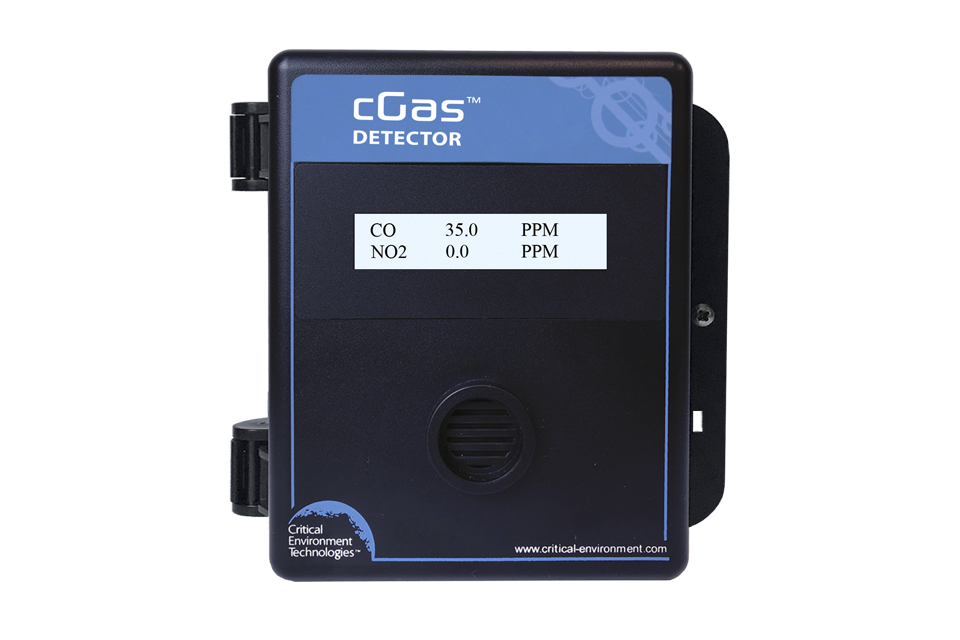
cGas Detector Digital Transmitter
One or two channel Modbus® or BACnet® gas detector with flexible customization options and Plug & Play Smart Sensor Technology.
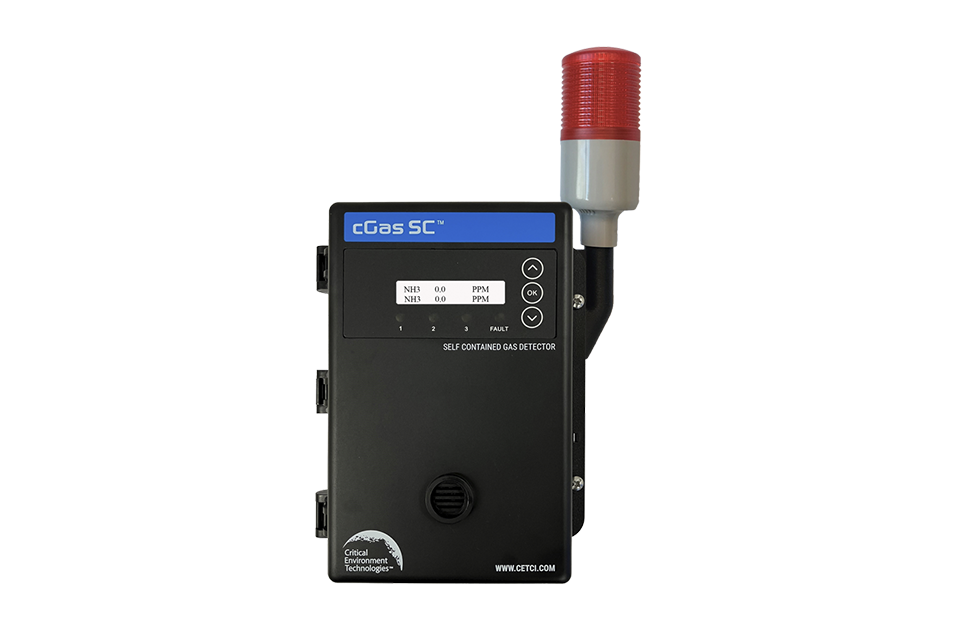
cGas-SC Self-Contained Controller
A self contained controller with up to 3 gas channels, Plug & Play Smart Sensor Technology and configurable logic control and priority settings. Offers superior user customization and reliable gas detection performance for monitoring many gases.
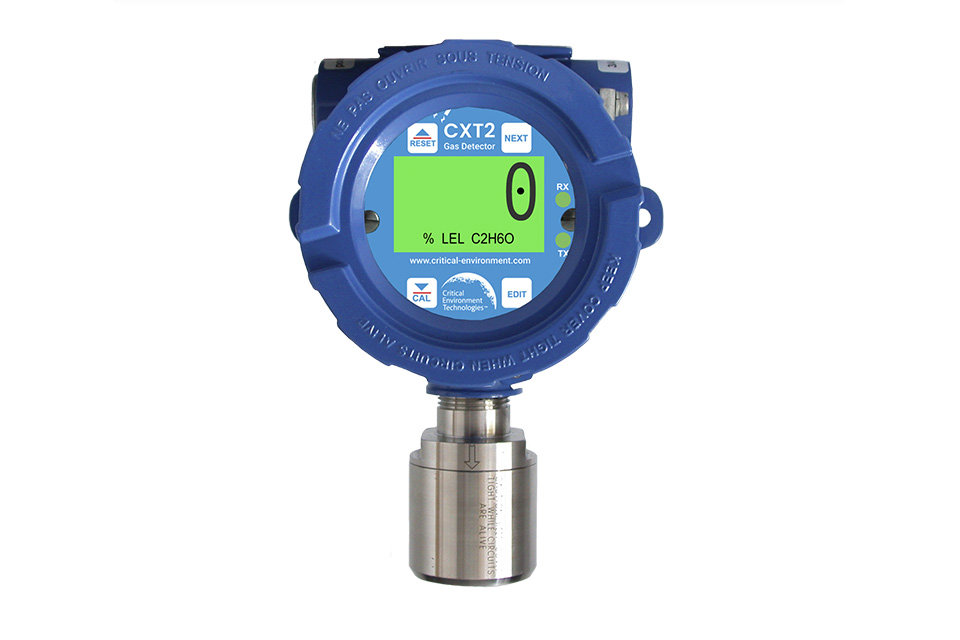
CXT2 Explosion Proof Transmitter
Reliable, accurate monitoring of toxic or combustible gases in potentially explosive and harsh environments, including hazardous-rated areas.
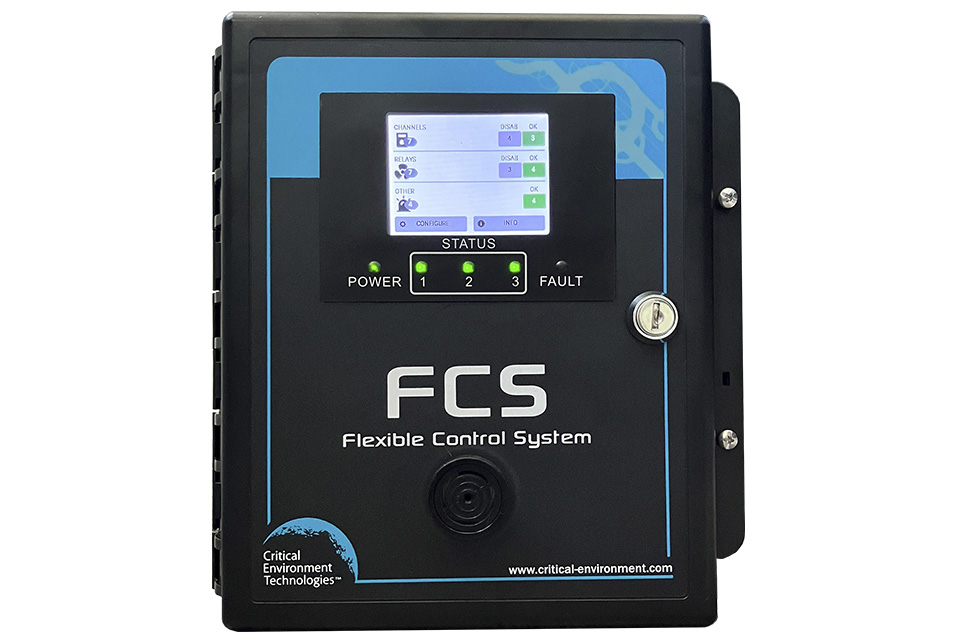
FCS Multi Channel System Controllers
High performance controller with logic and priority settings for monitoring toxic, combustible and refrigerant gases with versatile control functionality. Available with Modbus® or BACnet® communication with BAS, supports 4-20 mA and Modbus® driven VFDs.
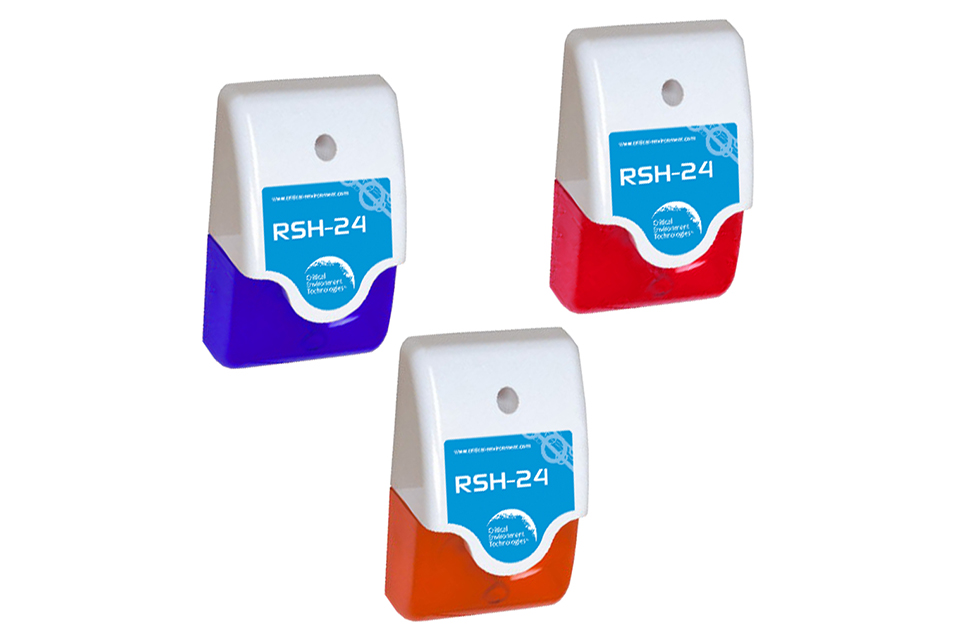
RSH-24V Remote Strobe & Horn
Two alarm features in one safety device, mounting fixture not included. Available in 3 different lens colours, combines a visual and an audible alarm feature into one compact, low profile device.
Related Gases
Other Toxic Gases we detect