Gas Detection for Welding Shops
Continuous monitoring of carbon monoxide, nitrogen dioxide, ozone, and oxygen in welding shops protects workers from arc welding fumes, shielding gas displacement, and cutting torch fuel hazards.

Typical Welding Shops System
Target Gases
Gases monitored in this application
Why Gas Detection is Required
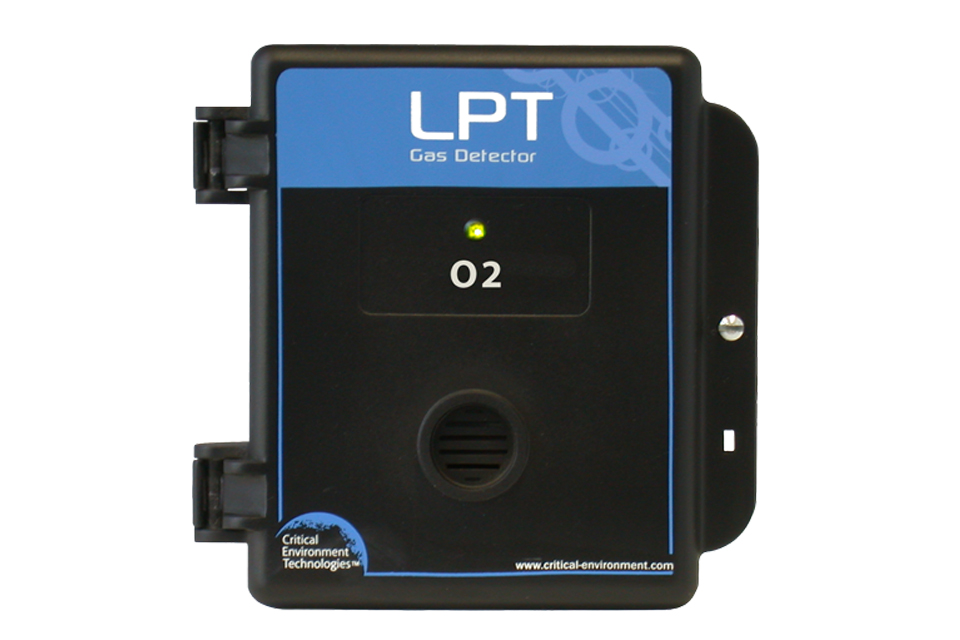
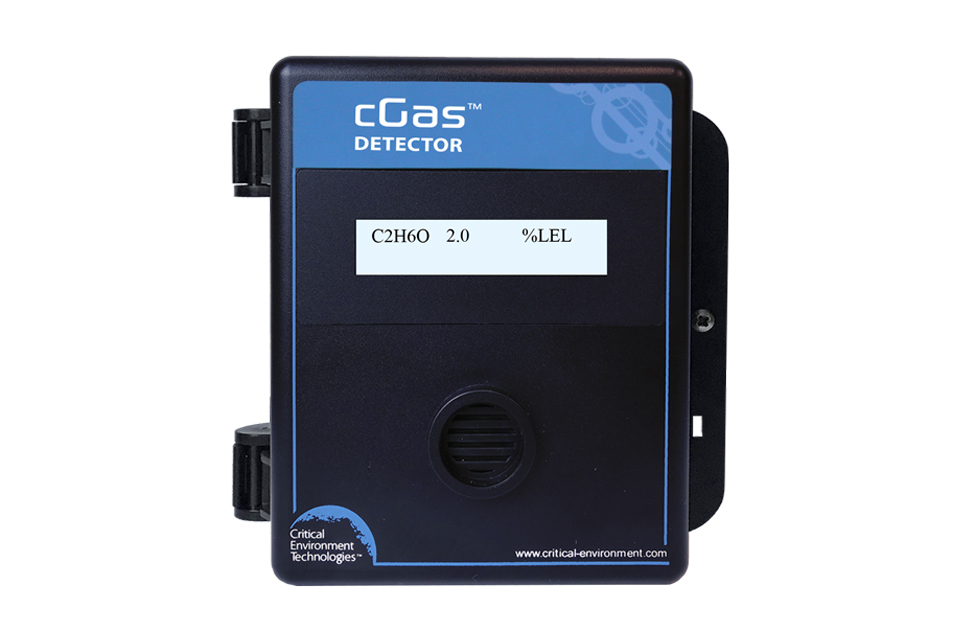
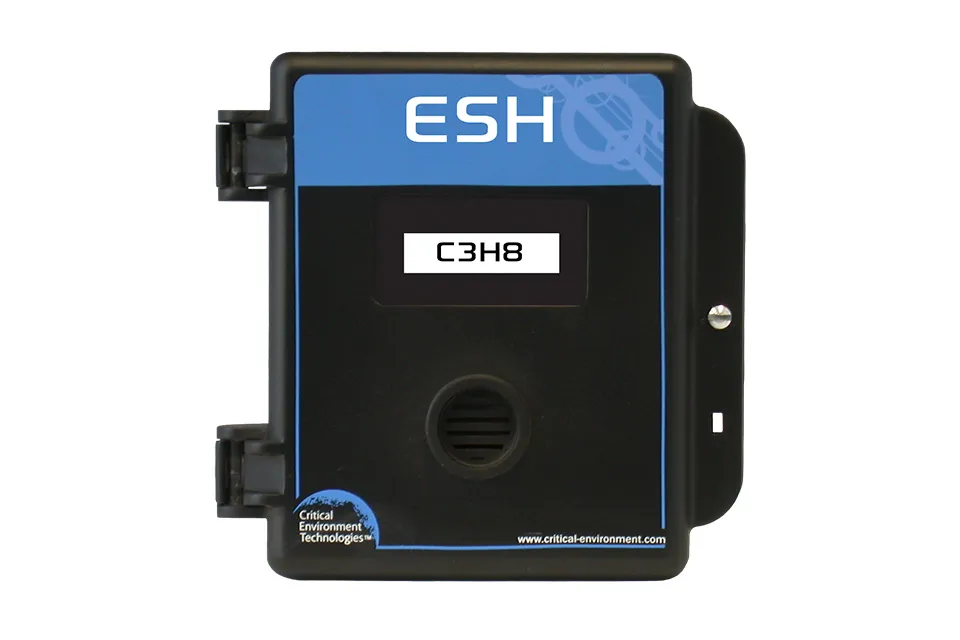
Welding and fabrication shops present complex gas‑hazard environments due to the wide range of welding and cutting processes in use. There are more than 70 welding processes, each producing different hazardous gases depending on the materials, filler metals, coatings, and shielding gases involved. Common gases generated during welding include carbon monoxide, nitrogen dioxide, ozone, carbon dioxide, nitric oxide, hydrogen chloride, and other gaseous fluorides. Exposure to these gases can result in serious health risks, including toxicity, respiratory irritation, fire, explosion, and oxygen displacement. One of the most significant hazards in modern welding shops is oxygen depletion caused by shielding gases. Argon, carbon dioxide, helium, and mixed shielding gases are widely used in MIG, TIG, and specialty welding processes. These gases are inert or non‑toxic but displace oxygen when released into enclosed or poorly ventilated areas. Because they are colorless and odorless, oxygen‑deficient atmospheres can develop without warning, creating an immediate asphyxiation risk. Installing a fabrication facility O₂ monitor provides continuous protection against oxygen depletion and alerts workers before conditions become dangerous. Combustible gas hazards are also common in welding and cutting operations. Acetylene, propane, and other fuel gases used for oxy‑fuel cutting, brazing, and heating present fire and explosion risks if leaks occur. These gases may escape from hoses, regulators, or cylinders, particularly in high‑use environments. A properly designed welding shop gas detector system includes combustible gas sensors to identify leaks early and prevent ignition events that could cause serious injury or facility damage. In addition to gas hazards, welding fumes present ongoing exposure risks. Welding fumes contain a mixture of metal oxides, particulates, and gases, with exposure limits governed by OSHA welding fume standards. Effective fume extraction systems are required to remove contaminants from the welder’s breathing zone. Gas detection systems complement fume extraction by monitoring hazardous gas levels and verifying that ventilation systems are operating effectively. Integration between welding fume detection and ventilation controls ensures rapid response when gas concentrations rise or airflow is insufficient. A comprehensive gas detection strategy in welding and fabrication facilities typically includes oxygen sensors for shielding gas displacement, combustible gas detectors for fuel gases, and toxic gas monitoring where applicable. When integrated with fixed ventilation and fume extraction systems, continuous gas detection enhances worker protection, supports OSHA compliance, and helps maintain a safer and healthier work environment for metalworkers.
System Architecture
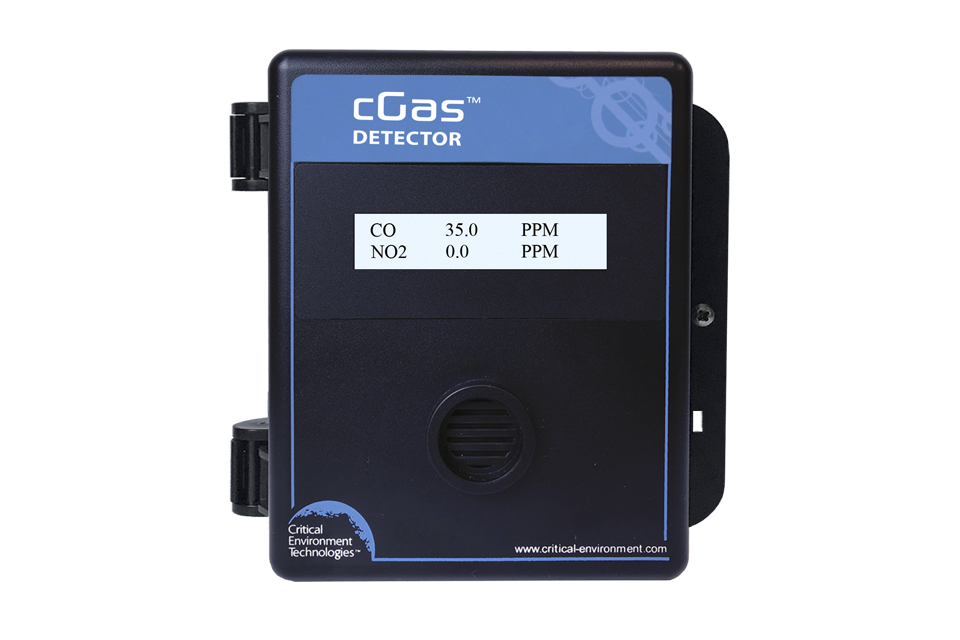
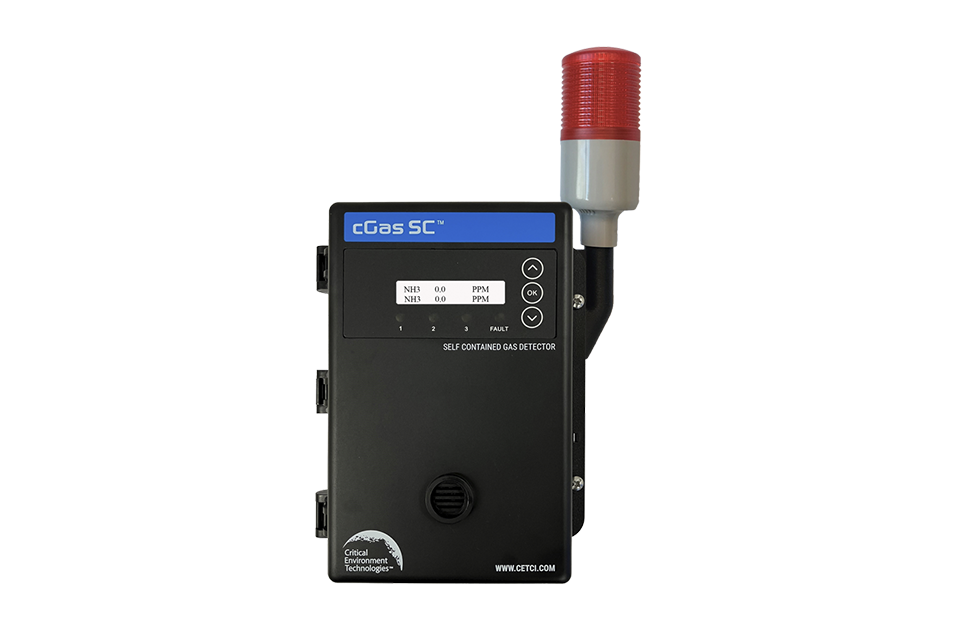
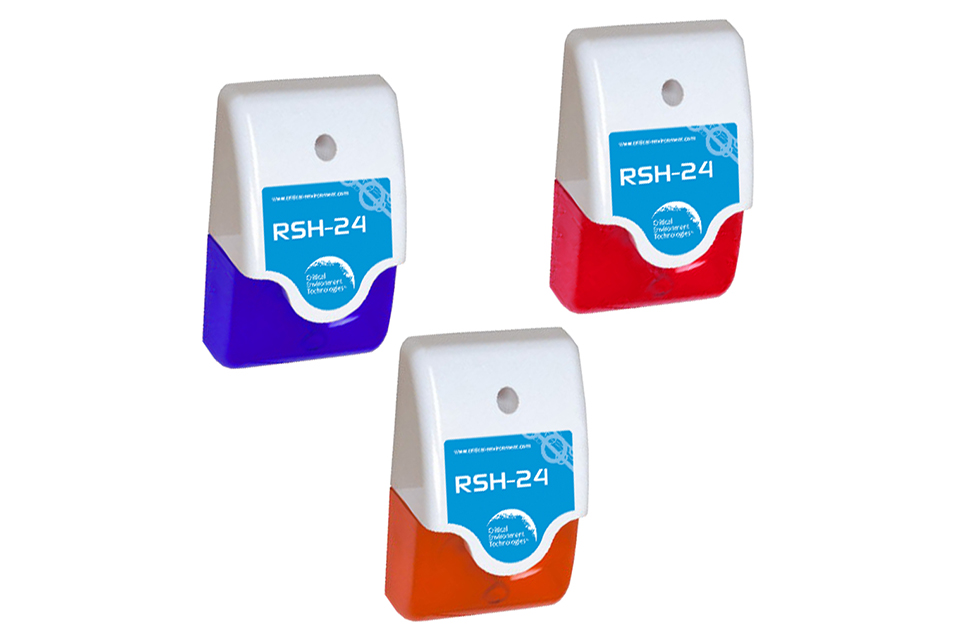
A complete welding shop gas detection system typically consists of CO sensors positioned in welding areas, combined with nitrogen dioxide sensors where shielding gases are used extensively and O2 gas detectors if oxygen displacing gases are being produced. Sensors connect to a controller that manages local exhaust ventilation and provides alarming when fume extraction is insufficient. For smaller fabrication shops, self-contained detector-controller units provide economical protection for individual welding bays. Larger production welding facilities benefit from networked architectures with sensors in each work area, enabling zone-specific ventilation response and verification that fume extraction systems are operating effectively. Alarm outputs activate audible/visual notification devices in affected areas, trigger enhanced local exhaust ventilation, and can provide interlocks to prevent welding operations when air quality is inadequate. Integration with building automation enables data logging for OSHA compliance documentation.
Key Considerations
Important factors for planning your system
The gas detection system operates ventilation systems, on demand controlled
Depending on the type of welding, different hazardous gases may need monitoring
Consideration for the air flow patterns in the room; entrances to the room, type of ventilation system, number of welding stations and any other sources of active air currents will affect the ability of the sensors to accurately read the gas levels.
Additional Information
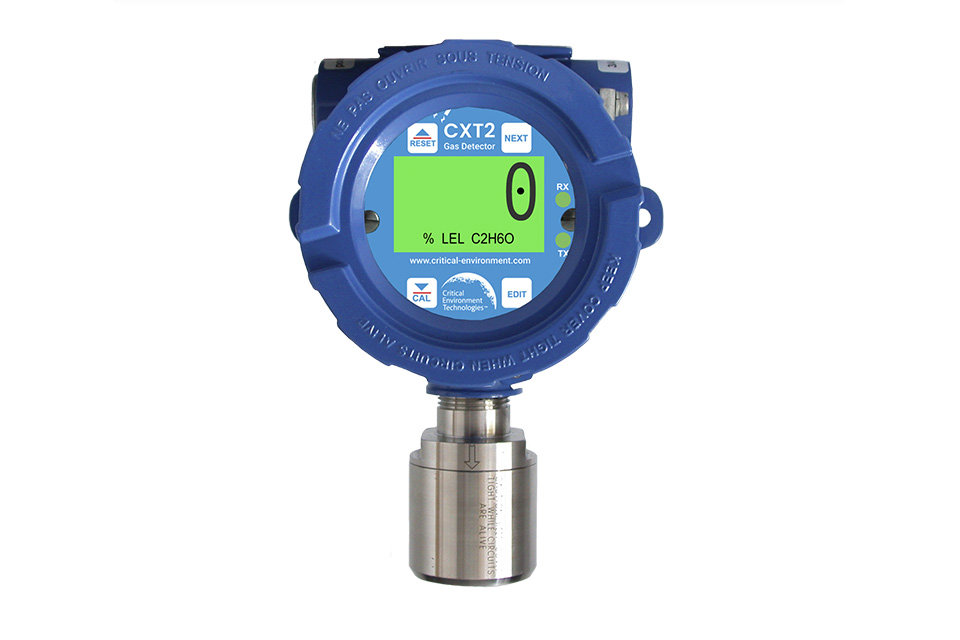
Welding activities occur in many industries and the work environments vary in size, layout and setup. When planning installation and mounting locations for each gas detector you must consider the air flow patterns in the room. Entrances to the room, type of ventilation system, number of welding areas and any other sources of active air currents will affect the ability of the sensors to accurately read the gas levels. Depending on the type of welding being done, additional hazardous gas monitoring may be required. For example, for Oxy-Acetylene welding, consideration should be given to monitoring combustible gas and Oxygen levels in the room where the cylinders of gas are stored. If there were to be a leak, Acetylene is flammable and explosive and high levels of Oxygen could cause an O2 enriched atmosphere. If the area is classified as a hazardous area, the CXT Explosion Proof transmitter should be used.
Build Your Gas Detection Expertise
Explore upcoming webinars and personalized training from CET experts, covering gas detection technology, application guidance, installation, and commissioning.