
Nitric Oxide Gas Detectors
NONitric oxide (NO) is a colorless, reactive combustion gas produced during high temperature fuel burning in boilers, furnaces, engines, and generators. In air, NO rapidly oxidizes to nitrogen dioxide (NO₂), a more toxic gas, which is why accurate monitoring is critical in combustion environments. Because NO and NO₂ behave differently but are closely linked, paired NO/NO₂ monitoring is recommended for complete coverage. A nitric oxide gas detector is commonly installed in boiler rooms, generator exhaust areas, and mechanical rooms to verify combustion efficiency, detect unsafe concentrations, and protect personnel. Occupational safety guidelines set an OSHA permissible exposure limit (PEL) for nitric oxide at 25 ppm (8 hour TWA), making continuous monitoring an important part of compliance and risk reduction.
Need Nitric Oxide Detection?
Get expert guidance on the right detection solution for your application.
Key Information
Essential safety and exposure information for Nitric Oxide
Health Effects
- A toxic gas with moderate respiratory and systemic effects.
- It rapidly oxidizes to nitrogen dioxide (NO₂) in the air and can also convert within the respiratory tract, significantly increasing the severity of health effects.
- Causes symptoms of eye, nose and throat irritation, coughing, chest tightness, shortness of breath, severe respiratory distress and delayed lung injury with high exposure.
Common Sources
- Manufacturing plants
- Chemical production
- Welding shops
- Fabrication shops
- Steel mills
- Stack emissions
- Parking garages
- Bus Depots
- Boiler Rooms
Exposure Limits
- OSHA PEL (TWA)
- 25 ppm
- NIOSH REL (TWA)
- 25 ppm
- ACGIH TLV (TWA)
- 25 ppm
- IDLH
- 100 ppm
Regulatory Status
- Nitric oxide (NO) is regulated as a toxic gas with moderate respiratory and systemic effects, particularly due to its ability to oxidize into nitrogen dioxide (NO₂). OSHA sets a permissible exposure limit (PEL) of 25 ppm (8 hour TWA), while NIOSH recommends a REL of 25 ppm TWA and an IDLH of 100 ppm; ACGIH similarly provides a TLV of 25 ppm TWA. For transport, DOT/PHMSA classifies nitric oxide as UN 1660, Hazard Class 2.3 (toxic gas) with additional oxidizing properties. Environmentally, NO is regulated indirectly as part of nitrogen oxides (NOx) under the EPA Clean Air Act framework, contributing to ozone formation and broader air quality standards. While ASHRAE does not prescribe specific limits, ventilation and IAQ standards (62.1/62.2) address NO within combustion-related air contaminants, leading to the use of NO sensors, often alongside NO₂ and CO, in tunnels, parking structures, and industrial facilities to support ventilation control and exposure management.
Detection Requirements
- Sensor Technology
- Electrochemical
- Detection Range
- 0-100 ppm
- Alarm Setpoints
- Low 25 ppm, Mid 35 ppm, High 50 ppm
- Mounting Height
- Breathing Zone 4-6 ft / 1.2-1.8 m from the floor
Build Your Gas Detection Expertise
Explore upcoming webinars and personalized training from CET experts, covering gas detection technology, application guidance, installation, and commissioning.
Related Applications
Industries and environments where Nitric Oxide detection is critical
Parking Garages
A gas detection system within enclosed parking facilities will ensure safe, breathable air and minimize operating costs.
Welding Shops
Combustible gas, oxygen, and fume detection for fabrication facilities and metal working environments
Fleet & Bus Depots
Exhaust gas monitoring for municipal bus garages, delivery fleet facilities, and transit maintenance buildings
Boiler Rooms
Continuous monitoring of natural gas, CO, and CO2 in schools & boiler rooms ensures the safety of students and faculty.
Vehicle Service Bays
Gas detection for automotive repair shops, oil change facilities, and vehicle inspection stations where exhaust fumes accumulate
Detection Solutions
Sensors and detectors for Nitric Oxide monitoring
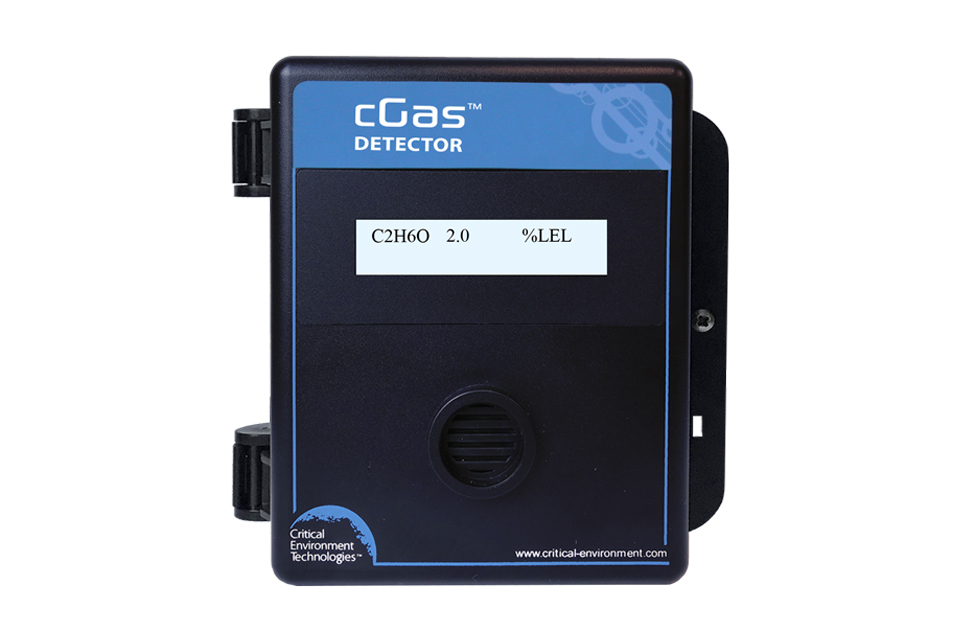
cGas Detector Analog Transmitter
Single channel, analog gas detector with Plug & Play Smart Sensor Technology.
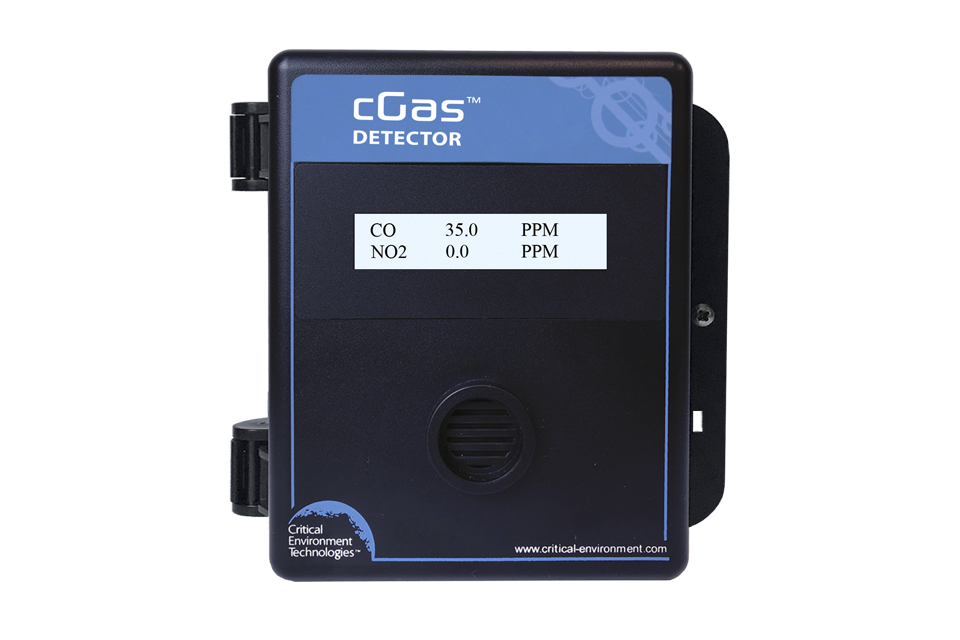
cGas Detector Digital Transmitter
One or two channel Modbus® or BACnet® gas detector with flexible customization options and Plug & Play Smart Sensor Technology.
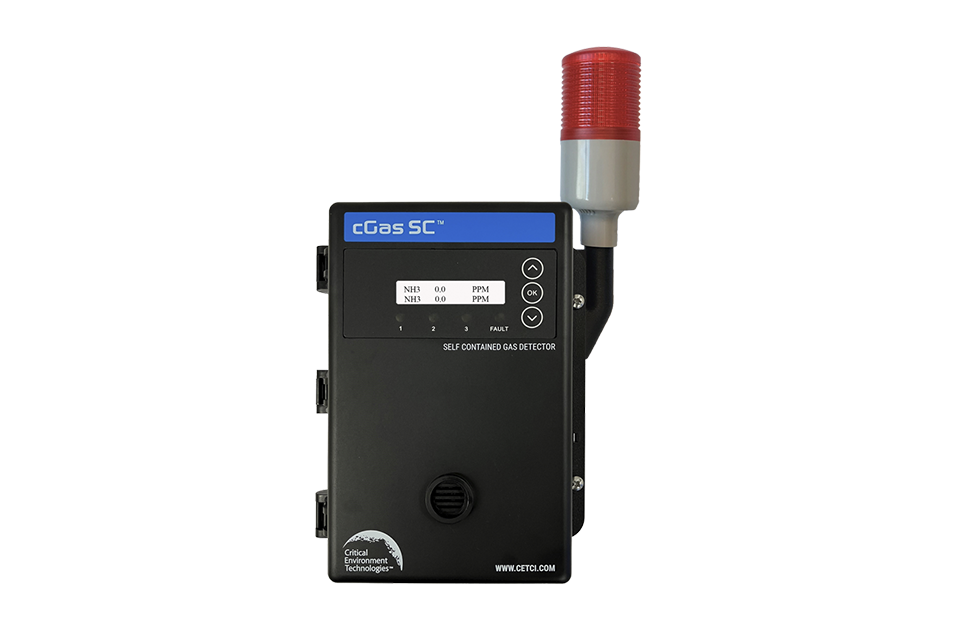
cGas-SC Self-Contained Controller
A self contained controller with up to 3 gas channels, Plug & Play Smart Sensor Technology and configurable logic control and priority settings. Offers superior user customization and reliable gas detection performance for monitoring many gases.
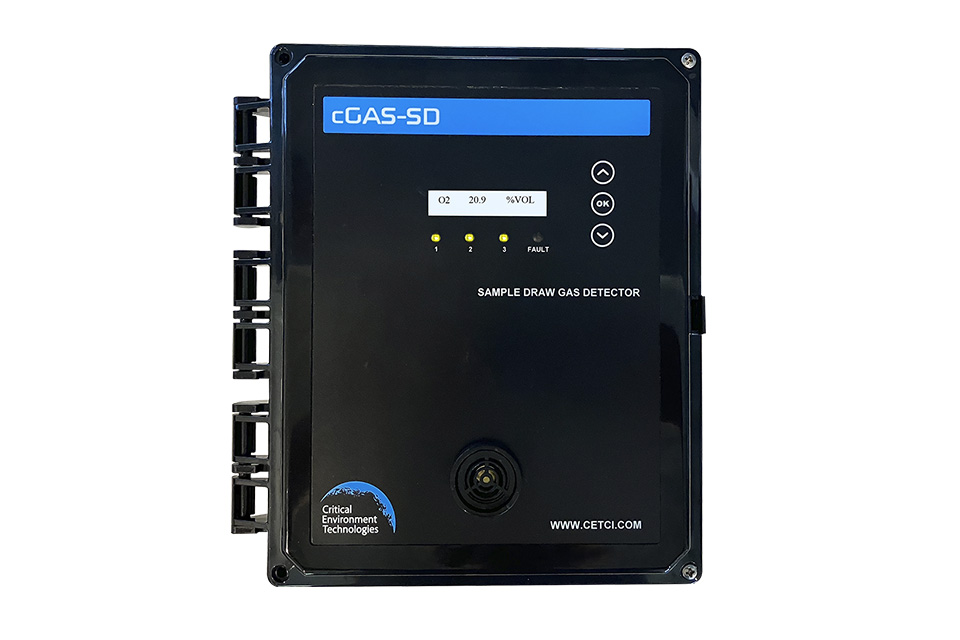
cGas-SD Sample Draw System
A Self-contained, single sensor sample draw gas detection system that draws sample air from locations where it is difficult to install a gas detector.
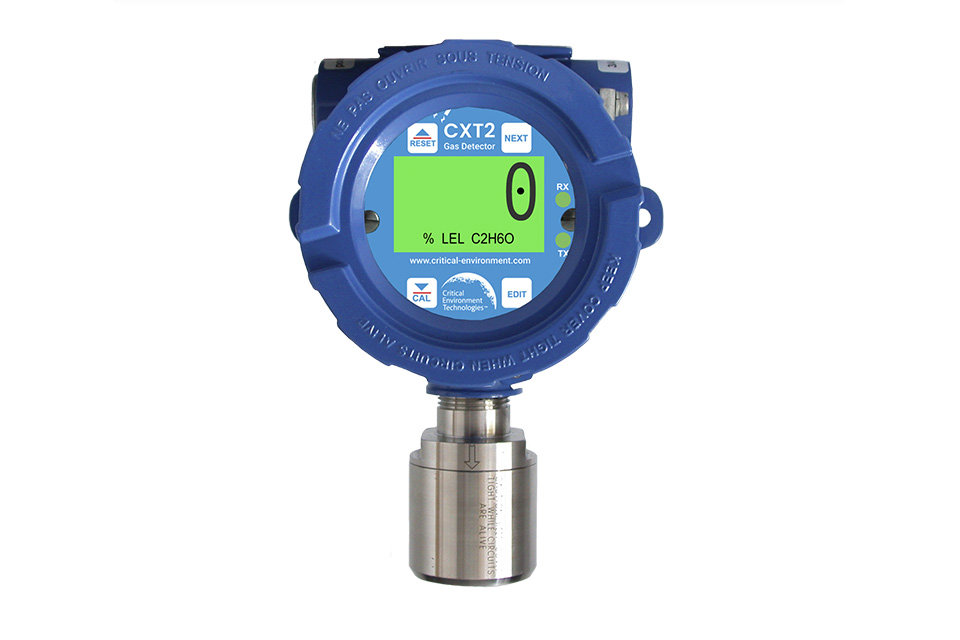
CXT2 Explosion Proof Transmitter
Reliable, accurate monitoring of toxic or combustible gases in potentially explosive and harsh environments, including hazardous-rated areas.
Related Gases
Other Toxic Gases we detect