
Carbon Monoxide Gas Detectors
COCarbon monoxide (CO) is a colorless, odorless, and tasteless gas produced by incomplete combustion of carbon-containing materials. CO is extremely dangerous because it is undetectable by human senses while being highly toxic, binding to hemoglobin 200-250 times more readily than oxygen, causing oxygen deprivation. CO monitoring is essential anywhere gasoline powered vehicles or combustion equipment operate indoors or in semi enclosed spaces, including parking garages, boiler rooms, commercial kitchens, warehouses, loading docks and fleet facilities. In commercial and industrial environments, CO monitoring requires far more advanced capabilities than residential alarms, including BACnet and Modbus integration, which allows a commercial CO detector to communicate directly with building automation and ventilation systems for automatic fan control.
Need Carbon Monoxide Detection?
Get expert guidance on the right detection solution for your application.
Key Information
Essential safety and exposure information for Carbon Monoxide
Health Effects
- Referred to as the “silent killer” because it is colorless, odorless, and tasteless
- Prevents the body from transporting oxygen, leading to rapid and potentially fatal effects
- Causes symptoms such as headache, nausea, fatigue, loss of coordination, chest pain, shortness of breath, fainting and loss of consciousness
Common Sources
- Vehicle exhaust
- Fuel-burning appliances
- Generators
- Power tools
- Gas stoves
- Fireplaces
- Industrial processes
Exposure Limits
- OSHA PEL
- 50 ppm
- NIOSH REL (TWA)
- 35 ppm
- IDLH
- 1,200 ppm
- ACGIH TLV (TWA)
- 25 ppm
Regulatory Status
- Carbon monoxide detection in commercial and industrial environments is governed by several key standards, including the International Mechanical Code (IMC 404.1), National Energy Code of Canada for Buildings (NECB A 5.2.3.4(1)), ASHRAE 62.1/90.1, NFPA 54, and IFC 915. These codes require or support CO monitoring in parking garages, boiler rooms, loading docks, warehouses, and other fuel burning or vehicle exhaust environments, typically tied to automatic ventilation control. In addition to these national codes, many states, provinces, and municipalities adopt their own amendments or standalone requirements, often mandating CO detection in specific occupancies or mechanical spaces beyond the baseline standards.
Detection Requirements
- Sensor Technology
- Electrochemical
- Sensor Detection Range
- 0-200 ppm
- Alarm Setpoints
- Low 25 ppm, Mid 50 ppm, High 100 ppm
- Mounting Height
- Breathing Zone 4-6 ft / 1.2-1.8 m from the floor
Build Your Gas Detection Expertise
Explore upcoming webinars and personalized training from CET experts, covering gas detection technology, application guidance, installation, and commissioning.
Related Applications
Industries and environments where Carbon Monoxide detection is critical
Wastewater Treatment
Hydrogen sulfide, methane, and oxygen monitoring for pump stations, digesters, and enclosed treatment areas
Car Dealerships
Continuous monitoring of carbon monoxide and nitrogen dioxide in car dealership showrooms, indoor service departments and enclosed vehicle storage areas where exhaust fumes can accumulate.
Hotels
Continuous monitoring of refrigerant gases in hotel rooms are used to keep the indoor environment comfortable.
Parking Garages
A gas detection system within enclosed parking facilities will ensure safe, breathable air and minimize operating costs.
Welding Shops
Combustible gas, oxygen, and fume detection for fabrication facilities and metal working environments
EV Charging
Hydrogen and thermal runaway gas detection for electric vehicle charging stations and battery swap facilities
Laboratories
Continuous monitoring protects laboratory personnel from combustible gases, oxygen displacement, and hazardous toxic gas exposure in laboratory settings and research facilities.
Fleet & Bus Depots
Exhaust gas monitoring for municipal bus garages, delivery fleet facilities, and transit maintenance buildings
Commercial Kitchens
Toxic and combustible gas hazards should be monitored in commercial kitchens to ensure a safe working environment.
Warehouses
Monitoring levels of CO & NO₂ is necessary to ensure the health and safety of warehouse employees.
Emergency Vehicle Bays
Critical air quality monitoring for fire stations, ambulance bays, and police vehicle garages
Ice Arenas
Multiple gas hazards throughout ice arenas require several detectors to protect workers, spectators, and athletes.
Transit Facilities
Gas detection for subway stations, bus terminals, and enclosed passenger waiting areas
Indoor Air Quality
Carbon monoxide, CO2 and TVOC monitoring for classrooms, offices, and public assembly spaces to optimize both air quality and energy efficiency.
Boiler Rooms
Continuous monitoring of natural gas, CO, and CO2 in schools & boiler rooms ensures the safety of students and faculty.
Vehicle Service Bays
Gas detection for automotive repair shops, oil change facilities, and vehicle inspection stations where exhaust fumes accumulate
Schools
Continuous monitoring of carbon monoxide, carbon dioxide, natural gas, and nitrogen dioxide protects students and staff across school facilities - from boiler rooms and science labs to bus loading areas and cafeteria kitchens.
Greenhouses
Gas detection and monitoring of Carbon monoxide and combustible gases in greenhouse production facilities ensures the safety of employees and visitors.
Detection Solutions
Sensors and detectors for Carbon Monoxide monitoring
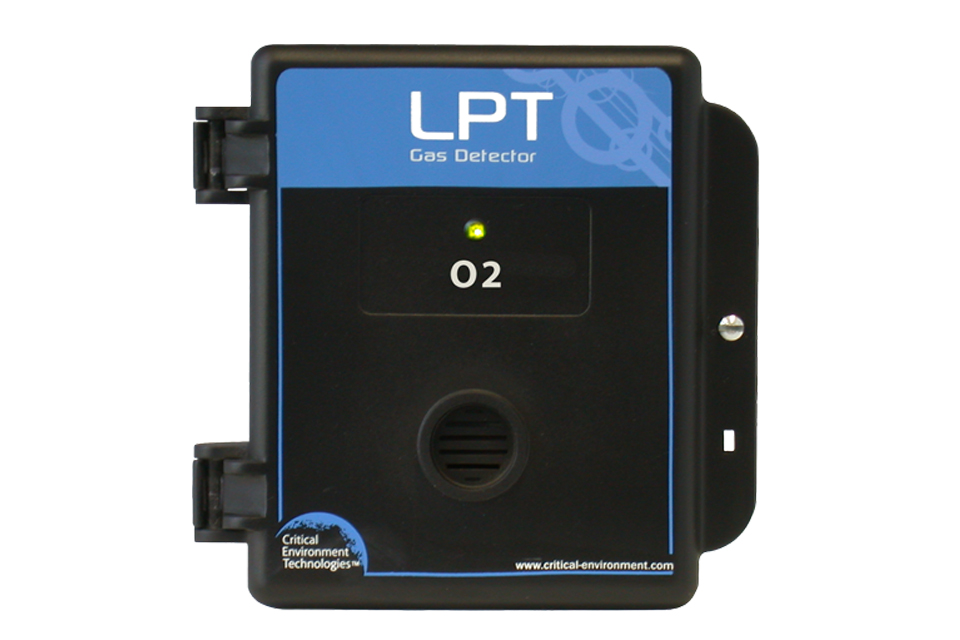
LPT Low Power Transmitter
Single channel, analog gas detector for enclosed parking facilities, recreational facilities, oxygen depletion applications.
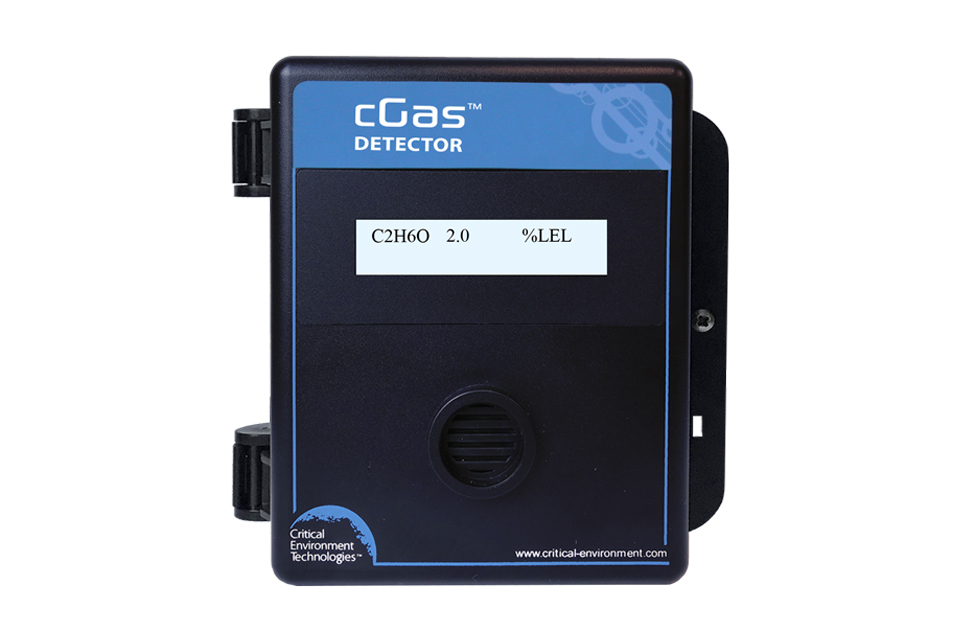
cGas Detector Analog Transmitter
Single channel, analog gas detector with Plug & Play Smart Sensor Technology.
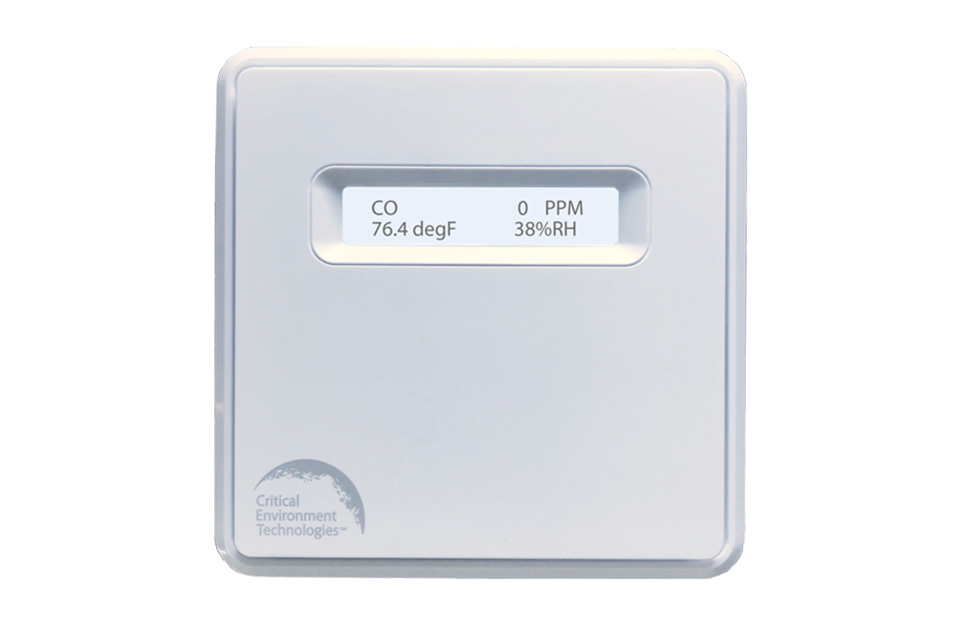
cGas Detector for Indoor Public Spaces
Single channel gas detector with an aesthetically pleasing design to reduce noticeability when used in publicly occupied spaces such as hotels and schools.
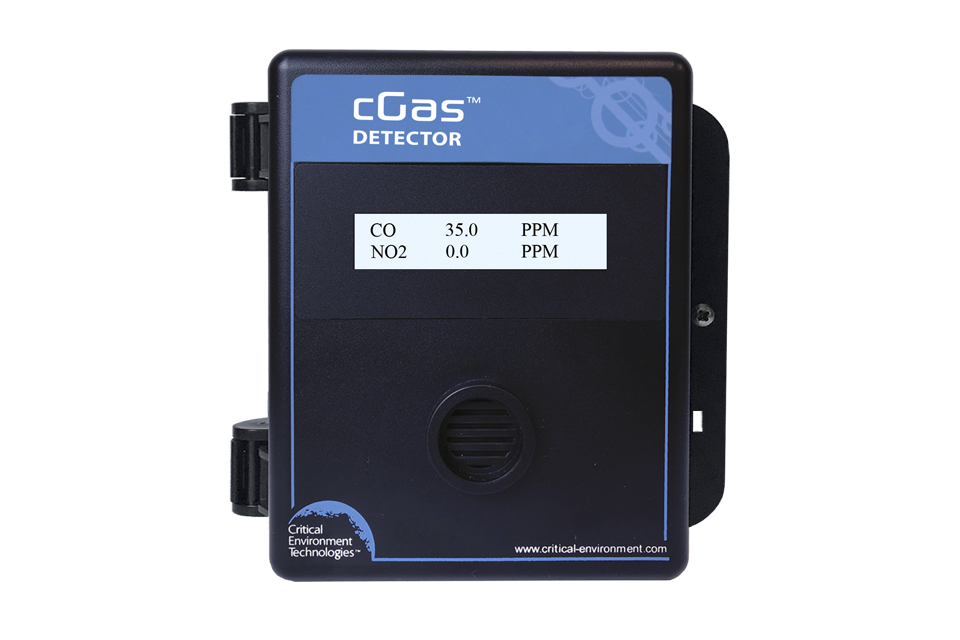
cGas Detector Digital Transmitter
One or two channel Modbus® or BACnet® gas detector with flexible customization options and Plug & Play Smart Sensor Technology.
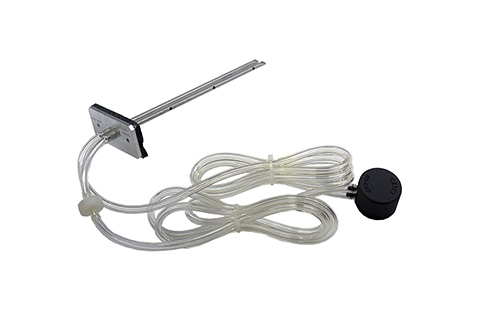
Duct Sampling Kit
A special probe assembly that attaches to a gas detector and is mounted on the return air duct of a ventilation system to measure the concentration levels of a target gas passing through the duct. Allows for the continuous monitoring of the quality of the air being circulated around the building.
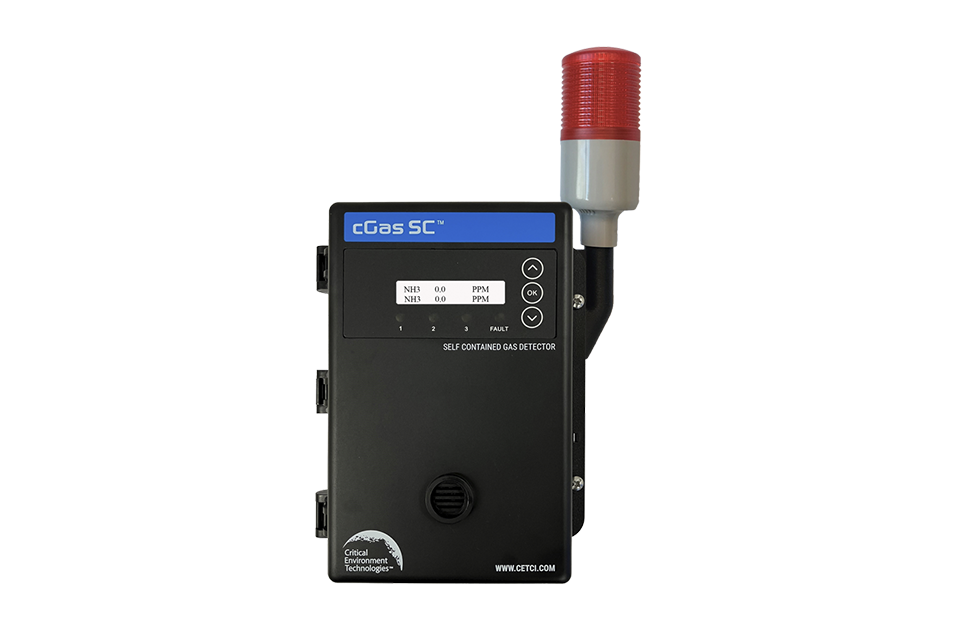
cGas-SC Self-Contained Controller
A self contained controller with up to 3 gas channels, Plug & Play Smart Sensor Technology and configurable logic control and priority settings. Offers superior user customization and reliable gas detection performance for monitoring many gases.
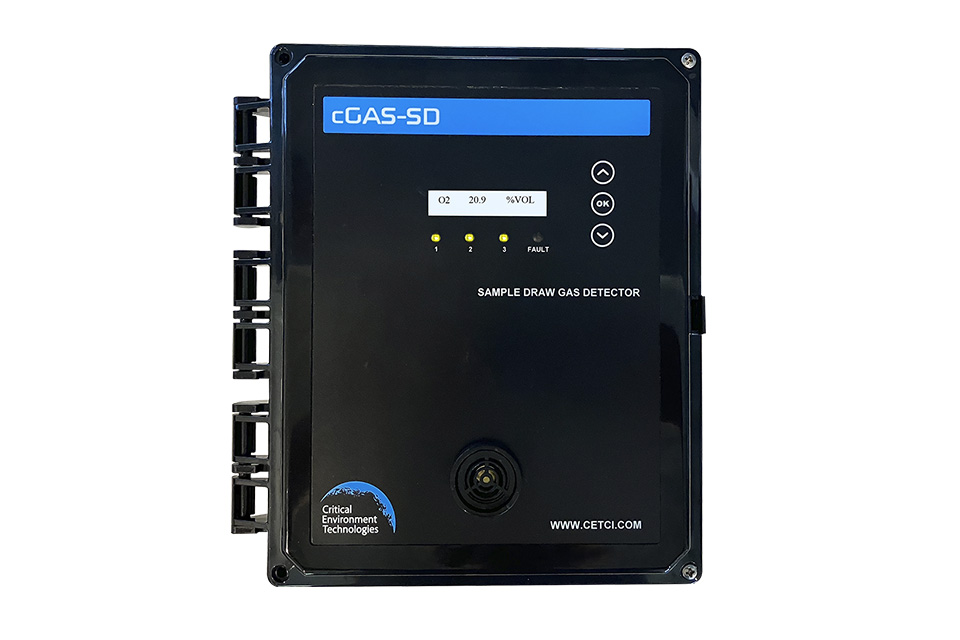
cGas-SD Sample Draw System
A Self-contained, single sensor sample draw gas detection system that draws sample air from locations where it is difficult to install a gas detector.
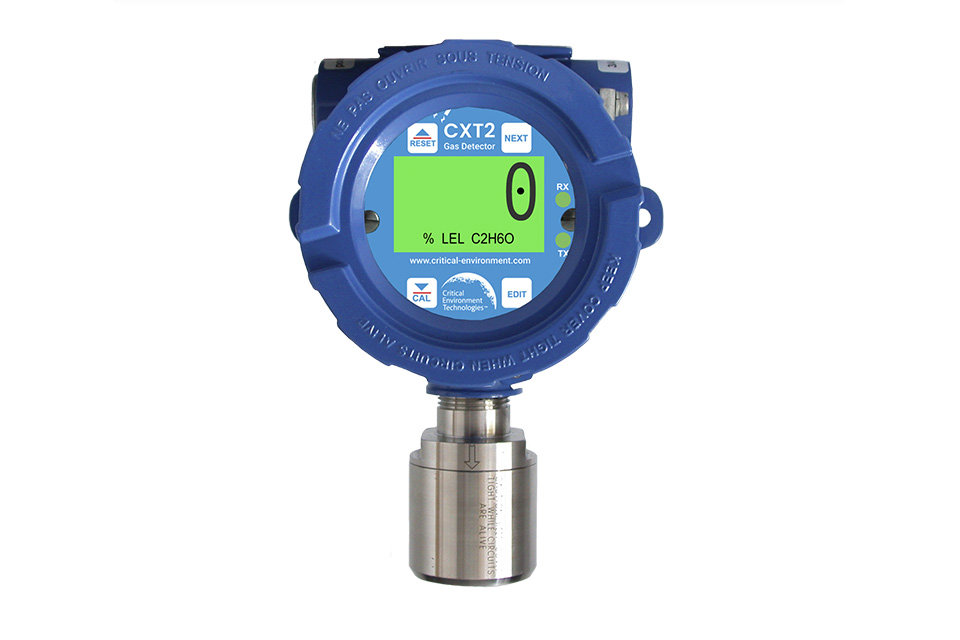
CXT2 Explosion Proof Transmitter
Reliable, accurate monitoring of toxic or combustible gases in potentially explosive and harsh environments, including hazardous-rated areas.
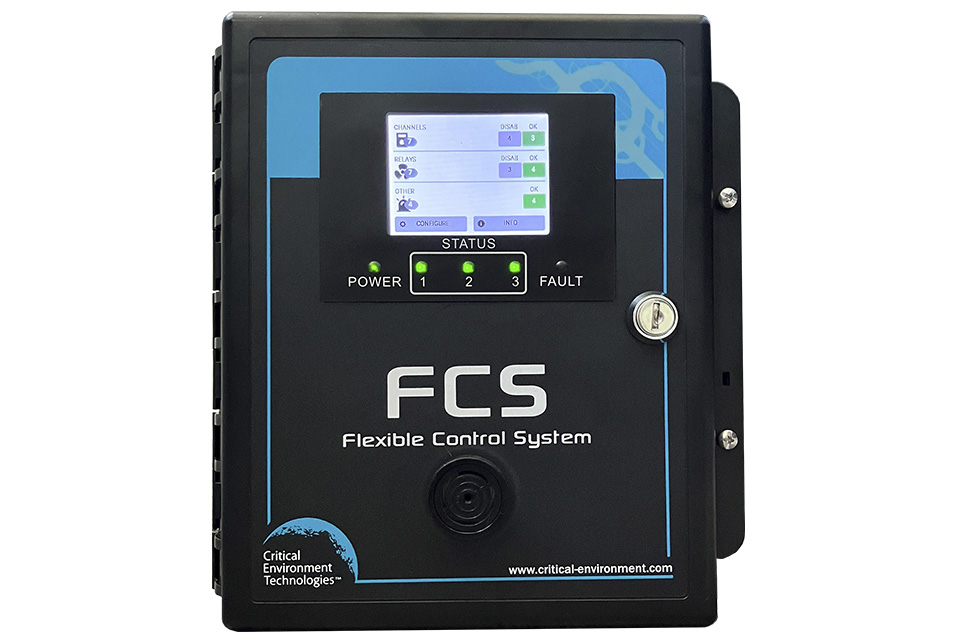
FCS Multi Channel System Controllers
High performance controller with logic and priority settings for monitoring toxic, combustible and refrigerant gases with versatile control functionality. Available with Modbus® or BACnet® communication with BAS, supports 4-20 mA and Modbus® driven VFDs.
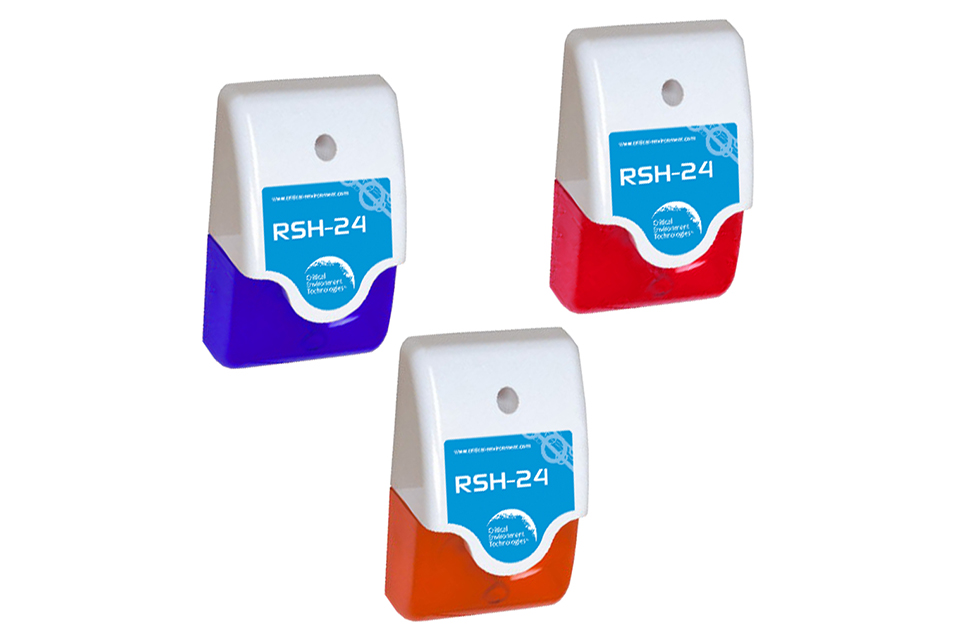
RSH-24V Remote Strobe & Horn
Two alarm features in one safety device, mounting fixture not included. Available in 3 different lens colours, combines a visual and an audible alarm feature into one compact, low profile device.
Related Gases
Other Toxic Gases we detect