
Chlorine Gas Detectors
Cl₂Chlorine (Cl₂) is a highly reactive green yellow gas with a strong, suffocating odor detectable at very low concentrations (0.5 ppm). It is used for disinfection in swimming pools, aquatic centers, and water treatment facilities. While effective for killing bacteria and pathogens, chlorine gas becomes hazardous when released into the air, making continuous monitoring critical in pool equipment rooms, chlorine generator rooms, and chemical storage areas. Chlorine attacks the respiratory system, causing pulmonary edema even at moderate exposures. A chlorine gas detector provides early warning of Cl₂ leaks, helps trigger emergency ventilation, and supports OSHA compliant safety programs in environments where pool chlorine monitors and water treatment gas detection are essential for protecting occupants and staff.
Need Chlorine Detection?
Get expert guidance on the right detection solution for your application.
Key Information
Essential safety and exposure information for Chlorine
Health Effects
- Strong respiratory irritant that causes burning of the nose and throat with coughing and shortness of breath at low levels. At higher or brief high dose exposures bronchospasm and potentially fatal respiratory failure can occur
- Contact with chlorine gas can cause eye irritation with tearing and blurred vision and skin exposure can result in redness and burns
- Contact with liquid chlorine may cause frostbite type injuries
Common Sources
- Water treatment facilities
- Swimming pools
- Chemical manufacturing
- Cleaning products
Exposure Limits
- OSHA PEL
- 1.0 ppm (ceiling)
- NIOSH REL
- 0.5 ppm ceiling
- NIOSH IDLH
- 10 ppm
- ACGIH TLV
- 0.5 ppm TWA, 1.0 ppm STEL
Regulatory Status
- Chlorine is regulated across health, environmental, transport, and building safety systems. For worker health, ACGIH based limits set a 0.5 ppm 8 hour TWA and 1.0 ppm 15 min STEL, while OSHA enforces a 1.0 ppm ceiling and NIOSH defines an IDLH of 10 ppm for emergency response. Environmentally, the U.S. EPA classifies chlorine as an Extremely Hazardous Substance, requiring facilities with ≥2,500 lb to comply with the Risk Management Program (40 CFR Part 68), including hazard analysis and emergency planning. For transportation, the DOT regulates chlorine as UN 1017, a Class 2.3 toxic gas with an oxidizer subsidiary hazard, with strict packaging, placarding, training, and specialized rail tank car requirements. In buildings and HVAC contexts, ASHRAE Standard 34 classifies chlorine as B3 (high toxicity), which, through ASHRAE Standard 15, drives requirements for dedicated machinery rooms, leak detection, ventilation, and emergency controls.
Detection Requirements
- Sensor Technology
- Electrochemical
- Detection Range
- 0-5 ppm
- Alarm Setpoints
- Low 0.5 ppm, Mid 0.7 ppm, High 1.0 ppm
- Mounting Height
- 6-8 in / 15-20 cm from the floor, near where a leak is likely to occur
Build Your Gas Detection Expertise
Explore upcoming webinars and personalized training from CET experts, covering gas detection technology, application guidance, installation, and commissioning.
Related Applications
Industries and environments where Chlorine detection is critical
Detection Solutions
Sensors and detectors for Chlorine monitoring
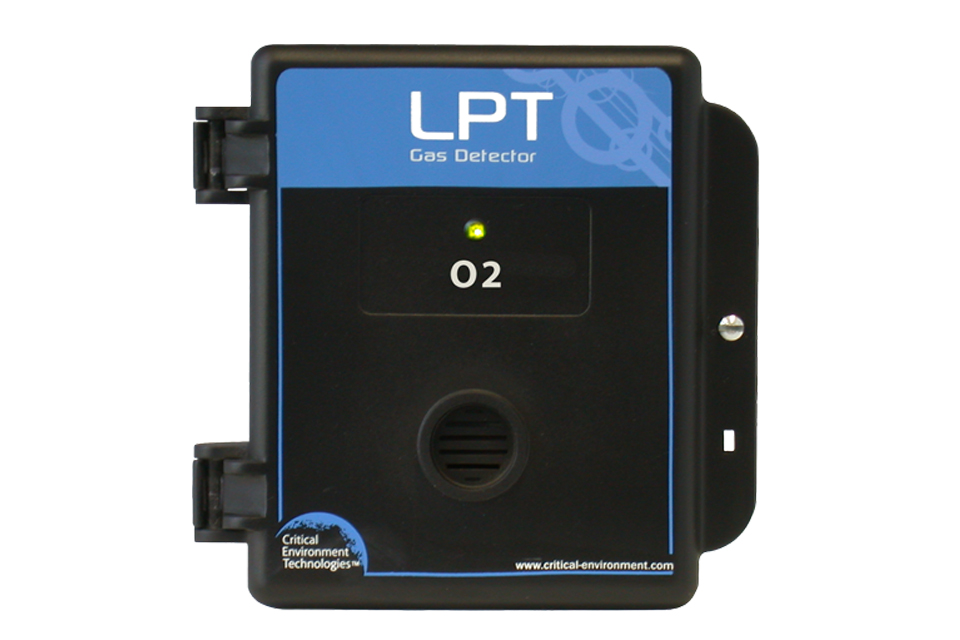
LPT Low Power Transmitter
Single channel, analog gas detector for enclosed parking facilities, recreational facilities, oxygen depletion applications.
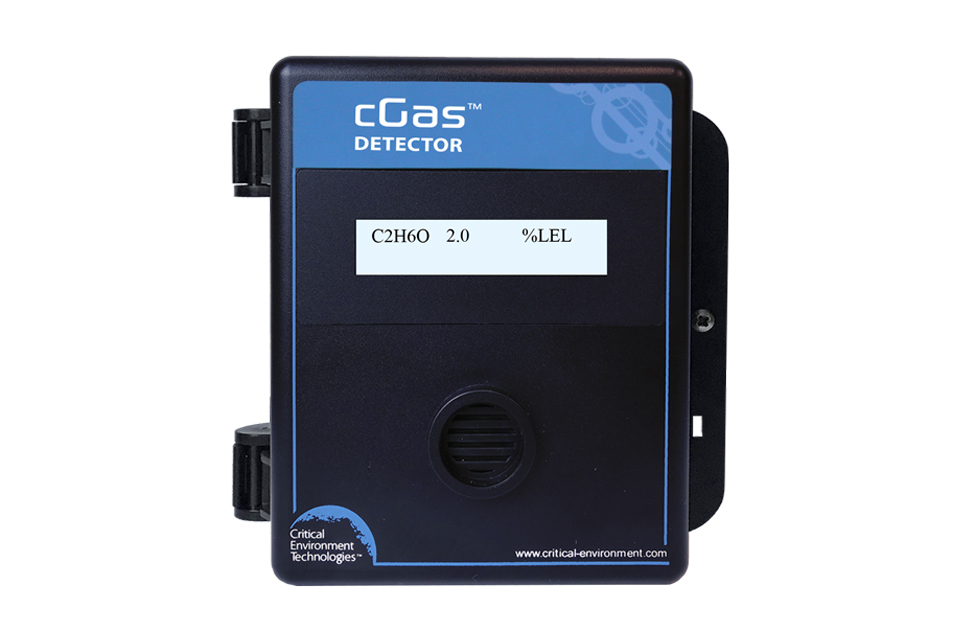
cGas Detector Analog Transmitter
Single channel, analog gas detector with Plug & Play Smart Sensor Technology.
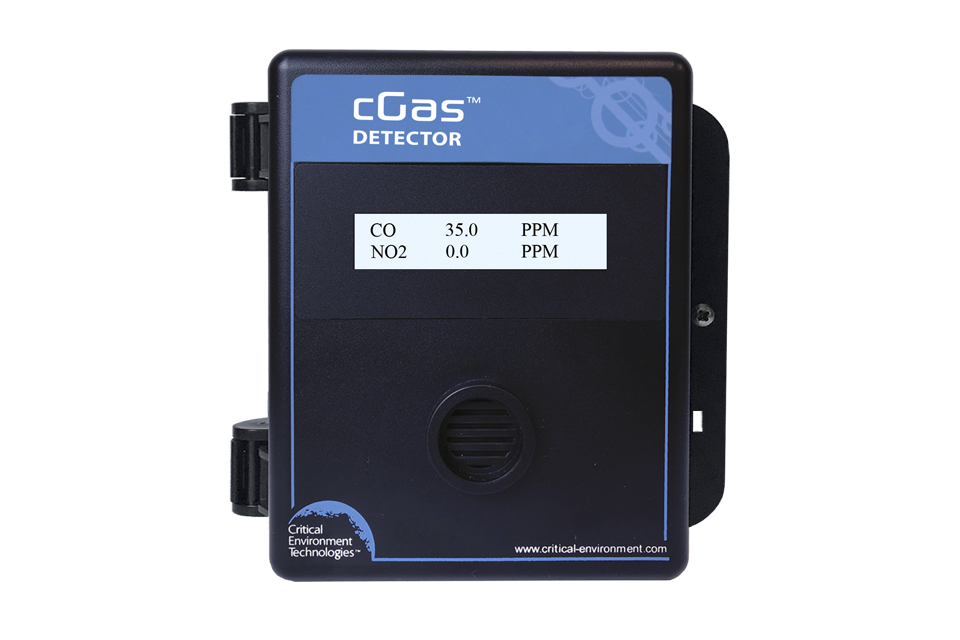
cGas Detector Digital Transmitter
One or two channel Modbus® or BACnet® gas detector with flexible customization options and Plug & Play Smart Sensor Technology.
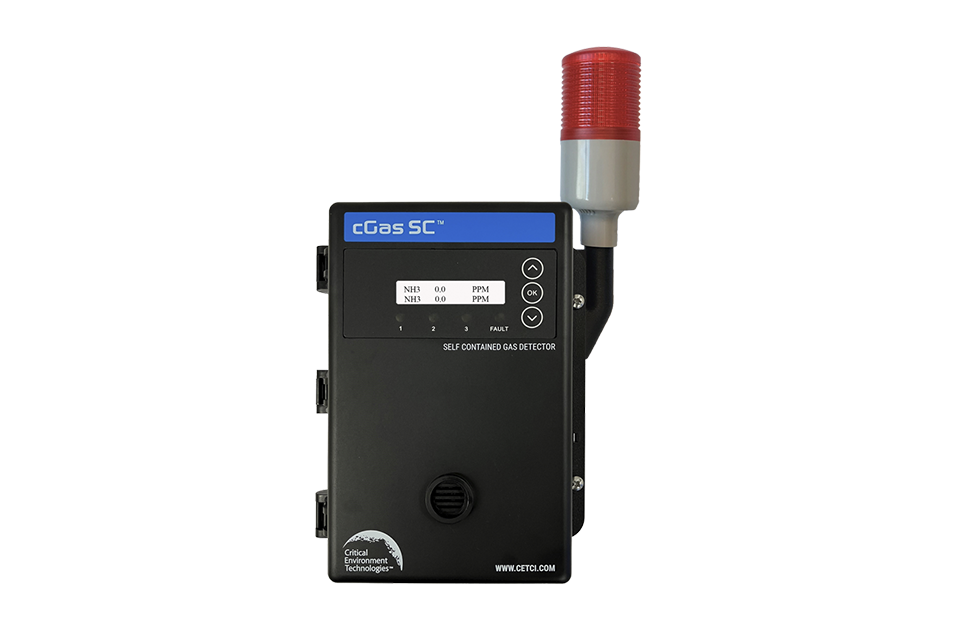
cGas-SC Self-Contained Controller
A self contained controller with up to 3 gas channels, Plug & Play Smart Sensor Technology and configurable logic control and priority settings. Offers superior user customization and reliable gas detection performance for monitoring many gases.
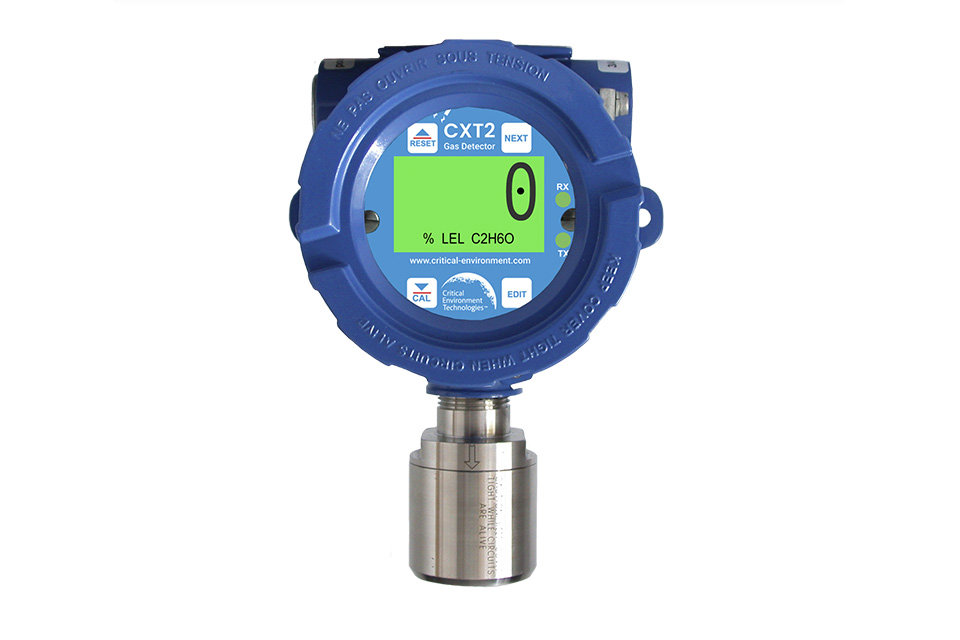
CXT2 Explosion Proof Transmitter
Reliable, accurate monitoring of toxic or combustible gases in potentially explosive and harsh environments, including hazardous-rated areas.