
Gas Detection for Pools & Aquatics
Continuous monitoring of chlorine, ozone, and carbon dioxide at indoor pools protects swimmers and staff from toxic disinfection gas releases and ensures proper natatorium air quality.
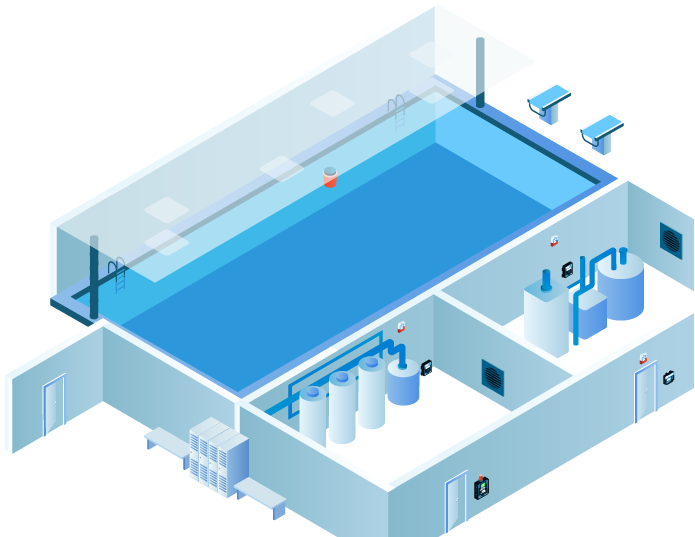
Typical Pools & Aquatics System
Target Gases
Gases monitored in this application
Why Gas Detection is Required
Indoor swimming pools often face persistent ventilation challenges that make maintaining good air quality difficult. Warm, humid air combined with high ceilings and complex airflow patterns can cause HVAC systems to struggle with consistent air movement, especially during busy swim periods. Effective indoor pool gas detection, from the natatorium itself to the chemical storage room, helps protect natatorium air quality, prevent chemical incidents, and support compliance with MAHC recommendations. Many facilities use chlorine and ozone to keep the water clean and sparkly. Chlorine is a common disinfectant used for water treatment programs and ozone offers excellent disinfection and oxidation properties. Ozone helps prevent the accumulation of deposits on pipes and increases the comfort of patrons by reducing red eyes, swimsuit fading and other chlorine-related issues. To help ensure the health and safety of patrons and facility maintenance workers, it is important to have a continuous gas detection system to monitor for leaks in the chlorine feed and storage room and the ozone generator room. CO2 is commonly used to maintain optimum pH levels in the pool water. While CO2 is a natural, non-corrosive gas and in low concentrations is not harmful, in high concentrations it is toxic and it can displace oxygen, causing rapid asphyxiation and death, especially in a confined area like the CO2 gas cylinder storage room.
System Architecture
A complete aquatic facility gas detection system typically consists of chlorine, ozone and CO₂ sensors in natatorium and chemical storage areas. Sensors connect to a controller that manages supply and exhaust ventilation to maintain proper air quality for swimmers and staff. For smaller pools, self-contained detector-controller units provide economical protection for the pool deck and separate chemical storage monitoring. Larger aquatic centers benefit from networked architectures with sensors throughout natatorium, locker rooms, and mechanical spaces, enabling coordinated ventilation response and centralized monitoring. Alarm outputs activate audible/visual notification devices, trigger enhanced ventilation, and can interface with chemical feed systems for automatic shutdown if leaks are detected. Integration with building automation enables demand-controlled ventilation based on actual air quality conditions.
Key Considerations
Important factors for planning your system
A life safety system for monitoring gas leaks in chlorine feed and CO2 storage rooms and the ozone generator room
If chlorination tanks are more than 16 ft (5m) away from the existing sensor, an additional sensor may be required
Protect sensor from water damage by adding splash guard option to chlorine and ozone gas detectors
Additional Information
During routine maintenance when workers change the chlorine cylinders, the potential for a leak is increased. It is recommended that a portable gas monitor with a chlorine sensor be used as an additional health and safety choice. Always follow local and other applicable regulations. Chloramines develop when free chlorine reacts with sweat, urine, and other swimmer‑introduced contaminants, so tracking combined chlorine—the gap between free and total chlorine—is the most reliable indicator of chloramine formation. When combined chlorine levels rise, it often means chloramines are accumulating in the air above the pool. Facilities may also monitor CO₂ levels, which signal poor ventilation and heavy swimmer load, and some use ammonia sensors, since ammonia is a key precursor in the chloramine‑formation process.
Build Your Gas Detection Expertise
Explore upcoming webinars and personalized training from CET experts, covering gas detection technology, application guidance, installation, and commissioning.
Related Products
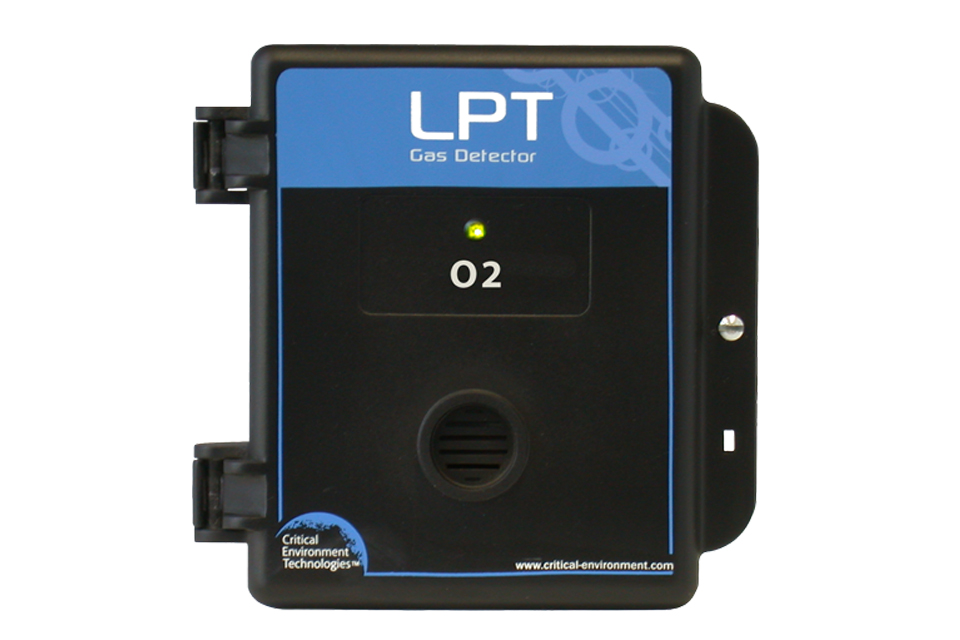
LPT Low Power Transmitter
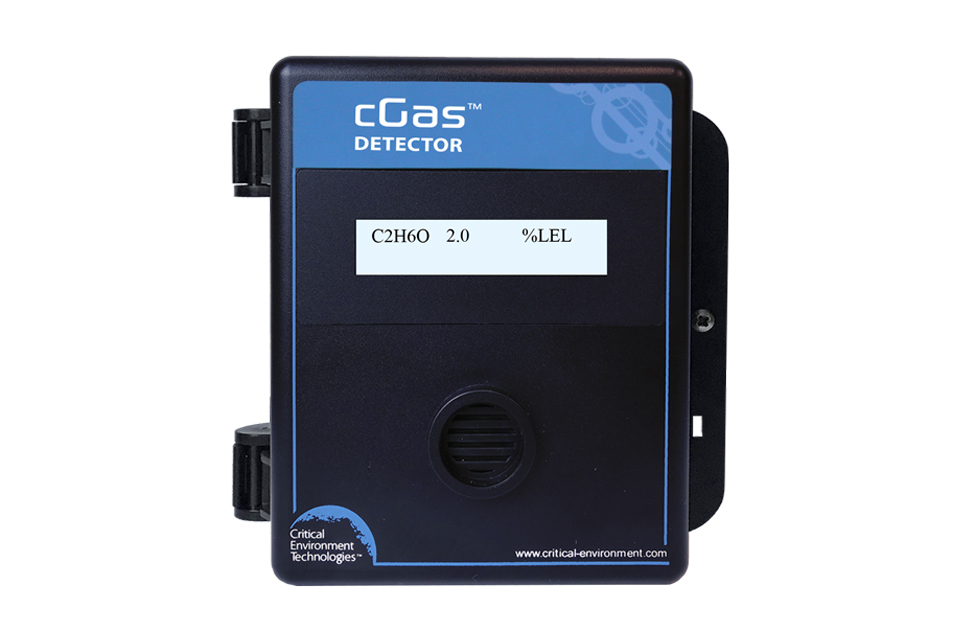
cGas Detector Analog Transmitter
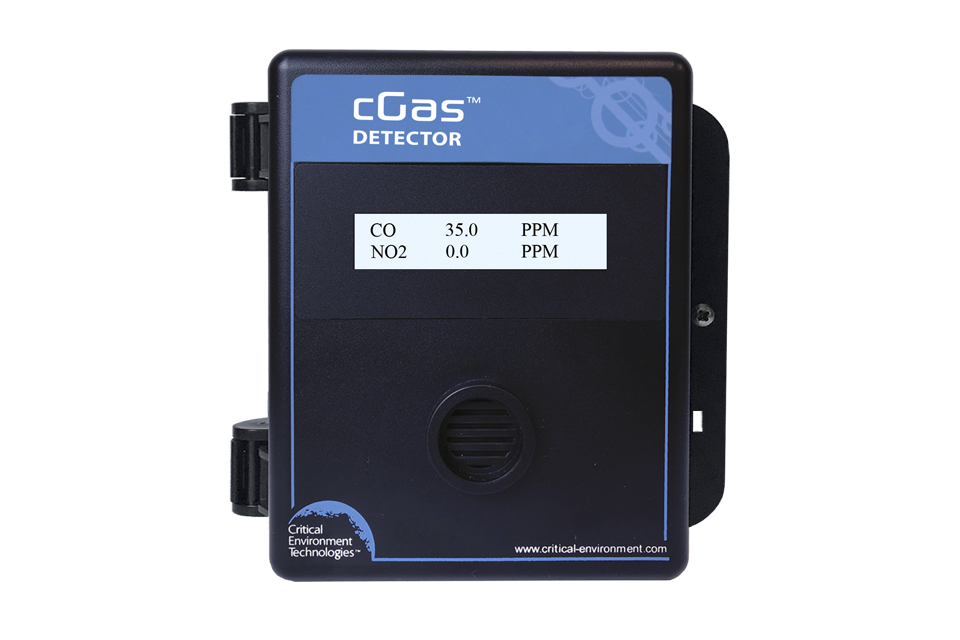
cGas Detector Digital Transmitter
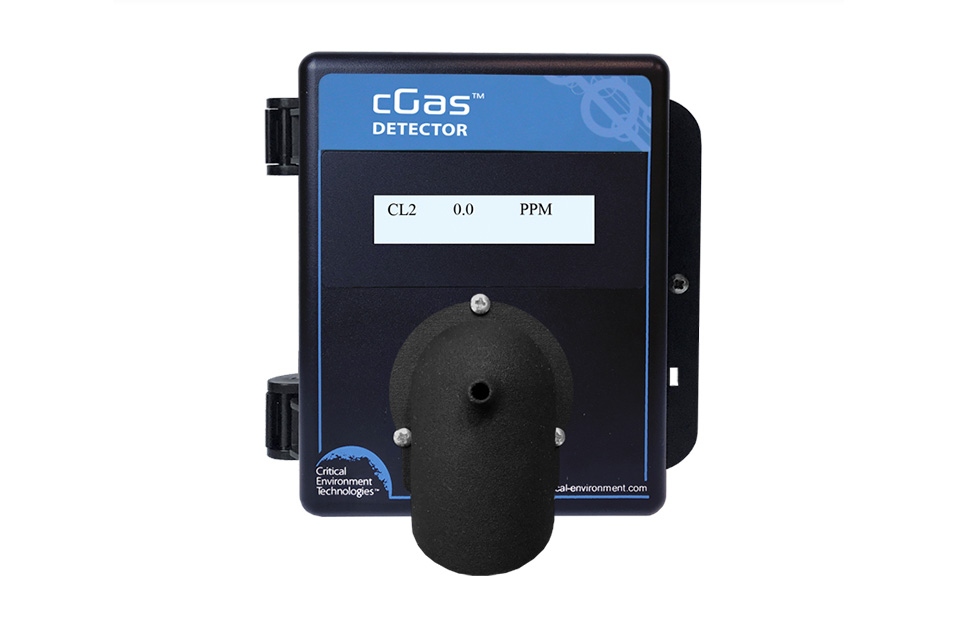
Splash Guard for Sticky Gases (Option -SN)
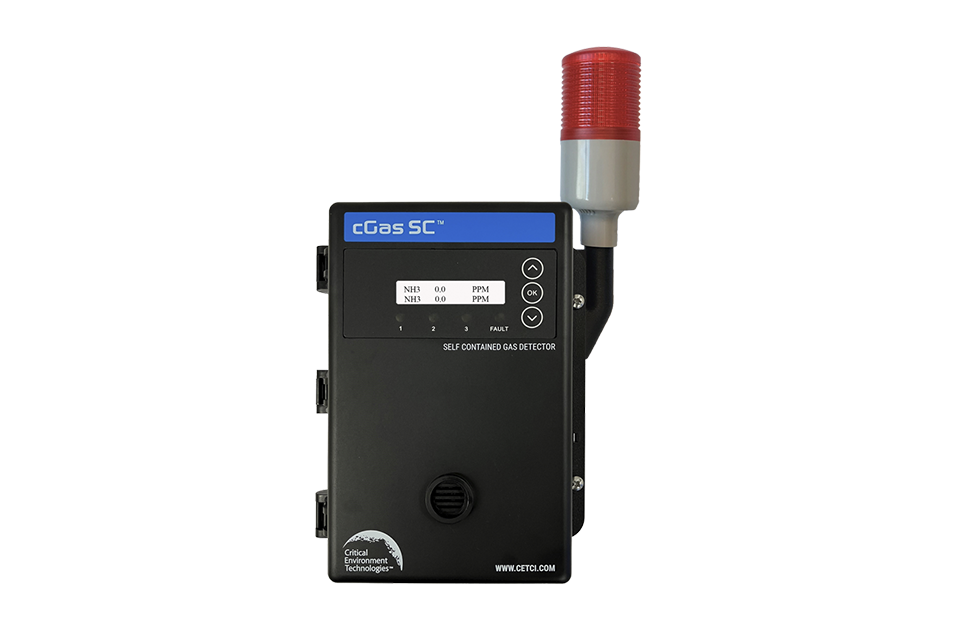
cGas-SC Self-Contained Controller
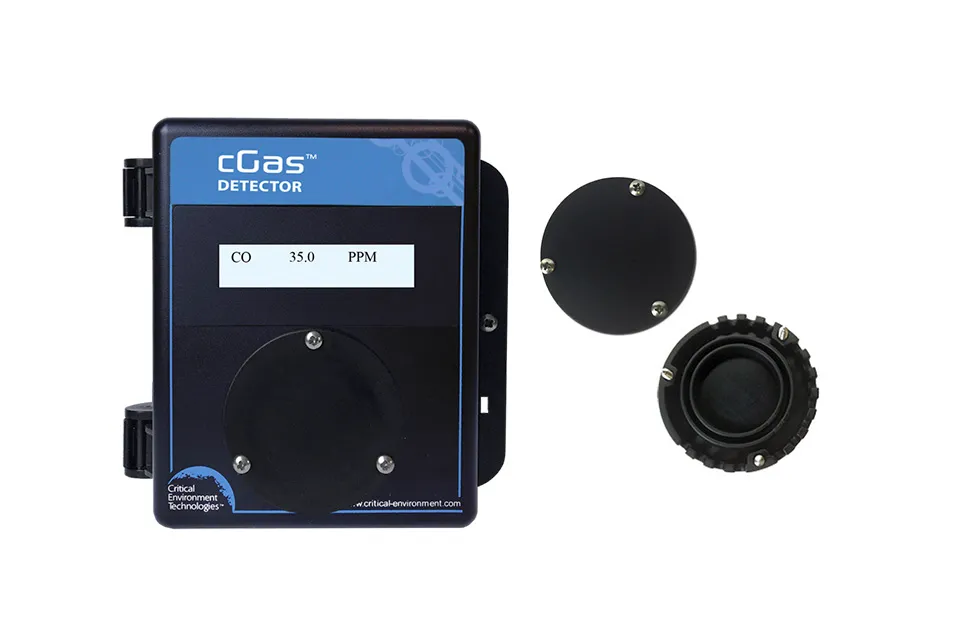
Splash Guard (Option -S)
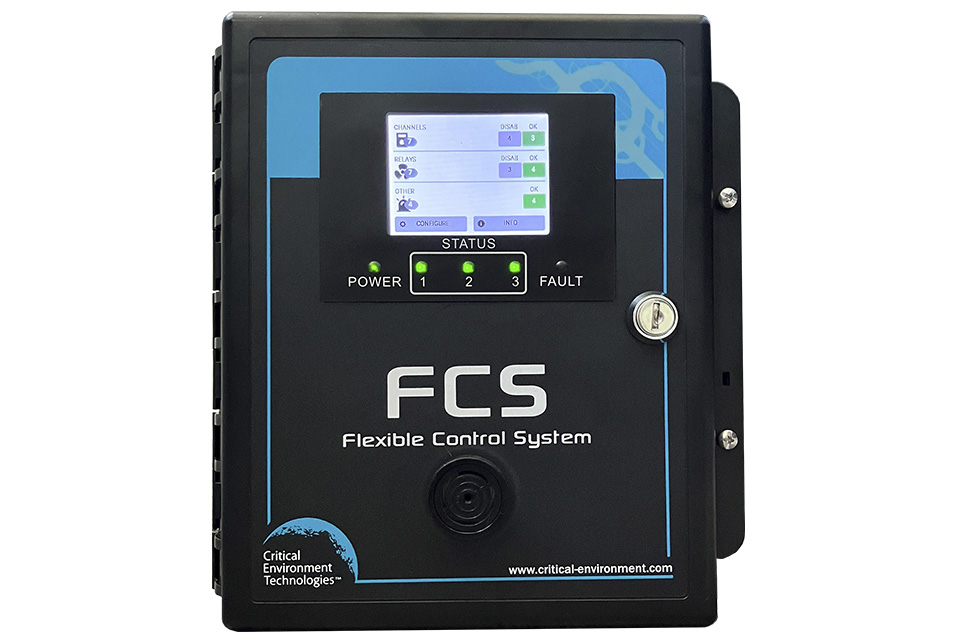
FCS Multi Channel System Controllers
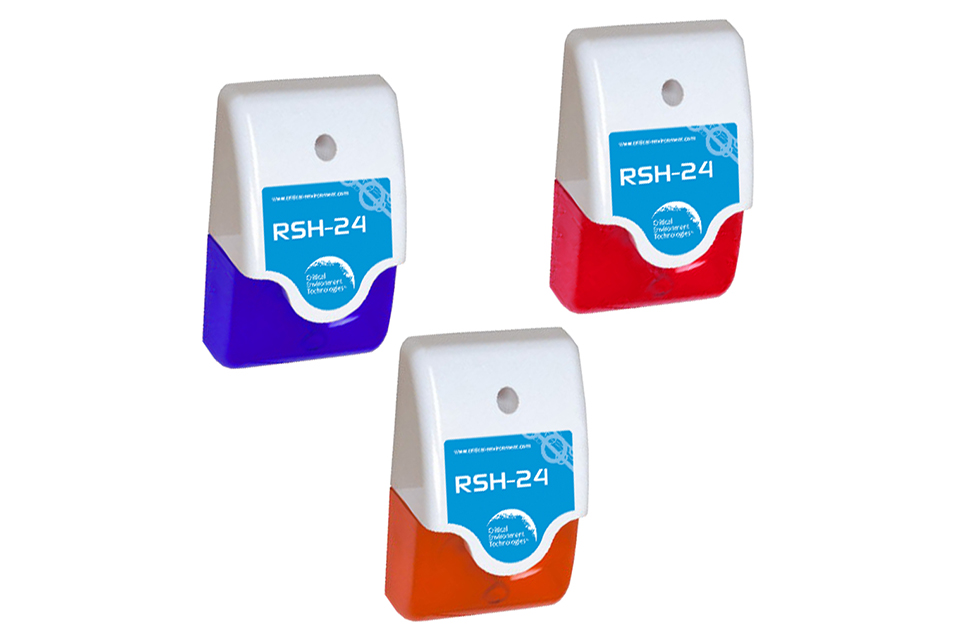
RSH-24V Remote Strobe & Horn
Downloads
Application: Indoor Swimming Pools - FCS and CGAS CL2 O3
Application Guides
Engineering Spec: Chlorine Leak - CGAS-SC-RS and CGAS-A-CL2
Engineering Specs
Brochure-Gas-Detection-Pools-Arenas.pdf
Brochures
Application: Indoor Swimming Pools - cGas-SC and CGAS-A-CO2
Application Guides