Gas Detection for Schools
Continuous monitoring of carbon monoxide, carbon dioxide, natural gas, and nitrogen dioxide protects students and staff across school facilities - from boiler rooms and science labs to bus loading areas and cafeteria kitchens.
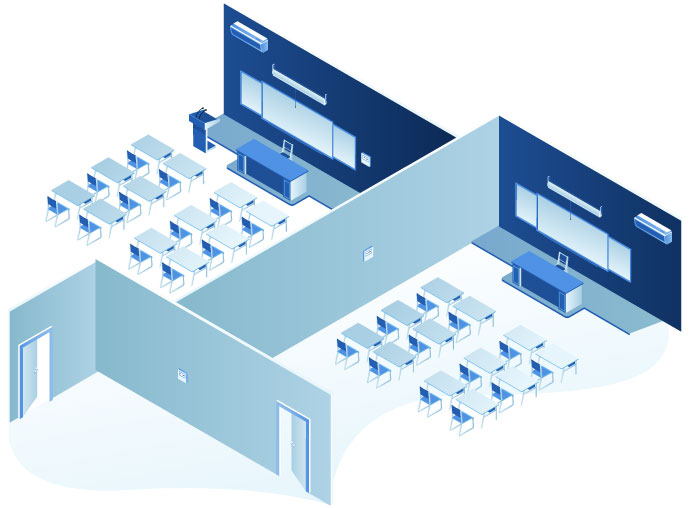
Typical Schools System
Target Gases
Gases monitored in this application
Why Gas Detection is Required
Schools contain a wide range of potential gas hazards due to occupied classrooms, mechanical systems, laboratories, kitchens, and large gathering spaces. A comprehensive school gas detection strategy is essential to protect students, staff, and visitors while supporting healthy indoor air quality and regulatory compliance. Natural gas is commonly used to fuel boilers, furnaces, water heaters, laboratory equipment, and kitchen appliances. These fuel‑burning systems are typically located in boiler rooms, mechanical spaces, science labs, and cafeterias, where leaks can occur due to equipment wear, improper operation, or inadequate maintenance. Natural gas leaks not only waste energy but also present a serious explosion risk that can cause structural damage and endanger lives. When gas‑fired equipment does not combust properly, carbon monoxide (CO) is produced. Because CO is colorless and odorless, elevated levels can spread quickly through ductwork and ventilation pathways, making school boiler room safety and continuous CO monitoring critical. Another significant concern in schools is carbon dioxide (CO₂) buildup related to occupancy and ventilation effectiveness. CO₂ is not combustible, but it displaces oxygen and is a widely accepted indicator of indoor air quality. Every occupant exhales CO₂, and levels can rise rapidly in crowded classrooms, indoor gymnasiums, cafeterias, and auditoriums if ventilation is insufficient. Installing a classroom CO₂ monitor helps schools verify that ventilation systems are operating effectively and aligns with CDC and ASHRAE guidance on school ventilation and indoor air quality management. Secondary schools introduce additional hazards through science laboratories, where gas‑fueled burners and specialized equipment increase the risk of natural gas leaks and incomplete combustion. Gas detection in lab spaces provides early warning of unsafe conditions and supports safe learning environments. To address these risks, a comprehensive school gas detection system typically includes CO₂ sensors in classrooms and common areas for indoor air quality management, CO and natural gas detectors in boiler rooms, mechanical spaces, kitchens, and laboratories, and refrigerant gas monitoring in HVAC and chiller areas where applicable. When integrated with building automation and ventilation systems, gas detection enables real‑time response, improved air quality, and safer learning environments for students and staff.
System Architecture
A complete school gas detection system typically consists of CO₂ sensors in classrooms for ventilation verification, CO sensors in areas adjacent to vehicle loading zones or mechanical rooms, and combustible gas sensors in science labs and boiler rooms. Sensors connect to the building automation system for demand-controlled ventilation and centralized monitoring. For smaller schools, self-contained detector-controller units in high-risk areas provide economical protection. Larger K-12 or university facilities benefit from networked architectures with sensors throughout occupied spaces, enabling zone-specific ventilation control and integration with campus-wide monitoring systems. Alarm outputs interface with building automation for ventilation control, connect to fire alarm systems where required by code, and can provide remote notification to facility managers. Data logging supports compliance with IAQ standards and green building certifications.
Key Considerations
Important factors for planning your system
Multiple gas hazards throughout the facility require several types of gas detectors to protect the health and safety of students and faculty
The building's heating system design, location of natural gas heaters, cooking appliances, science lab equipment and other sources of potential leaks will determine how many gas detectors are required. CO and Methane detectors in the boiler room, kitchen and labs, CO detector in classrooms, hallways and other frequented areas.
CO₂ gas detectors throughout the facility for demand-controlled ventilation and indoor air quality monitoring.
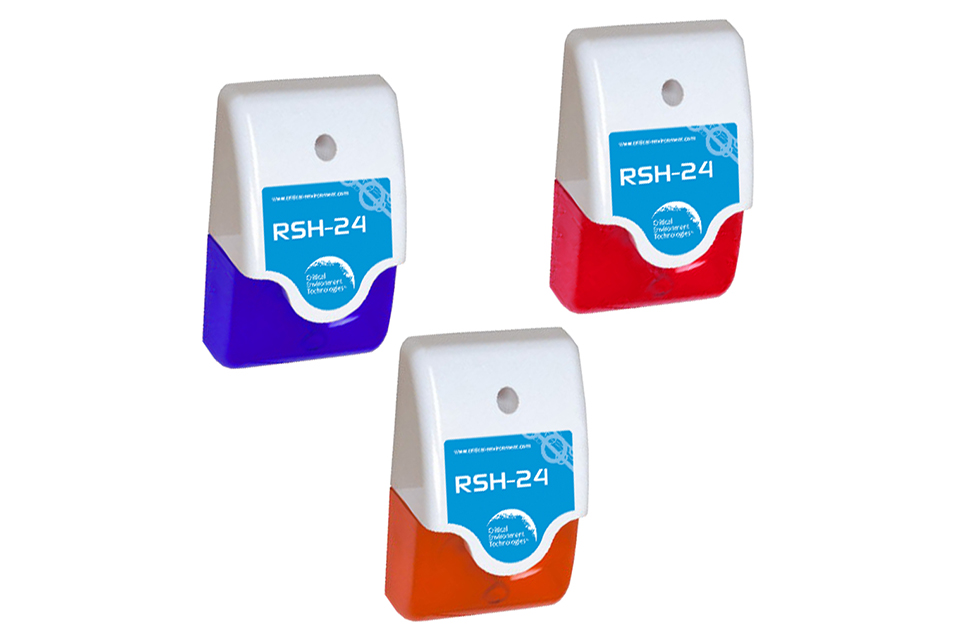
Audible / visual devices should be mounted in centralized locations where they are easily seen and heard.
Additional Information
The design of a building's heating system, including the location of additional natural gas heaters in more frequently occupied areas such as classrooms, can vary widely. Determining all the sources of potential leaks and what gas detection system components to install to ensure the safety of the occupants and property is important to health and safety.
Build Your Gas Detection Expertise
Explore upcoming webinars and personalized training from CET experts, covering gas detection technology, application guidance, installation, and commissioning.
Related Products
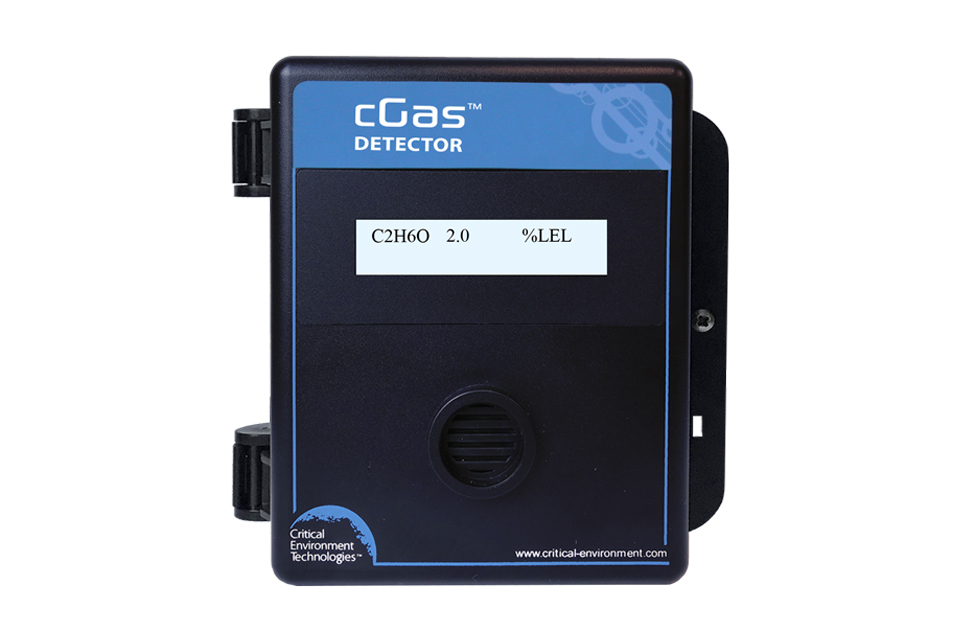
cGas Detector Analog Transmitter
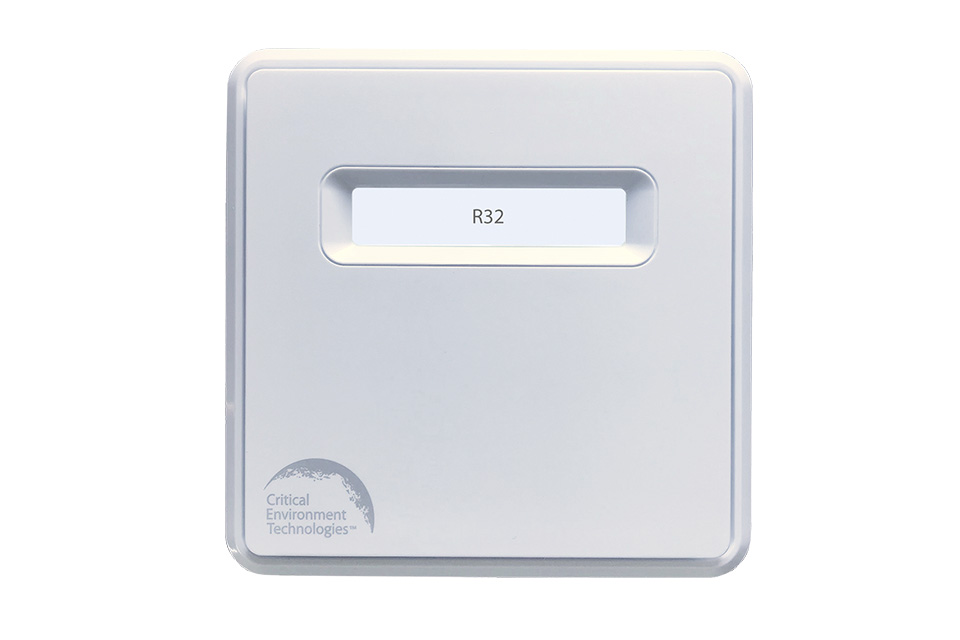
cGas Detector VRF IR Refrigerant Transmitter
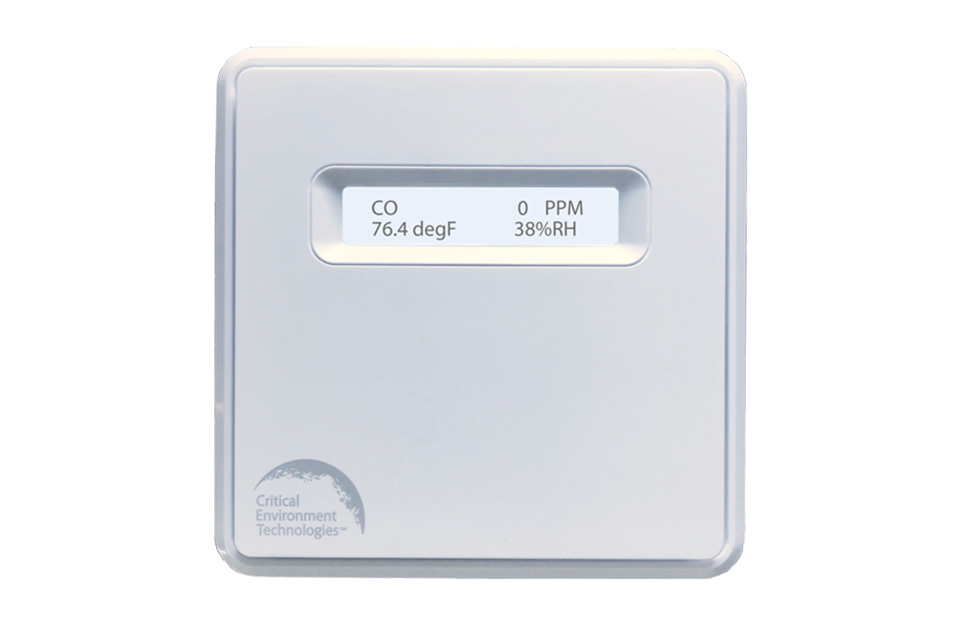
cGas Detector for Indoor Public Spaces
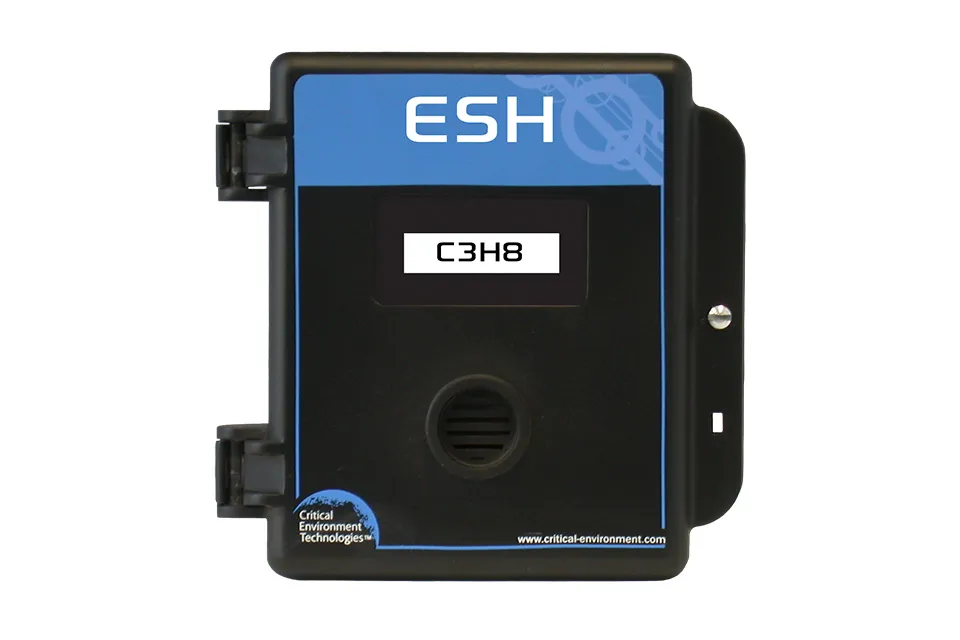
ESH-A Remote Sensor
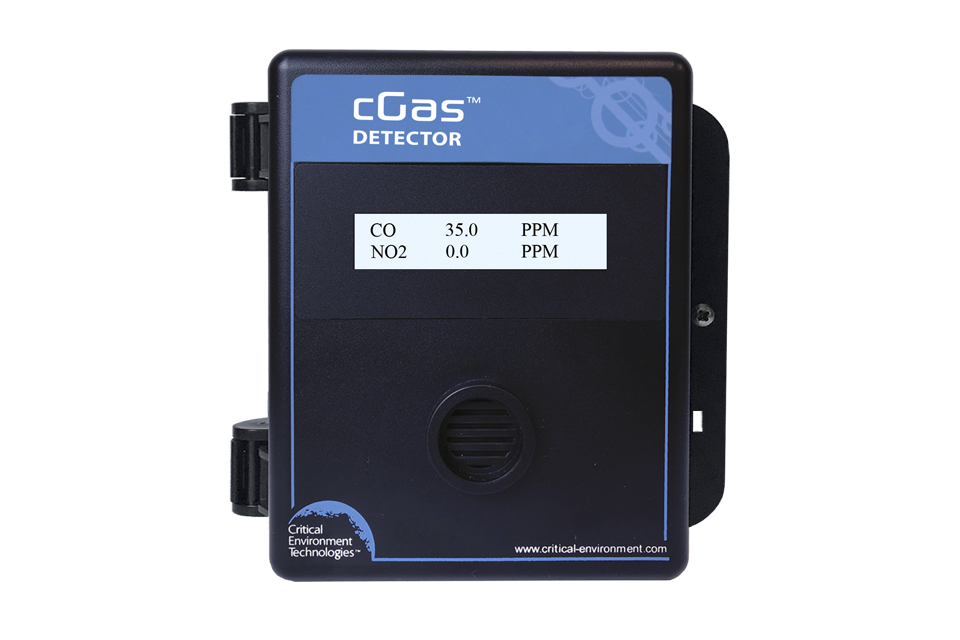
cGas Detector Digital Transmitter
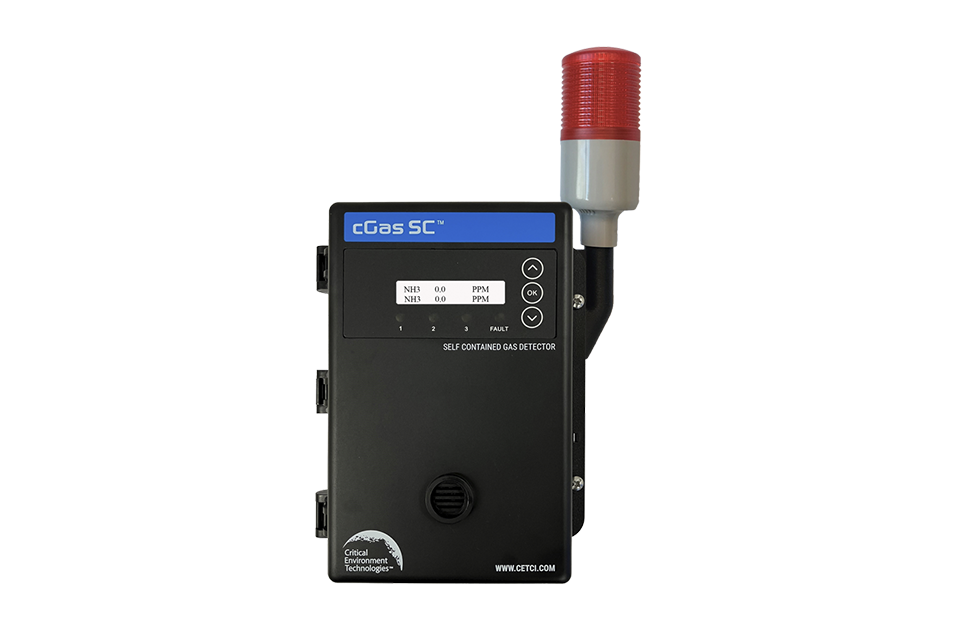
cGas-SC Self-Contained Controller
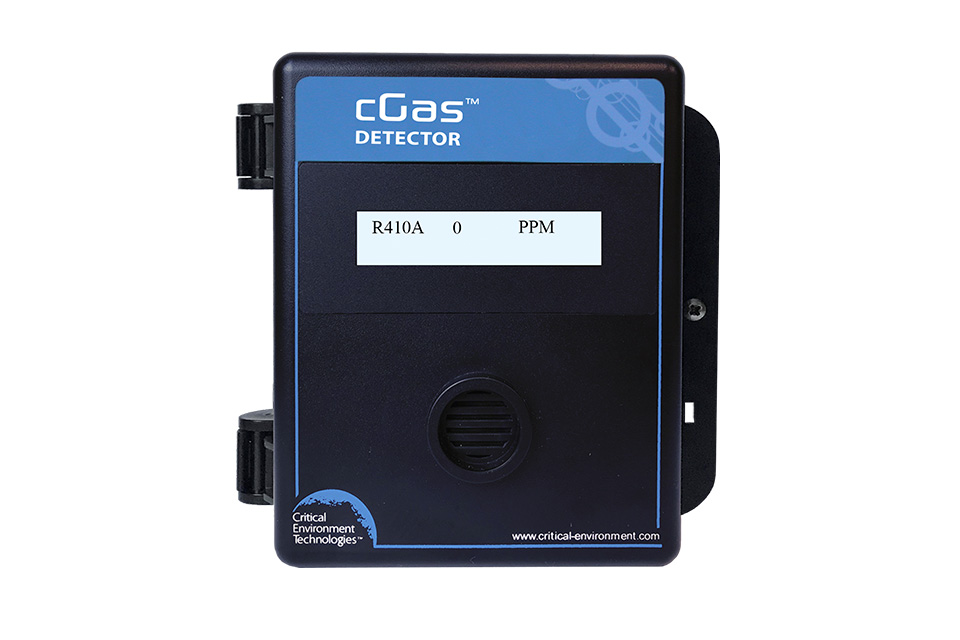
cGas Detector IR Refrigerant Transmitter
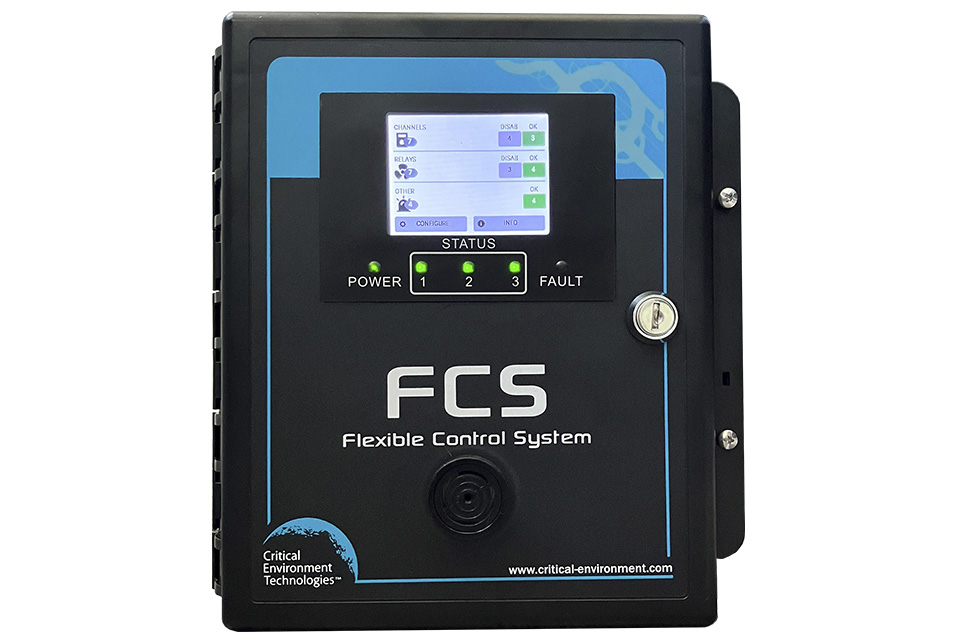
FCS Multi Channel System Controllers