
R-134a Leak Detectors
C₂H₂F₄R-134a (1,1,1,2-tetrafluoroethane, HFC-134a) is one of the most widely used hydrofluorocarbon refrigerants globally, found in automotive air conditioning, medium-temperature commercial refrigeration, and residential appliances. R-134a was developed as a non-ozone-depleting replacement for R-12 (CFC-12) and has been the dominant automotive refrigerant since the 1990s. With a GWP of 1,430, R-134a is subject to phase-down regulations under the EPA AIM Act and European F-gas regulations. The automotive industry is transitioning to R-1234yf, while commercial refrigeration moves toward lower-GWP alternatives. R-134a remains an A1 refrigerant (non-flammable, low toxicity), making it safe for most applications but requiring leak detection for environmental compliance.
Need R-134a Detection?
Get expert guidance on the right detection solution for your application.
Key Information
Essential safety and exposure information for R-134a
Health Effects
Low acute toxicity but can cause asphyxiation in enclosed spaces. May cause cardiac sensitization at high concentrations.
Common Sources
- Automotive air conditioning
- commercial refrigeration
- and HVAC systems.
Exposure Limits
- WEEL
- 1,000 ppm (8-hr TWA)
- No OSHA/NIOSH limit
- No OSHA/NIOSH limit
- Simple asphyxiant hazard
- Simple asphyxiant hazard
Regulatory Status
- EPA Classification
- HFC (non-ODS)
- ASHRAE Safety Group
- A1 (low toxicity, non-flammable)
- GWP (AR5)
- 1,430
- ODP
- 0
- AIM Act Status
- Subject to sector-based phase-down
- EU F-gas
- Banned in new motor vehicles since 2017
Detection Requirements
- Mounting Height
- Near floor level, near potential leak points, 6–8 inches off floor
- Sensor Technology
- Infrared (NDIR)
- Detection Range
- 0-1,000 ppm typical
- Response Time
- <30 seconds (T90)
- Calibration Frequency
- Annual recommended
Build Your Gas Detection Expertise
Explore upcoming webinars and personalized training from CET experts, covering gas detection technology, application guidance, installation, and commissioning.
Related Applications
Industries and environments where R-134a detection is critical
Hotels
Continuous monitoring of refrigerant gases in hotel rooms are used to keep the indoor environment comfortable.
Chiller Rooms
Ammonia, R-410A, and A2L refrigerant detection for central plant mechanical rooms and HVAC equipment areas
Cold Storage
Refrigerant or ammonia leak and oxygen depletion monitoring for walk-in freezers, cold rooms, and temperature-controlled warehouses
Ice Arenas
Multiple gas hazards throughout ice arenas require several detectors to protect workers, spectators, and athletes.
Data Centers
Refrigerant leaks from cooling infrastructure can create asphyxiation risks, while hydrogen off‑gassing from battery systems can form an explosive hazard.
Schools
Continuous monitoring of carbon monoxide, carbon dioxide, natural gas, and nitrogen dioxide protects students and staff across school facilities - from boiler rooms and science labs to bus loading areas and cafeteria kitchens.
Detection Solutions
Sensors and detectors for R-134a monitoring
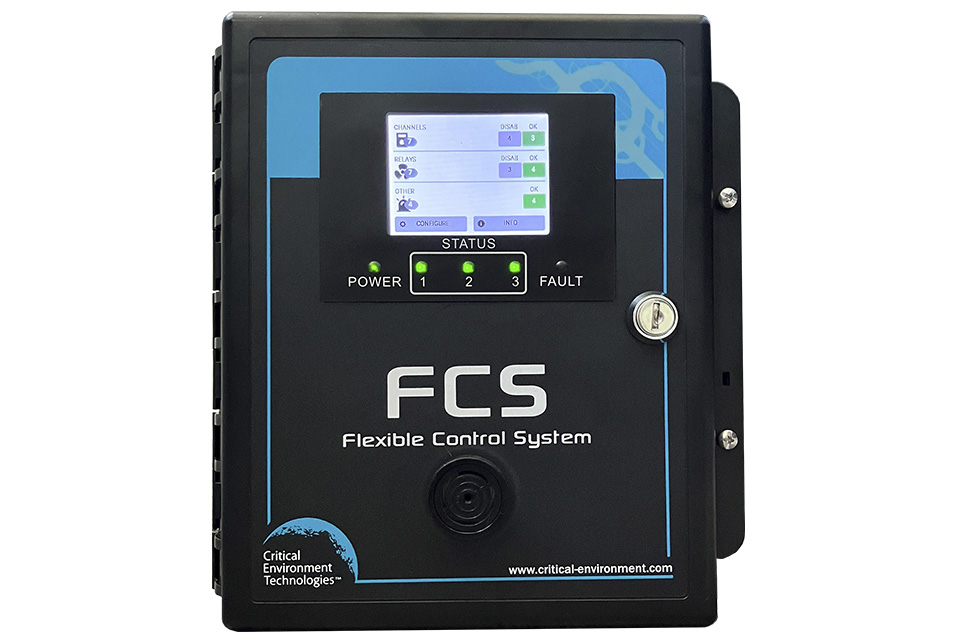
FCS Multi Channel System Controllers
High performance controller with logic and priority settings for monitoring toxic, combustible and refrigerant gases with versatile control functionality. Available with Modbus® or BACnet® communication with BAS, supports 4-20 mA and Modbus® driven VFDs.
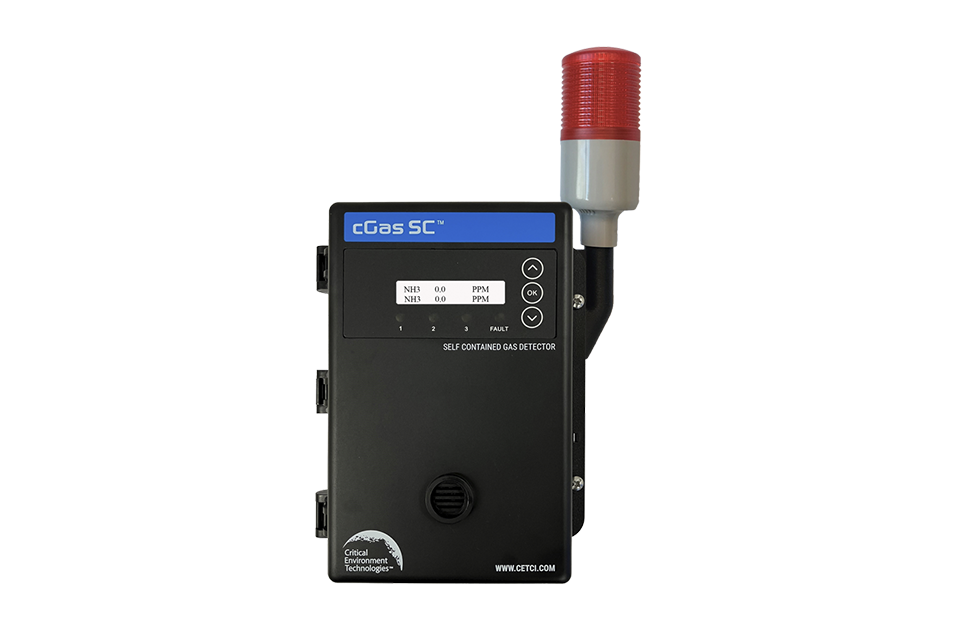
cGas-SC Self-Contained Controller
A self contained controller with up to 3 gas channels, Plug & Play Smart Sensor Technology and configurable logic control and priority settings. Offers superior user customization and reliable gas detection performance for monitoring many gases.
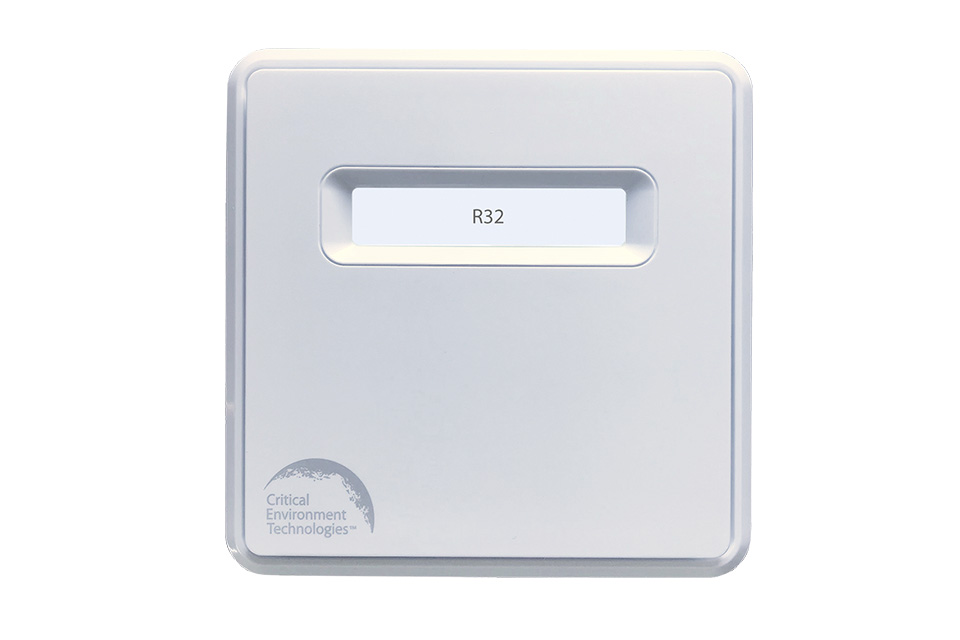
cGas Detector VRF IR Refrigerant Transmitter
An aesthetic, non-dispersive infrared refrigerant gas detector for acute leak detection in modern energy-efficient buildings utilizing Variable Refrigerant Flow (VRF) HVAC systems.
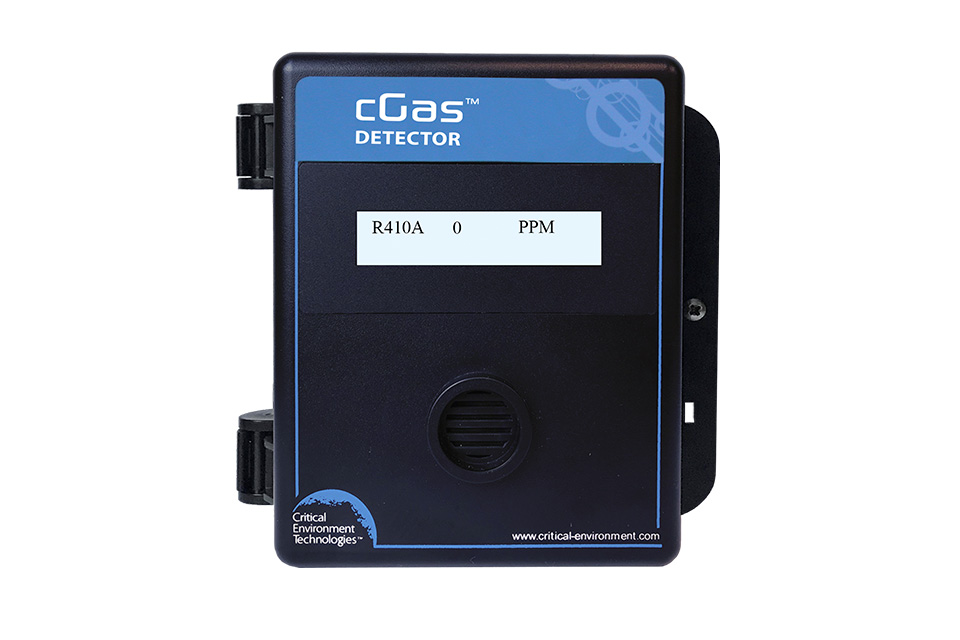
cGas Detector IR Refrigerant Transmitter
Non-dispersive infrared refrigerant gas detector with accurate, low level leak detection, available with analog output or BACnet® or Modbus® output and Plug & Play Smart Sensor Technology.