Gas Detection for Cold Storage
Continuous monitoring of refrigerant or ammonia leaks and oxygen depletion in walk-in freezers, cold rooms and temperature-controlled warehouses.
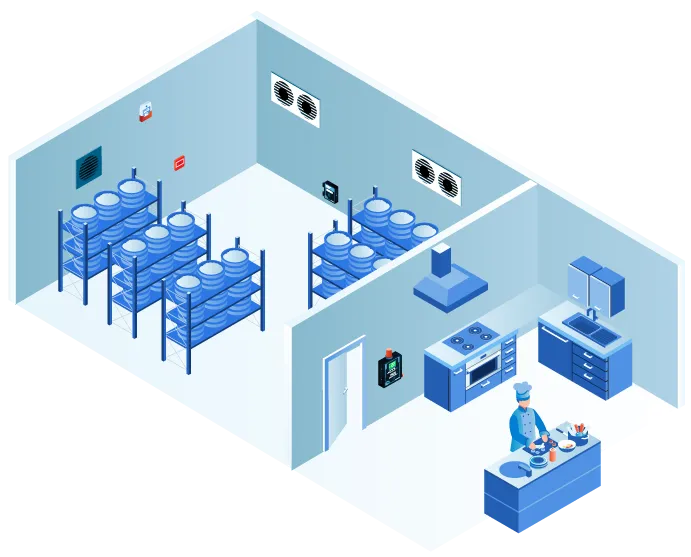
Typical Cold Storage System
Why Gas Detection is Required
Cold storage facilities—walk-in freezers, blast chillers, and temperature-controlled warehouses—rely on refrigeration systems containing ammonia, CO₂, or synthetic refrigerants. When these systems develop leaks in the confined, poorly ventilated cold spaces, refrigerants and CO₂ can accumulate rapidly, displacing oxygen. Ammonia is highly toxic and flammable, posing a risk of explosion. Many refrigerants are heavier than air and will concentrate at floor level, displacing oxygen. In a cold environment, workers may not immediately recognize the symptoms of oxygen depletion. Additionally, the thermal shock of entering cold spaces can mask early warning signs of refrigerant exposure. Ammonia is lighter than air and will concentrate at the ceiling. Continuous detection provides the early warning that human senses cannot.
System Architecture
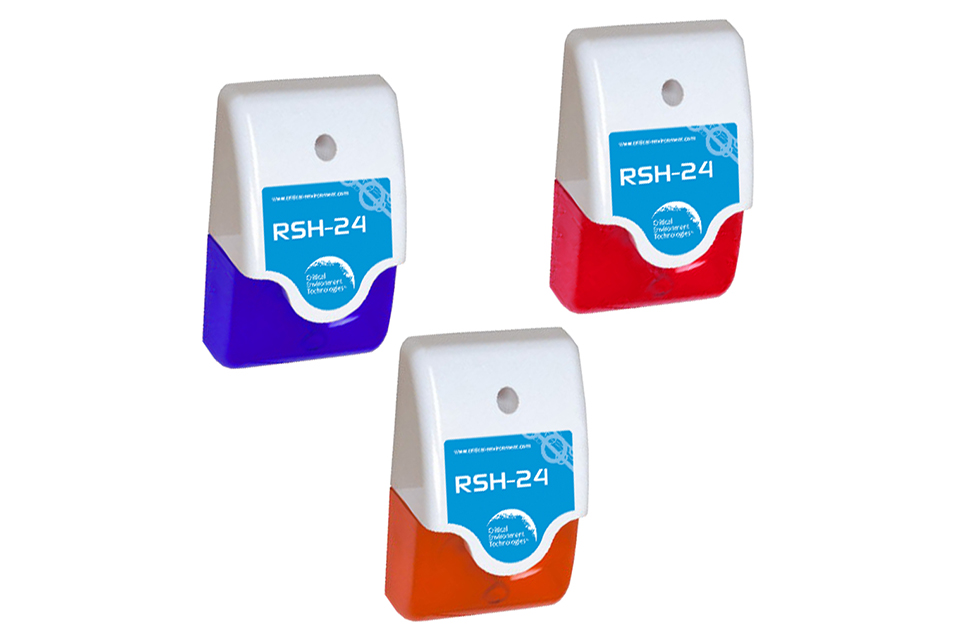
A complete cold storage gas detection system typically consists of low-temperature-rated sensors positioned near evaporator coils and at floor level, or near the ceiling to detect ammonia, connected to a controller located in an ambient-temperature area. The controller monitors gas levels continuously and manages alarms positioned at cold room entrances to warn workers before entry. For single cold rooms, self-contained detector-controller units rated for low-temperature operation provide economical protection. Larger cold storage facilities benefit from remote sampling systems that draw air from multiple locations to sensors in temperature-controlled enclosures, eliminating concerns about sensor performance in extreme cold. Alarm outputs activate audible/visual notification devices outside each cold room entrance, trigger emergency ventilation where available, and can interface with refrigeration controls for leak isolation. Controllers with relay outputs provide direct equipment control, while integration with facility monitoring enables remote notification of alarm conditions.
Key Considerations
Important factors for planning your system
Sensors must be rated for low-temperature operation (-40°C/-40°F capability)
Refrigerant detectors should be mounted near floor level and near evaporator coils
Ammonia detectors should be mounted on or near the ceiling
Oxygen depletion monitoring provides backup safety for all refrigerant types
Alarms outside cold room entrances warn workers before entry
Additional Information
Standard electrochemical sensors may not function reliably at freezer temperatures. Select sensors specifically designed for cold storage applications or install sensors in temperature-controlled enclosures. Consider remote sampling systems that draw air to sensors located in ambient-temperature areas.
Build Your Gas Detection Expertise
Explore upcoming webinars and personalized training from CET experts, covering gas detection technology, application guidance, installation, and commissioning.
Related Products
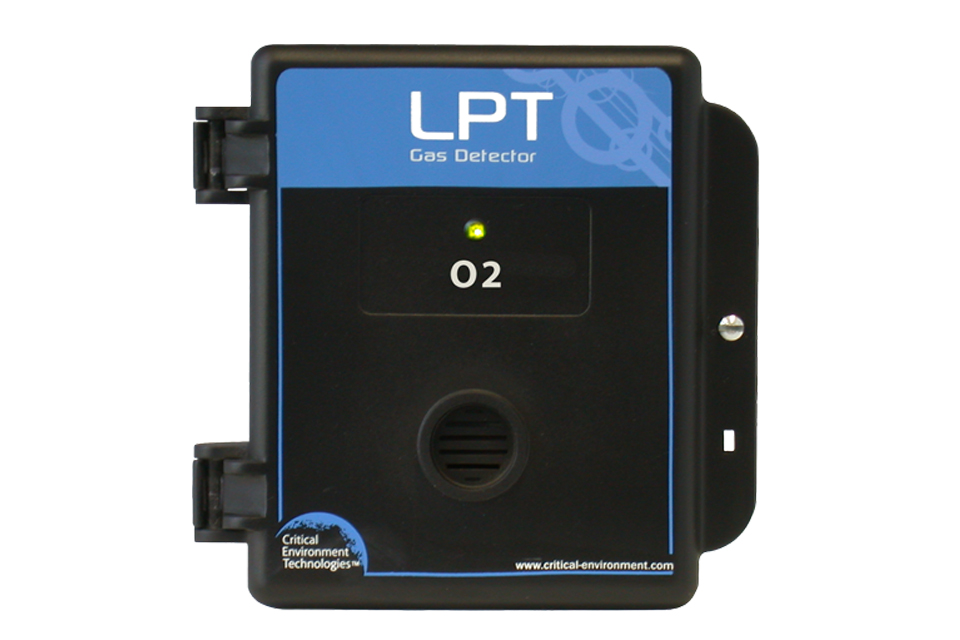
LPT Low Power Transmitter
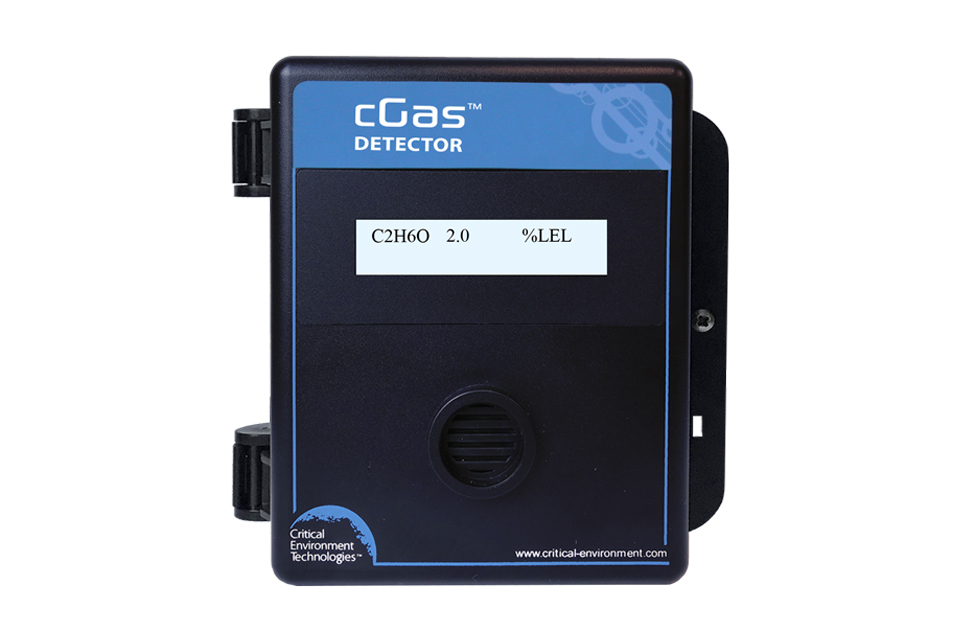
cGas Detector Analog Transmitter
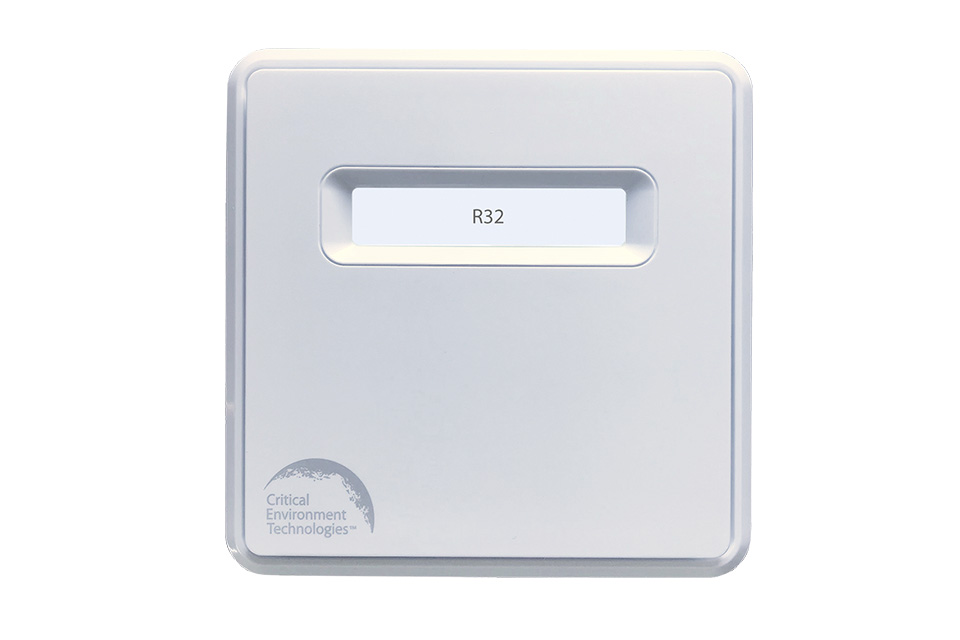
cGas Detector VRF IR Refrigerant Transmitter
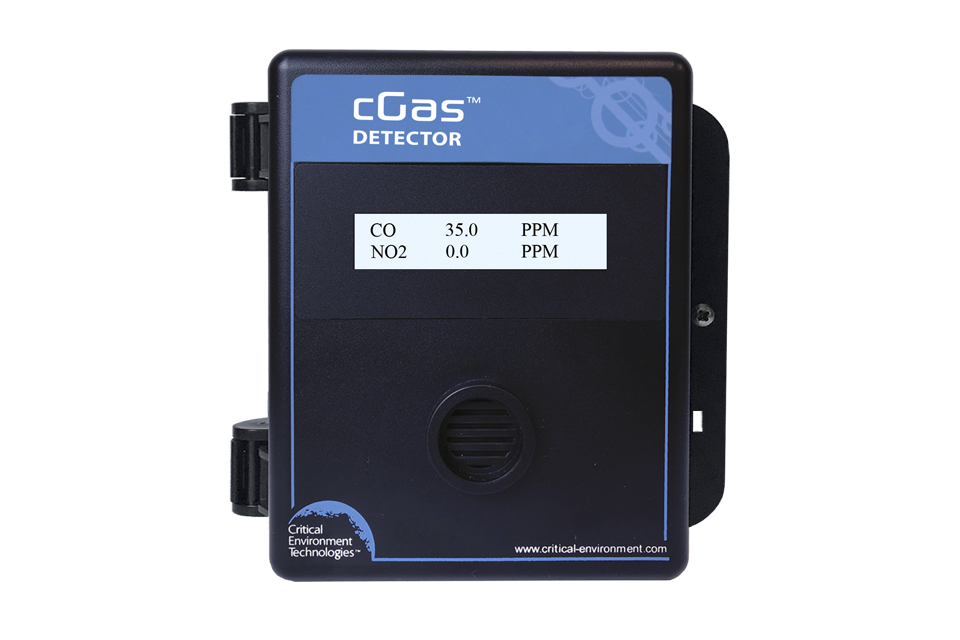
cGas Detector Digital Transmitter
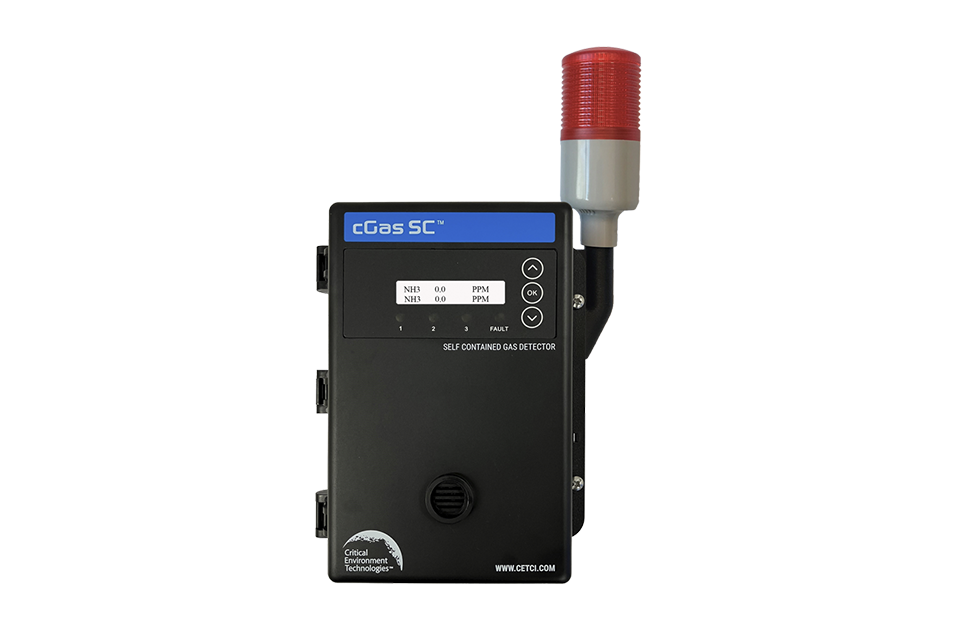
cGas-SC Self-Contained Controller
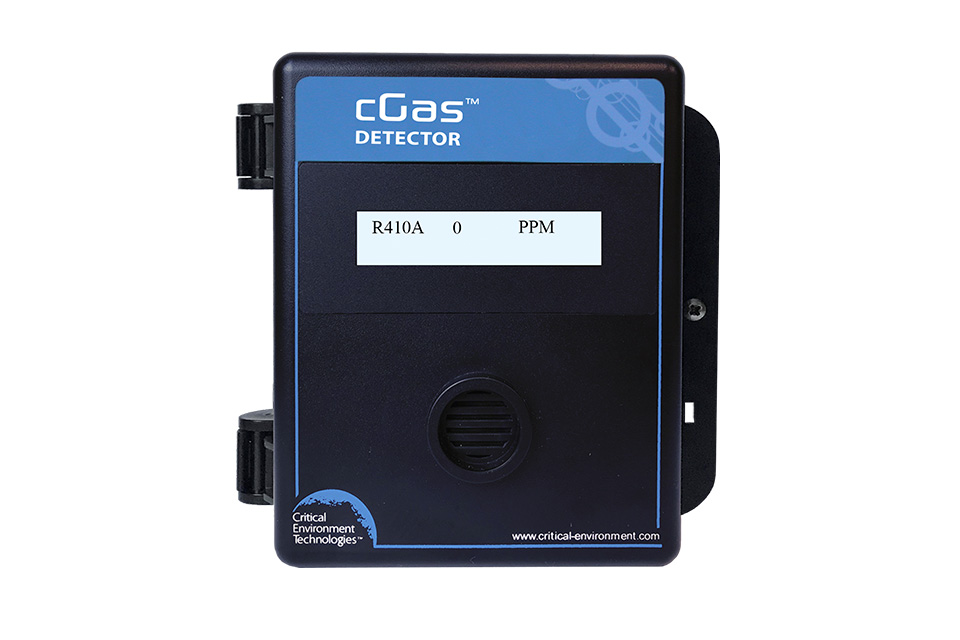
cGas Detector IR Refrigerant Transmitter
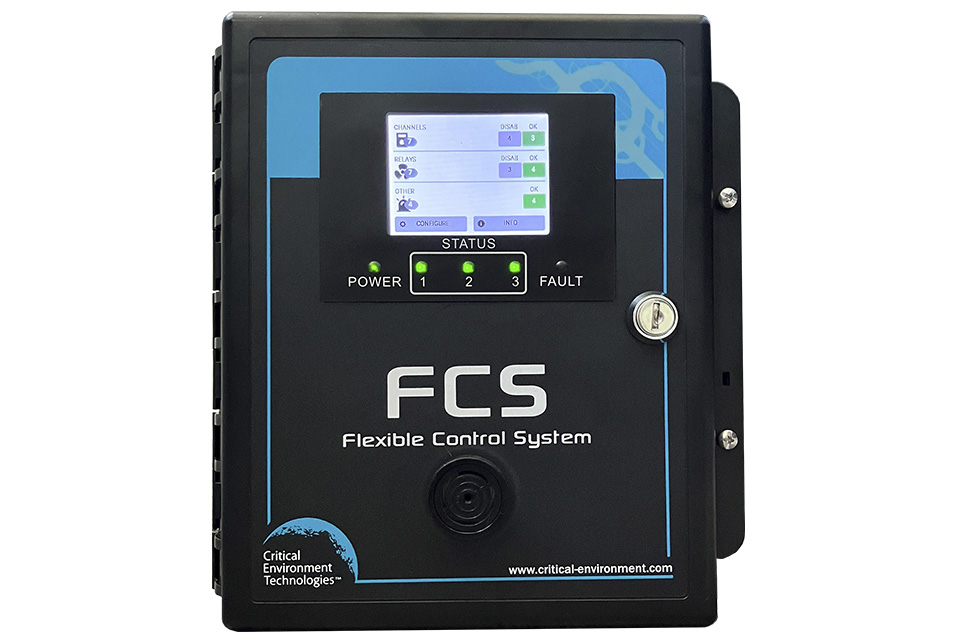
FCS Multi Channel System Controllers