
Oxygen Gas Detectors
O₂Oxygen (O₂) is essential for human life, with normal atmospheric concentration at 20.9%. When concentrations fall below 19.5%, the atmosphere is considered oxygen deficient, and when levels rise above 23.5%, it becomes oxygen enriched—both conditions pose serious safety hazards. Oxygen depletion often results from displacement by gases such as carbon dioxide, nitrogen, propane, methane, or helium, and can occur in confined spaces, inert gas–blanketed areas, or locations where oxygen is consumed through oxidation or respiration. Excess oxygen is just as dangerous. In an enriched atmosphere, fire and explosion risks increase dramatically, and materials that are normally non combustible can ignite with surprising intensity. Enrichment may occur due to leaking oxygen cylinders, malfunctions in medical oxygen systems, or industrial processes that use high purity oxygen. A properly installed O₂ depletion detector or confined space oxygen sensor provides continuous monitoring and early warning, helping protect personnel from both oxygen deficiency and oxygen enrichment.
Need Oxygen Detection?
Get expert guidance on the right detection solution for your application.
Key Information
Essential safety and exposure information for Oxygen
Health Effects
- Oxygen‑deficient atmospheres can quickly lead to impaired judgment, loss of consciousness and ultimately death
- Oxygen‑enriched environment greatly heightens fire and explosion risks
Common Sources
- Deficiency: Inert gas release, Cryogenic liquids, Combustion process, Biological activity, Chemical reactions
- Enrichment: Leaking oxygen cylinders, Malfunctioning medical oxygen systems, Industrial processes using high purity oxygen, Poor ventilation around oxygen supply equipment
Exposure Limits
- Normal atmospheric level
- 20.9%
- OSHA
- 19.5-23.5% safe atmosphere
- NIOSH
- Oxygen deficient (IDLH): <19.5%
- NIOSH
- Oxygen enrichment (fire risk): >23.5%
- ACGIH
- Simple asphyxiant
Regulatory Status
- Oxygen safety is referenced indirectly by the EPA in the Risk Management Program under 40 CFR Part 68, which requires facilities to evaluate atmospheric hazards such as asphyxiation. Oxygen related safety is addressed through ASHRAE Standard 15 (machinery room gas detection requirements), ASHRAE Standard 34 (refrigerant safety classifications), and ASHRAE 62.1 (ventilation requirements that help prevent oxygen deficient atmospheres).
Detection Requirements
- Sensor Technology
- Electrochemical
- Sensor Detection Range
- 0-25% vol
- Alarm Setpoints
- Low 19.5%, High 23.5%
- Mounting Height
- Breathing Zone 4-6 ft / 1.2-1.8 m from the floor
Build Your Gas Detection Expertise
Explore upcoming webinars and personalized training from CET experts, covering gas detection technology, application guidance, installation, and commissioning.
Related Applications
Industries and environments where Oxygen detection is critical
Wastewater Treatment
Hydrogen sulfide, methane, and oxygen monitoring for pump stations, digesters, and enclosed treatment areas
Breweries
Gas detection and monitoring of CO2, O2, and Ozone in breweries ensures the safety of patrons and employees.
Hospitals
Continuous monitoring for oxygen deficiency levels in hospitals and labs with a fixed gas detection system ensures the safety of patients and staff.
Welding Shops
Combustible gas, oxygen, and fume detection for fabrication facilities and metal working environments
Laboratories
Continuous monitoring protects laboratory personnel from combustible gases, oxygen displacement, and hazardous toxic gas exposure in laboratory settings and research facilities.
CO₂ Enrichment
Safety monitoring for controlled atmosphere agriculture where CO₂ levels are artificially elevated
Cold Storage
Refrigerant or ammonia leak and oxygen depletion monitoring for walk-in freezers, cold rooms, and temperature-controlled warehouses
Waste & Recycling
Methane, hydrogen sulfide, and combustible gas monitoring for material recovery facilities and waste processing plants
Grow Rooms
Continuous monitoring of ethylene, CO₂ and combustible gases for plant health optimization and indoor cannabis and vertical farming operations.
Distilleries
Explosion proof Ethanol gas detectors should be used for the safety and protection of property in distilleries.
Indoor Air Quality
Carbon monoxide, CO2 and TVOC monitoring for classrooms, offices, and public assembly spaces to optimize both air quality and energy efficiency.
Boiler Rooms
Continuous monitoring of natural gas, CO, and CO2 in schools & boiler rooms ensures the safety of students and faculty.
MRI Rooms
Continuous monitoring of oxygen levels in areas where compressed gases or cryogenic liquids such as nitrogen, helium, and occasionally carbon dioxide are used, including MRI suites, NMR rooms, and cryogenic equipment spaces, to detect and prevent oxygen deficient atmospheres.
Battery Charging
Continuous monitoring of hydrogen from charging electric forklifts with lead acid batteries and battery charging rooms to reduce the risk of fire and explosion.
Wineries
Gas detection and monitoring in wineries is imperative due to a significant amount of CO2 generated during fermentation.
Detection Solutions
Sensors and detectors for Oxygen monitoring
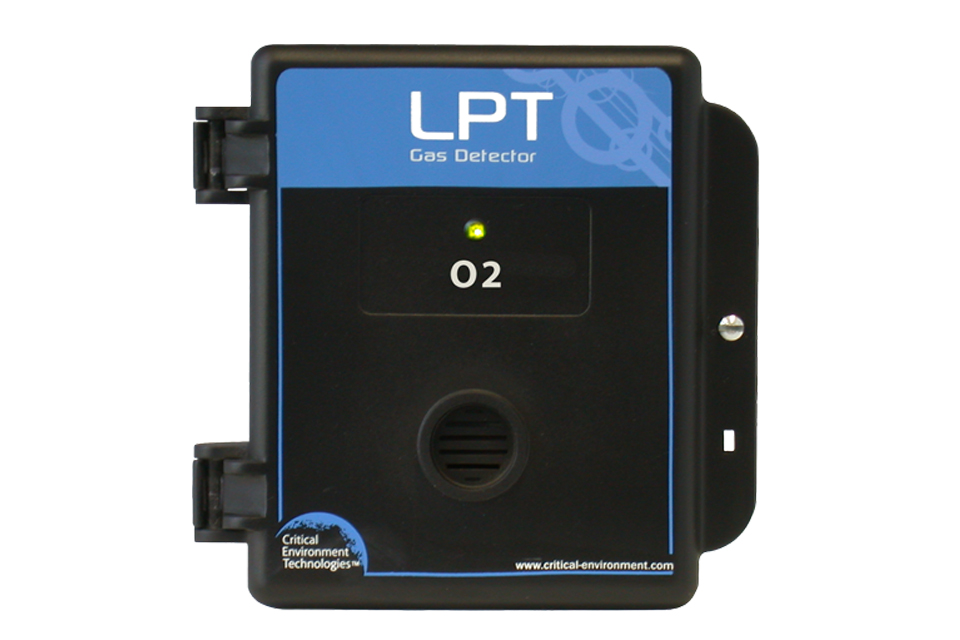
LPT Low Power Transmitter
Single channel, analog gas detector for enclosed parking facilities, recreational facilities, oxygen depletion applications.
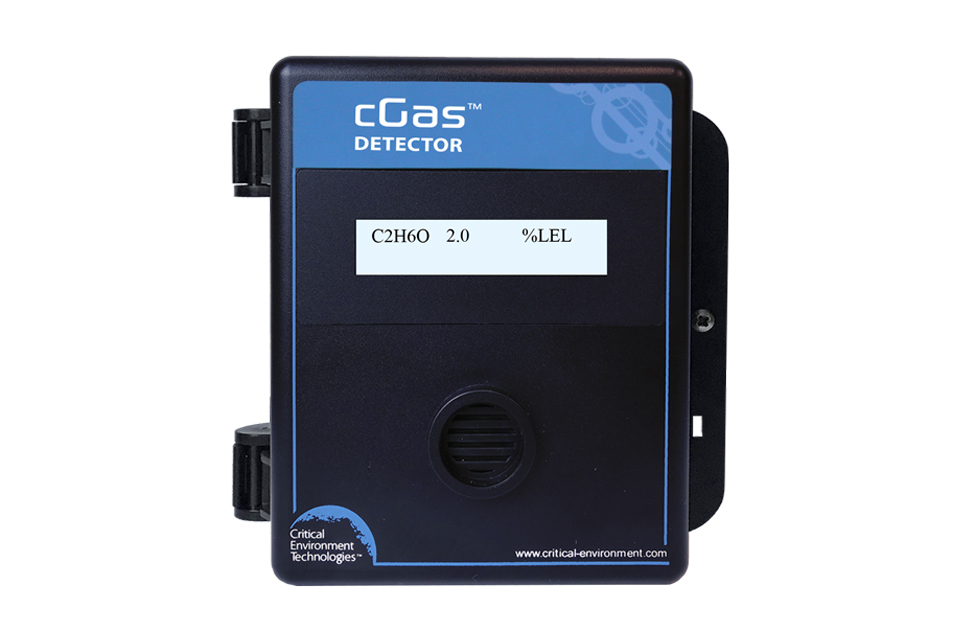
cGas Detector Analog Transmitter
Single channel, analog gas detector with Plug & Play Smart Sensor Technology.
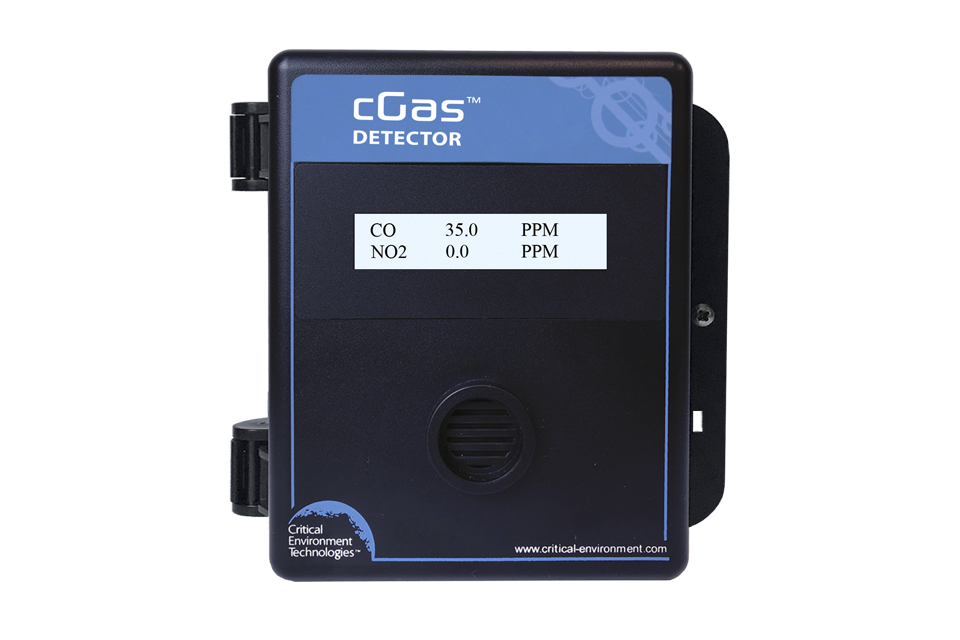
cGas Detector Digital Transmitter
One or two channel Modbus® or BACnet® gas detector with flexible customization options and Plug & Play Smart Sensor Technology.
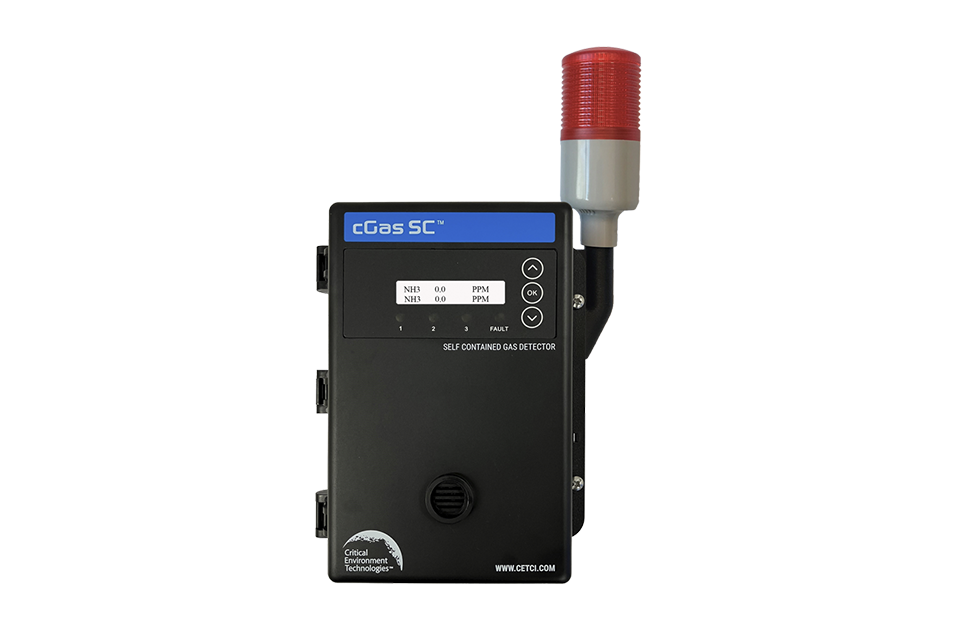
cGas-SC Self-Contained Controller
A self contained controller with up to 3 gas channels, Plug & Play Smart Sensor Technology and configurable logic control and priority settings. Offers superior user customization and reliable gas detection performance for monitoring many gases.
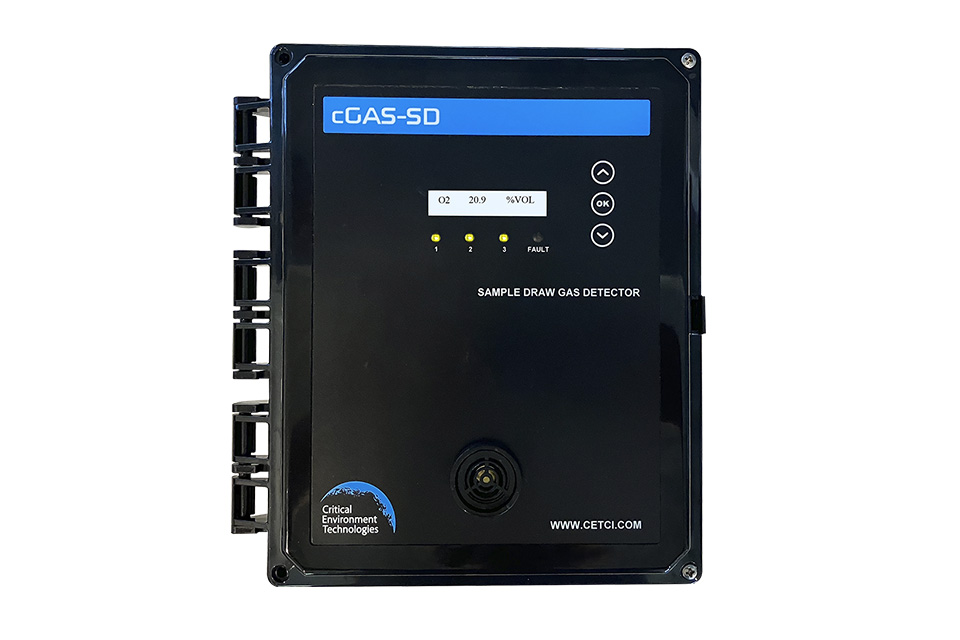
cGas-SD Sample Draw System
A Self-contained, single sensor sample draw gas detection system that draws sample air from locations where it is difficult to install a gas detector.
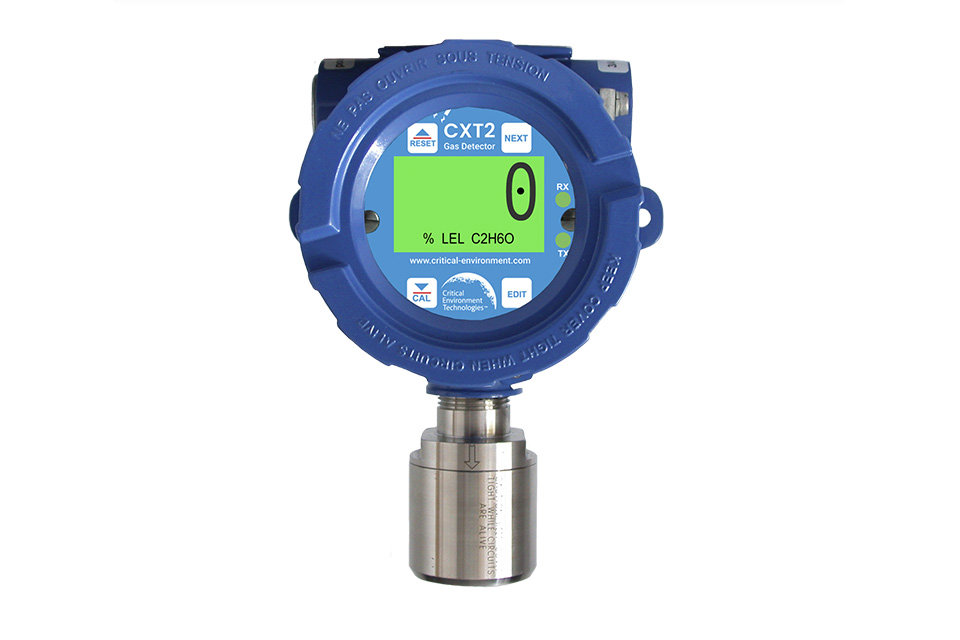
CXT2 Explosion Proof Transmitter
Reliable, accurate monitoring of toxic or combustible gases in potentially explosive and harsh environments, including hazardous-rated areas.
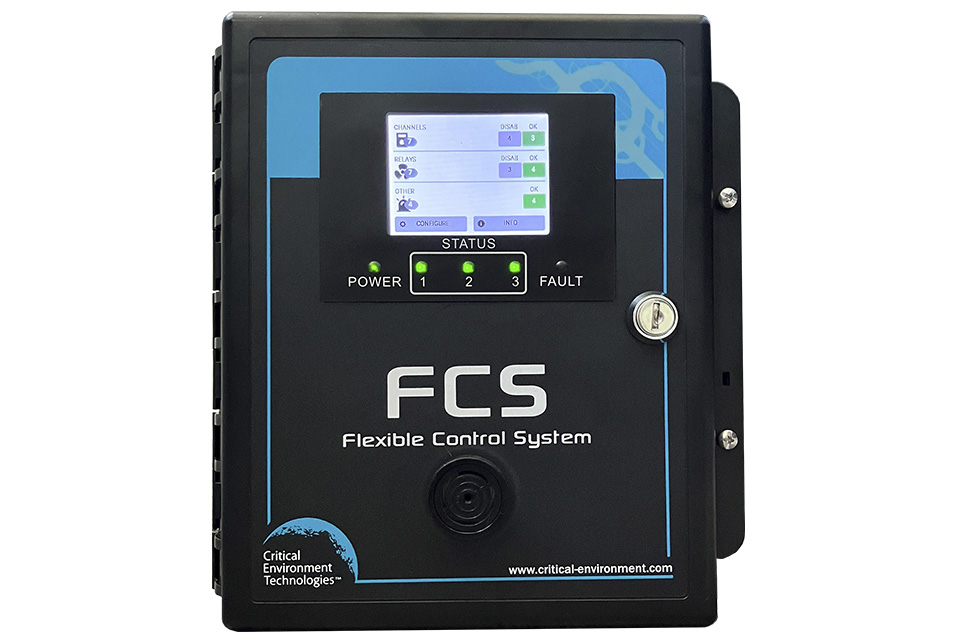
FCS Multi Channel System Controllers
High performance controller with logic and priority settings for monitoring toxic, combustible and refrigerant gases with versatile control functionality. Available with Modbus® or BACnet® communication with BAS, supports 4-20 mA and Modbus® driven VFDs.
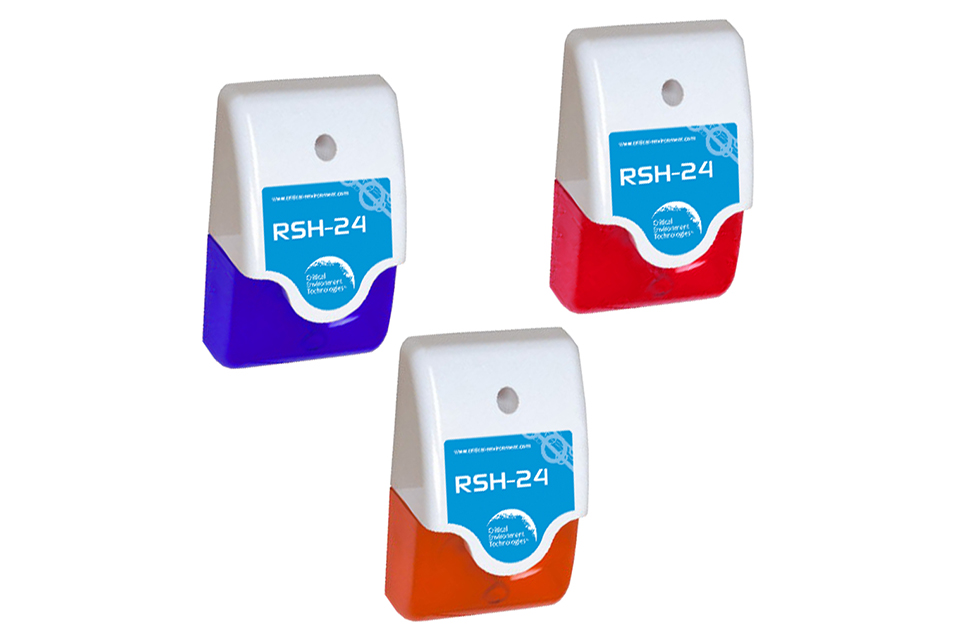
RSH-24V Remote Strobe & Horn
Two alarm features in one safety device, mounting fixture not included. Available in 3 different lens colours, combines a visual and an audible alarm feature into one compact, low profile device.
Related Gases
Other Oxygen & Asphyxiants we detect