Gas Detection for Grow Rooms
Continuous monitoring of ethylene, carbon dioxide, oxygen, and combustible gases in indoor grow rooms protects workers from asphyxiation and explosion hazards while optimizing controlled-atmosphere conditions for cannabis cultivation, vertical farming, and commercial greenhouse production.
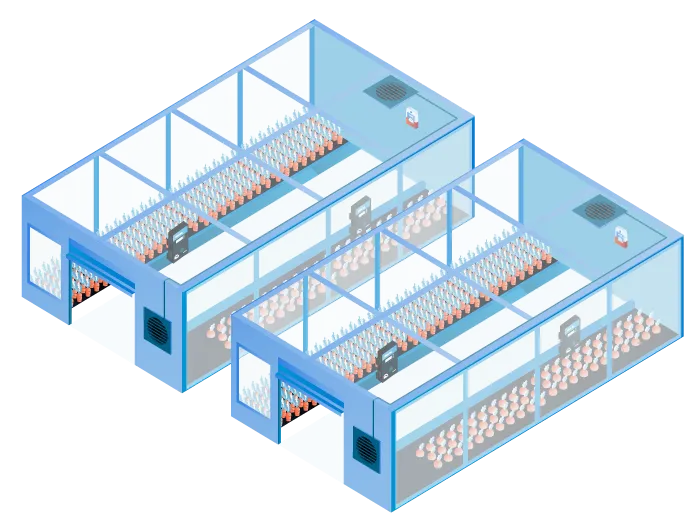
Typical Grow Rooms System
Target Gases
Gases monitored in this application
Why Gas Detection is Required
Greenhouse production often relies on ethylene monitoring because even small increases in ethylene can damage crops. Ethylene is a naturally occurring plant hormone, but in enclosed greenhouse environments it can accumulate from heaters, plant stress, aging vegetation, or nearby combustion sources. When levels rise above safe thresholds, sensitive crops—such as tomatoes, cucumbers, ornamentals, and leafy greens—can experience leaf drop, distorted growth, or reduced yield. Continuous ethylene detection helps growers maintain the precise environmental balance needed for healthy production and prevents costly crop loss. Many facilities use CO₂ enrichment, often pushing levels to 1,500 ppm or higher to accelerate plant growth. While beneficial for plants, these concentrations are dangerous for workers, making grow room CO₂ safety a core requirement. CO₂ generators powered by propane or natural gas introduce additional hazards, including unburned fuel leaks and carbon monoxide production. Because grow rooms are typically sealed to maintain humidity, temperature, and CO₂ levels, oxygen depletion can also occur, requiring dedicated O₂ monitoring to protect staff. These risks are often addressed in state cannabis facility safety requirements, which mandate CO₂, CO, combustible gas, and oxygen depletion monitoring in enclosed cultivation spaces. This combination supports safe working conditions and stable, high‑quality production across commercial greenhouses, vertical farms, and grow rooms.
System Architecture
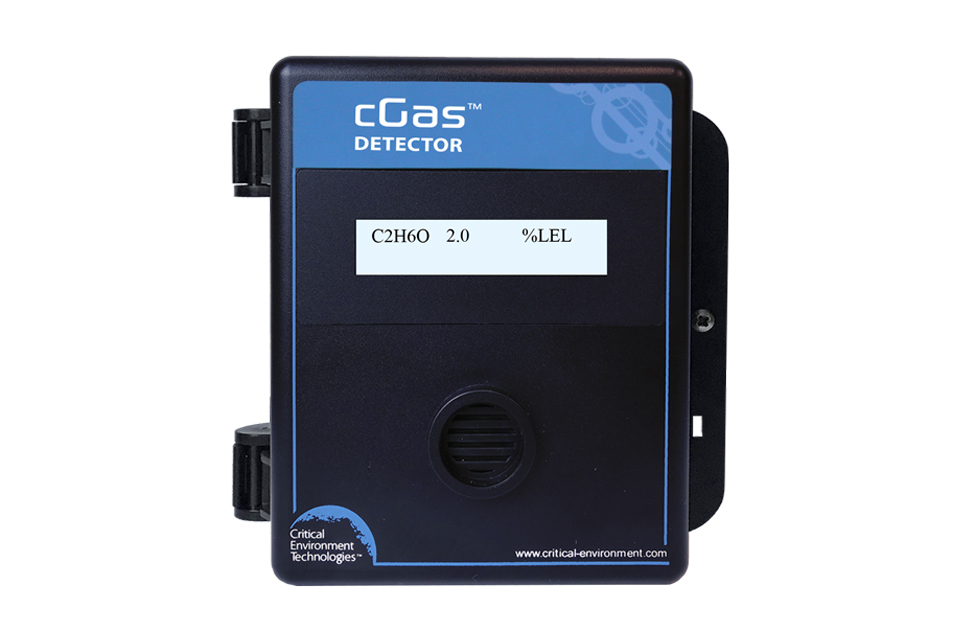
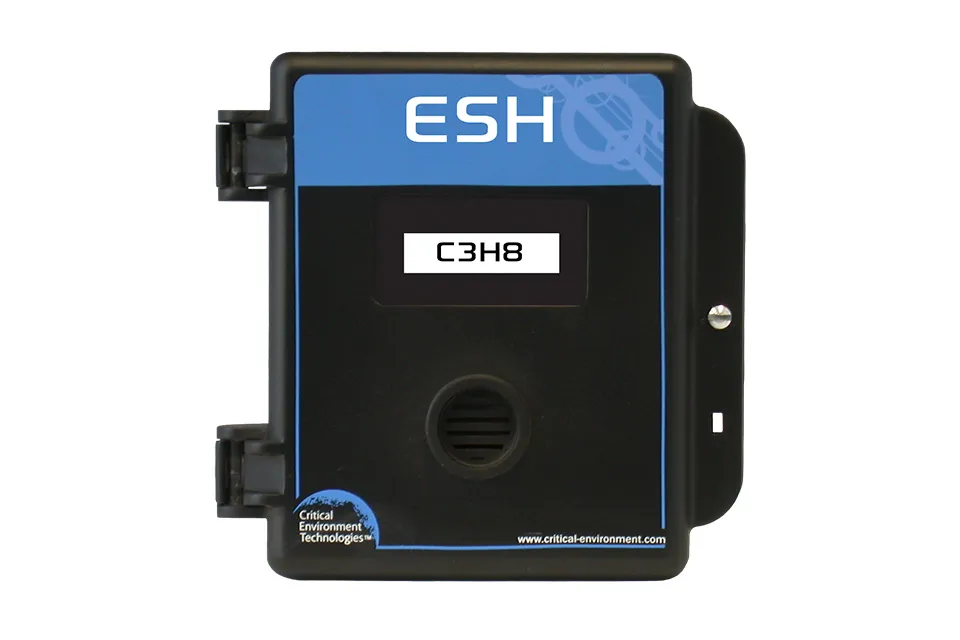
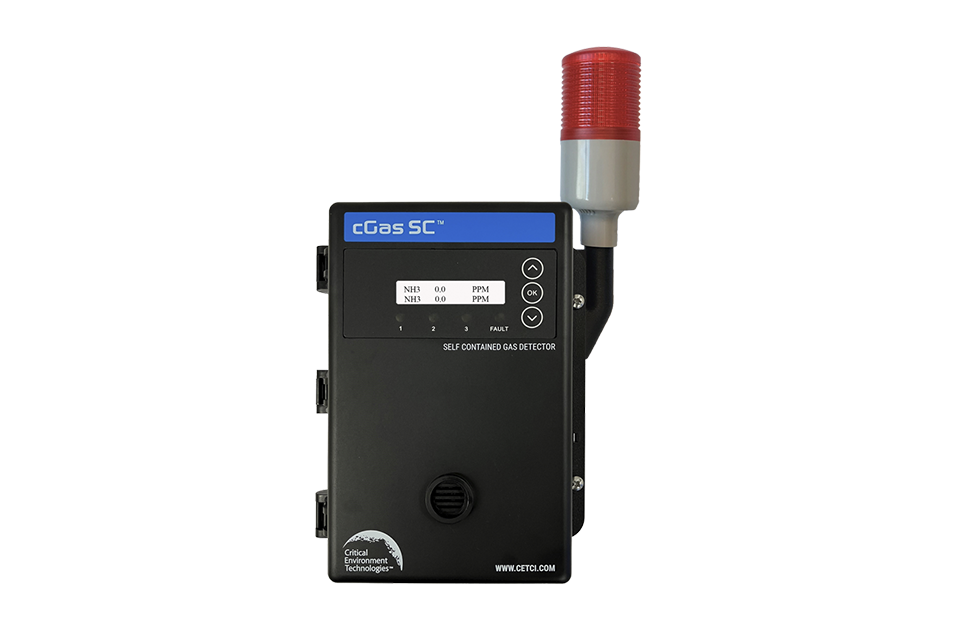
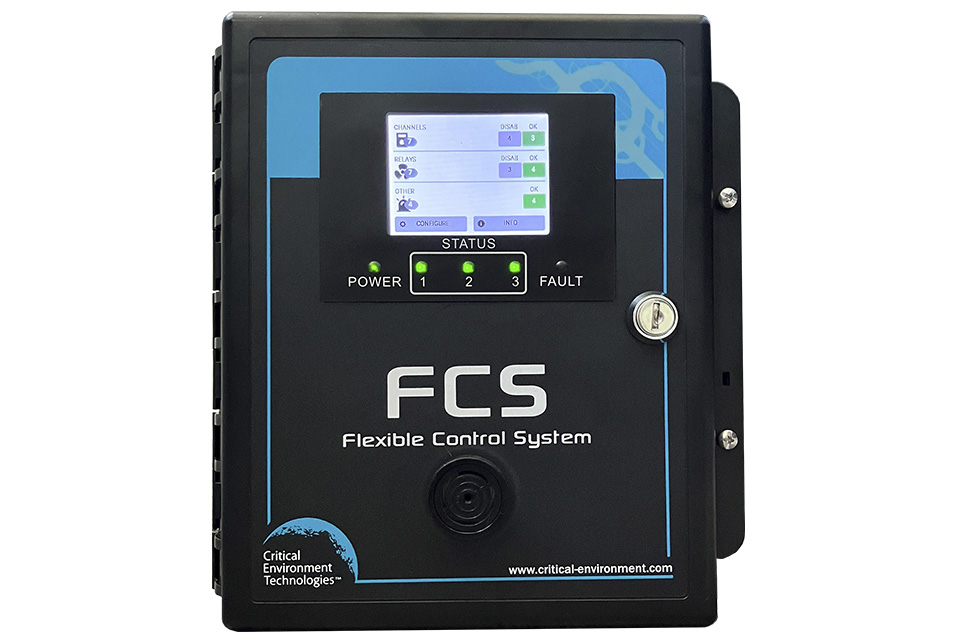
A complete grow room safety gas detection setup typically includes ethylene sensors for crop protection, CO₂ sensors for enrichment control, CO detectors near heaters or generators, combustible‑gas sensors for propane or natural‑gas leaks, and oxygen‑depletion monitors for sealed spaces. Sensors connect to a controller that manages both plant optimization and worker safety, with clear alarming at entry points to each growing space. For smaller cultivation operations, self-contained detector-controller units provide economical monitoring with integrated display and alarm outputs. Larger commercial facilities benefit from networked architectures with sensors in each growing zone, enabling optimized CO₂ distribution and coordinated safety response across multiple rooms. Alarm outputs activate audible/visual notification devices at entry points, trigger emergency ventilation, and can interface with enrichment equipment for automatic shutdown. Oxygen sensors provide backup safety in sealed environments where CO₂ displacement is possible.
Key Considerations
Important factors for planning your system
CO₂ monitoring should track both enrichment levels for plant optimization and safety limits for workers
Entry point alarming ensures workers know current conditions before entering growing spaces
Combustible gas detection near fuel-powered equipment protects against leaks
Ventilation integration enables automatic fresh air introduction when limits are exceeded
Additional Information
Many grow room operators install CO₂ controllers for plant optimization without adequate safety monitoring. These controllers may lack the alarm outputs, backup power, and fail-safe features required for life safety applications. Dedicated safety detection should be separate from enrichment control systems.
Build Your Gas Detection Expertise
Explore upcoming webinars and personalized training from CET experts, covering gas detection technology, application guidance, installation, and commissioning.