
Carbon Dioxide Gas Detectors
CO₂Carbon dioxide (CO₂) is a colorless, odorless gas essential for plant photosynthesis and human life, but hazardous to humans at elevated concentrations. Normal atmospheric CO₂ is approximately 420 ppm. As a refrigerant (R-744), CO₂ is increasingly used in transcritical refrigeration systems for supermarkets and industrial applications, offering zero ODP and GWP of 1. CO₂ accumulation in enclosed spaces can cause oxygen displacement and direct physiological effects including headaches, dizziness, and at higher levels, unconsciousness and death. CO₂ monitoring is essential in beverage dispensing areas, breweries, indoor agriculture, refrigeration machinery rooms, cylinder storage rooms and any space where CO₂ may accumulate.
Need Carbon Dioxide Detection?
Get expert guidance on the right detection solution for your application.
Key Information
Essential safety and exposure information for Carbon Dioxide
Health Effects
- CO₂ is odorless and displaces oxygen
- Mild to moderate exposure can cause headaches and fatigue
- High concentrations can quickly lead to confusion, unconsciousness, or respiratory collapse and death
Common Sources
- Breweries and wineries (fermentation)
- Greenhouses (enrichment)
- IAQ (respiration)
- Restaurants and bottling lines (carbonation)
- Cylinder storage rooms
- Refrigeration
- Dry ice
- Fire suppression systems
- Fumigation and sterilization
Exposure Limits
- OSHA PEL
- 5,000 ppm
- NIOSH REL
- 5,000 ppm (STEL 30,000)
- ACGIH TLV
- 5,000 ppm (STEL 30,000)
- 40,000 ppm (IDLH)
- 40,000 ppm (IDLH)
Regulatory Status
- ASHRAE Standard 62.1 treats CO₂ as an indoor air quality indicator, focusing on ventilation effectiveness rather than requiring dedicated gas detection alarms. NFPA 55 , 12 , 70 and 72, by contrast, classifies CO₂ as a life safety hazard and mandates gas detection, alarms, and ventilation controls in areas where CO₂ is stored or used in bulk.
Detection Requirements
- Sensor Technology
- Infrared (NDIR)
- Sensor Detection Ranges
- 0-2000 ppm or 0-5,000 ppm (IAQ), 0-5% (greenhouse, refrigeration)
- Alarm Setpoints
- Low 1,000 ppm, Mid 1,250 ppm, High 1,500 ppm / Low 0.5% vol, Mid 1.5% vol, High 3.0% vol
- Mounting Height
- Breathing height for IAQ, generally near floor level (heavier than air) for other applications
Build Your Gas Detection Expertise
Explore upcoming webinars and personalized training from CET experts, covering gas detection technology, application guidance, installation, and commissioning.
Related Applications
Industries and environments where Carbon Dioxide detection is critical
Wastewater Treatment
Hydrogen sulfide, methane, and oxygen monitoring for pump stations, digesters, and enclosed treatment areas
Hotels
Continuous monitoring of refrigerant gases in hotel rooms are used to keep the indoor environment comfortable.
Breweries
Gas detection and monitoring of CO2, O2, and Ozone in breweries ensures the safety of patrons and employees.
Hospitals
Continuous monitoring for oxygen deficiency levels in hospitals and labs with a fixed gas detection system ensures the safety of patients and staff.
Welding Shops
Combustible gas, oxygen, and fume detection for fabrication facilities and metal working environments
Pools & Aquatics
Gas detection systems for monitoring leaks within indoor pools ensures the health and safety of swimmers and employees.
Laboratories
Continuous monitoring protects laboratory personnel from combustible gases, oxygen displacement, and hazardous toxic gas exposure in laboratory settings and research facilities.
CO₂ Enrichment
Safety monitoring for controlled atmosphere agriculture where CO₂ levels are artificially elevated
Cold Storage
Refrigerant or ammonia leak and oxygen depletion monitoring for walk-in freezers, cold rooms, and temperature-controlled warehouses
Grow Rooms
Continuous monitoring of ethylene, CO₂ and combustible gases for plant health optimization and indoor cannabis and vertical farming operations.
Ice Arenas
Multiple gas hazards throughout ice arenas require several detectors to protect workers, spectators, and athletes.
Transit Facilities
Gas detection for subway stations, bus terminals, and enclosed passenger waiting areas
Distilleries
Explosion proof Ethanol gas detectors should be used for the safety and protection of property in distilleries.
Indoor Air Quality
Carbon monoxide, CO2 and TVOC monitoring for classrooms, offices, and public assembly spaces to optimize both air quality and energy efficiency.
MRI Rooms
Continuous monitoring of oxygen levels in areas where compressed gases or cryogenic liquids such as nitrogen, helium, and occasionally carbon dioxide are used, including MRI suites, NMR rooms, and cryogenic equipment spaces, to detect and prevent oxygen deficient atmospheres.
Schools
Continuous monitoring of carbon monoxide, carbon dioxide, natural gas, and nitrogen dioxide protects students and staff across school facilities - from boiler rooms and science labs to bus loading areas and cafeteria kitchens.
Wineries
Gas detection and monitoring in wineries is imperative due to a significant amount of CO2 generated during fermentation.
Detection Solutions
Sensors and detectors for Carbon Dioxide monitoring
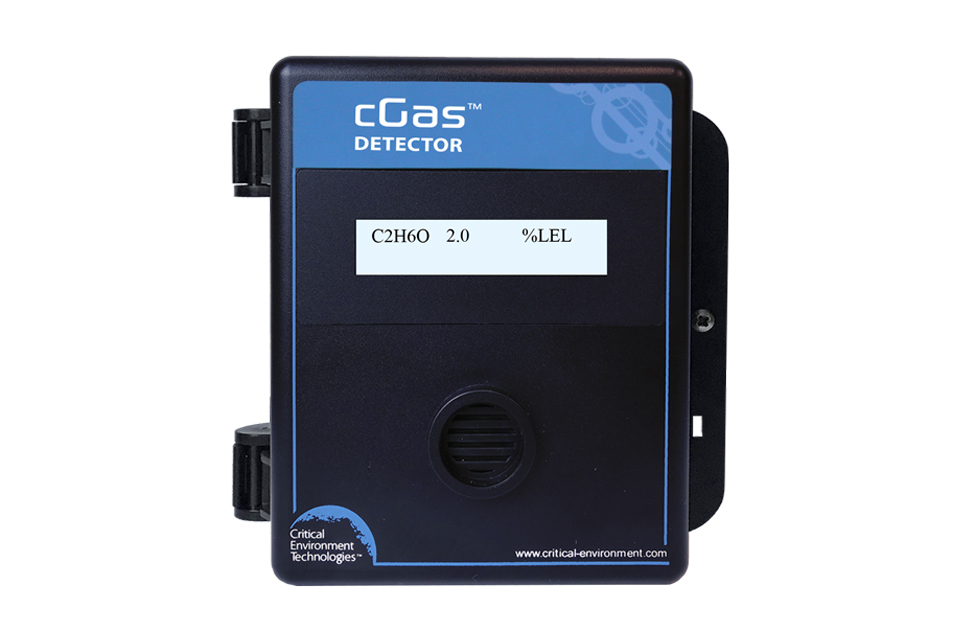
cGas Detector Analog Transmitter
Single channel, analog gas detector with Plug & Play Smart Sensor Technology.
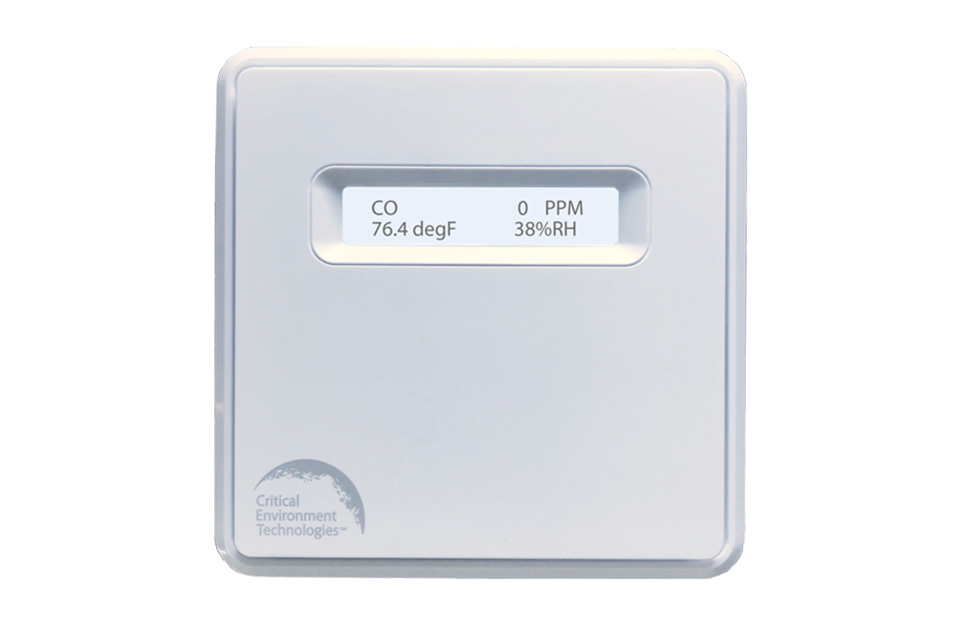
cGas Detector for Indoor Public Spaces
Single channel gas detector with an aesthetically pleasing design to reduce noticeability when used in publicly occupied spaces such as hotels and schools.
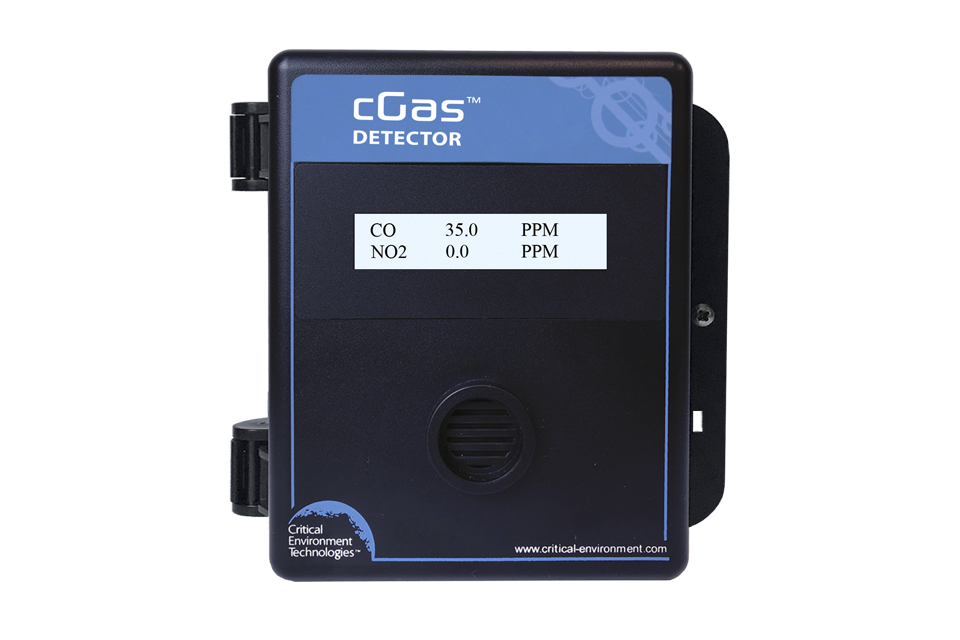
cGas Detector Digital Transmitter
One or two channel Modbus® or BACnet® gas detector with flexible customization options and Plug & Play Smart Sensor Technology.
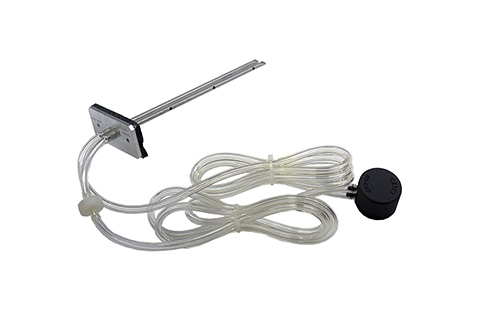
Duct Sampling Kit
A special probe assembly that attaches to a gas detector and is mounted on the return air duct of a ventilation system to measure the concentration levels of a target gas passing through the duct. Allows for the continuous monitoring of the quality of the air being circulated around the building.
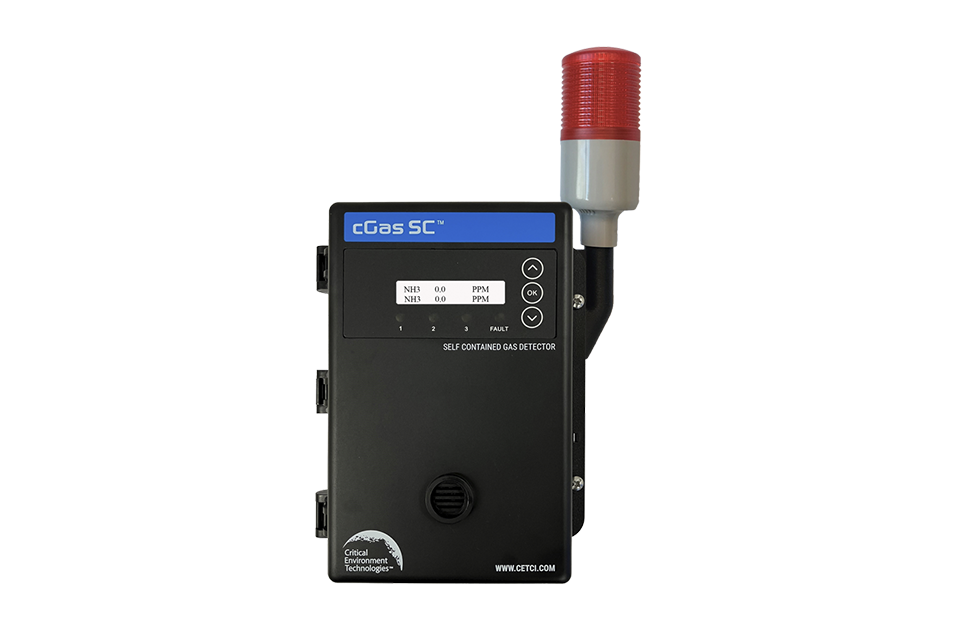
cGas-SC Self-Contained Controller
A self contained controller with up to 3 gas channels, Plug & Play Smart Sensor Technology and configurable logic control and priority settings. Offers superior user customization and reliable gas detection performance for monitoring many gases.
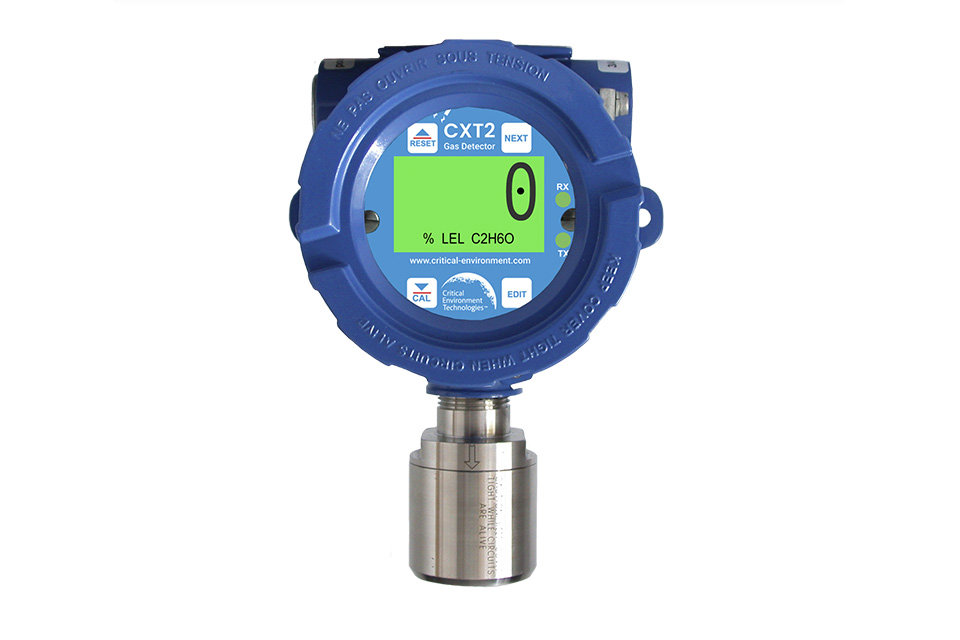
CXT2 Explosion Proof Transmitter
Reliable, accurate monitoring of toxic or combustible gases in potentially explosive and harsh environments, including hazardous-rated areas.