Gas Detection for Distilleries
Continuous monitoring of ethanol vapors, carbon dioxide, and oxygen levels in distilleries protects workers from explosive atmospheres and asphyxiation hazards during fermentation and distillation.

Typical Distilleries System
Target Gases
Gases monitored in this application
Why Gas Detection is Required
Alcoholic spirits are created by the distillation of biologically produced alcohols derived from the fermented mash of different agricultural products such as grain, wheat, rice, corn, sugarcane and potatoes. The distillation process involves heating the wash and vaporizing the alcohol, which is collected in a condenser and cooled. During this process, ethanol is produced and can accumulate around stills, tanks, bottling lines, and barrel storage areas if not properly ventilated. These conditions often classify production zones as Class I, Division 1 hazardous locations, requiring explosion proof distillery gas detectors, properly rated electrical equipment, and continuous ethanol vapor monitoring—a need that is especially important in compact craft distillery environments with limited ventilation. Distilleries may also experience significant fermentation CO₂ hazards, as CO₂ can pool in low lying or confined spaces and displace oxygen. For this reason, many facilities pair CO₂ sensors with oxygen monitoring devices, which provide an additional safeguard by detecting oxygen depletion before it becomes dangerous. Combustible gas detection may also be required where natural gas or propane fuels boilers or process equipment. A complete system integrates ethanol vapor, CO₂, oxygen, and combustible gas monitoring while meeting hazardous location requirements.
System Architecture
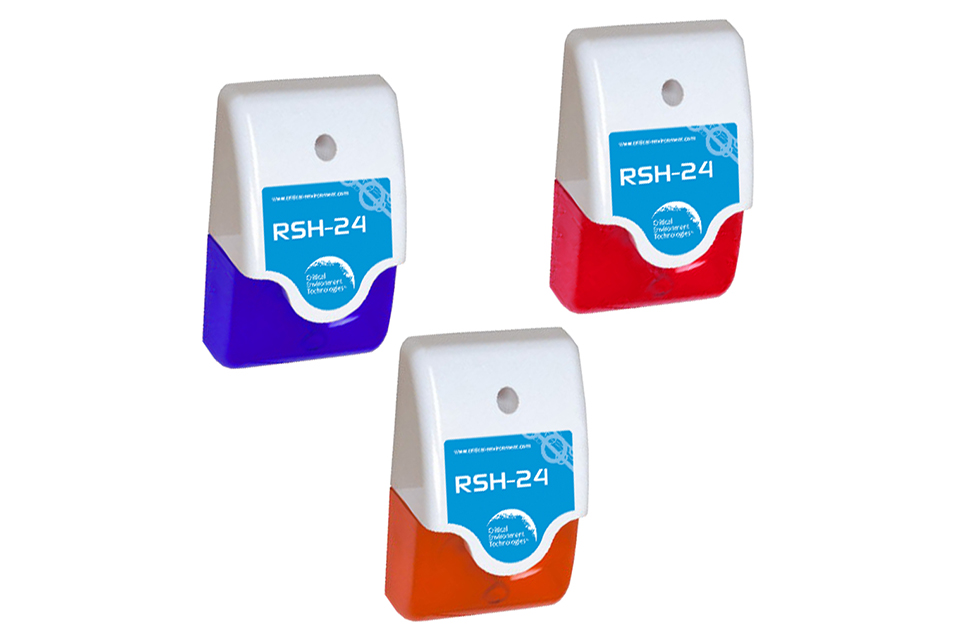
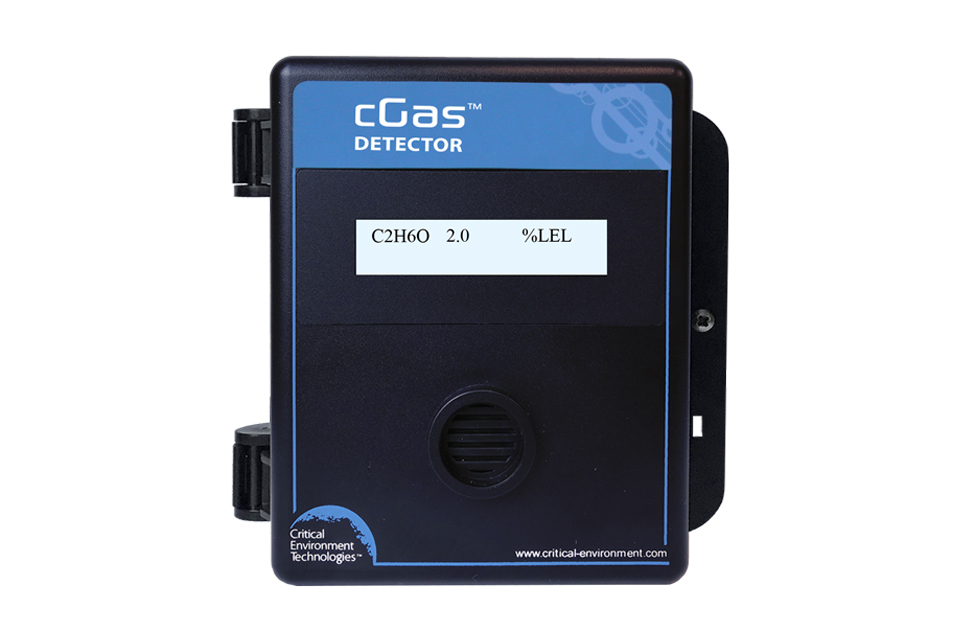
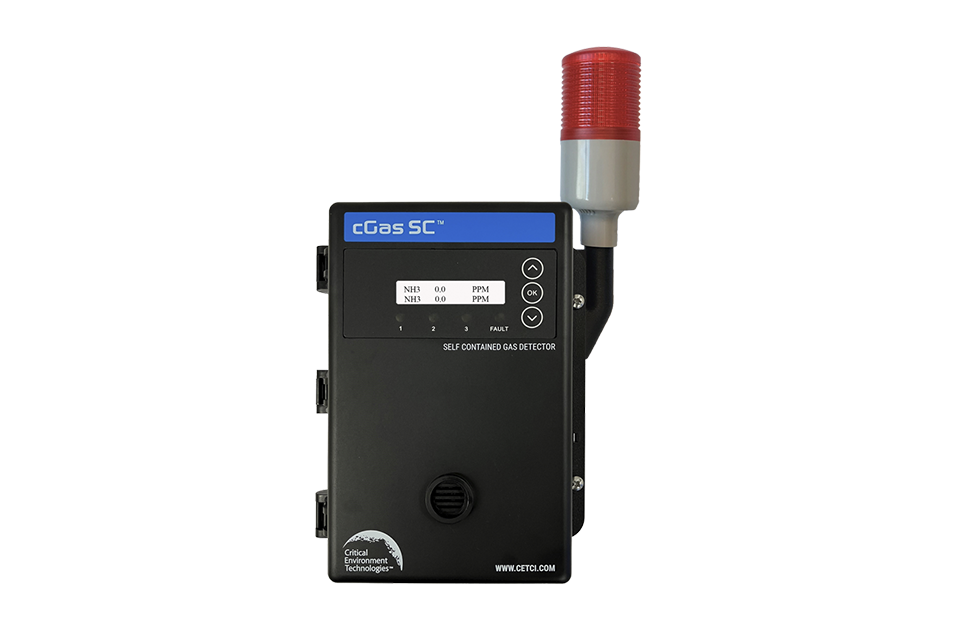
A complete distillery gas‑detection system typically uses LEL combustible‑gas sensors in production areas where ethanol vapors may accumulate and CO₂ detectors near fermentation tanks, all tied into a central controller that drives ventilation and provides explosion‑proof alarm signaling and activates exhaust ventilation when concentrations approach hazardous levels. For smaller craft distilleries, self-contained detector-controller units with explosion-proof ratings provide economical protection. Larger production facilities benefit from networked architectures with sensors throughout distillation, storage, and bottling areas, enabling zone-specific ventilation response and centralized monitoring from safe areas. Alarm outputs activate audible/visual notification devices rated for hazardous locations, trigger explosion-proof exhaust ventilation, and can interface with process equipment for automatic shutdown. All system components in production areas must be appropriately rated for Class I, Division 1 or Division 2 hazardous locations.
Key Considerations
Important factors for planning your system
Explosion proof ethanol gas detector should be used for life safety and protection of property
Ethanol is heavier than air and will accumulate in enclosed areas, low lying areas and downstream from the vapour source. The explosion proof gas detector should be installed near the most likely potential area of exposure, mounted at 6 in / 15 cm AFF
Controller can be configured to control the ventilation system, trigger strobe/horns and if necessary shut down the processing equipment
Additional Information
To ensure life safety requirements are met, a fixed gas detection system in a distillery should also include portable gas monitors. Be sure to follow local confined entry requirements and regulations as well.
Build Your Gas Detection Expertise
Explore upcoming webinars and personalized training from CET experts, covering gas detection technology, application guidance, installation, and commissioning.
Related Products
cGas Detector Analog Transmitter
cGas Detector Digital Transmitter
cGas-SC Self-Contained Controller
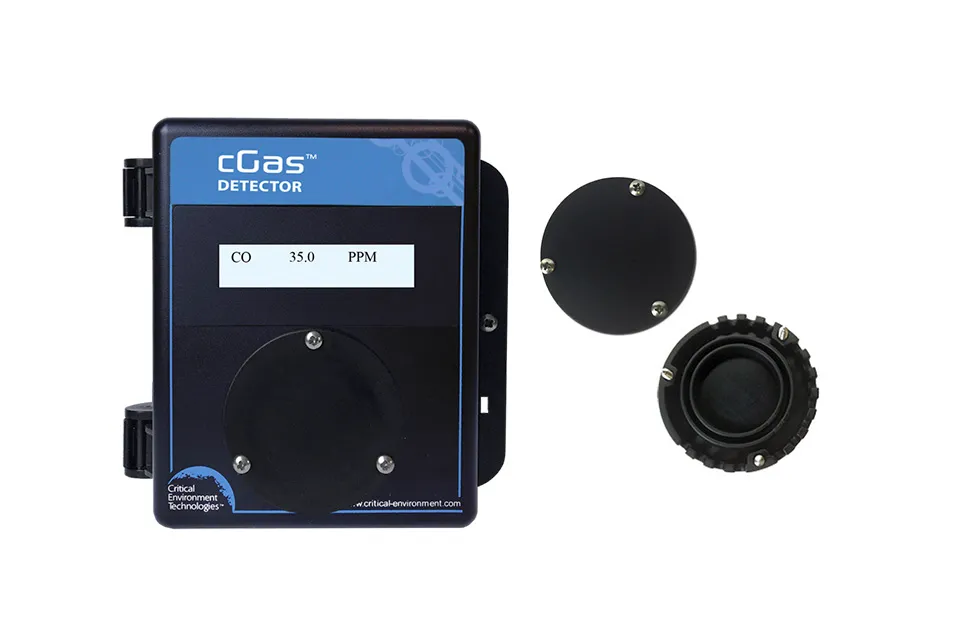
Splash Guard (Option -S)
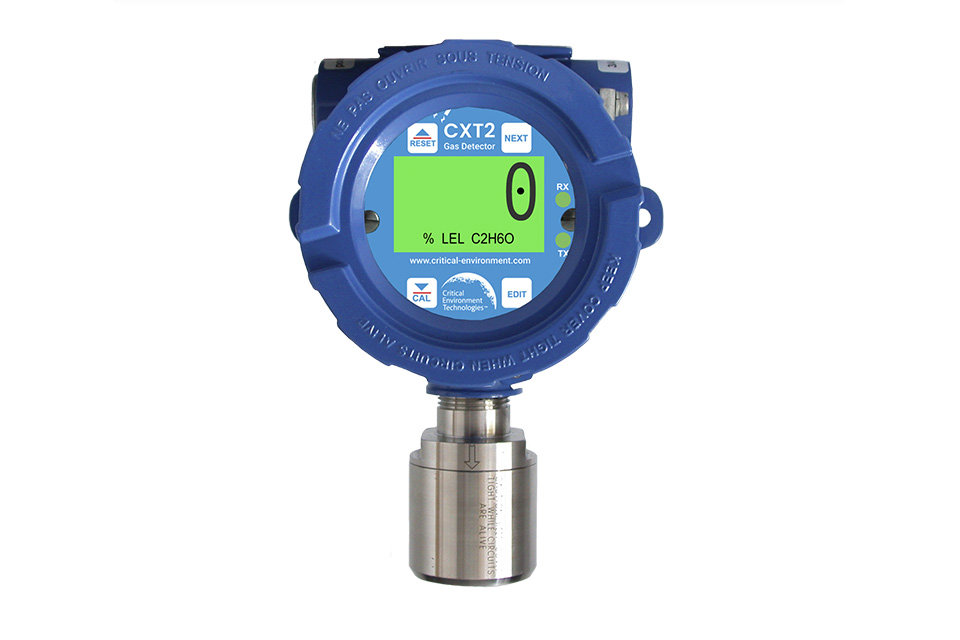
CXT2 Explosion Proof Transmitter
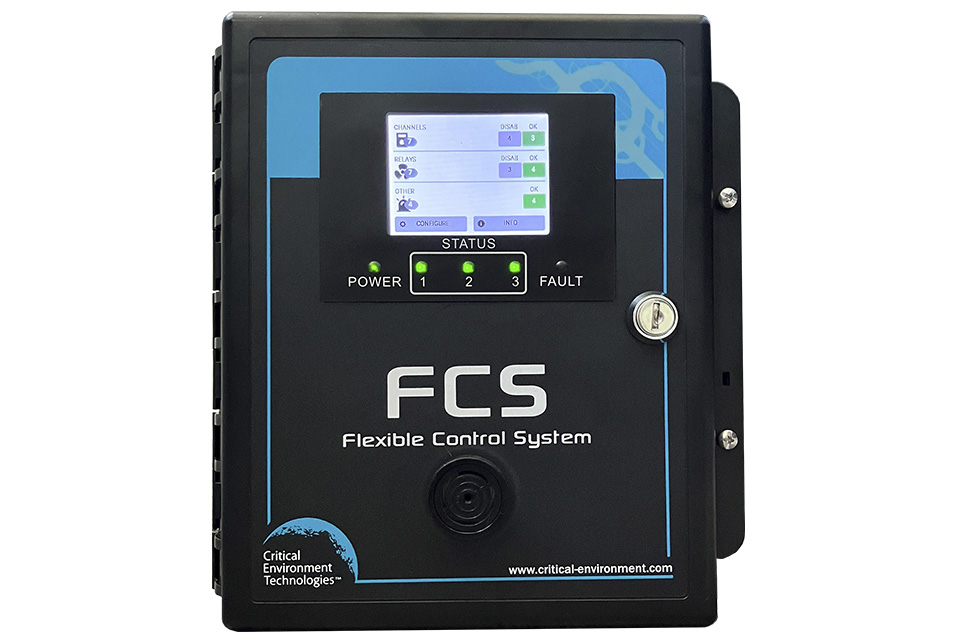
FCS Multi Channel System Controllers