
Commercial Kitchens
Continuous monitoring of natural gas, propane, carbon monoxide, and ozone in commercial kitchens protects staff from combustible gas leaks and ensures proper ventilation of cooking equipment.

Typical Commercial Kitchens System
Target Gases
Gases monitored in this application
Why Gas Detection is Required
Gas cooking equipment such as grills, stoves and fryers in restaurants, hotels and other commercial kitchens often use natural gas or propane for an energy supply. If a burner is left on or a fitting burst the leaking gas could cause a fire or an explosion. One of the by-products of burning natural gas or propane is carbon monoxide, a toxic gas at very low concentrations. If the burning process fails to combust properly due to worn or poorly maintained equipment, CO could be present but not humanly detected as it has no taste, no colour or smell. Commercial kitchen CO monitoring and natural gas leak detectors provide continuous monitoring to ensure health and safety and protection of property. A well designed and maintained demand-controlled ventilation system should exist to remove any air contaminants from the breathing zone and the equipment and appliances should be kept in good working order. In addition, there should be a fixed gas detection system to continuously monitor the combustible gas and CO levels to save costs, minimize the risk of fires or explosion and ensure worker's health and safety by alerting to an unsafe environment caused by problems with the ventilation system or cooking equipment. Ozone generators are sometimes used to create ozone in commercial kitchens to tackle grease and odours. If the generator produces too much ozone or the ventilation system isn't working properly and the gas levels can buildup inside the kitchen space where the cooking staff are working causing respiratory distress and damage.
System Architecture
A complete commercial kitchen gas detection system typically consists of CO and combustible gas sensors near cooking equipment and gas supply points, connected to a controller that manages emergency shutoff and hood ventilation. The controller monitors gas levels continuously and can automatically shut off gas supply if leaks are detected. For smaller restaurant kitchens, self-contained detector-controller units provide economical protection with integrated gas shutoff valve control. Larger commercial kitchen facilities benefit from networked architectures with sensors covering each cooking line and gas appliance, enabling zone-specific response and integration with hood ventilation systems. Alarm outputs activate audible/visual notification devices, trigger emergency gas shutoff valves, and can interface with kitchen hood controls for enhanced ventilation. Controllers with relay outputs provide direct equipment control, while integration with fire suppression systems enables coordinated emergency response.
Key Considerations
Important factors for planning your system
Both toxic and combustible gas hazards should be monitored to ensure a safe working environment, for health and safety and protection of property
Natural gas is highly flammable and made of mostly methane. The methane gas detector should be mounted on or near the ceiling as methane gas is lighter than air and will concentrate in high places
If the energy source for the gas appliances is propane, a gas detector with an internal propane sensor should be mounted in close proximity to the appliances 6 inches from the floor. Propane gas is heavier than air and will pool in low lying areas
Additional Information
CET gas detection systems are fully set up, programmed, calibrated and tested prior to being shipped from the factory. The gas detection system is ready to install and operate upon arrival, after a brief warm-up.
Related Products
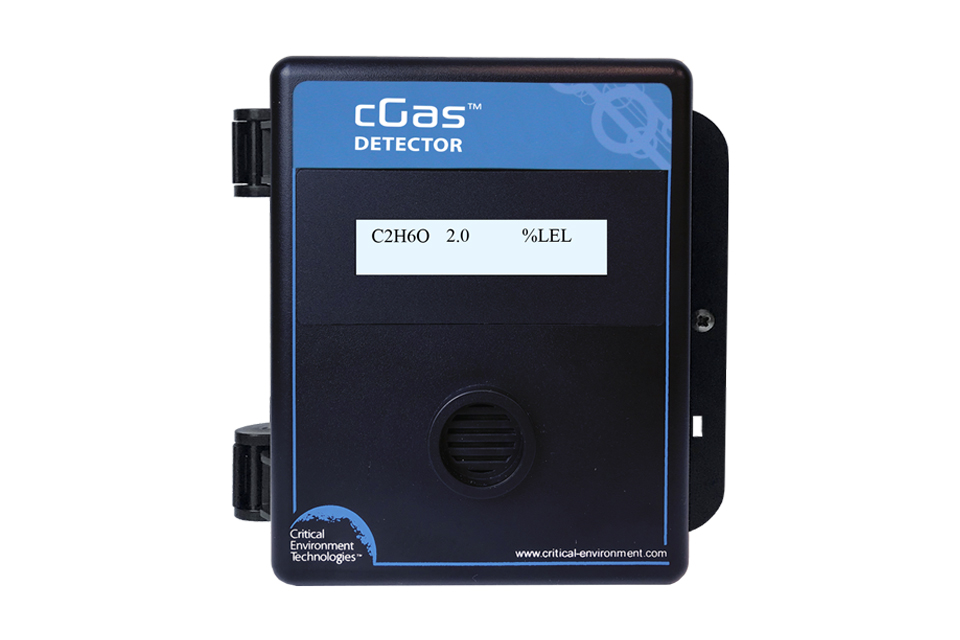
cGas Detector Analog Transmitter
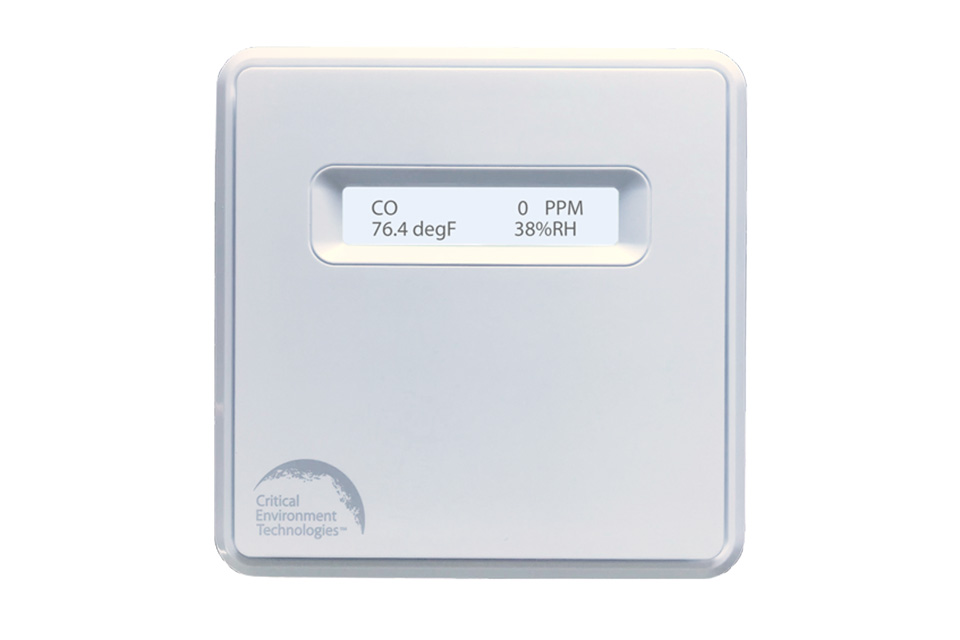
cGas Detector for Indoor Public Spaces
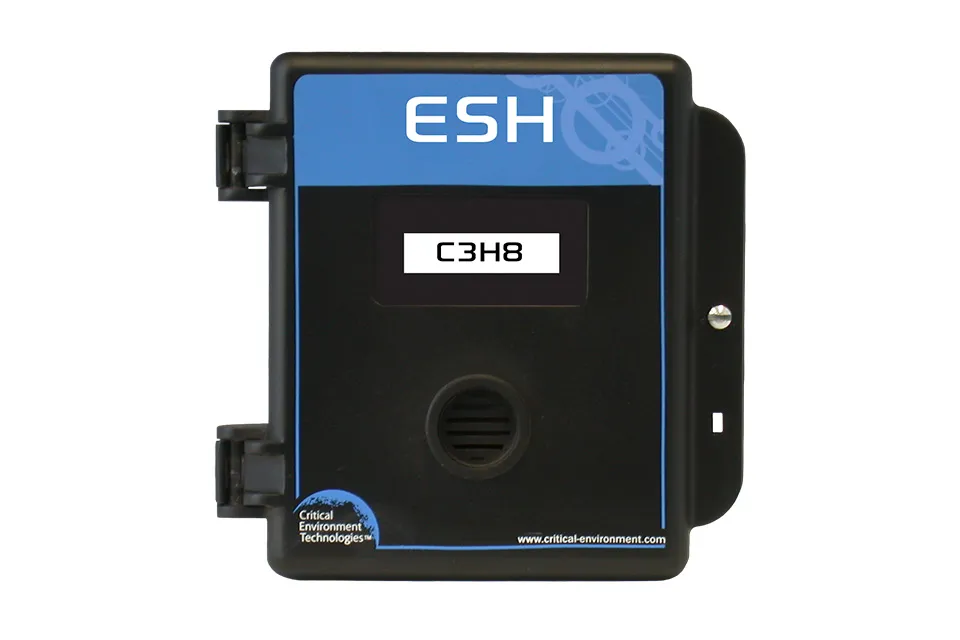
ESH-A Remote Sensor
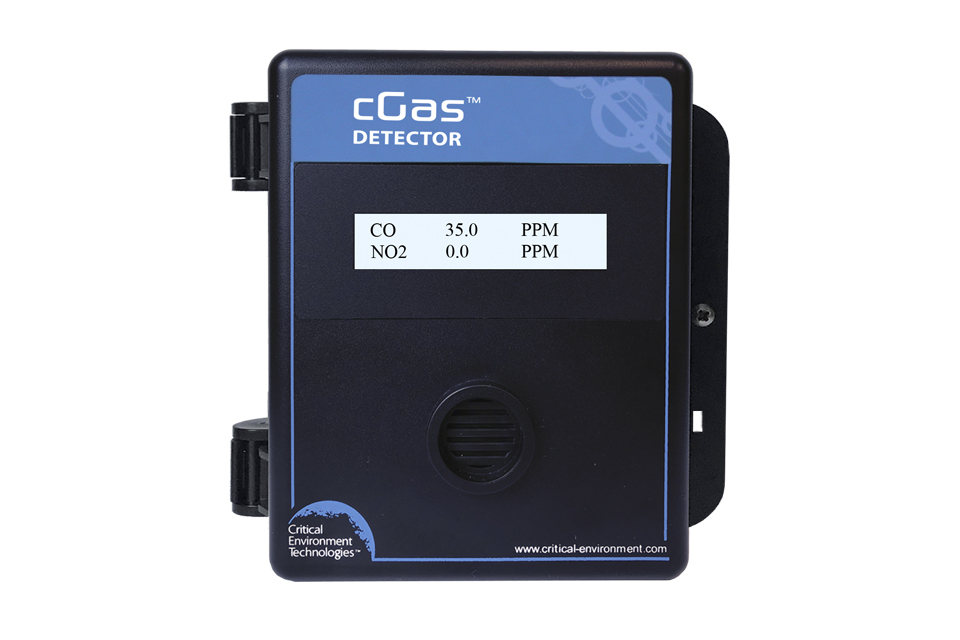
cGas Detector Digital Transmitter
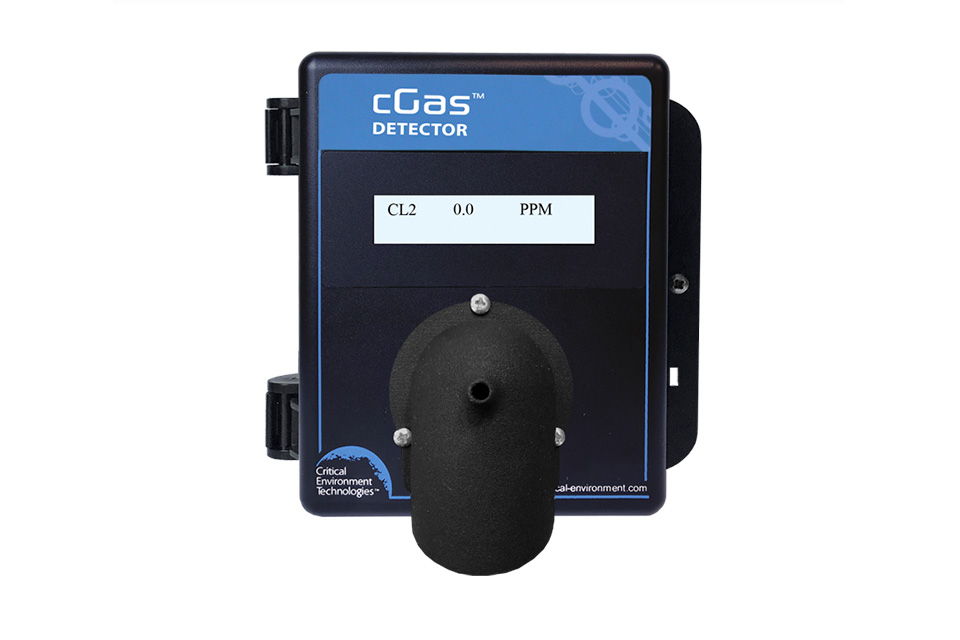
Splash Guard for Sticky Gases (Option -SN)
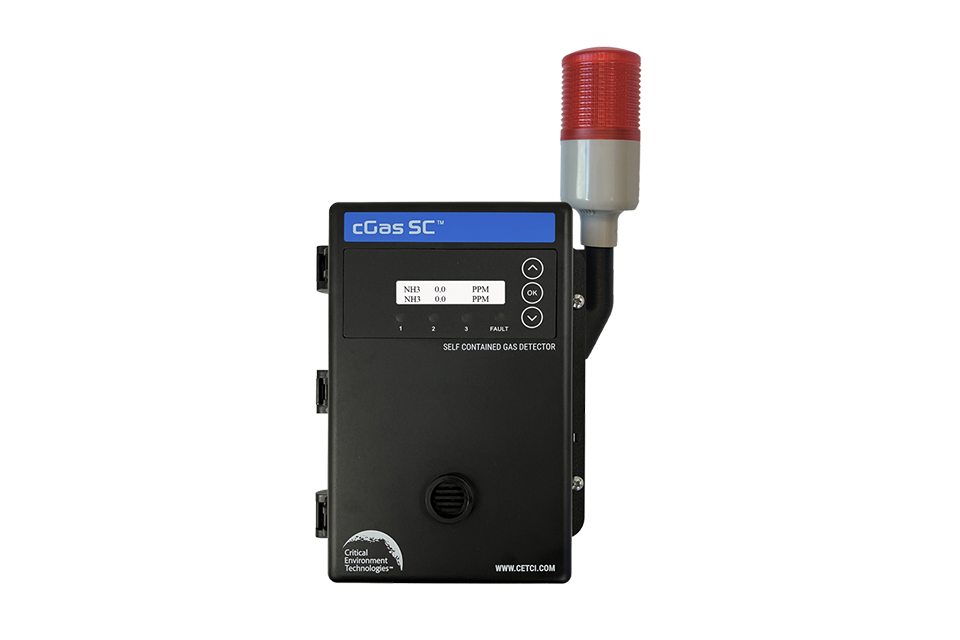
cGas-SC Self-Contained Controller
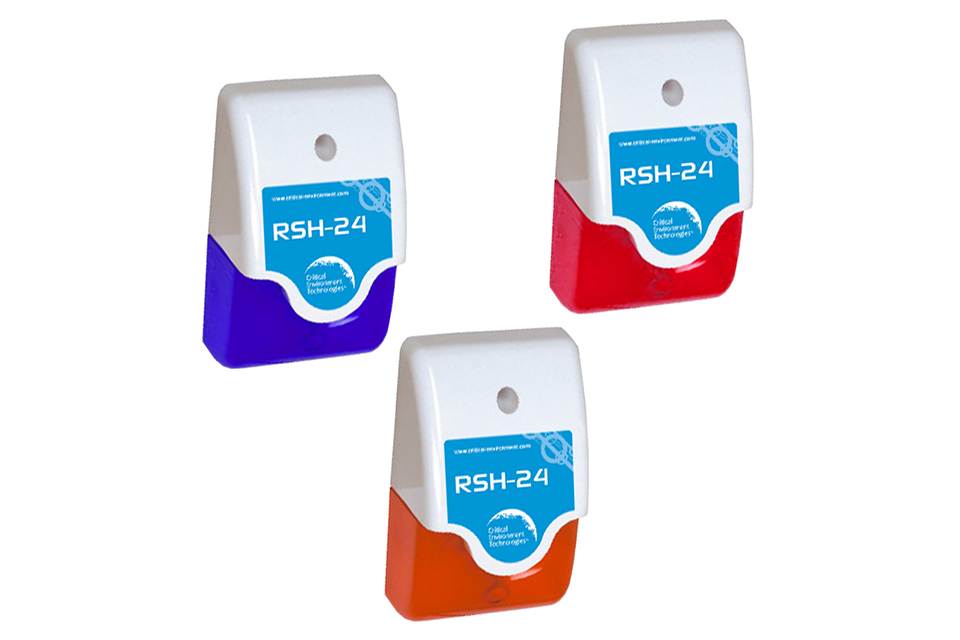
RSH-24V Remote Strobe & Horn
Downloads
Application: Commercial Kitchen - CGAS-D-O3
Application Guides
Application: Commercial Kitchen - CGAS-D-ESH-A
Application Guides