
Methane Leak Detectors
CH₄Methane (CH₄) is a colorless, odorless, and highly flammable gas. Because it has no natural scent, utilities add odorants such as mercaptans to natural gas, creating the familiar “rotten egg” smell that helps people recognize a leak. As the primary component of natural gas, typically 70–90%, methane is widely used for heating, power generation, and industrial combustion, and it’s commonly present in boiler rooms, mechanical spaces, and fuel handling areas. Since methane is lighter than air, it rises and can accumulate near ceilings, making a natural gas leak detector essential for preventing fire and explosion hazards. Methane safety is equally important in kitchens and food service environments. Commercial kitchens rely on natural gas appliances such as stoves, ovens, fryers, and grills. Small leaks from fittings, burners, or supply lines can create dangerous accumulations. Installing a methane gas detector or CH₄ sensor provides early warning of leaks, helping protect staff, customers, and property. Beyond fossil fuel sources, methane is also produced biologically. Biogas and landfill gas form through anaerobic digestion and the breakdown of organic materials. As these renewable energy sources expand, the need for reliable biogas methane monitoring has grown significantly, particularly in wastewater treatment facilities, agricultural digesters, and renewable energy operations.
Need Methane Detection?
Get expert guidance on the right detection solution for your application.
Key Information
Essential safety and exposure information for Methane
Health Effects
- Highly flammable and forms explosive mixtures with air at concentrations between approximately 5% - 15% by volume
- Not toxic, it poses an asphyxiant risk by pushing oxygen out of the air when it accumulates in enclosed spaces
- Signs of exposure include, dizziness, headache, rapid breathing, confusion and loss of consciousness and death
Common Sources
- Natural gas systems and appliances
- Boiler rooms
- Biogas and landfills
- Wastewater treatment
- Agricultural operations
Exposure Limits
- OSHA
- None, simple asphyxiant
- NIOSH
- None, simple asphyxiant
- ACGIH
- None, simple asphyxiant/explosion hazard
Regulatory Status
- Methane monitoring is regulated under the EPA emissions rules, including 40 CFR Part 60 Subpart OOOOb and Subpart OOOOc, which outline methane detection and leak monitoring requirements for the oil and natural gas sector. Methane is classified as a flammable refrigerant under ASHRAE Standard 34 and ASHRAE Standard 15 requires gas detection for flammable gases in machinery rooms, which indirectly applies to methane when used as a fuel source. Many states, provinces, and municipalities adopt their own amendments or standalone requirements for CH₄ detection in specific occupancies and mechanical spaces.
Detection Requirements
- Sensor Technology
- Catalytic Bead, Infrared (NDIR)
- Sensor Detection Range
- 0-100% LEL
- Alarm Setpoints
- Low 10% LEL, Mid 15% LEL, High 20% LEL
- Mounting Height
- On or near the ceiling
Build Your Gas Detection Expertise
Explore upcoming webinars and personalized training from CET experts, covering gas detection technology, application guidance, installation, and commissioning.
Related Applications
Industries and environments where Methane detection is critical
Wastewater Treatment
Hydrogen sulfide, methane, and oxygen monitoring for pump stations, digesters, and enclosed treatment areas
Hotels
Continuous monitoring of refrigerant gases in hotel rooms are used to keep the indoor environment comfortable.
Laboratories
Continuous monitoring protects laboratory personnel from combustible gases, oxygen displacement, and hazardous toxic gas exposure in laboratory settings and research facilities.
Fleet & Bus Depots
Exhaust gas monitoring for municipal bus garages, delivery fleet facilities, and transit maintenance buildings
Commercial Kitchens
Toxic and combustible gas hazards should be monitored in commercial kitchens to ensure a safe working environment.
Warehouses
Monitoring levels of CO & NO₂ is necessary to ensure the health and safety of warehouse employees.
Waste & Recycling
Methane, hydrogen sulfide, and combustible gas monitoring for material recovery facilities and waste processing plants
Ice Arenas
Multiple gas hazards throughout ice arenas require several detectors to protect workers, spectators, and athletes.
Transit Facilities
Gas detection for subway stations, bus terminals, and enclosed passenger waiting areas
Boiler Rooms
Continuous monitoring of natural gas, CO, and CO2 in schools & boiler rooms ensures the safety of students and faculty.
Vehicle Service Bays
Gas detection for automotive repair shops, oil change facilities, and vehicle inspection stations where exhaust fumes accumulate
Schools
Continuous monitoring of carbon monoxide, carbon dioxide, natural gas, and nitrogen dioxide protects students and staff across school facilities - from boiler rooms and science labs to bus loading areas and cafeteria kitchens.
Greenhouses
Gas detection and monitoring of Carbon monoxide and combustible gases in greenhouse production facilities ensures the safety of employees and visitors.
Detection Solutions
Sensors and detectors for Methane monitoring
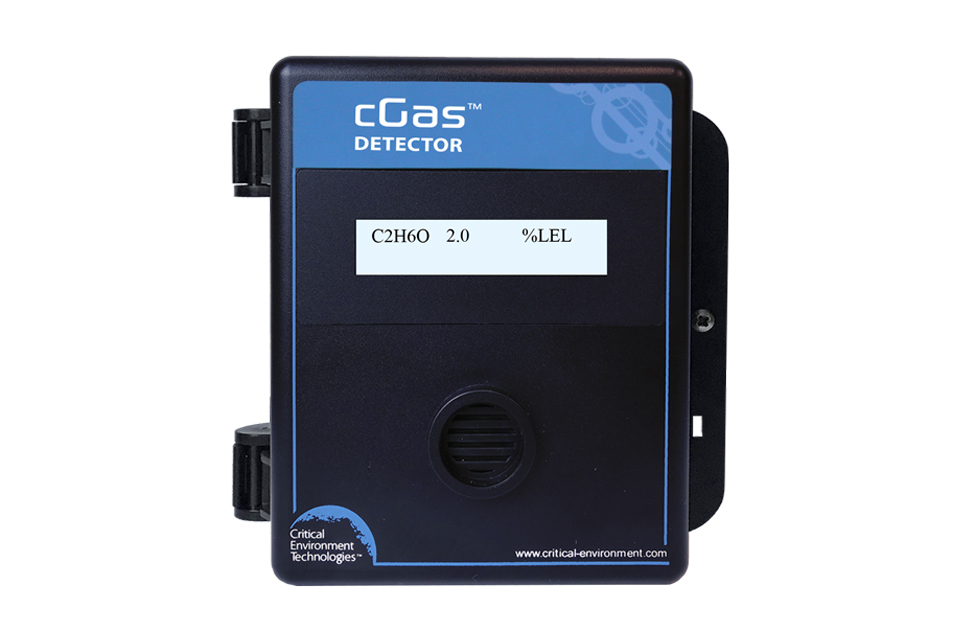
cGas Detector Analog Transmitter
Single channel, analog gas detector with Plug & Play Smart Sensor Technology.
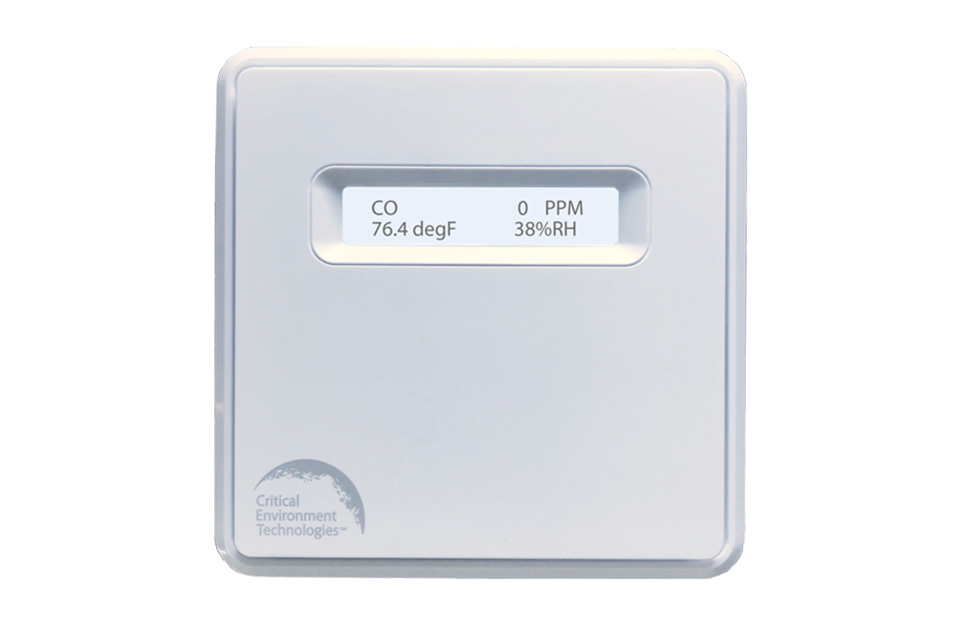
cGas Detector for Indoor Public Spaces
Single channel gas detector with an aesthetically pleasing design to reduce noticeability when used in publicly occupied spaces such as hotels and schools.
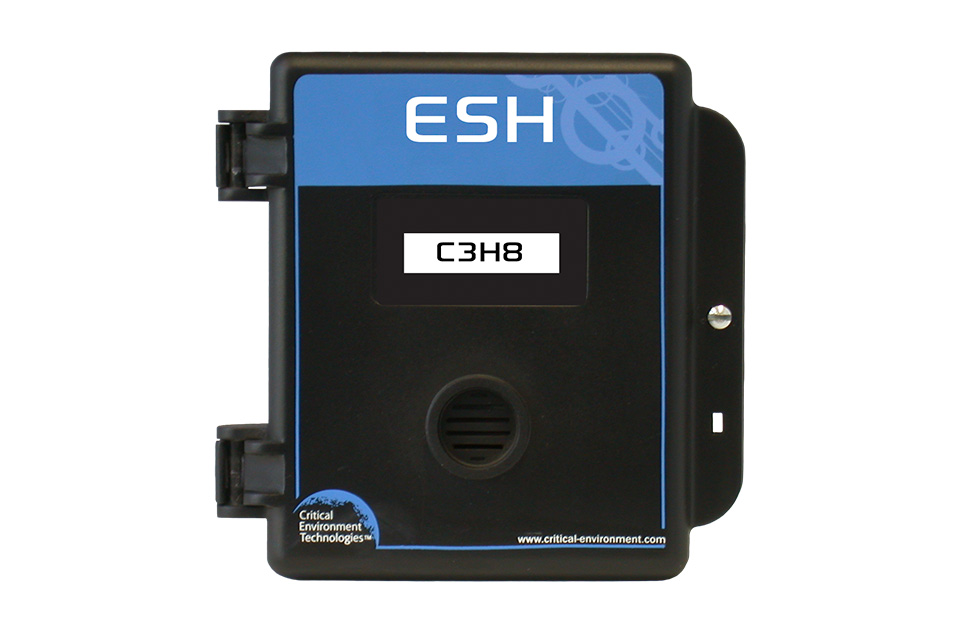
ESH-A Remote Sensor
Single analog remote sensor for flexible location monitoring.
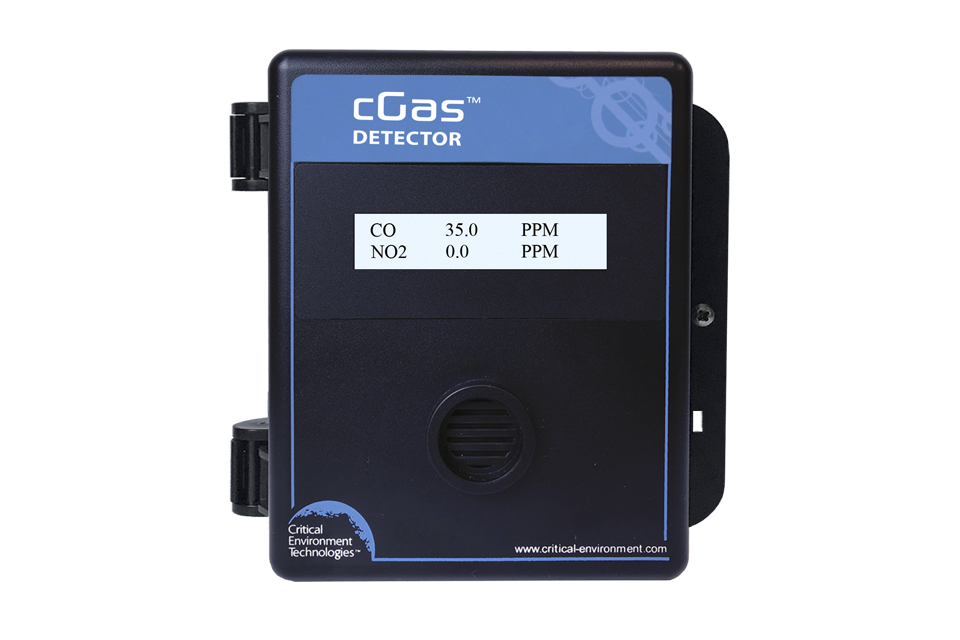
cGas Detector Digital Transmitter
One or two channel Modbus® or BACnet® gas detector with flexible customization options and Plug & Play Smart Sensor Technology.
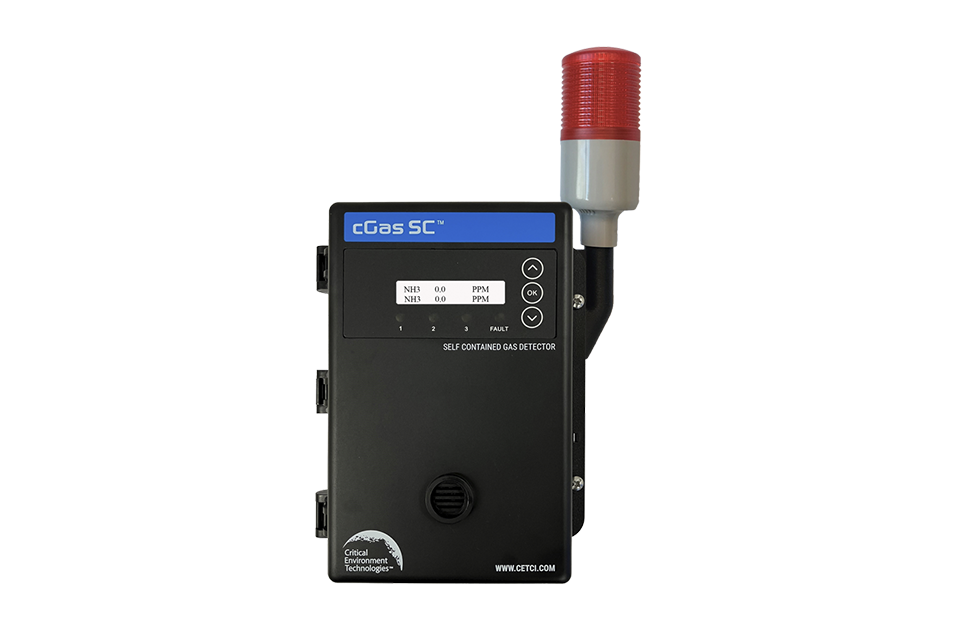
cGas-SC Self-Contained Controller
A self contained controller with up to 3 gas channels, Plug & Play Smart Sensor Technology and configurable logic control and priority settings. Offers superior user customization and reliable gas detection performance for monitoring many gases.
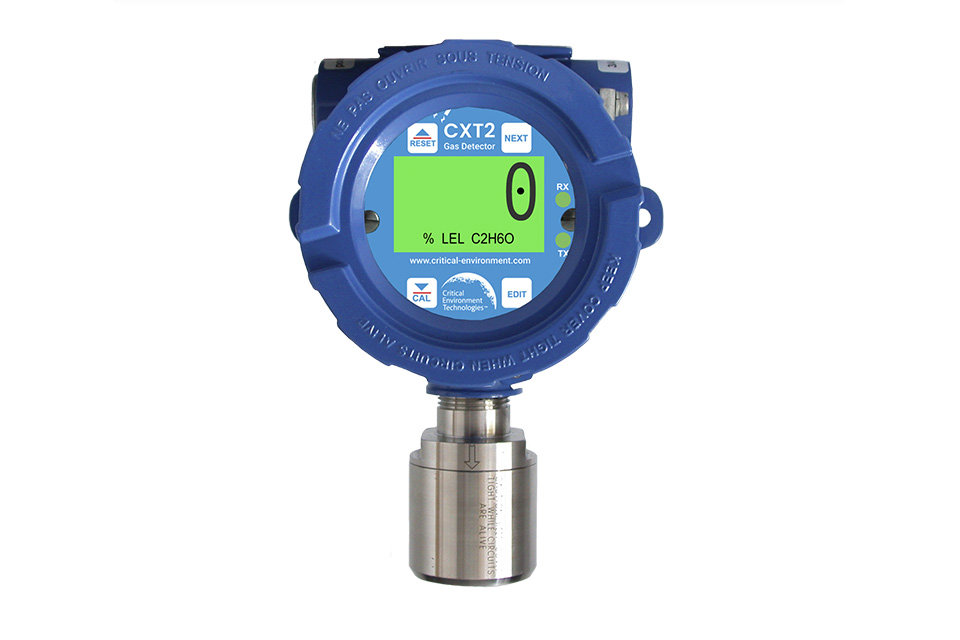
CXT2 Explosion Proof Transmitter
Reliable, accurate monitoring of toxic or combustible gases in potentially explosive and harsh environments, including hazardous-rated areas.
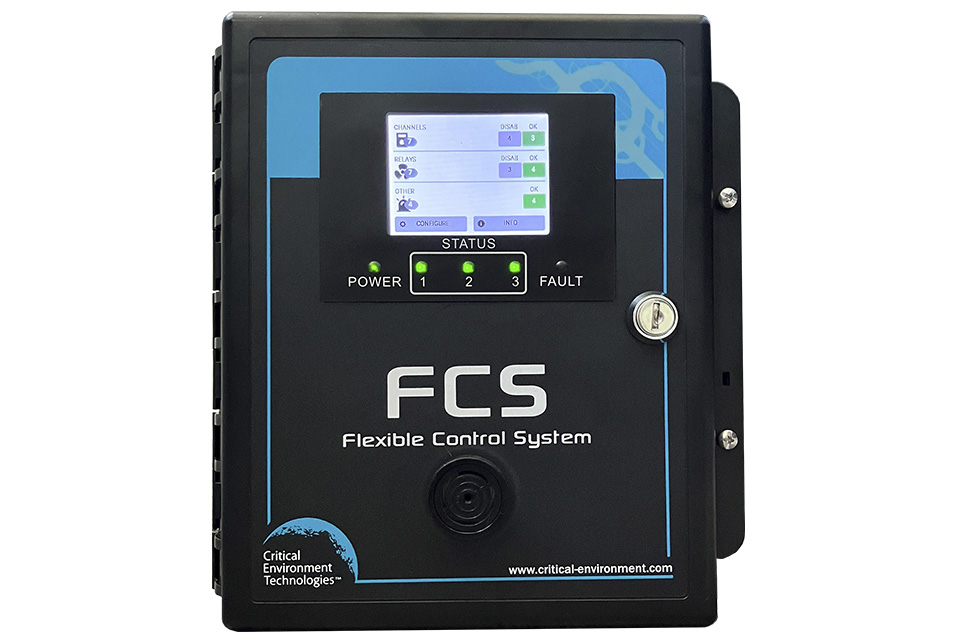
FCS Multi Channel System Controllers
High performance controller with logic and priority settings for monitoring toxic, combustible and refrigerant gases with versatile control functionality. Available with Modbus® or BACnet® communication with BAS, supports 4-20 mA and Modbus® driven VFDs.
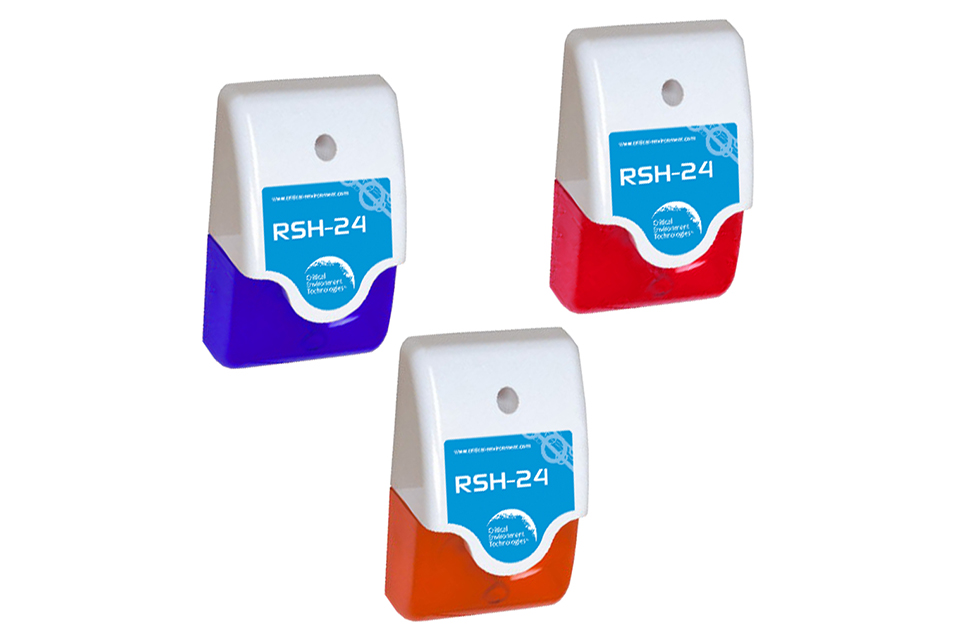
RSH-24V Remote Strobe & Horn
Two alarm features in one safety device, mounting fixture not included. Available in 3 different lens colours, combines a visual and an audible alarm feature into one compact, low profile device.