Gas Detection for Vehicle Service Bays
Continuous monitoring of carbon monoxide, nitrogen dioxide and combustible gases in automotive repair shops, oil change facilities, and vehicle inspection stations where exhaust fumes can accumulate.
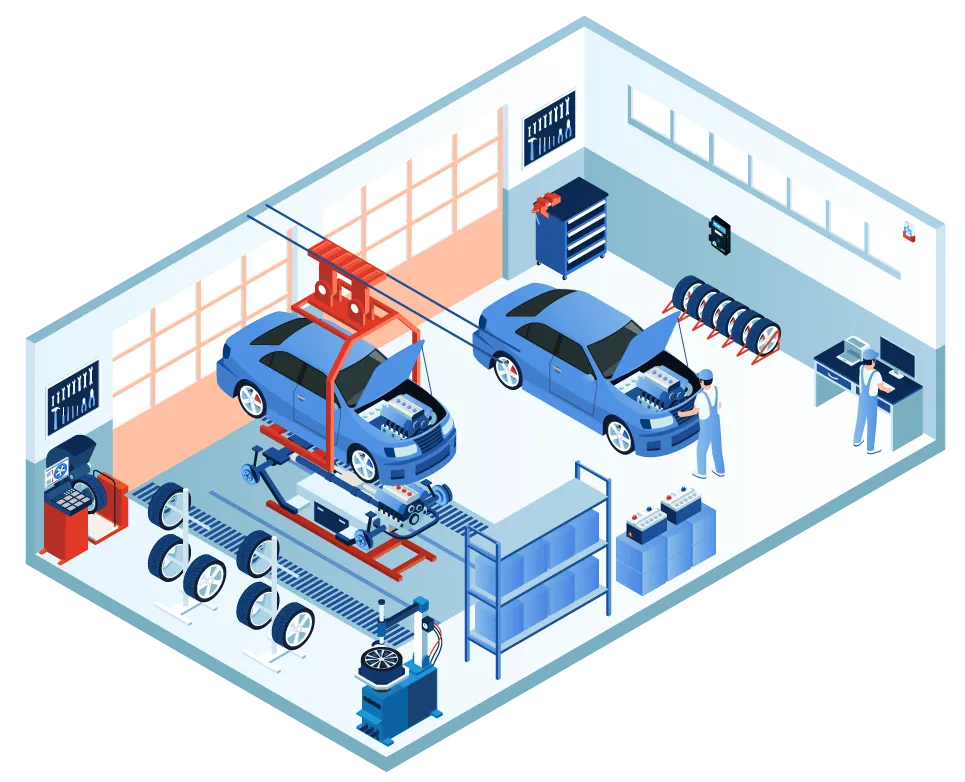
Typical Vehicle Service Bays System
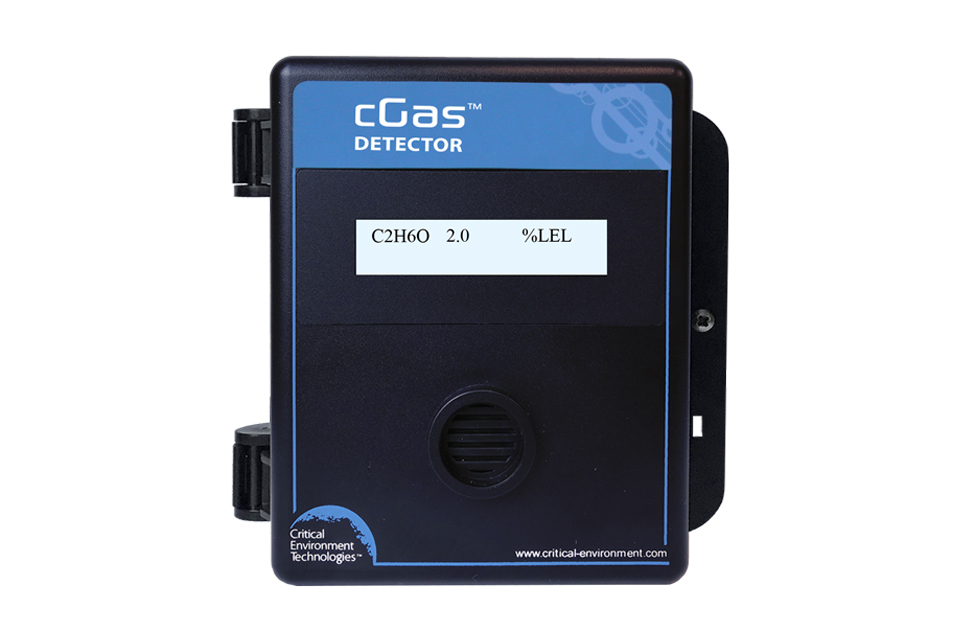
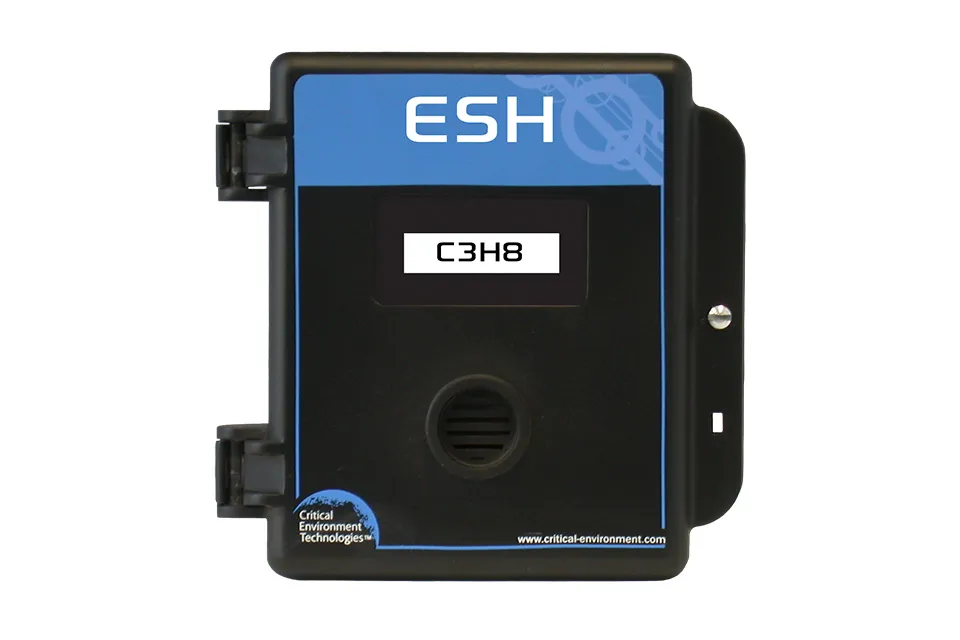
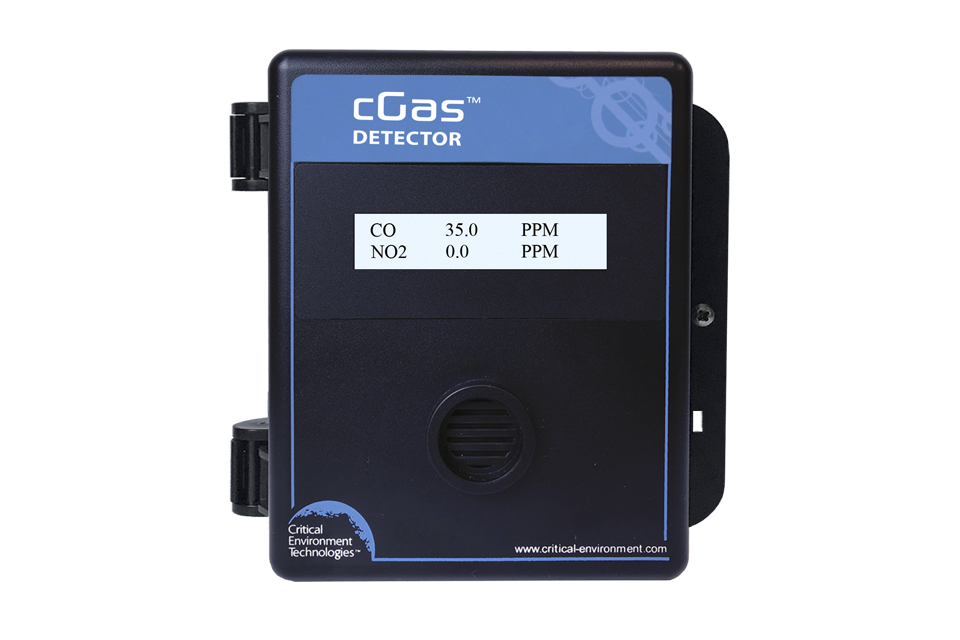
Target Gases
Gases monitored in this application
Why Gas Detection is Required
Automotive repair shops, oil change facilities, and inspection stations routinely run vehicles indoors for diagnostic testing, engine repair verification, and emissions inspection. Unlike parking facilities where vehicles quickly shut off, service bays may have engines idling for extended periods—sometimes at elevated RPM during testing. OSHA’s general industry standards require auto repair shops to control toxic gas exposure, maintain proper ventilation, and use calibrated direct reading monitors, making CO and NO₂ monitoring essential wherever combustion engines operate. Technicians working under vehicles, in inspection pits, or focused on automotive repairs may not notice the gradual accumulation of exhaust gases. Shops with multiple bays can generate significant combined exhaust loads. Auto shop CO detectors and a vehicle service bay ventilation system ensures air quality is maintained regardless of how many vehicles are running or how long tests require.
System Architecture
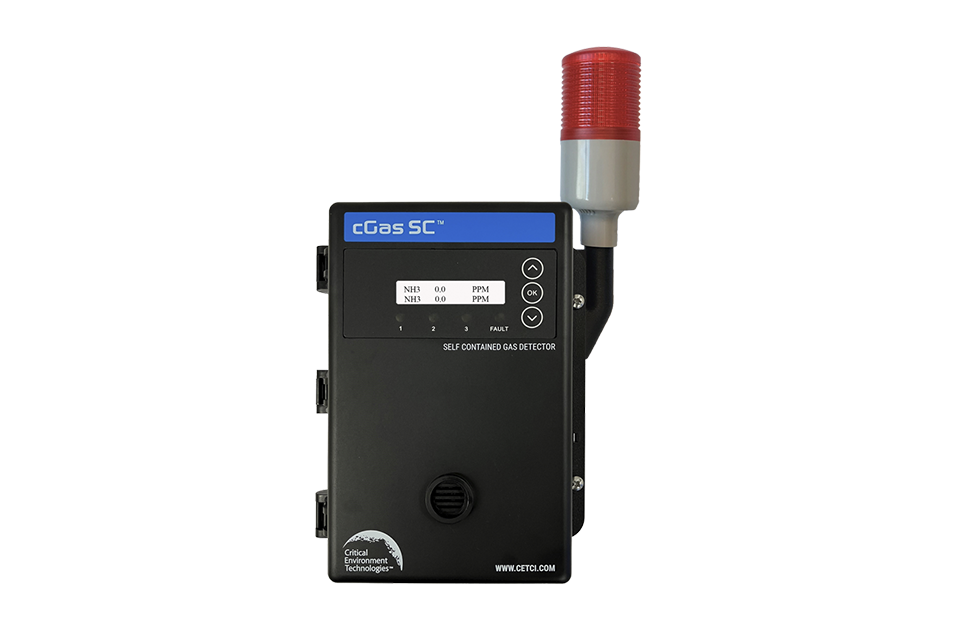
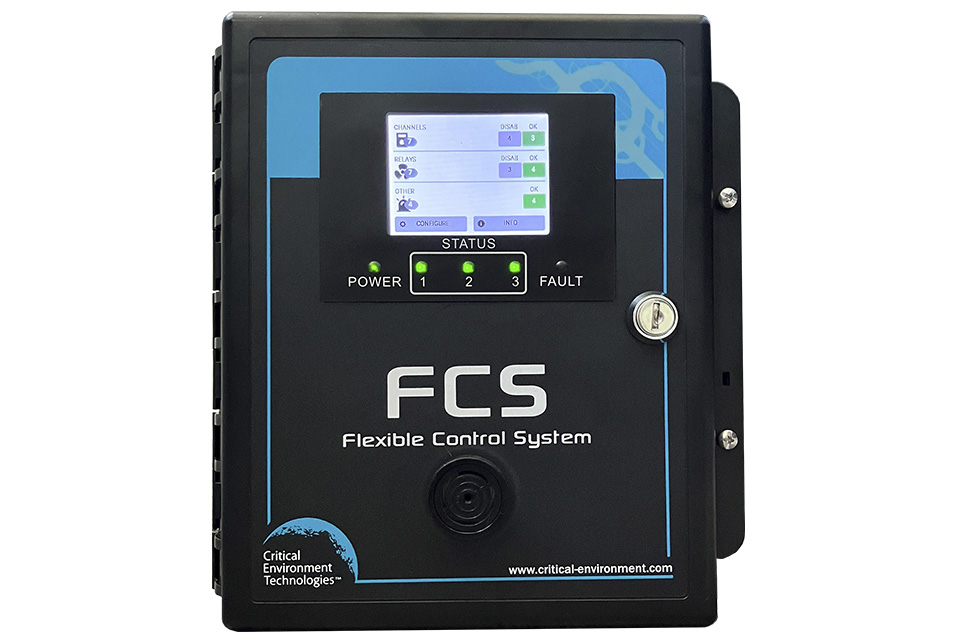
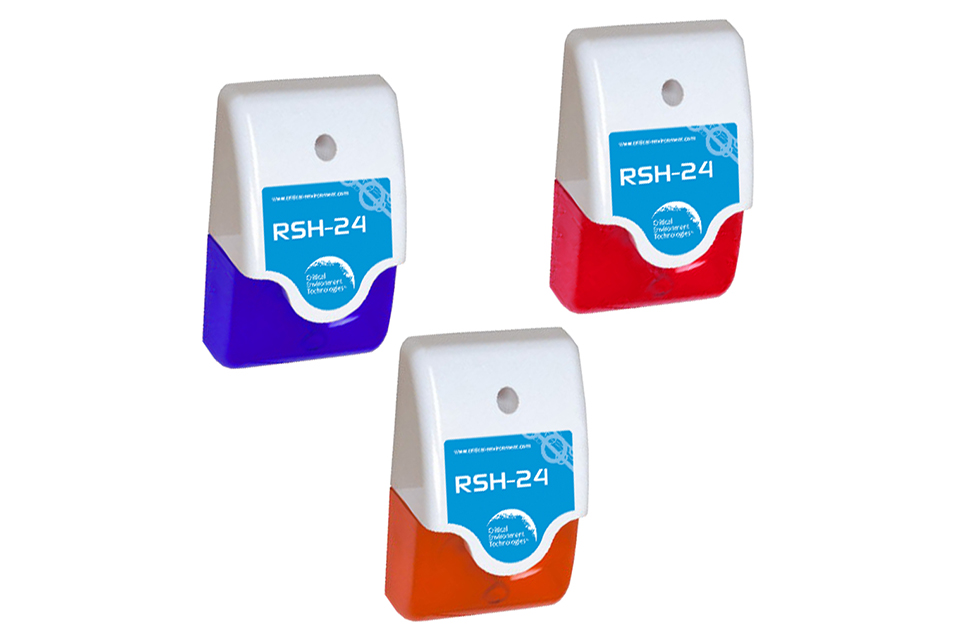
A complete vehicle service bay gas detection system typically consists of CO and NO₂ sensors positioned in each bay and in below-floor work areas, connected to a controller that manages ventilation and provides zone-specific alarming. The controller monitors gas levels across the shop and activates exhaust fans when concentrations rise in any area. Inspection stations and quick lube and oil change facilities face added risk because vehicles can idle for extended periods during emissions testing and engines commonly remain running through service lanes. For smaller shops, self-contained detector-controller units provide economical single-bay protection. Larger service facilities benefit from networked architectures with sensors in each bay reporting to a central controller, enabling coordinated ventilation response and verification that exhaust extraction systems are functioning properly. Alarm outputs activate audible/visual notification devices in affected areas, trigger bay exhaust fans, and can interface with source-capture exhaust extraction systems. Controllers with relay outputs provide direct ventilation control, while BACnet integration enables monitoring from building management systems.
Key Considerations
Important factors for planning your system
Each bay or bay cluster requires sensor coverage to detect localized exhaust accumulation
Inspection pits and below-floor work areas need dedicated monitoring for settling combustible gases
Integration with exhaust extraction systems verifies capture equipment is functioning
Breathing zone mounting (4-6 ft) protects technicians working at vehicle height
Additional Information
Many vehicle service facilities install tailpipe exhaust extraction systems, but these require proper connection for each vehicle and may not capture all emissions. Fixed gas detection provides backup protection when extraction is unavailable, improperly connected, or overwhelmed by multiple running vehicles. Depending on the types of vehicles being serviced, facilities may also need to monitor combustible gases such as propane and natural gas, as well as hydrogen in battery service rooms and EV or hybrid work areas.
Build Your Gas Detection Expertise
Explore upcoming webinars and personalized training from CET experts, covering gas detection technology, application guidance, installation, and commissioning.