
Propane Leak Detectors
C₃H₈Propane (C₃H₈) is a three-carbon alkane commonly used as a fuel for heating, cooking, vehicles, and as a refrigerant (R-290). As LPG (liquefied petroleum gas), propane is stored and transported as a liquid under moderate pressure. Propane is colorless and naturally odorless—ethyl mercaptan is added as an odorant for leak detection. With a GWP of only 3, propane (R-290) is increasingly used in commercial refrigeration as an environmentally responsible alternative to HFC refrigerants. However, propane is highly flammable (Class A3 refrigerant) with LEL of 2.1% and UEL 9.5%, requiring appropriate safety measures, charge limits, and leak detection for refrigeration applications.
Need Propane Detection?
Get expert guidance on the right detection solution for your application.
Key Information
Essential safety and exposure information for Propane
Health Effects
- Highly flammable and forms explosive mixtures with air at concentrations between approximately 2.1% and 9.5% by volume
- Not toxic, it poses an asphyxiant risk by pushing oxygen out of the air when it accumulates in enclosed spaces
- Signs of exposure include headaches and dizziness, nausea and fatigue, difficulty breathing, skin numbness or frostbite from liquid contact
Common Sources
- Propane heating systems
- Commercial kitchens
- Forklifts
- Vehicles
- Cylinder storage rooms
- Refrigeration (R-290)
- Industrial processes
Exposure Limits
- OSHA PEL
- 1,000 ppm TWA
- NIOSH REL
- 1,000 ppm TWA
- ACGIH
- Simple Asphyxiant, Explosion Hazard
Regulatory Status
- Propane (R‑290) is classified by the EPA as a non‑toxic, highly flammable gas and SNAP‑approved low‑GWP refrigerant, and by ASHRAE Standard 34 as an A3 (lower toxicity, high flammability) refrigerant.
Detection Requirements
- Sensor Technology
- Catalytic Bead or Infrared (NDIR)
- Sensor Range
- 0-100% LEL
- Alarm Setpoints
- Low 10% LEL, Mid 15% LEL, High 25% LEL
- Mounting Height
- 6-8 in / 15-20 cm from the floor
Build Your Gas Detection Expertise
Explore upcoming webinars and personalized training from CET experts, covering gas detection technology, application guidance, installation, and commissioning.
Related Applications
Industries and environments where Propane detection is critical
Parking Garages
A gas detection system within enclosed parking facilities will ensure safe, breathable air and minimize operating costs.
Chiller Rooms
Ammonia, R-410A, and A2L refrigerant detection for central plant mechanical rooms and HVAC equipment areas
Welding Shops
Combustible gas, oxygen, and fume detection for fabrication facilities and metal working environments
Fleet & Bus Depots
Exhaust gas monitoring for municipal bus garages, delivery fleet facilities, and transit maintenance buildings
Commercial Kitchens
Toxic and combustible gas hazards should be monitored in commercial kitchens to ensure a safe working environment.
Warehouses
Monitoring levels of CO & NO₂ is necessary to ensure the health and safety of warehouse employees.
Ice Arenas
Multiple gas hazards throughout ice arenas require several detectors to protect workers, spectators, and athletes.
Transit Facilities
Gas detection for subway stations, bus terminals, and enclosed passenger waiting areas
Boiler Rooms
Continuous monitoring of natural gas, CO, and CO2 in schools & boiler rooms ensures the safety of students and faculty.
Vehicle Service Bays
Gas detection for automotive repair shops, oil change facilities, and vehicle inspection stations where exhaust fumes accumulate
Greenhouses
Gas detection and monitoring of Carbon monoxide and combustible gases in greenhouse production facilities ensures the safety of employees and visitors.
Detection Solutions
Sensors and detectors for Propane monitoring
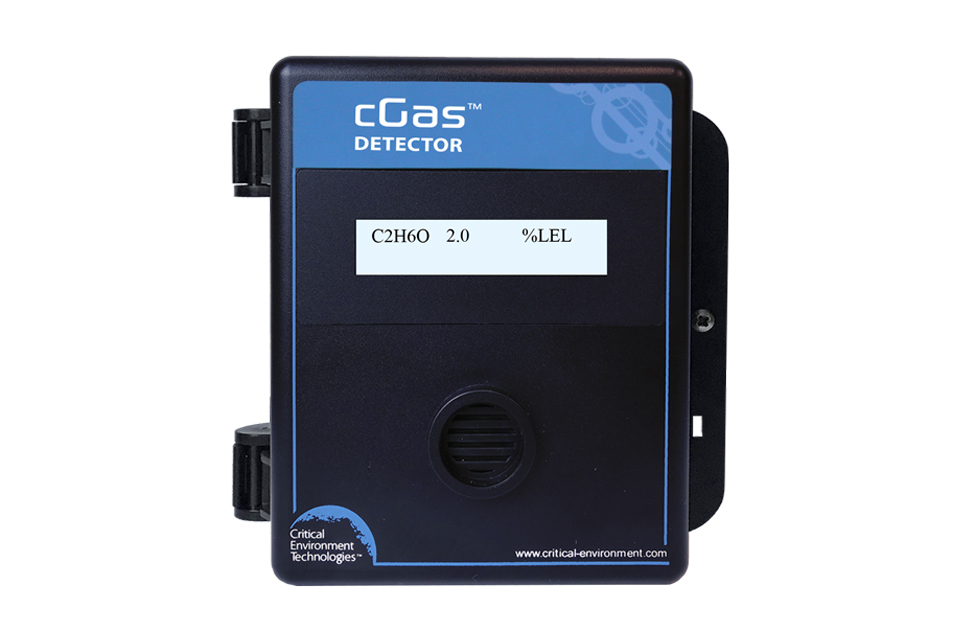
cGas Detector Analog Transmitter
Single channel, analog gas detector with Plug & Play Smart Sensor Technology.
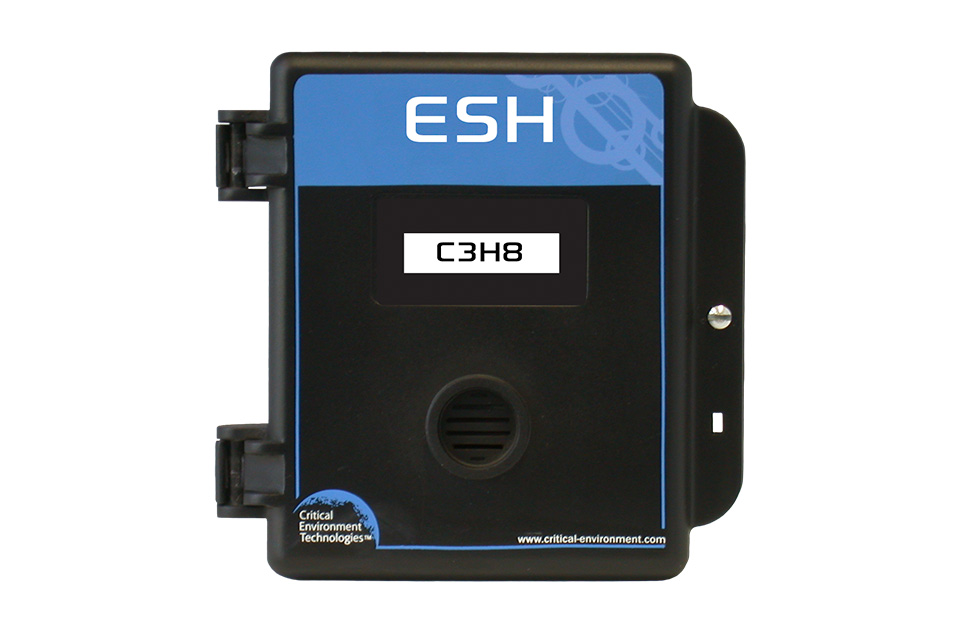
ESH-A Remote Sensor
Single analog remote sensor for flexible location monitoring.
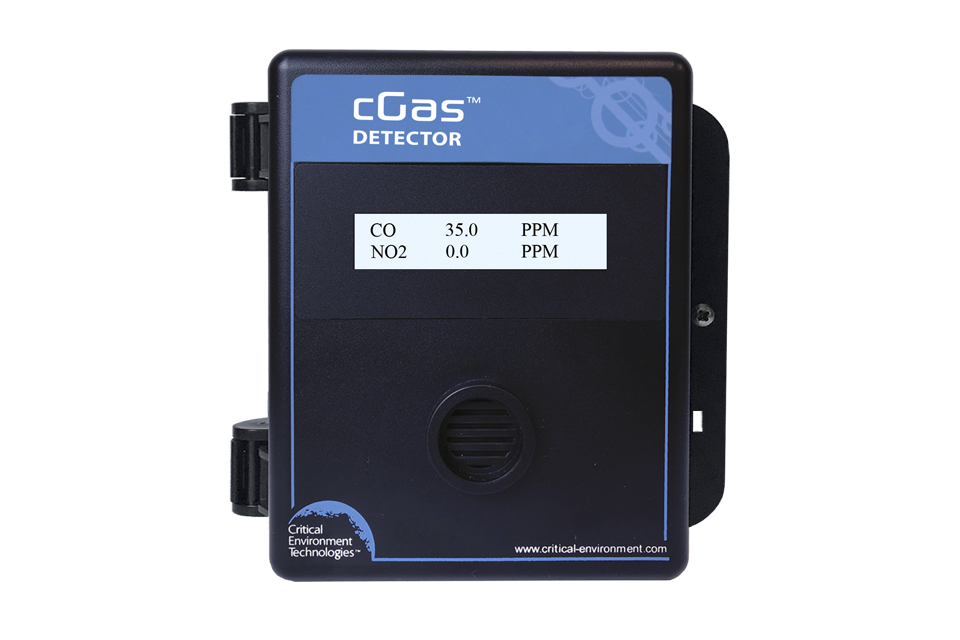
cGas Detector Digital Transmitter
One or two channel Modbus® or BACnet® gas detector with flexible customization options and Plug & Play Smart Sensor Technology.
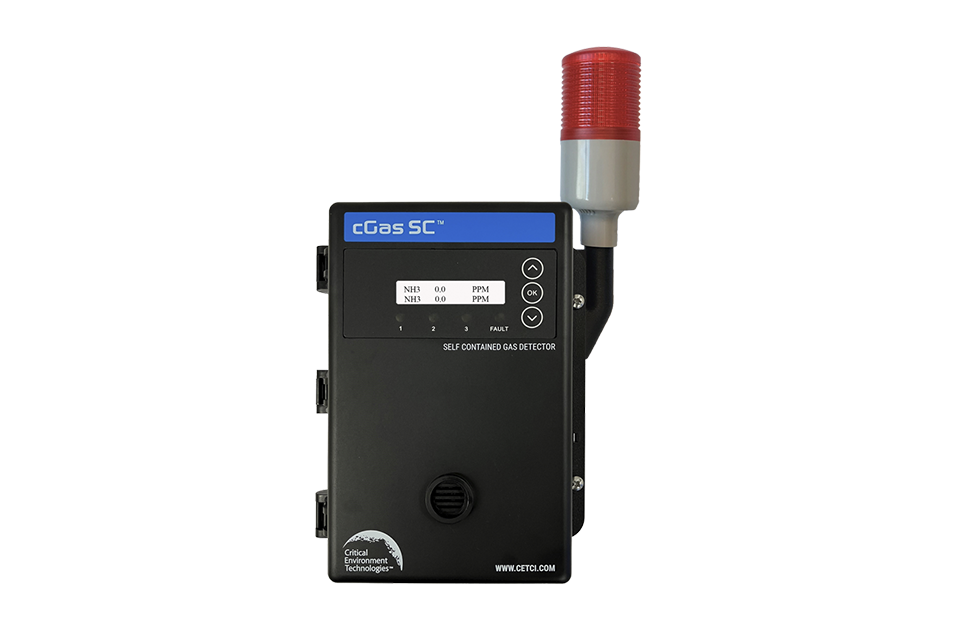
cGas-SC Self-Contained Controller
A self contained controller with up to 3 gas channels, Plug & Play Smart Sensor Technology and configurable logic control and priority settings. Offers superior user customization and reliable gas detection performance for monitoring many gases.
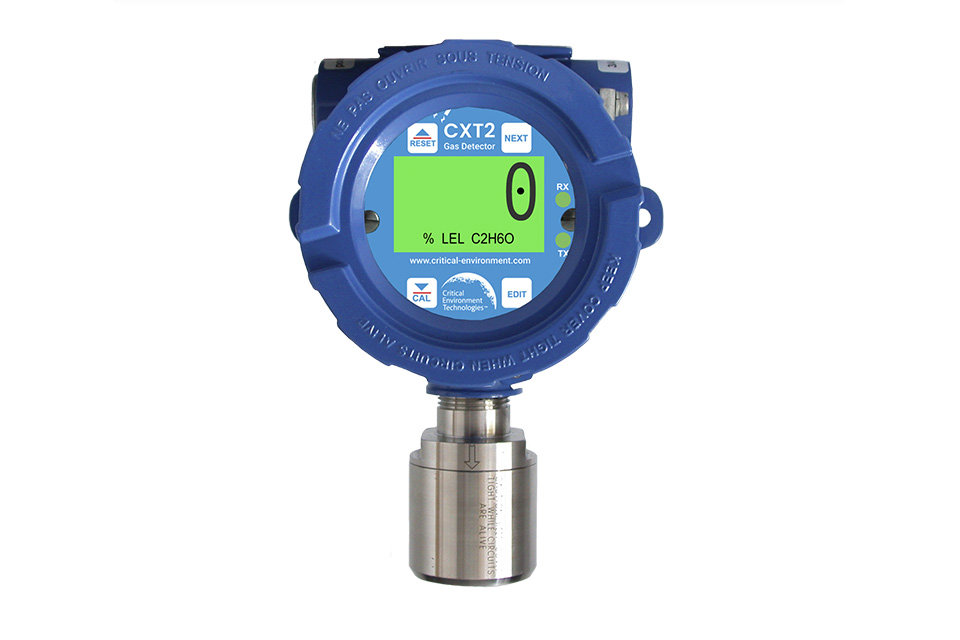
CXT2 Explosion Proof Transmitter
Reliable, accurate monitoring of toxic or combustible gases in potentially explosive and harsh environments, including hazardous-rated areas.