Gas Detection for Transit Facilities
Continuous monitoring of carbon monoxide, nitrogen dioxide, combustible gases and carbon dioxide in subway stations, bus terminals, and transit hubs to protect passengers and transit workers.
Target Gases
Gases monitored in this application
Why Gas Detection is Required
Subway stations, bus terminals and enclosed passenger platforms face unique air quality challenges due to the buildup of pollutants such as CO and NO₂. Fine dust and metal particles can build up from train brakes and wheel rail friction, especially in enclosed underground platforms. Enclosed or semi-enclosed bus terminals face air quality concerns due to diesel exhaust from idling buses, which releases high levels of NO₂, CO, and VOCs. Passenger waiting areas also require monitoring because high occupancy levels elevate Carbon dioxide (CO₂), particulate matter and volatile organic compounds. These issues affect not only riders but also the people who spend their entire workday in these spaces. Transit workers—station staff, cleaners, maintenance teams, and bus operators—can experience far more exposure simply because they’re there longer. Transit station gas detection and ventilation requirements are supported by established codes and standards. NFPA 72 outlines requirements for selecting and installing gas detection systems integrated into station safety infrastructure, including engineering based placement of sensors for CO, NO₂, and other gases. OSHA regulates worker exposure to airborne contaminants under 29 CFR 1926.55, ensuring that transit employees—who spend prolonged hours inside these environments—remain protected from excessive pollutant concentrations. For diesel related NO₂ exposure, OSHA’s ceiling limit of 5 ppm reinforces the need for active monitoring, especially in bus depots and enclosed vehicle areas. On a broader scale, EPA NAAQS thresholds for NO₂ and particulate matter provide benchmarks for evaluating ambient pollutant levels affecting both commuters and staff. Ventilation standards also play a critical role. ASHRAE Standard 217 establishes guidelines for air movement in enclosed transit facilities, helping reduce contaminant buildup in tunnels and stations. Updated provisions in the 2022 Addendum introduce further measures for improving airflow management and mitigating airborne risks in mass transit environments. Combined with ASHRAE 62.1 filtration and ventilation requirements for occupied indoor spaces, these frameworks guide agencies in maintaining healthy air for passengers and ensuring compliance with worker safety expectations. Pairing detection systems with engineered ventilation, transit agencies can significantly reduce exposure risks in enclosed stations, creating safer and healthier transportation environments. Ventilation systems designed for average conditions may be inadequate during peak periods or when trains are delayed and platforms become congested. Continuous monitoring enables demand-responsive ventilation that maintains air quality during variable conditions while minimizing energy use during off-peak hours.
System Architecture
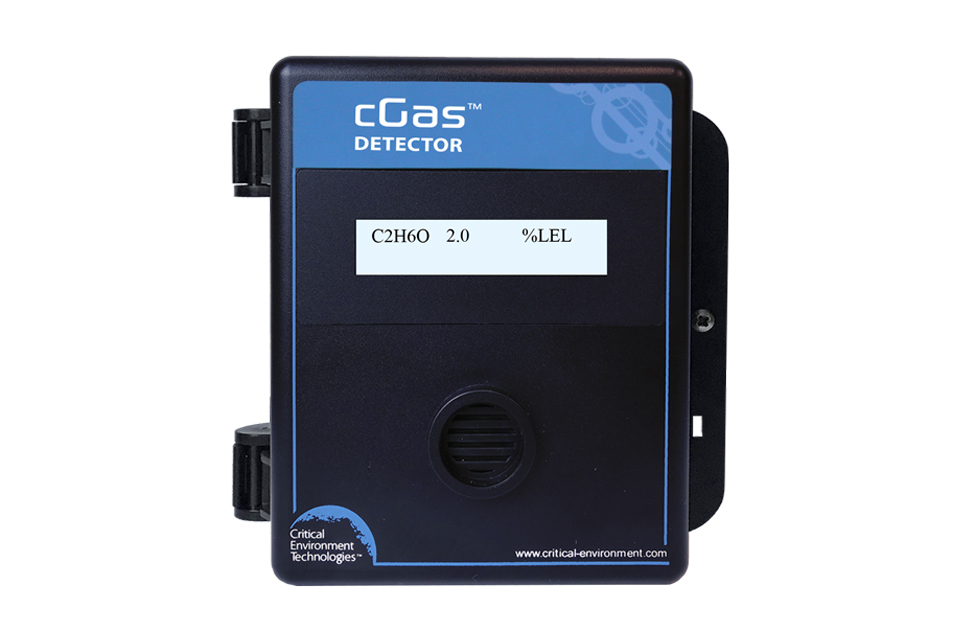
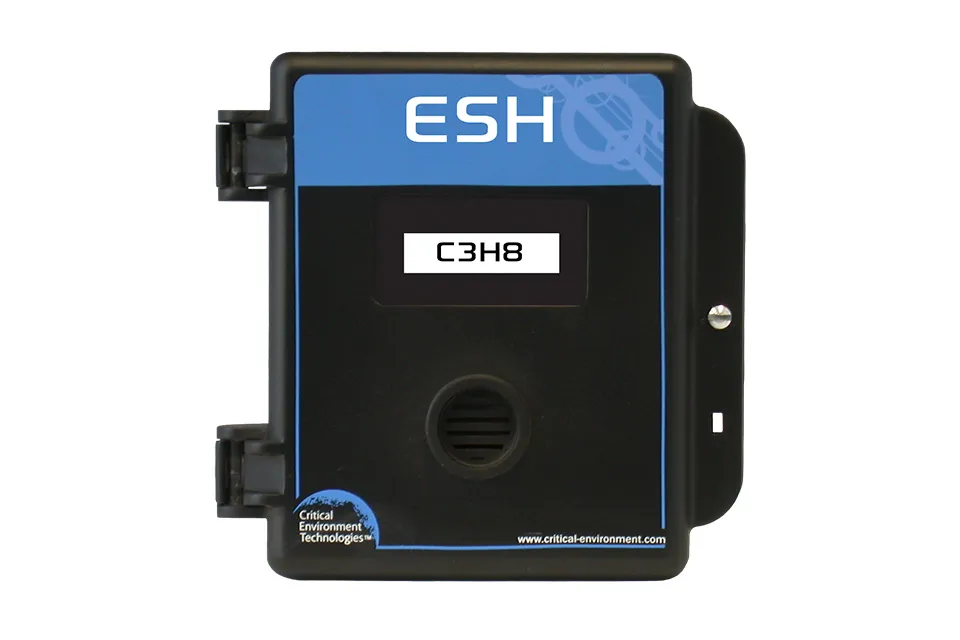
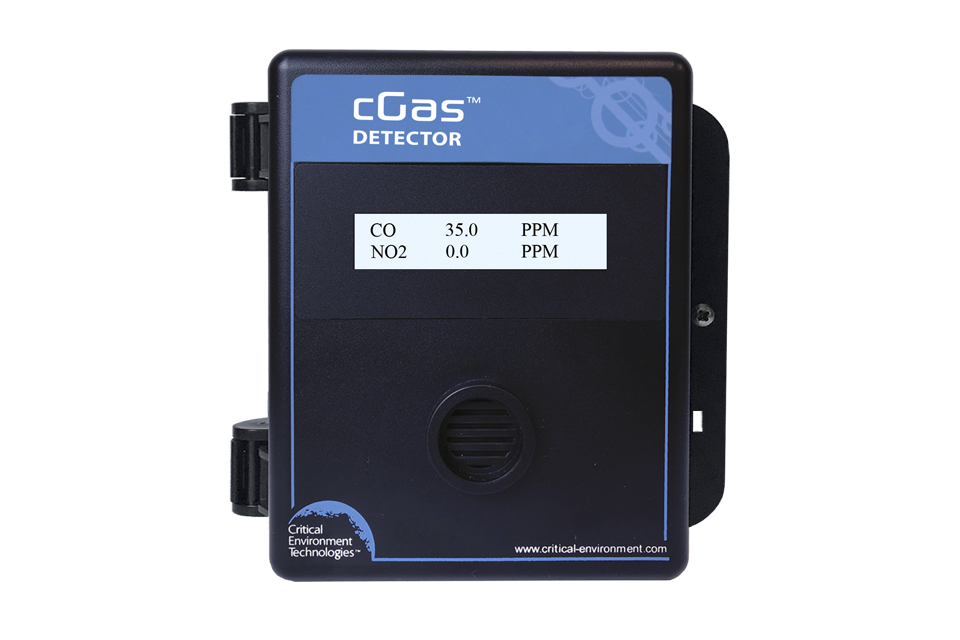
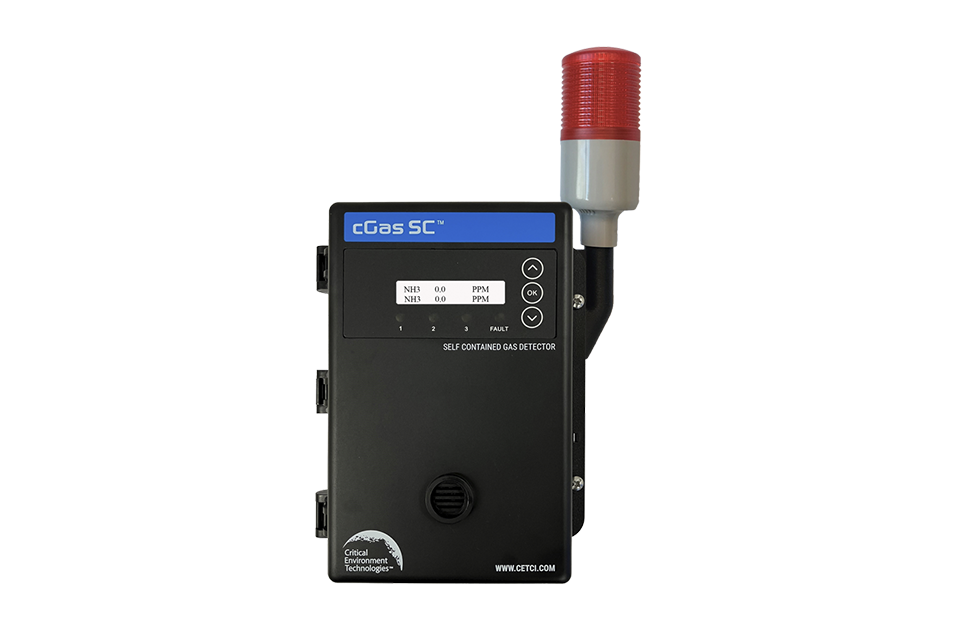
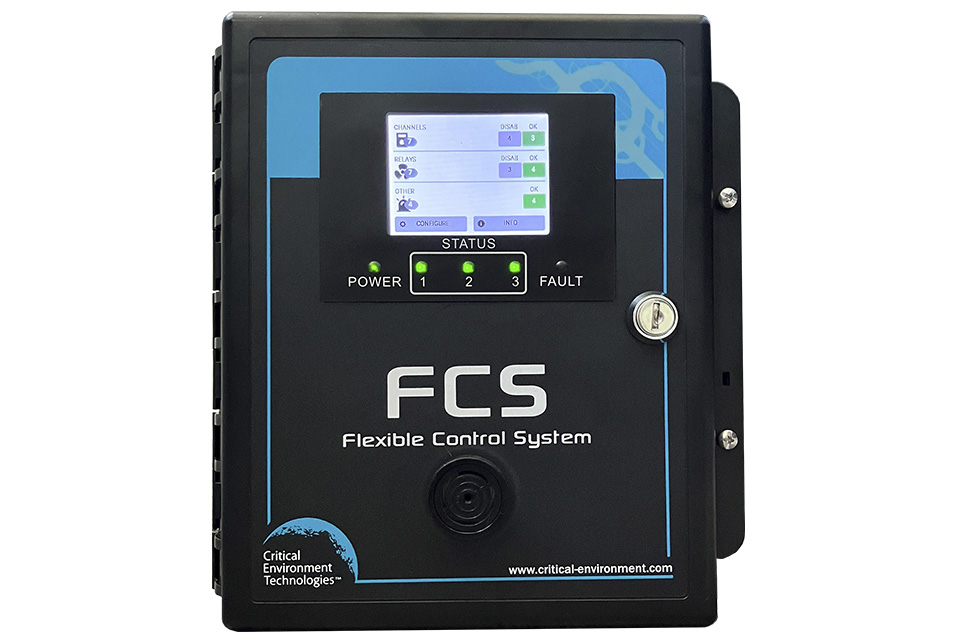
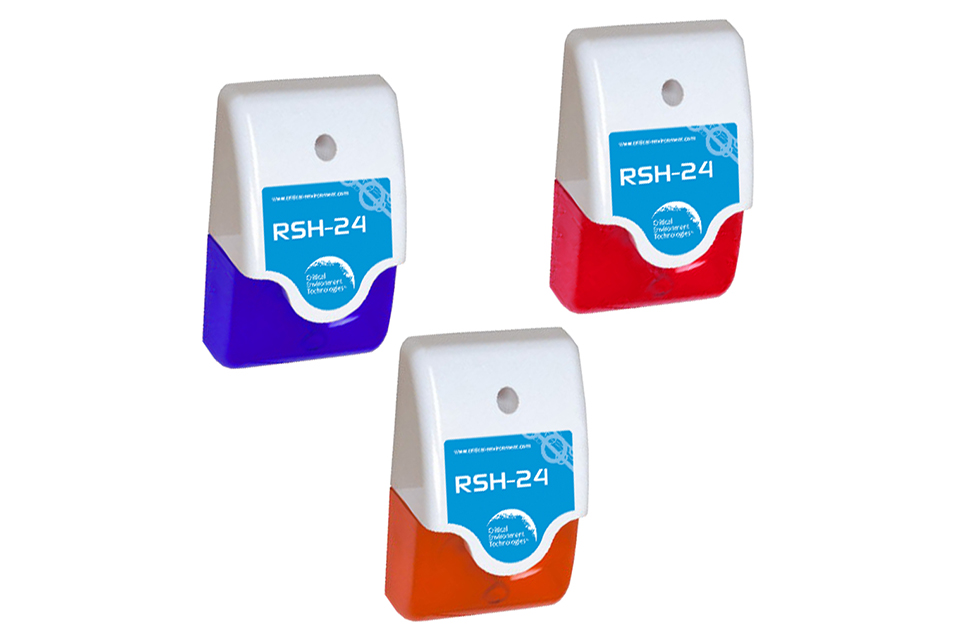
A complete transit facility gas detection system typically consists of CO and NO₂ sensors in vehicle areas combined with CO₂ sensors in passenger waiting zones, connected to a central controller that manages ventilation across the facility. The controller monitors gas levels by zone and modulates ventilation fans to maintain air quality while optimizing energy use. For smaller transit stations, self-contained detector-controller units provide economical protection for individual platforms or waiting areas. Larger transit networks benefit from networked architectures with sensors reporting to central control rooms, enabling coordinated response across multiple stations and integration with transit operations systems. Alarm outputs can activate emergency ventilation, trigger public notification systems, and interface with transit control centers for coordinated emergency response. Integration with SCADA systems enables remote monitoring and trending across the transit network.
Key Considerations
Important factors for planning your system
Platform-level monitoring addresses exhaust from buses, maintenance vehicles, and emergency apparatus
Tunnel ventilation zones require detection to verify adequate exhaust removal
Passenger waiting areas benefit from CO₂ monitoring for demand-controlled ventilation
Integration with transit control centers enables coordinated emergency response
Additional Information
Transit facilities often have unique airflow patterns created by train movement and complex multi-level architectures. Gas detection system design should account for these dynamics, with sensors positioned where gases are likely to concentrate and not in areas with constant air movement.
Build Your Gas Detection Expertise
Explore upcoming webinars and personalized training from CET experts, covering gas detection technology, application guidance, installation, and commissioning.