Gas Detection for Fleet & Bus Depots
Continuous monitoring of carbon monoxide, nitrogen dioxide, and combustible gases in bus depots and transit maintenance facilities to maintain safe air quality for the servicing of diesel and alternative‑fuel buses.

Typical Fleet & Bus Depots System
Target Gases
Gases monitored in this application
Why Gas Detection is Required
Municipal transit authorities enforce stringent air quality and emissions requirements in bus depots servicing diesel, CNG, and LNG fleets, including continuous monitoring of carbon monoxide, nitrogen dioxide, and combustible gases to protect workers from toxic exposure and explosion hazards in maintenance bays. Unlike parking garages where vehicles enter, park, and exit, fleet facilities have extended periods of idling during warm-up, fueling, cleaning, and maintenance activities. Diesel-powered buses and trucks generate significant nitrogen dioxide in addition to carbon monoxide. Propane-powered fleet vehicles add combustible gas hazards. Compressed natural gas (CNG) buses require methane detection. The variety of fuel types and intensity of activity demand comprehensive detection systems.
System Architecture
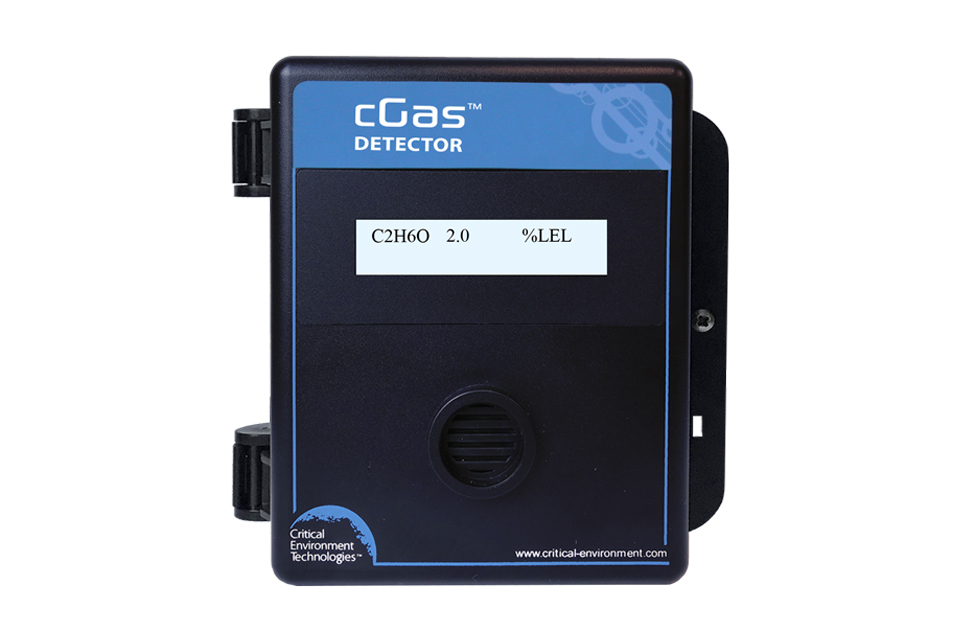
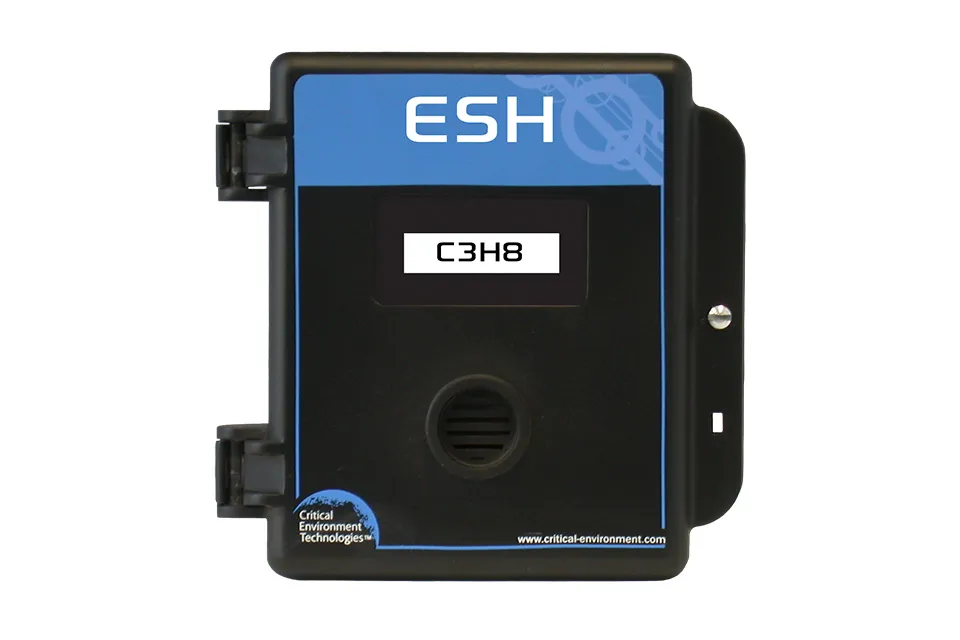
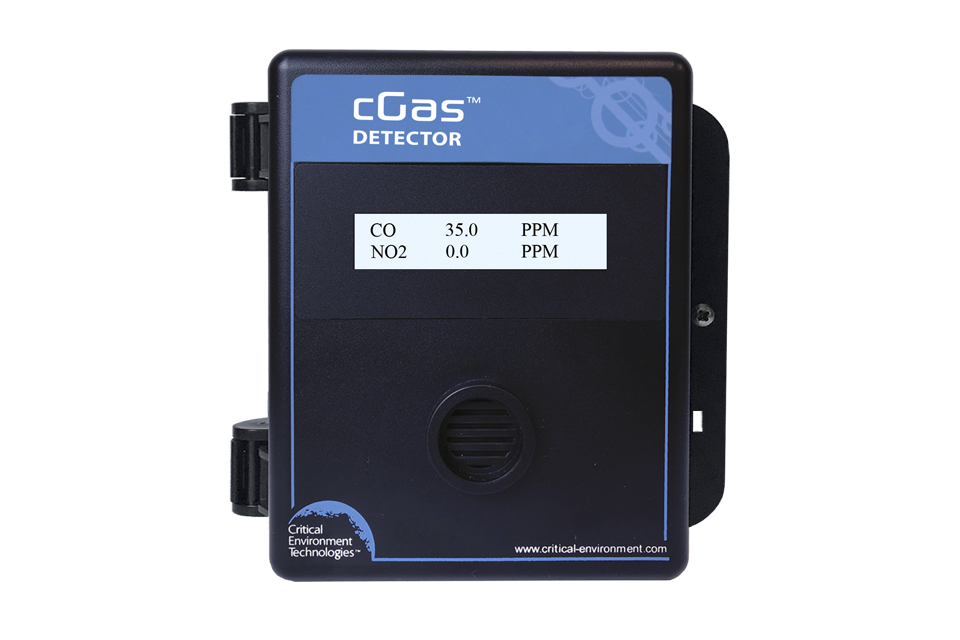
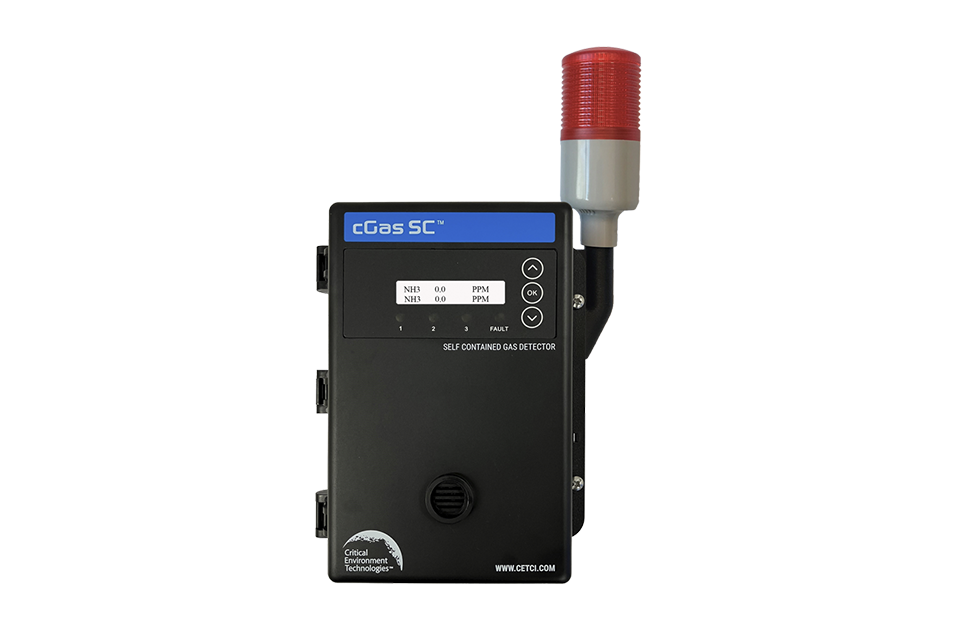
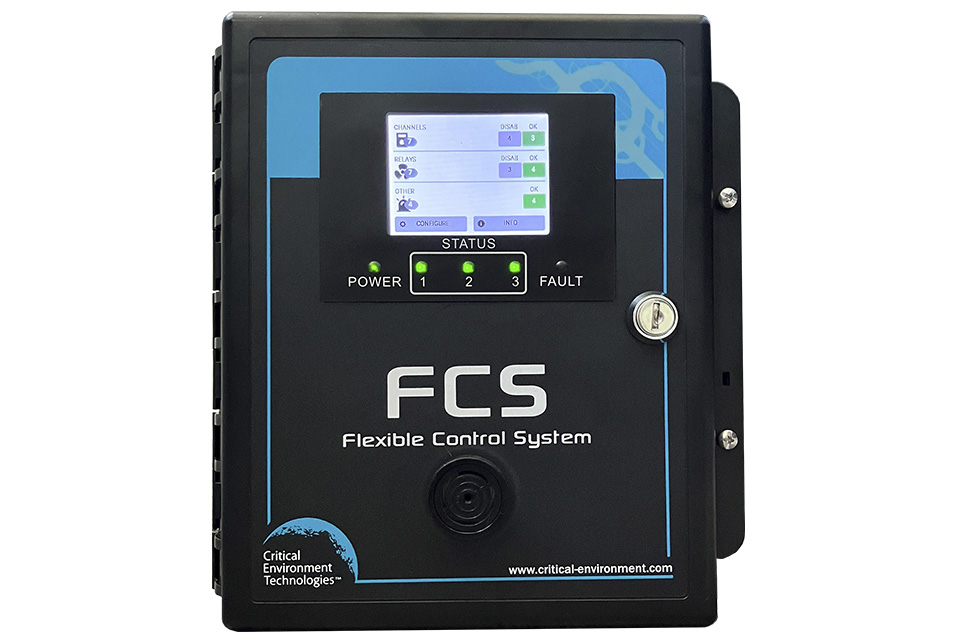
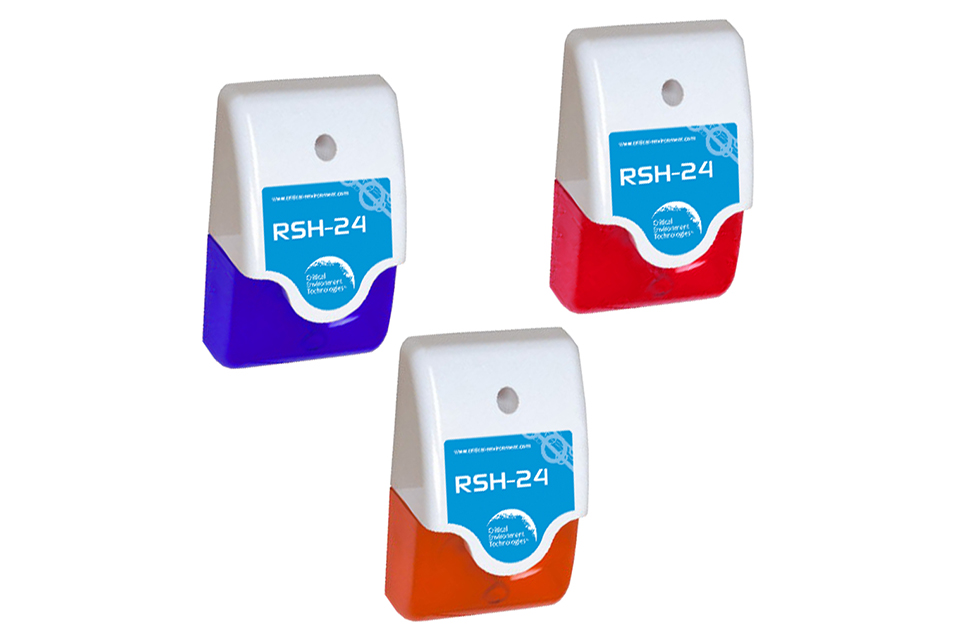
A complete gas detection system for bus depots, fleet maintenance facilities and transit facilities typically consists of distributed sensors covering parking, maintenance, and fueling areas, connected to a zoned controller that manages ventilation across the facility. The controller monitors gas levels by zone and activates targeted ventilation where concentrations rise, optimizing energy efficiency while maintaining air quality. For smaller fleet operations, self-contained detector-controller units in each functional area provide economical protection. Larger transit facilities benefit from networked architectures with dozens of sensors reporting to a central controller, enabling zone identification, coordinated ventilation response, and integration with building management systems. Alarm outputs activate audible/visual notification devices in affected zones, trigger zoned ventilation systems, and can interface with fueling equipment for automatic shutdown if combustible gas leaks are detected. Integration with BMS enables data logging and trending to optimize ventilation schedules.
Key Considerations
Important factors for planning your system
Detection strategy must address all fuel types in the fleet—diesel, gasoline, propane, natura gas, CNG, LNG, etc.
Maintenance areas require additional coverage where vehicles may run for extended periods
Fueling areas need combustible gas detection appropriate to fuel type
System should integrate with facility ventilation for demand-controlled operation
Additional Information
Fleet facilities benefit from zoned detection systems that can identify which area has elevated gas levels and activate targeted ventilation. Integration with building management systems enables logging and trending of gas levels to optimize ventilation schedules and identify equipment issues.
Build Your Gas Detection Expertise
Explore upcoming webinars and personalized training from CET experts, covering gas detection technology, application guidance, installation, and commissioning.