
Hydrogen Leak Detectors
H₂Hydrogen (H₂) is the lightest and most abundant element in the universe, appearing as a colorless, odorless, highly flammable gas. Hydrogen is increasingly important as a clean energy carrier for fuel cells, transportation, and industrial decarbonization. Traditional uses include petroleum refining, ammonia production, and semiconductor manufacturing. Hydrogen has an extremely wide flammable range (4-75% in air) and low ignition energy, making it highly hazardous in enclosed spaces. The gas is lighter than air and rises rapidly, and can accumulate in enclosed ceilings. Detection is critical in hydrogen production, storage, fuel cell facilities, battery charging, and in monitoring lithium‑ion batteries for early signs of thermal runaway.
Need Hydrogen Detection?
Get expert guidance on the right detection solution for your application.
Key Information
Essential safety and exposure information for Hydrogen
Health Effects
- Hydrogen presents an extreme fire and explosion risk as it is highly flammable and forms explosive mixtures with air at concentrations between approximately 4-75% in air.
- Hydrogen is not toxic, but it poses an asphyxiant risk; it can cause suffocation by pushing oxygen out of the air when it accumulates in enclosed or poorly ventilated spaces.
- Signs of exposure (oxygen displacement) include, dizziness, headache, rapid breathing, confusion and loss of consciousness and death in severe cases.
Common Sources
- EV charging stations
- Battery energy storage systems
- Fuel cell applications
- Laboratories
- Chemical manufacturing
- Industrial processes
Exposure Limits
- OSHA PEL
- None, Flammable gas
- NIOSH REL
- None, Explosion/asphyxiation hazard
- ACGIH TLV
- None, Simple asphyxiant
Regulatory Status
- Hydrogen is classified by the EPA as a regulated flammable gas and fuel, while ASHRAE Standards 15, 62.1, and 90.1 address ventilation, leak detection, and building safety. NFPA Standards 2, 55, 70, and 72 provide additional requirements covering storage and handling, hazardous location classification, and the integration of hydrogen gas detectors into alarm systems.
Detection Requirements
- Sensor Technology
- Catalytic Bead or Electrochemical
- Senor Detection Range
- 0-100% LEL or 0-2,000ppm
- Alarm Setpoints
- Low 10% LEL, Mid 15%, High 25% LEL / 200 ppm, 500 ppm, 1,000 ppm
- Mounting
- Install at ceiling level (lighter than air)
Build Your Gas Detection Expertise
Explore upcoming webinars and personalized training from CET experts, covering gas detection technology, application guidance, installation, and commissioning.
Related Applications
Industries and environments where Hydrogen detection is critical
EV Charging
Hydrogen and thermal runaway gas detection for electric vehicle charging stations and battery swap facilities
Laboratories
Continuous monitoring protects laboratory personnel from combustible gases, oxygen displacement, and hazardous toxic gas exposure in laboratory settings and research facilities.
Fleet & Bus Depots
Exhaust gas monitoring for municipal bus garages, delivery fleet facilities, and transit maintenance buildings
Warehouses
Monitoring levels of CO & NO₂ is necessary to ensure the health and safety of warehouse employees.
Ice Arenas
Multiple gas hazards throughout ice arenas require several detectors to protect workers, spectators, and athletes.
Vehicle Service Bays
Gas detection for automotive repair shops, oil change facilities, and vehicle inspection stations where exhaust fumes accumulate
Battery Charging
Continuous monitoring of hydrogen from charging electric forklifts with lead acid batteries and battery charging rooms to reduce the risk of fire and explosion.
Data Centers
Refrigerant leaks from cooling infrastructure can create asphyxiation risks, while hydrogen off‑gassing from battery systems can form an explosive hazard.
Detection Solutions
Sensors and detectors for Hydrogen monitoring
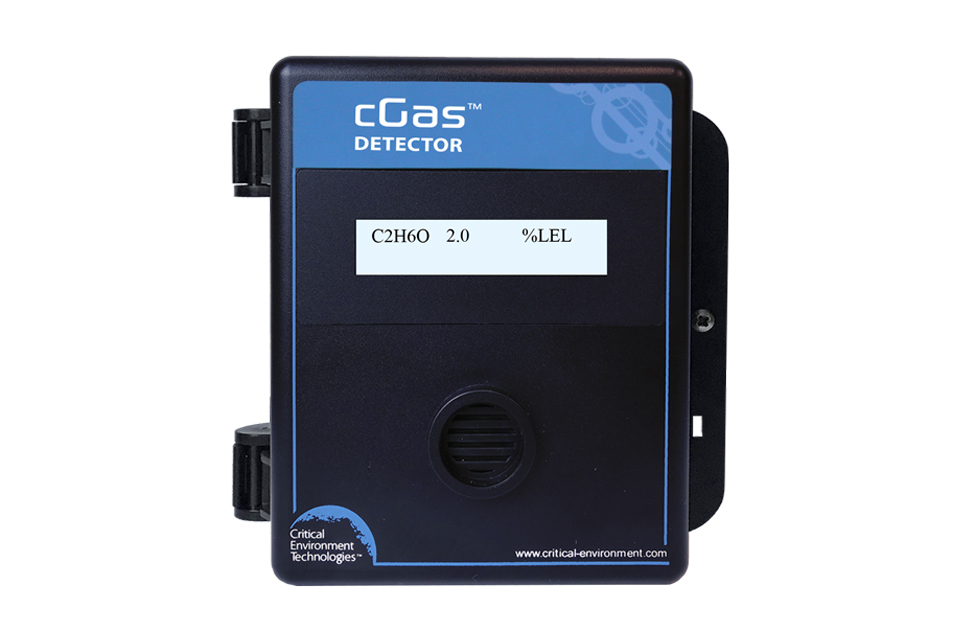
cGas Detector Analog Transmitter
Single channel, analog gas detector with Plug & Play Smart Sensor Technology.
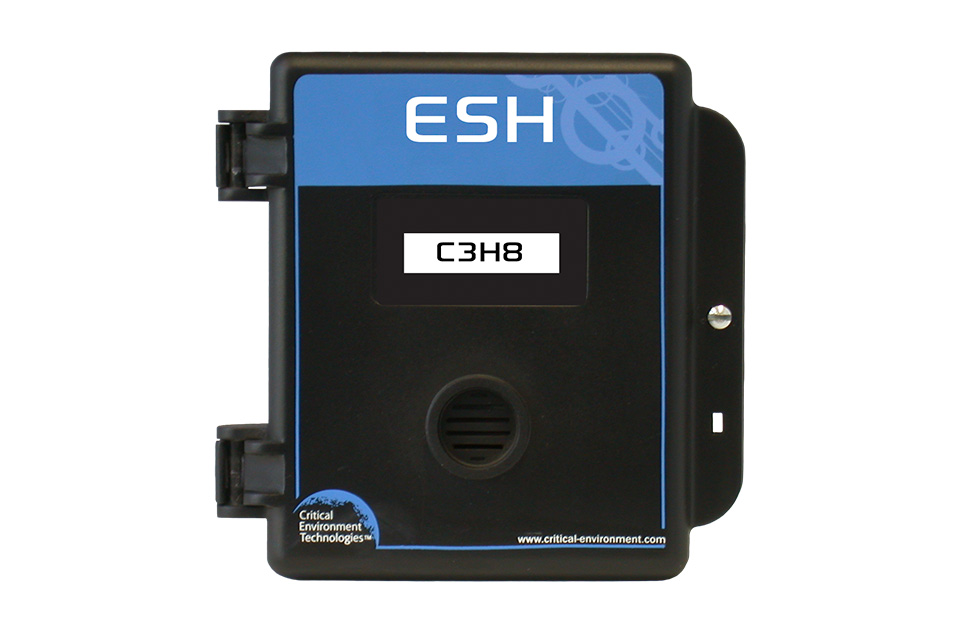
ESH-A Remote Sensor
Single analog remote sensor for flexible location monitoring.
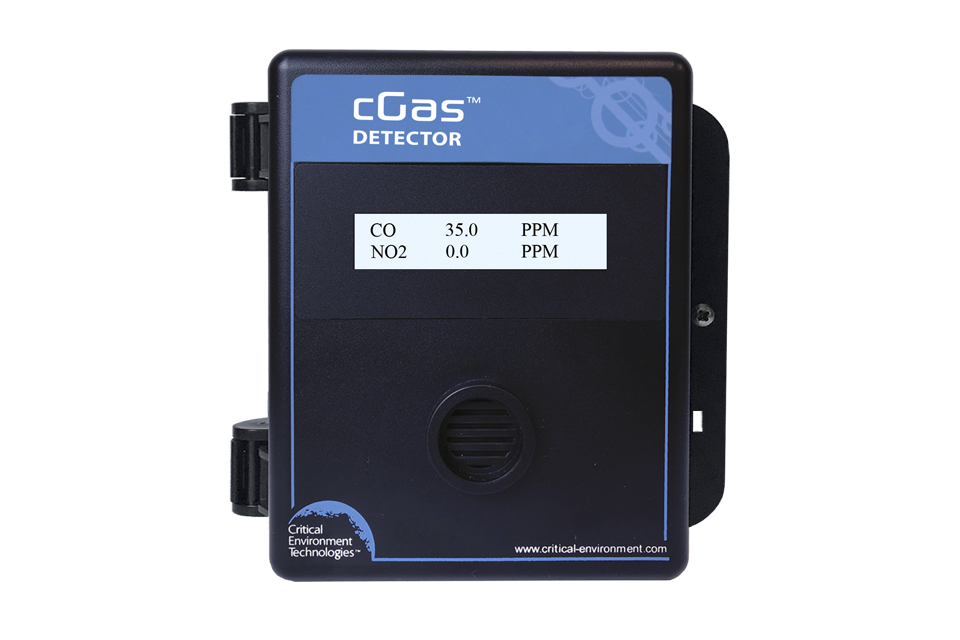
cGas Detector Digital Transmitter
One or two channel Modbus® or BACnet® gas detector with flexible customization options and Plug & Play Smart Sensor Technology.
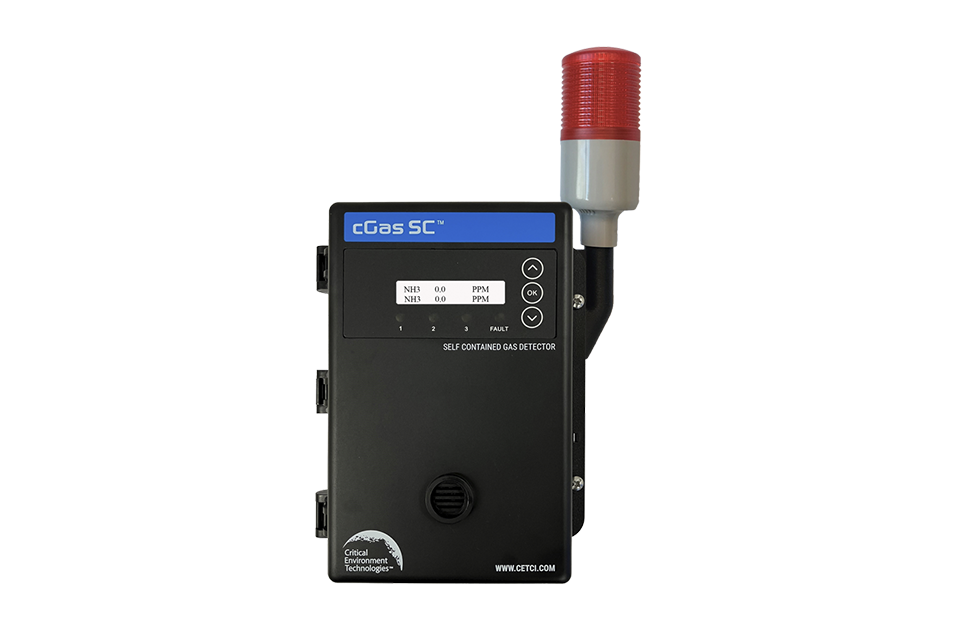
cGas-SC Self-Contained Controller
A self contained controller with up to 3 gas channels, Plug & Play Smart Sensor Technology and configurable logic control and priority settings. Offers superior user customization and reliable gas detection performance for monitoring many gases.
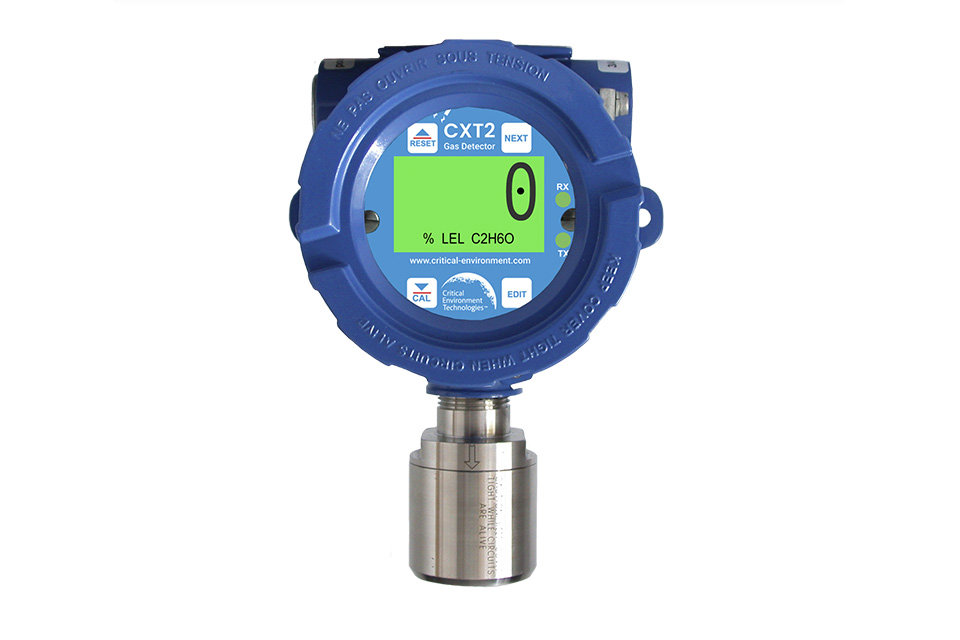
CXT2 Explosion Proof Transmitter
Reliable, accurate monitoring of toxic or combustible gases in potentially explosive and harsh environments, including hazardous-rated areas.