
Gas Detection for EV Charging
Continuous hydrogen gas monitoring in electric vehicle charging facilities provides early warning of thermal‑runaway events and supports effective battery‑fire prevention.

Typical EV Charging System
Target Gases
Gases monitored in this application
Why Gas Detection is Required
Electric vehicle charging facilities are facing a rapidly evolving regulatory landscape as jurisdictions respond to the fire and gas release hazards associated with modern battery technologies. Emerging fire codes—driven by updates to OSHA, NFPA and new municipal EV readiness ordinances—are increasingly requiring dedicated gas detection systems in enclosed or high density EV charging areas, especially where early warning of battery failure is critical. Enclosed charging structures, underground parking with charging stations, and battery swap facilities require detection systems that can identify early thermal runaway indicators before fire develops. At the same time, many commercial fleet depots still rely on lead acid batteries for auxiliary systems, forklifts, or backup power, and these batteries generate hydrogen during normal charging. Hydrogen detection is particularly critical as this flammable gas accumulates at ceiling level and can create explosion hazards.
System Architecture
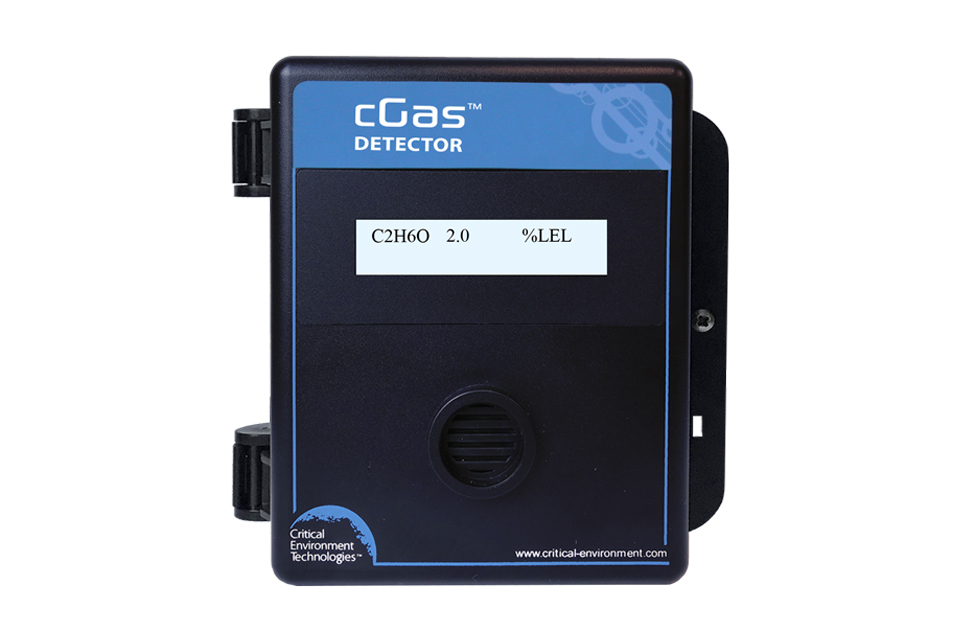
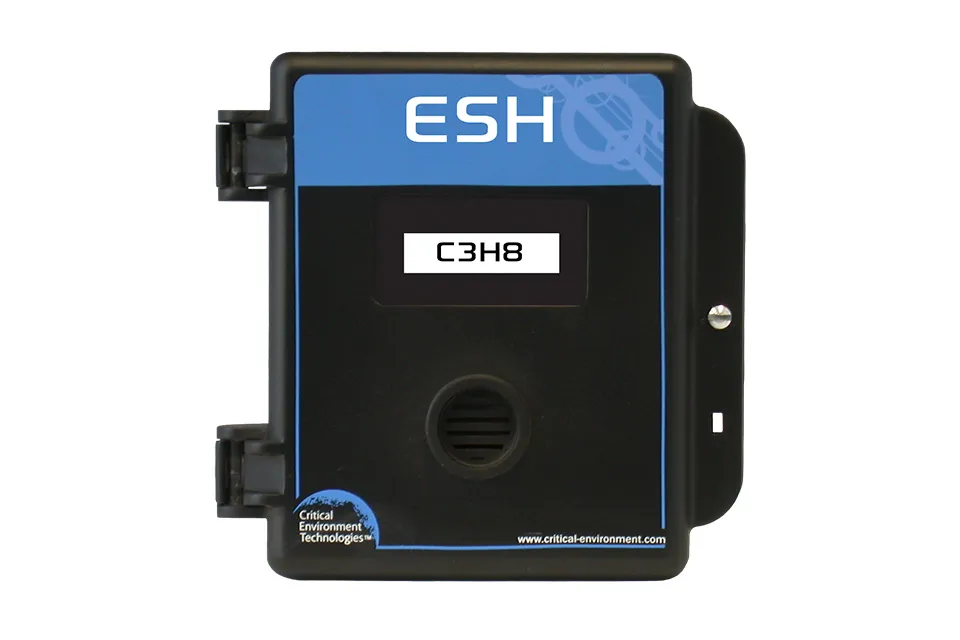
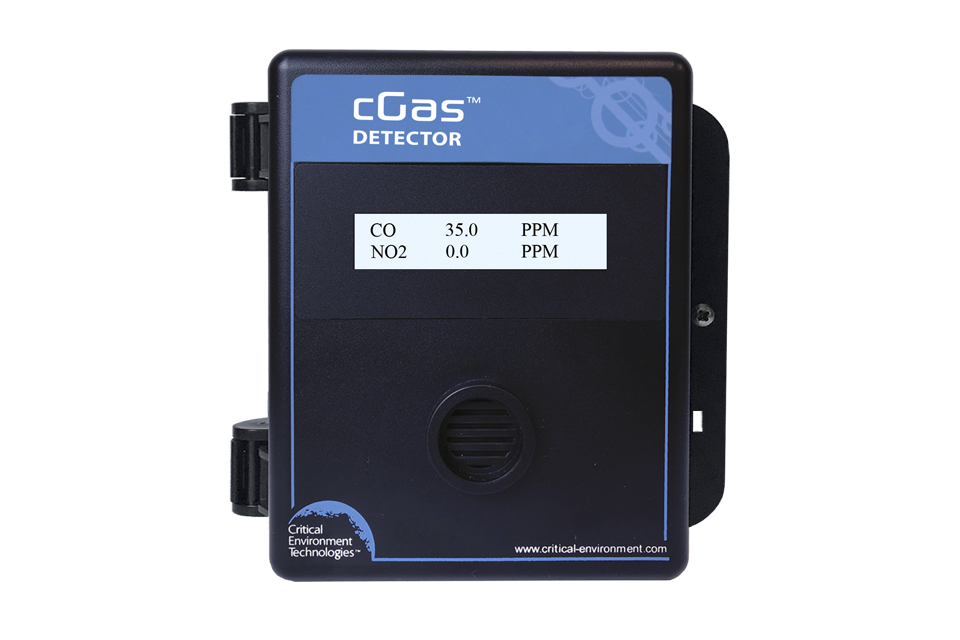
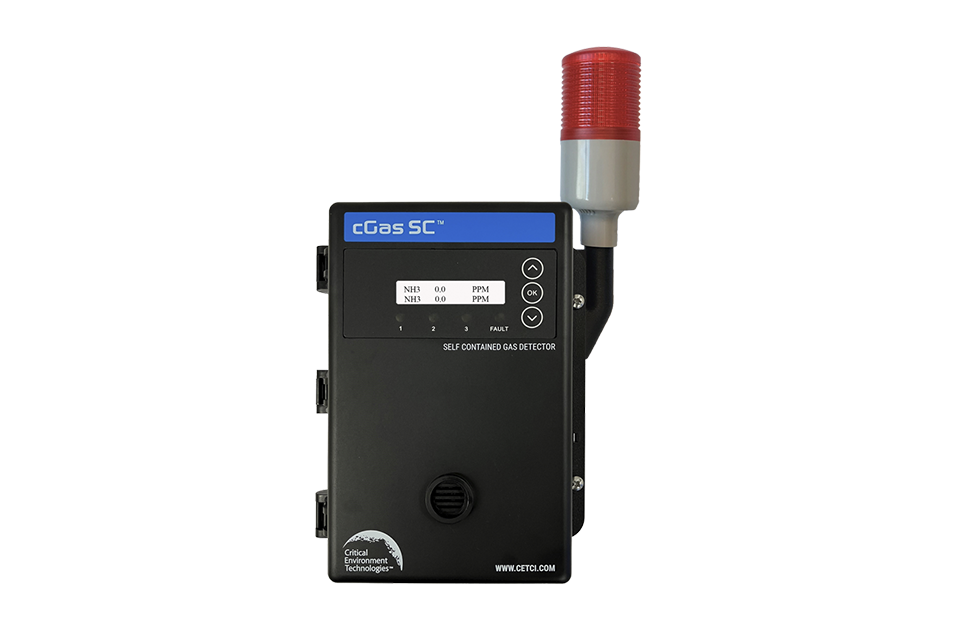
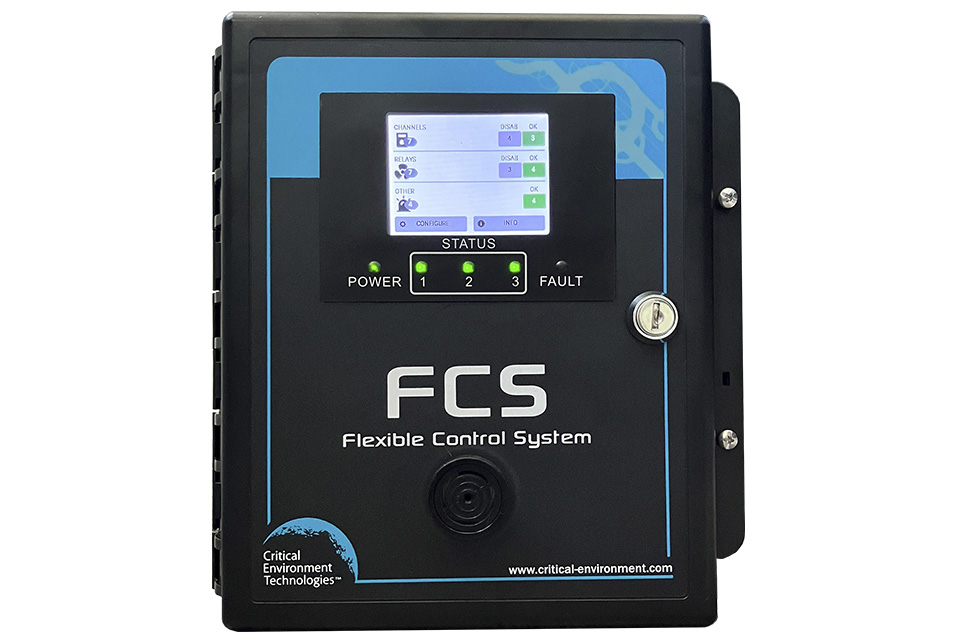
An EV charging gas detection system typically consists of hydrogen sensors mounted at ceiling level and multi-gas sensors at breathing height, connected to a controller that manages emergency response. The controller monitors gas levels continuously and provides early warning of thermal runaway conditions and hydrogen off-gassing before fire develops. For smaller charging installations, self-contained detector-controller units with hydrogen and CO sensing provide essential protection. Larger facilities benefit from networked architectures with sensors positioned throughout the charging area, enabling rapid identification of which vehicle or charging station is experiencing problems. Alarm outputs activate audible/visual notification devices, trigger emergency ventilation, and can interface with fire suppression and charging infrastructure for coordinated response. Fast sensor response time is critical as thermal runaway events can escalate from initial hydrogen off-gassing to fire within minutes.
Key Considerations
Important factors for planning your system
Hydrogen sensors should be ceiling-mounted where this lighter-than-air gas collects
An electric vehicle battery monitoring system should detect hydrogen (H₂) and thermal runaway indicators (H₂, CO, electrolyte vapors) to address both Lithium ion and lead acid battery risks
Fast sensor response time is critical as thermal runaway events can escalate from initial hydrogen off-gassing to fire within minutes
Integration with fire suppression and ventilation systems enables rapid response and keeps flammable gas concentrations below 25% LFL
Additional Information
Current EV charging safety standards are evolving as the industry gains experience with large-scale deployments. OSHA, NFPA 855 and local fire codes increasingly require gas detection for enclosed charging facilities. Consider future-proofing installations with expandable detection systems as standards mature.
Build Your Gas Detection Expertise
Explore upcoming webinars and personalized training from CET experts, covering gas detection technology, application guidance, installation, and commissioning.
Downloads
Engineering Spec: Battery Charging Room - CGAS-SC-RS and ESH-A-CH2-100
Engineering_spec
Application: Battery Rooms UPS Systems - cGas-SC and ESH-A
Application_guide
Application: Lead Acid Battery Charging Stations - cGas-SC and ESH-A
Application_guide