
Ethanol Leak Detectors
C₂H₆O or C₂H₅OHEthanol (C₂H₆O), also known as ethyl alcohol, is a colorless, volatile, flammable liquid with a characteristic alcoholic odor. It is produced primarily by fermentation of sugars or hydration of ethylene and is used as a solvent, disinfectant, fuel, and the active ingredient in alcoholic beverages. During fermentation and production processes, it can release ethanol vapors, which can accumulate quickly if not properly ventilated in enclosed spaces like fermentation rooms, storage tanks, filling/packaging lines and warehouse areas. Exposure to the vapour can cause eye and respiratory irritation; high concentrations can cause central nervous system issues and respiratory paralysis. Facilities handling ethanol—especially distilleries, breweries, fuel storage operations, and sanitizer production environments—require continuous monitoring using ethanol gas detectors. Ethanol is highly explosive; producing explosive vapor concentrations between 3.3% and 19% (LEL–UEL) which creates a dangerous ignition hazard. Explosion proof ethanol gas detectors with BACnet/Modbus for BAS integration may be required in classified hazardous areas.
Need Ethanol Detection?
Get expert guidance on the right detection solution for your application.
Key Information
Essential safety and exposure information for Ethanol
Health Effects
- Easily inhaled or absorbed through the skin
- Can cause eye and respiratory irritation, headaches and coughing
- At high levels it can cause central nervous system depression and respiratory paralysis
- Highly flammable with an explosive range of 3.3-19%
Common Sources
- Distilleries
- Breweries
- Fuel blending production
- Pharmaceutical manufacturing
- Chemical plants
- Sanitizer production
Exposure Limits
- OSHA PEL (TWA)
- 1,000 ppm
- NIOSH REL (TWA)
- 1,000 ppm
- IDLH
- 3,300 ppm
- ACGIH TLV (STEL)
- 1,000 ppm
Regulatory Status
- Ethanol is regulated across multiple safety frameworks due to its flammability and inhalation hazards. OSHA sets a PEL of 1,000 ppm (8‑hr TWA) in 29 CFR 1910.1000 Table Z‑1 and classifies ethanol as a Class IB flammable liquid with a 3.3% LEL and 19% UEL, driving the need for gas detection in areas where vapors may accumulate. NIOSH establishes a REL of 1,000 ppm (10‑hr TWA) and an IDLH of 3,300 ppm, underscoring the importance of continuous monitoring. ACGIH assigns a TLV‑STEL of 1,000 ppm, commonly used for setting gas detection alarm thresholds. The EPA does not classify ethanol as a hazardous air pollutant but regulates it through UST (Underground Storage Tank) release detection protocols, updated in 2019 to address detection issues with high‑ethanol fuel blends such as E15–E85—standards focused on leak detection rather than ambient vapor monitoring.
Detection Requirements
- Sensor Technology
- Catalytic Bead, PID, or Infrared
- Detection Range
- 0-100% LEL
- Alarm Setpoints
- Low: 10% LEL, Mid: 15% LEL, High: 20% LEL
- Mounting
- 6-10 in / 15-20 cm from the floor
Build Your Gas Detection Expertise
Explore upcoming webinars and personalized training from CET experts, covering gas detection technology, application guidance, installation, and commissioning.
Related Applications
Industries and environments where Ethanol detection is critical
Laboratories
Continuous monitoring protects laboratory personnel from combustible gases, oxygen displacement, and hazardous toxic gas exposure in laboratory settings and research facilities.
Distilleries
Explosion proof Ethanol gas detectors should be used for the safety and protection of property in distilleries.
Detection Solutions
Sensors and detectors for Ethanol monitoring
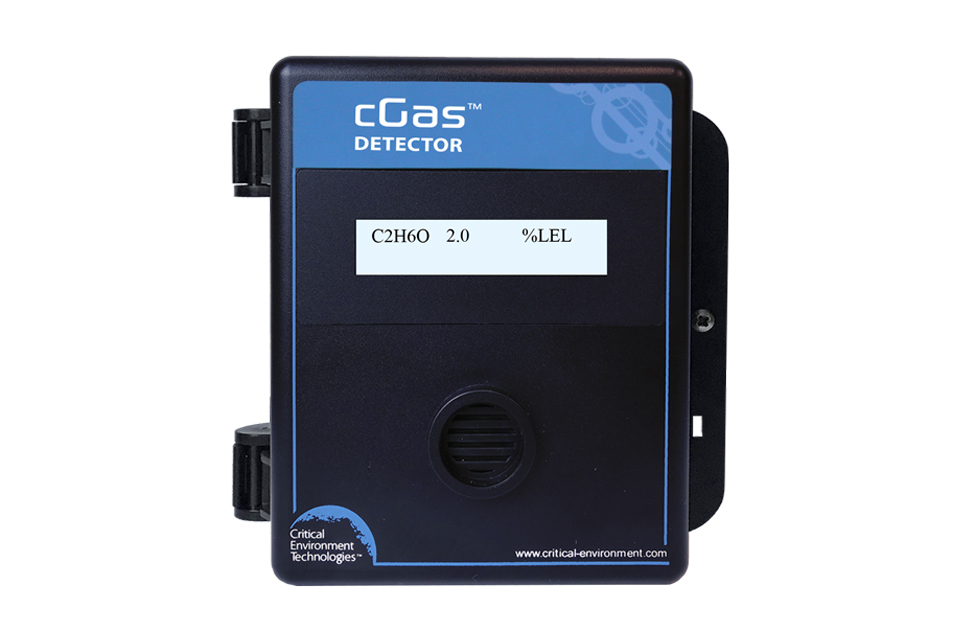
cGas Detector Analog Transmitter
Single channel, analog gas detector with Plug & Play Smart Sensor Technology.
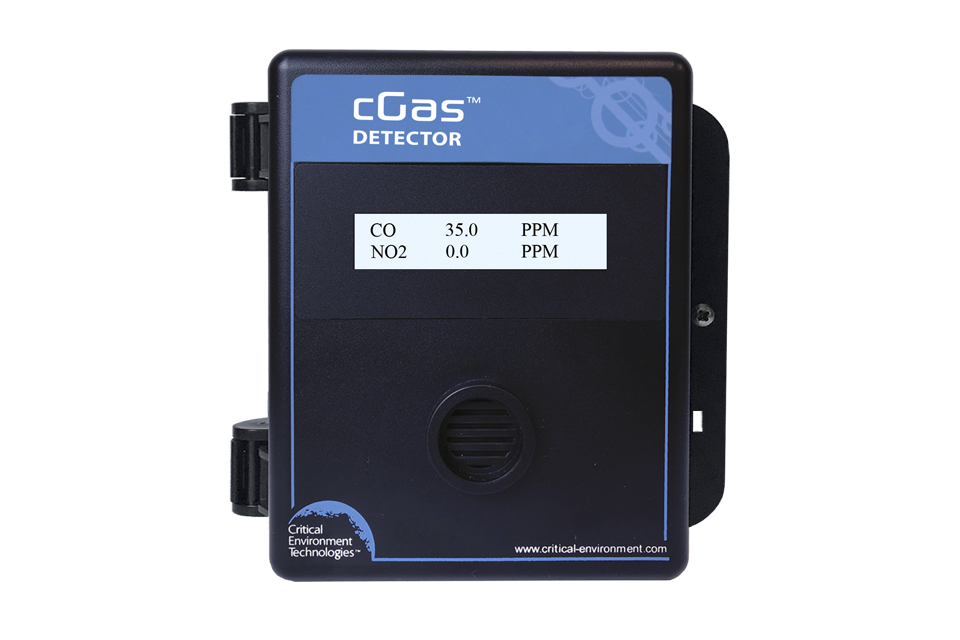
cGas Detector Digital Transmitter
One or two channel Modbus® or BACnet® gas detector with flexible customization options and Plug & Play Smart Sensor Technology.
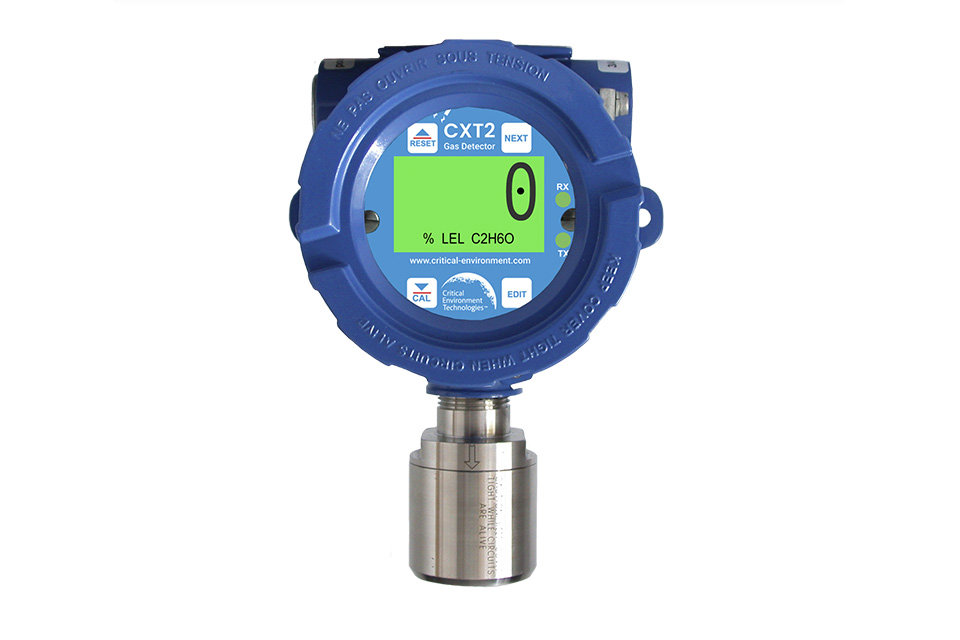
CXT2 Explosion Proof Transmitter
Reliable, accurate monitoring of toxic or combustible gases in potentially explosive and harsh environments, including hazardous-rated areas.