
Gas Detection for Waste & Recycling
Continuous monitoring of methane, hydrogen sulphide and combustible gases in material recovery facilities and waste processing plants to protect workers and identify areas requiring improved ventilation.
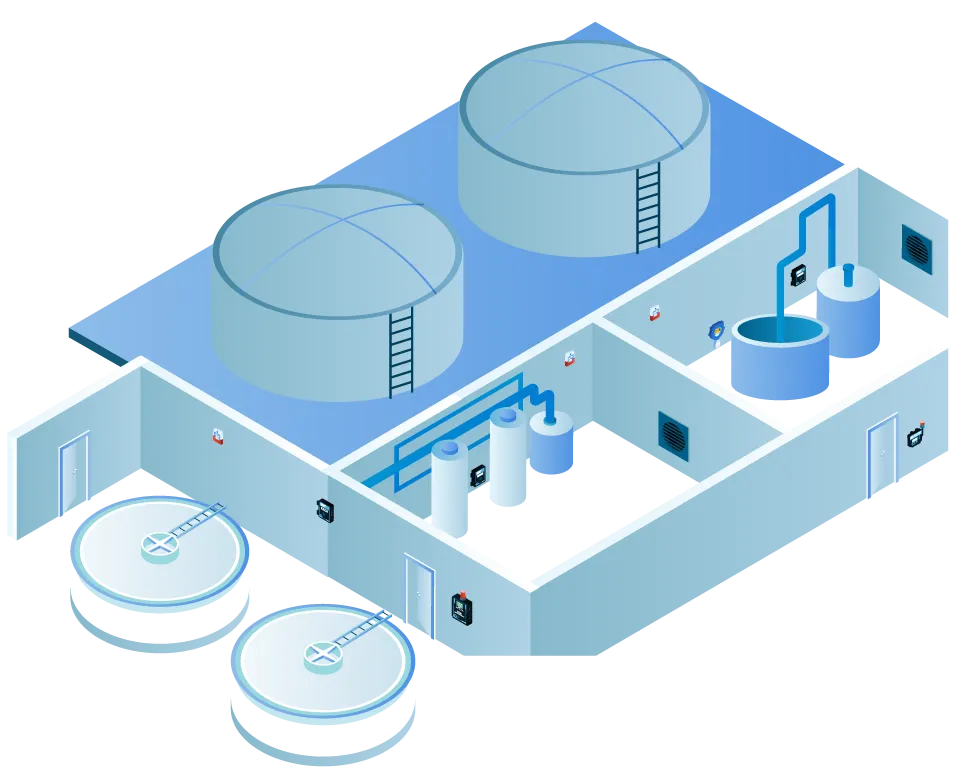
Typical Waste & Recycling System
Target Gases
Gases monitored in this application
Why Gas Detection is Required
Organic waste decomposition in landfills, transfer stations, and waste handling areas generates methane (CH₄) and hydrogen sulfide (H₂S), both of which pose serious safety risks. Methane is highly flammable and explosive, while H₂S is toxic even at low concentrations and can quickly become fatal. Modern waste streams also introduce lithium ion batteries, creating a fire hazard in recycling facilities and e-waste operations, where damaged or crushed cells can enter thermal runaway, ignite surrounding material, or trigger hazardous gas releases. Workers in waste facilities often become acclimated to background odors and may not recognize dangerous accumulations. Enclosed processing buildings designed to contain odors also trap hazardous gases. Continuous monitoring protects workers and identifies areas requiring improved ventilation.
System Architecture
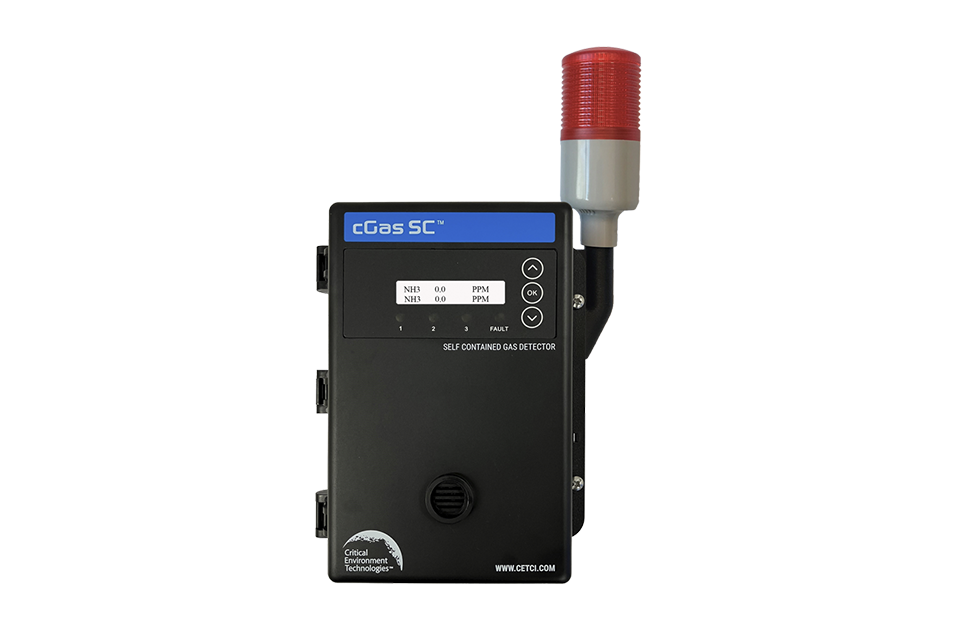
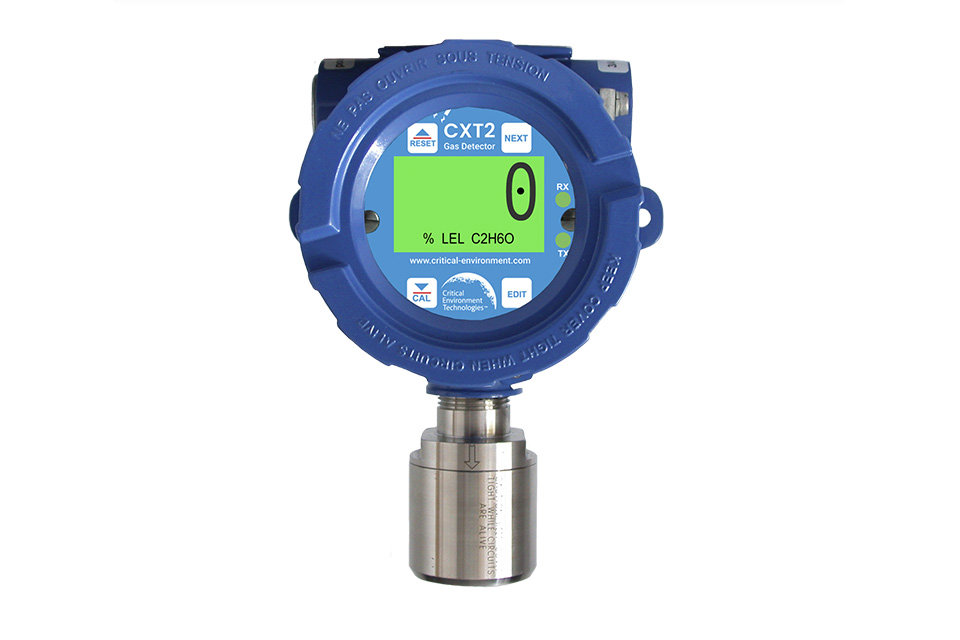
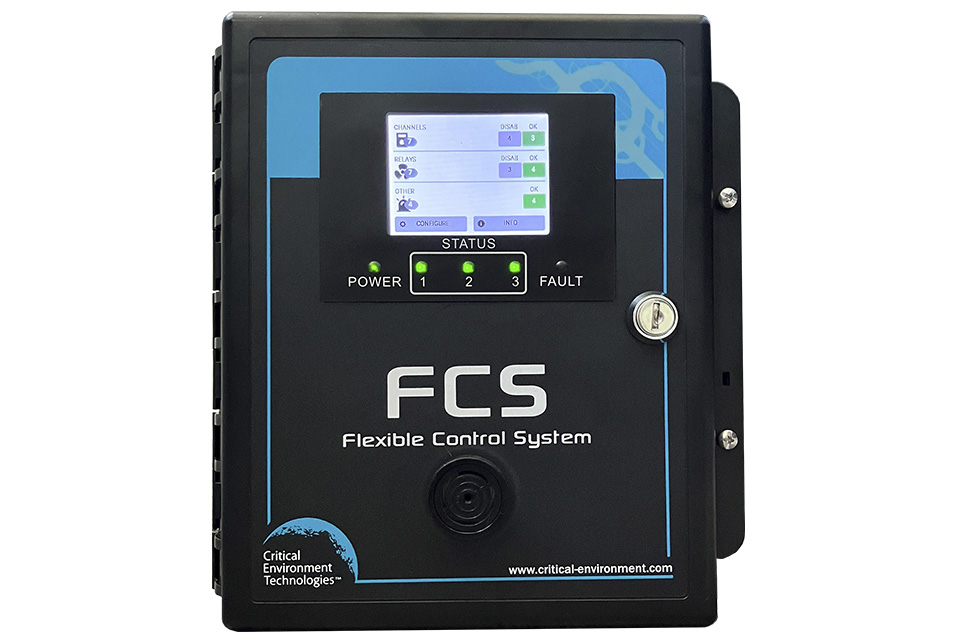
To comply with OSHA and EPA, a complete waste facility gas detection system typically consists of methane (LEL) sensors for explosion protection combined with H₂S sensors for toxicity monitoring, positioned throughout processing areas and in confined spaces. Oxygen and TVOC sensors are also suggested. Sensors connect to a controller that manages zone-specific ventilation and provides alarming when dangerous conditions develop. For smaller transfer stations, self-contained detector-controller units provide economical protection for key processing areas. Larger material recovery facilities benefit from networked architectures with sensors throughout the processing line, enabling rapid identification of problem areas and coordinated ventilation response. Alarm outputs activate audible/visual notification devices, trigger local exhaust ventilation, and can interface with equipment controls to shut down operations when explosive atmospheres develop. Sensors must be selected for durability in harsh, dusty, high-humidity environments typical of waste processing.
Key Considerations
Important factors for planning your system
Methane (LEL) monitoring near waste storage, compaction, and processing areas addresses explosion risk and MRF methane monitoring placed near conveyors, pits, and enclosed sorting lines
H₂S detectors positioned in areas prone to organic buildup, anaerobic pockets, or wastewater adjacent zone protecting workers from acute toxicity hazards
Oxygen monitoring in confined spaces (hoppers, pits, enclosed conveyors) prevents asphyxiation
Sensors must be robust enough for harsh, dusty, high-humidity environments
Additional Information
Waste facility gases vary seasonally with waste composition and ambient temperature. Summer months typically see higher decomposition rates and gas generation. Detection systems should be designed for worst-case conditions, with sensors rated for the temperature extremes and corrosive atmospheres typical of waste processing environments.
Build Your Gas Detection Expertise
Explore upcoming webinars and personalized training from CET experts, covering gas detection technology, application guidance, installation, and commissioning.
Downloads
Application: Waste Water Treatment Plant - FCS, CGAS and CXT2
Application_guide