Gas Detection for Breweries
Continuous monitoring of carbon dioxide, oxygen, and ozone in breweries protects workers from asphyxiation hazards in fermentation tanks, cellars, and packaging areas.
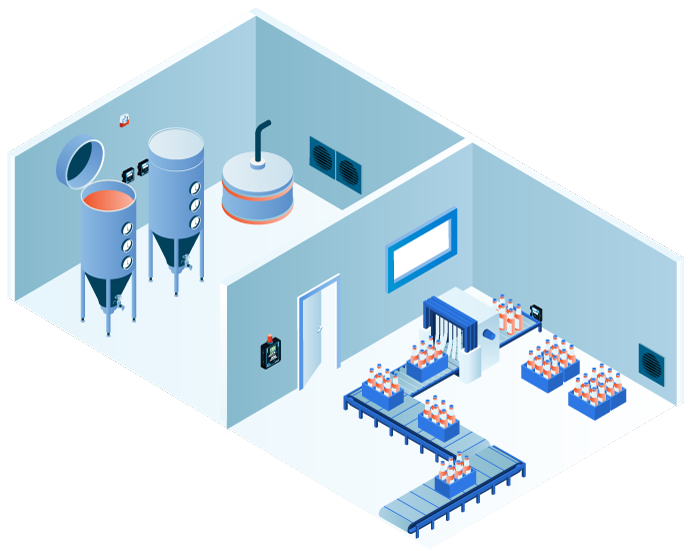
Typical Breweries System
Target Gases
Gases monitored in this application
Why Gas Detection is Required
During the fermentation and carbonation processes, breweries generate large volumes of CO₂ that can accumulate in low lying areas, coolers, and cold rooms—especially in small craft breweries, where ventilation is often limited. Escaped CO₂ from tanks, bottling lines, or pre filling operations can displace oxygen, while ozone used for bottle sanitation adds another air quality risk. Because CO₂ is odorless and colorless, OSHA highlights it as a key hazard during brewery inspections, making continuous monitoring essential. In addition, monitoring oxygen levels is critical, since even a moderate CO₂ buildup can push oxygen concentrations below safe thresholds without any obvious warning signs. Any space where CO₂ may build up should be protected with a brewery CO₂ detector, ensuring effective craft brewery gas detection and improving overall brewery fermentation safety. In addition, the levels of oxygen and carbon dioxide should be checked prior to cleaning the fermenters by lowering a personal, portable O2 and CO2 monitor into the vessel to determine if it is safe to enter.
System Architecture
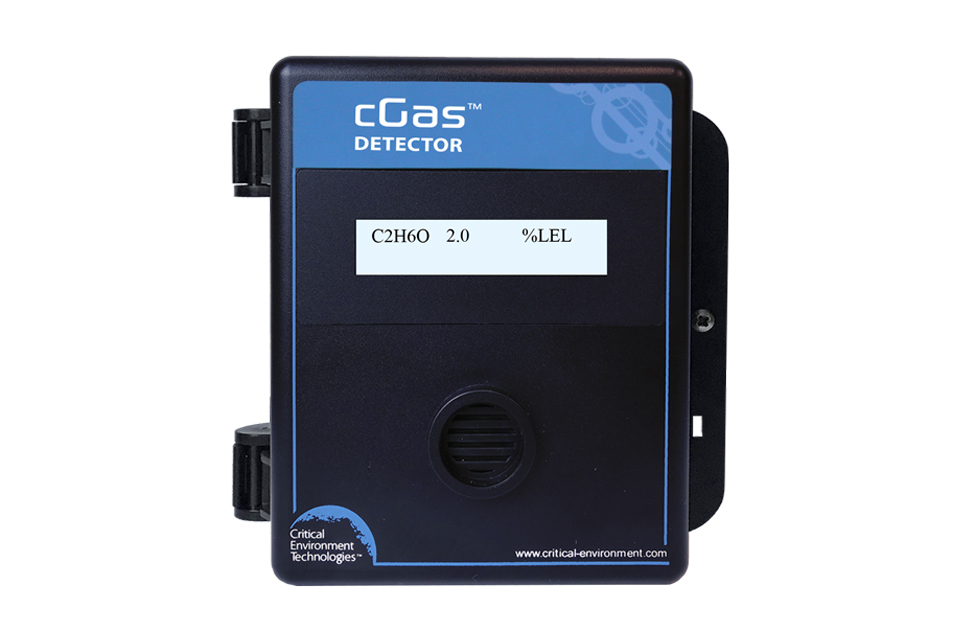
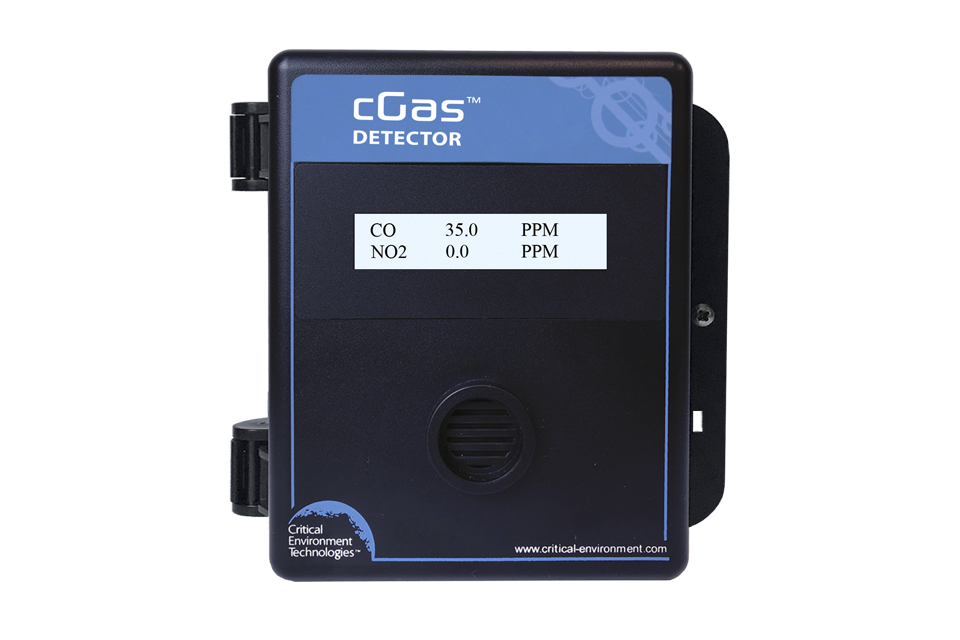
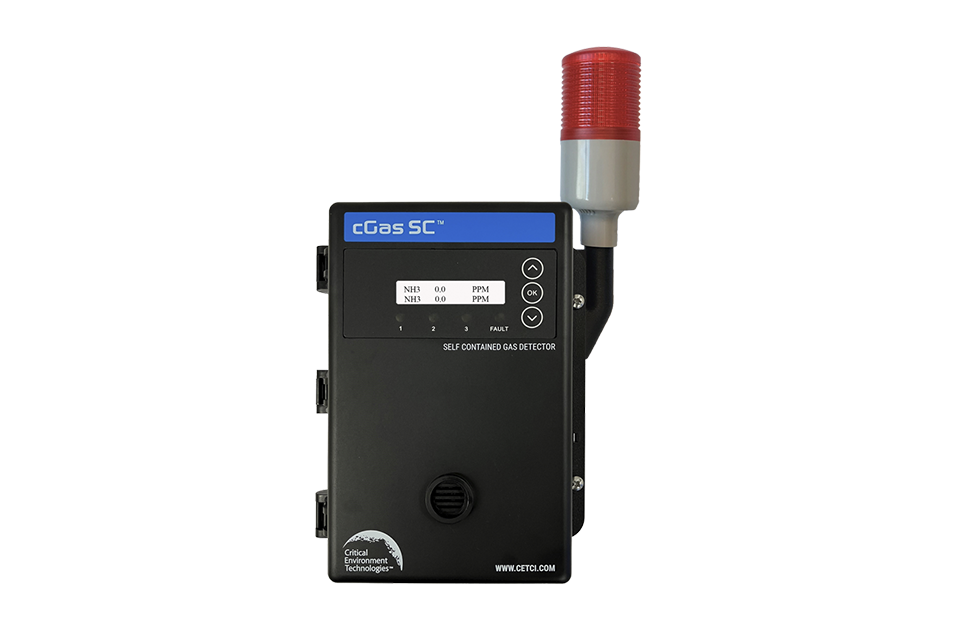
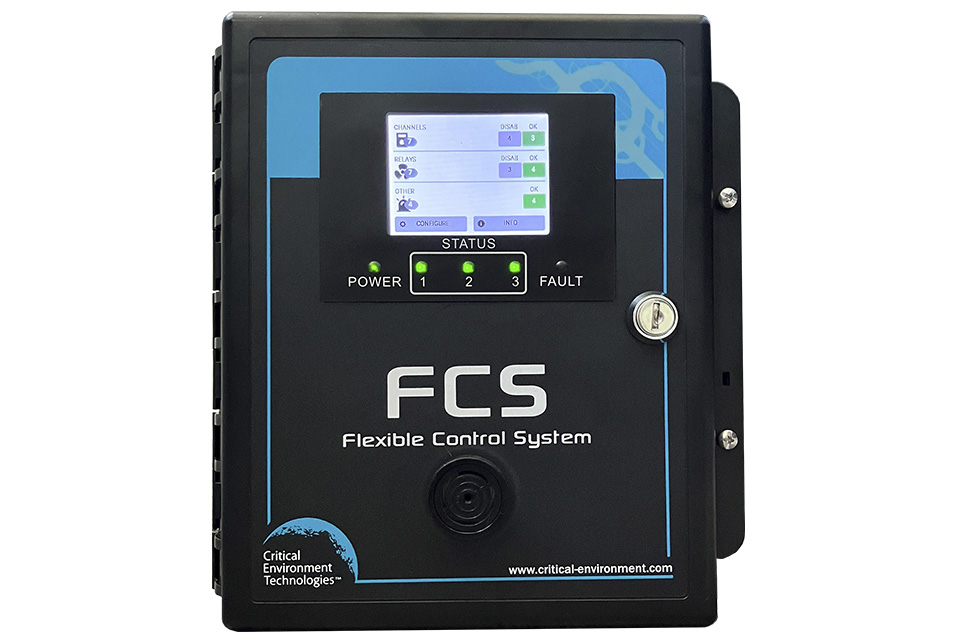
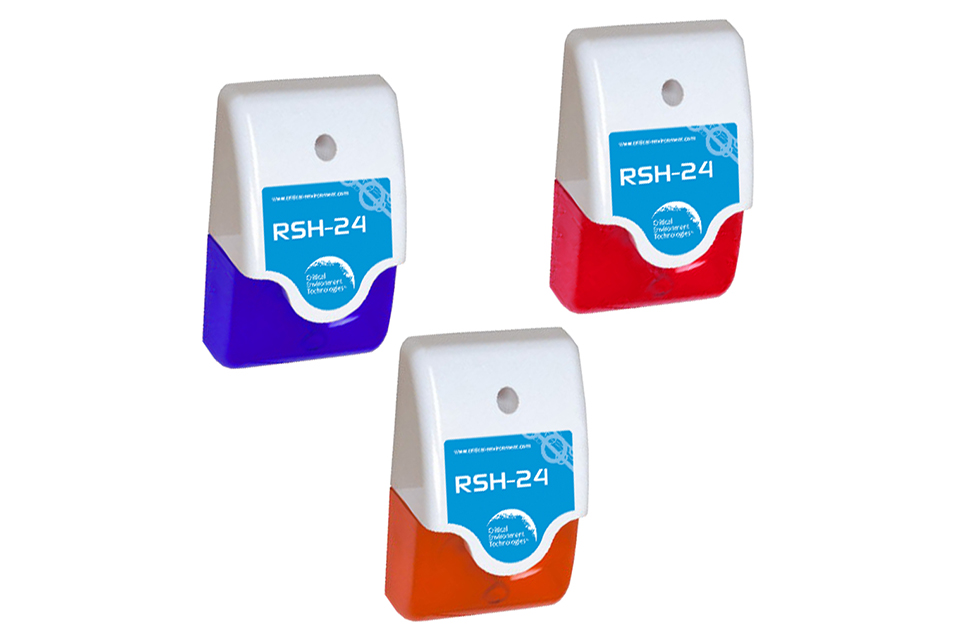
A complete brewery gas detection system typically consists of CO₂ sensors in fermentation and cold storage areas, ozone detectors in the bottling area and oxygen monitors for added protection. The gas detectors connect to a controller that manages zone-specific ventilation and provides alarming at entry points to high-risk areas. For smaller craft breweries, self-contained detector-controller units provide economical protection for fermentation cellars and cooler areas. Larger production facilities benefit from networked architectures with sensors throughout fermentation, packaging, and storage areas, enabling coordinated ventilation response and centralized monitoring from the control room. Alarm outputs activate audible/visual notification devices at zone entrances, trigger local exhaust ventilation, and can interface with process equipment for coordinated response. Data logging capabilities support quality control and safety compliance documentation.
Key Considerations
Important factors for planning your system
Life safety system where CO2 detectors should be mounted close to the brewing tanks, filler machines, carbonation bottling area and in the CO2 cylinder storage room
CO2 or Ozone can be used as a disinfectant in the bottling area, an O3 detector should be mounted near the floor
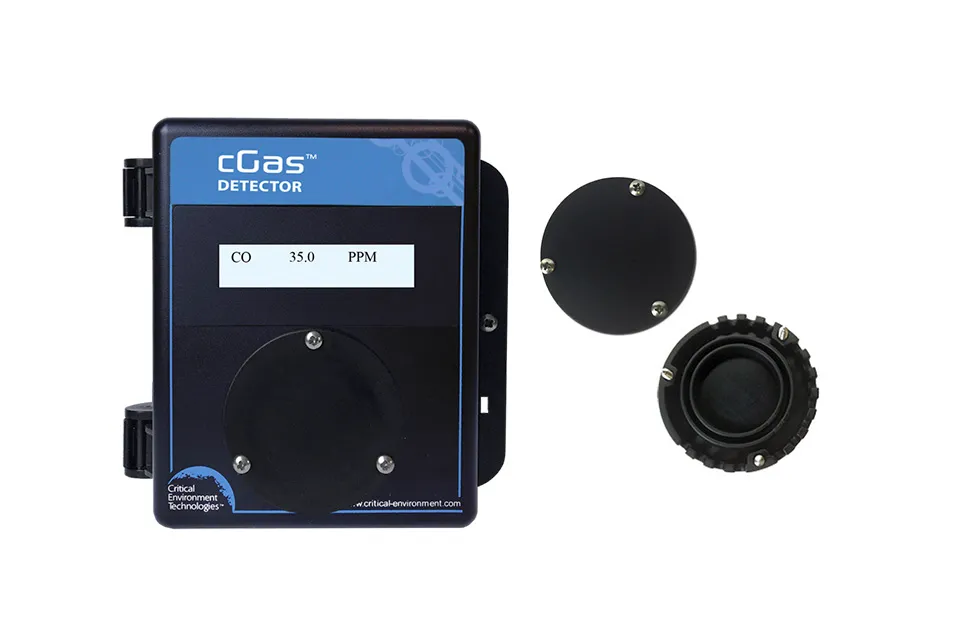
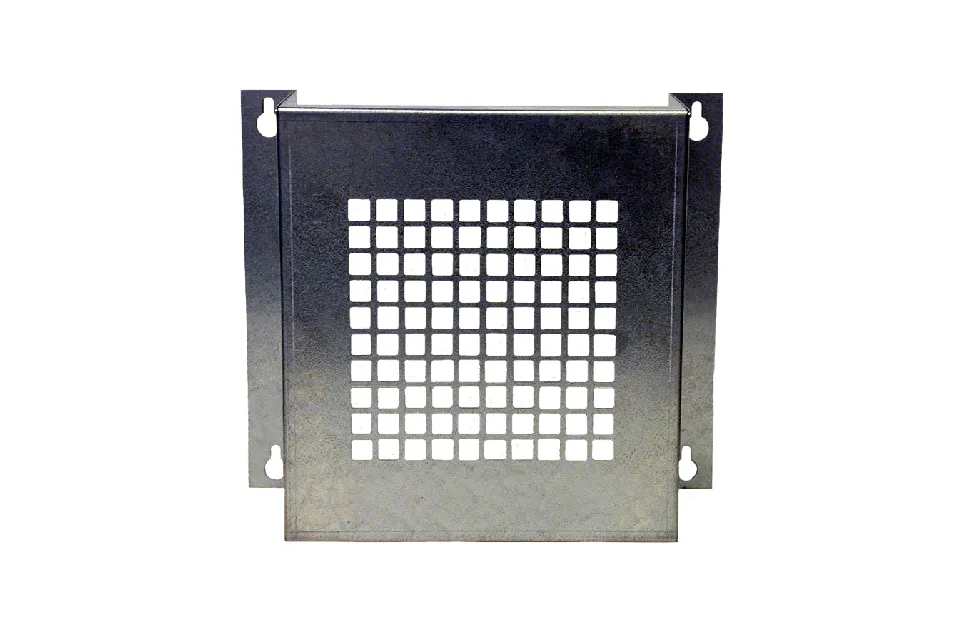
Protect sensor from spray down by adding splash guard option to CO2 and Ozone gas detectors
Additional Information
To ensure life safety requirements are met, a fixed gas detection system in a brewery should also include portable gas monitors. Be sure to follow local confined entry requirements and regulations as well.
Build Your Gas Detection Expertise
Explore upcoming webinars and personalized training from CET experts, covering gas detection technology, application guidance, installation, and commissioning.