
Gas Detection for Indoor Air Quality
Carbon monoxide, CO2 and TVOC monitoring for classrooms, offices, and public assembly spaces to optimize both air quality and energy efficiency.
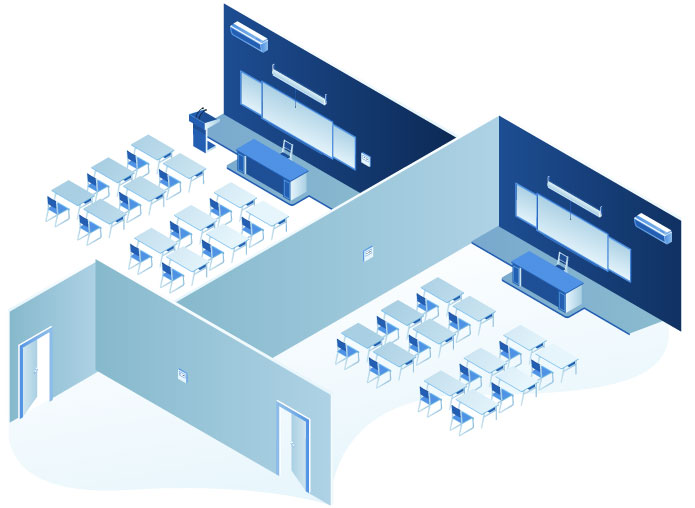
Typical Indoor Air Quality System
Target Gases
Gases monitored in this application
Why Gas Detection is Required
Permanently mounted gas detection systems are a core component of maintaining healthy indoor air quality in offices, schools, and public spaces. Building ventilation systems can distribute contaminants throughout occupied spaces. Real-time monitoring enables demand-controlled ventilation that optimizes both air quality and energy efficiency, increasing fresh air when occupancy is high and reducing it when spaces are unoccupied. In the post COVID environment, these systems are increasingly used to demonstrate that indoor spaces are properly ventilated and safe for regular occupancy. Carbon dioxide (CO₂) monitoring is the primary indicator of ventilation effectiveness and the foundation of most IAQ monitoring systems. Because CO₂ is generated by occupants, rising levels signal insufficient outdoor air delivery. Permanently mounted commercial CO₂ sensors in classrooms, offices, conference rooms, and auditoriums allow facility teams to confirm that ventilation systems are meeting demand, improving comfort, cognitive performance, and occupant confidence. When CO₂ sensors are integrated with HVAC controls, they enable demand controlled ventilation (DCV). DCV automatically adjusts outdoor air intake based on real time occupancy rather than fixed schedules, ensuring adequate ventilation during peak use while reducing unnecessary heating, cooling, and fan operation during low occupancy. This approach improves indoor air quality while delivering measurable energy savings, making CO₂ based control a key feature of modern IAQ monitoring systems. Carbon monoxide (CO) monitoring addresses life safety risks associated with fuel burning equipment and vehicle exhaust. Permanently mounted CO detectors are required or recommended in boiler rooms, mechanical spaces, and buildings with attached or underground parking. Continuous CO monitoring protects occupants from exposure to this colorless, odorless gas and verifies that combustion equipment and exhaust ventilation systems are operating safely. Total volatile organic compound (TVOC) monitoring provides additional insight into overall air quality by detecting gases released from building materials, furnishings, cleaning products, and occupant activities. While TVOCs are not typically regulated as a single compound, permanently mounted sensors help identify poor air quality conditions that may cause discomfort or irritation, supporting a more comprehensive IAQ strategy. Modern indoor air quality monitors are designed to integrate with building automation systems using protocols such as BACnet. This allows IAQ data to be centrally monitored, logged, and used to trigger ventilation responses automatically. Integration also supports reporting and documentation for health focused building programs, including the WELL Building Standard and LEED indoor air quality credits. Together, permanently mounted CO₂, CO, and TVOC sensors form a complete IAQ monitoring system that supports occupant health, energy efficiency, and regulatory compliance. By providing continuous visibility into indoor air conditions, these systems help building owners and operators maintain safer, healthier, and more resilient indoor environments.
System Architecture
A complete indoor air quality monitoring system typically consists of CO₂ sensors in occupied spaces and CO sensors near potential contamination sources, connected to a building management system that adjusts ventilation based on real-time readings. The controller monitors air quality across zones and modulates outside air dampers to maintain optimal conditions while minimizing energy use. For smaller buildings, self-contained sensor-controller units provide economical monitoring with local display of air quality conditions. Larger commercial buildings benefit from networked architectures with sensors throughout occupied spaces, enabling zone-specific ventilation control and comprehensive air quality trending. Sensor outputs feed building automation systems for demand-controlled ventilation, can trigger alarms when conditions exceed thresholds, and provide data logging for compliance reporting. BACnet or Modbus communication enables seamless integration with existing BMS infrastructure.
Key Considerations
Important factors for planning your system
CO₂ sensors in occupied spaces enable demand-controlled ventilation based on actual occupancy
CO monitoring near potential sources (garages, loading docks, mechanical rooms) prevents infiltration
TVOC sensors can identify off-gassing from building materials, cleaning products, and equipment
Integration with BMS enables automated ventilation response and trend logging
Additional Information
ASHRAE Standard 62.1 and green building certifications (LEED, WELL) increasingly require CO₂ monitoring as part of ventilation verification. Beyond compliance, real-time air quality data supports wellness initiatives and can be displayed to occupants to demonstrate building quality.
Build Your Gas Detection Expertise
Explore upcoming webinars and personalized training from CET experts, covering gas detection technology, application guidance, installation, and commissioning.
Downloads
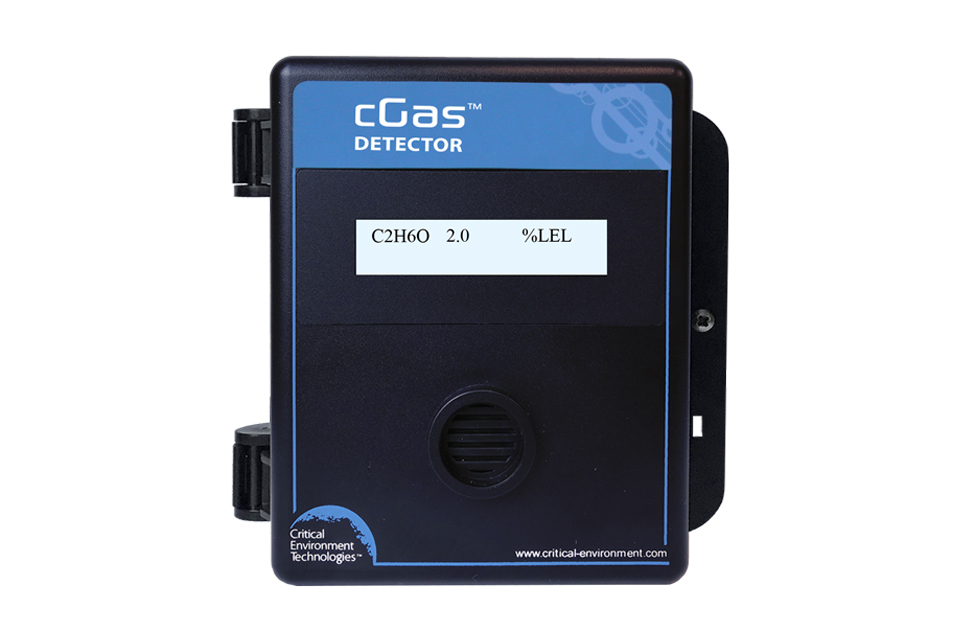
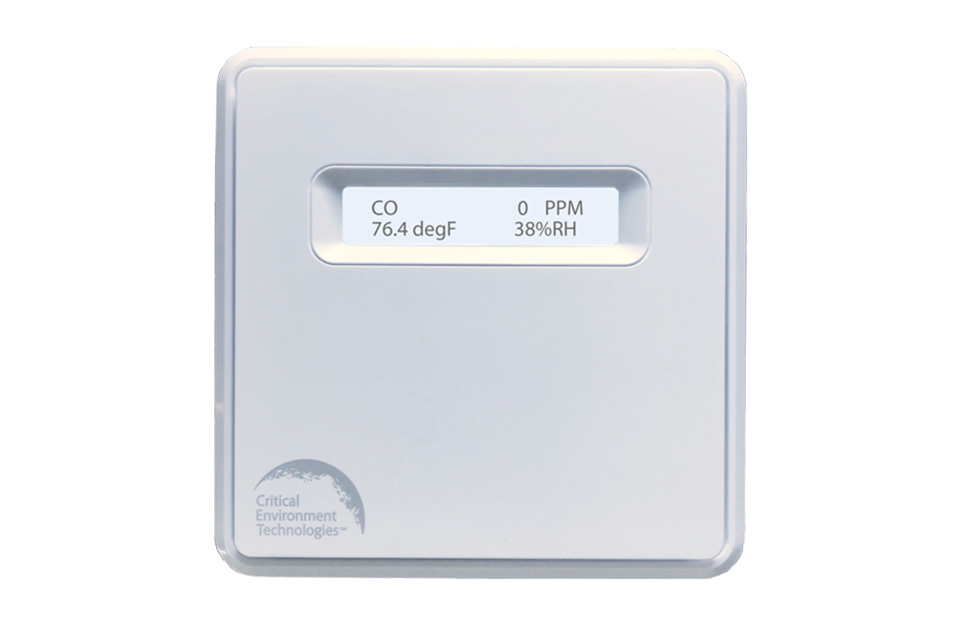
Sensor Spec: CGAS-D-IR Infrared Refrigerant Sensors (0-2000 ppm)
Product_spec
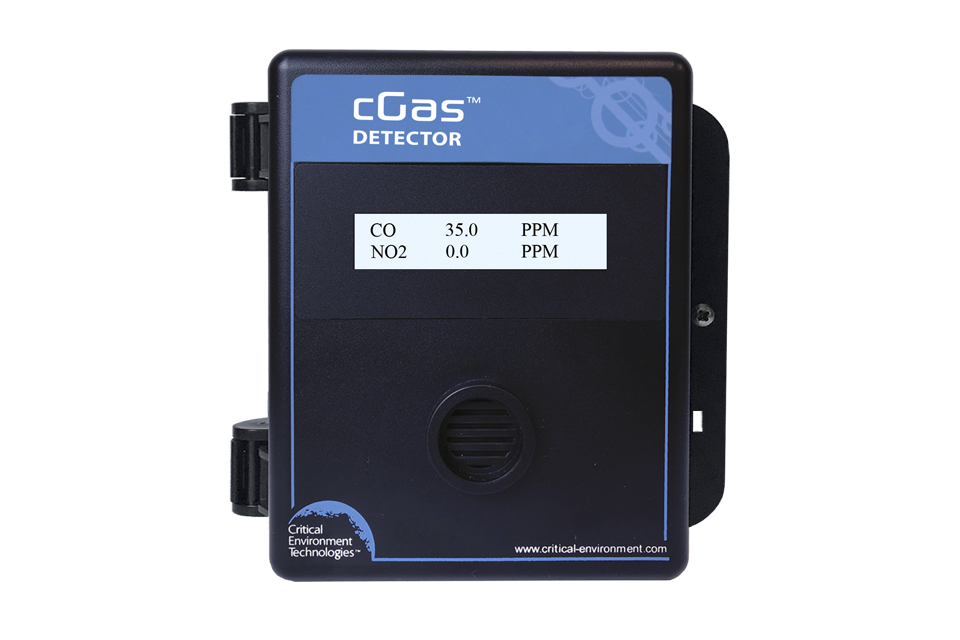
Application: Schools - FCS and CGAS Public Space
Application_guide