Gas Detection for Emergency Vehicle Bays
Continuous monitoring of carbon monoxide and nitrogen dioxide in fire stations, ambulance bays and police garages to safeguard against long‑term occupational health while maintaining readiness and regulatory compliance.
Typical Emergency Vehicle Bays System
Target Gases
Gases monitored in this application
Why Gas Detection is Required
Fire stations, ambulance bays, and police garages face unique gas detection challenges due to frequent emergency vehicle operation in enclosed spaces and continuous 24 hour occupancy. These environments must protect first responders who already face elevated health risks, including higher rates of cancer and respiratory disease from repeated smoke and exhaust exposure. Most fire engines, ambulances, and police vehicles are powered by diesel or gasoline engines that emit CO, nitrogen dioxide (NO₂), and other exhaust gases during startup, idling, and post incident parking. Apparatus bays, though large, are typically enclosed, allowing exhaust to accumulate rapidly during shift changes, equipment checks, or multiple vehicle returns. Ambulance bays present additional challenges due to frequent vehicle turnover, short term idling, and variable airflow caused by partial door openings. Gas concentrations can rise quickly, especially in extreme weather when doors remain closed. Integrating real time gas detection with ambulance bay ventilation ensures exhaust is removed promptly without relying solely on manual controls or fixed ventilation schedules. While many facilities use diesel exhaust tailpipe extraction systems, these systems may not always be connected properly, can fail mechanically, and do not capture emissions from all vehicles or incidental idling. As a result, continuous apparatus bay gas monitoring remains essential. CO and NO₂ detectors provide a critical secondary layer of protection, ensuring exhaust buildup is detected even when extraction systems are bypassed or underperforming. Because fire stations often include sleeping quarters, kitchens, fitness areas, and offices directly adjacent to apparatus bays, even minor exhaust leaks or pressure imbalances can allow carbon monoxide (CO) and nitrogen dioxide (NO₂) to migrate into occupied spaces—particularly dangerous during overnight hours when personnel may be asleep.
System Architecture
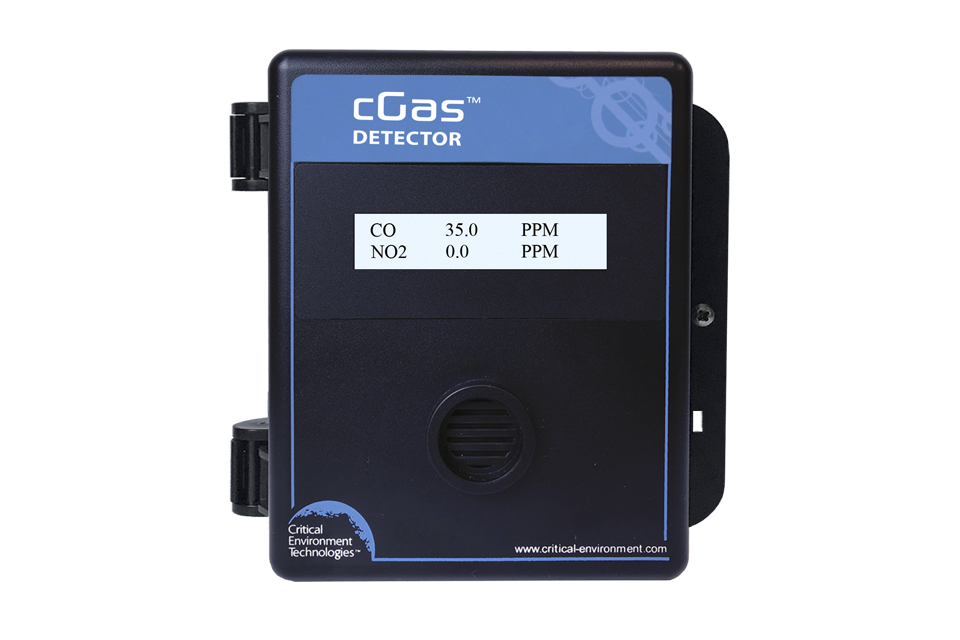
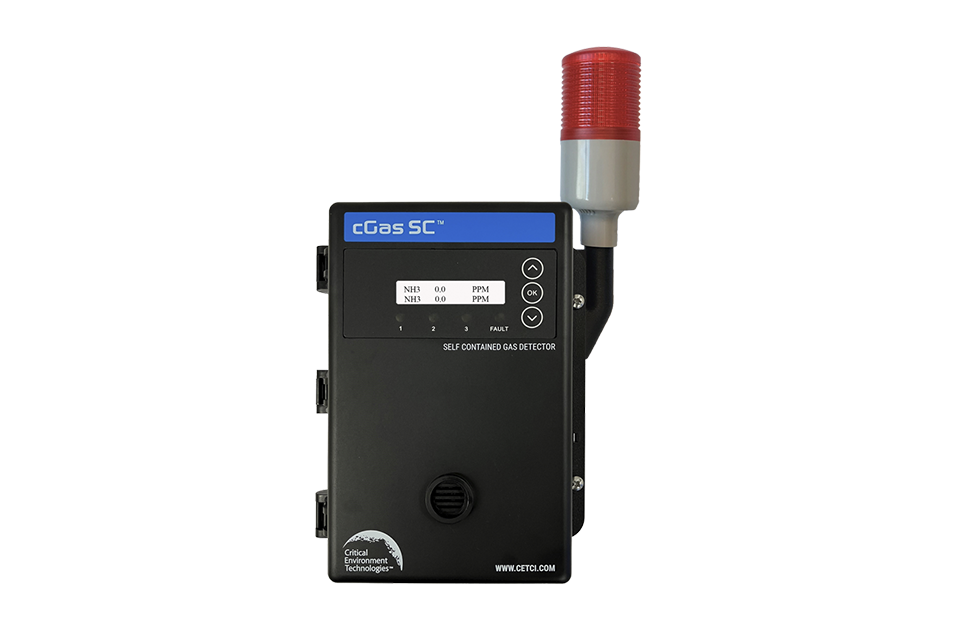
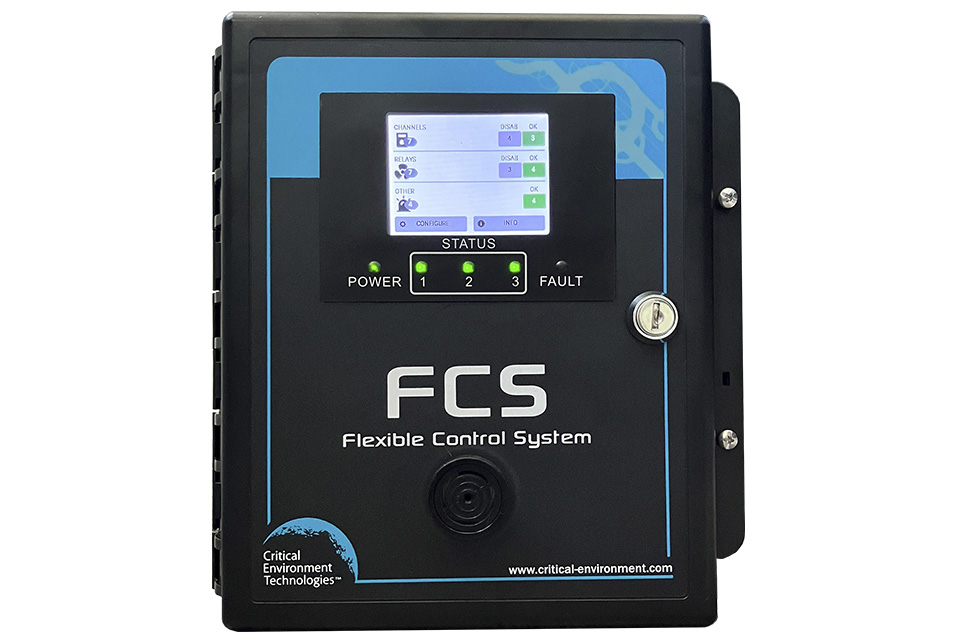
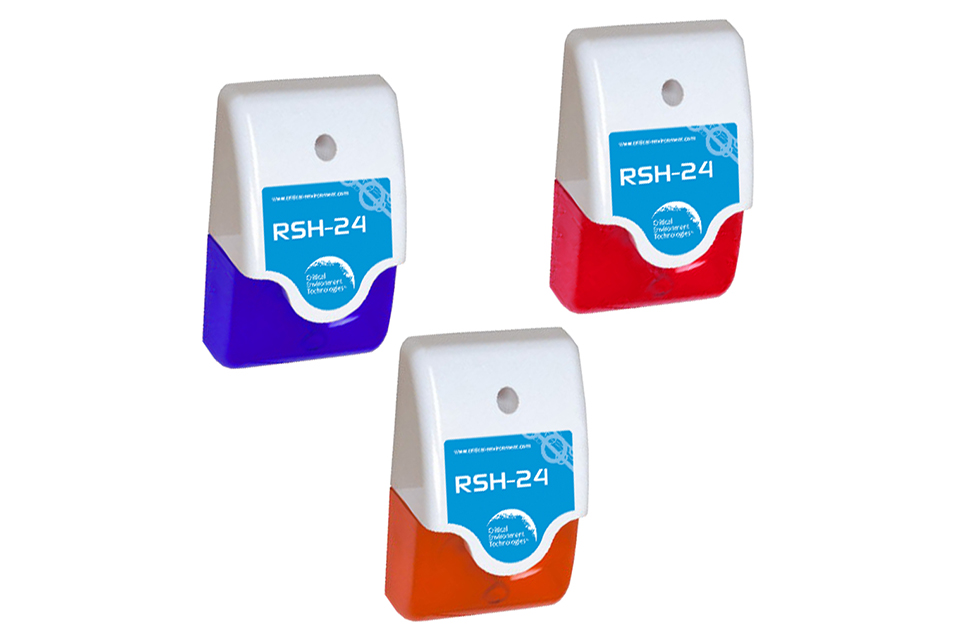
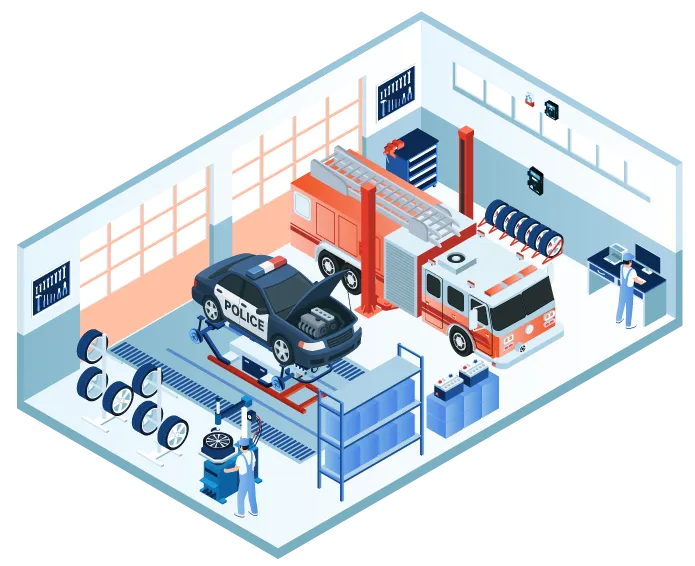
A complete emergency vehicle bay gas detection system typically consists of CO and NO₂ sensors positioned in apparatus bays, at interfaces with living quarters and in other locations where fuel‑powered equipment or vehicles operate or idle. All gas detectors are connected to a controller and the controller monitors gas levels continuously and activates exhaust systems when concentrations rise, while ensuring alarms alert personnel in both bay and living areas. For smaller stations, self-contained detector-controller units provide economical protection with integrated ventilation control. Larger multi-bay stations benefit from networked architectures with sensors throughout apparatus, maintenance, and transition areas, enabling zone-specific ventilation response and centralized monitoring. Alarm outputs activate audible/visual notification devices throughout the station, trigger exhaust ventilation systems, and can interface with door position sensors to adjust monitoring modes. Battery backup ensures continued protection during power outages common in emergency response environments.
Key Considerations
Important factors for planning your system
Sensors in apparatus bays should be positioned to detect exhaust before it migrates to living quarters
Integration with exhaust extraction systems enables automatic activation during vehicle operation
Tailpipe extraction systems may not always be connected properly, can fail mechanically, and do not capture emissions from all vehicles
Additional Information
Many fire stations combine diesel apparatus with gasoline support vehicles—a dual CO/NO₂ sensor configuration addresses both exhaust types. Consider source-capture exhaust extraction systems for apparatus that idle during warm-up or post-call activities, with fixed gas detection as the backup protection layer.
Build Your Gas Detection Expertise
Explore upcoming webinars and personalized training from CET experts, covering gas detection technology, application guidance, installation, and commissioning.