
R-1234yf Leak Detectors
C₃H₂F₄R-1234yf (2,3,3,3-tetrafluoropropene, HFO-1234yf) is a hydrofluoroolefin refrigerant that has become the global standard for automotive air conditioning, replacing R-134a. With an ultra-low GWP of less than 1 and atmospheric lifetime of only 11 days, R-1234yf represents a breakthrough in refrigerant environmental performance. The refrigerant is classified as A2L (mildly flammable), requiring appropriate safety measures in vehicle design and service procedures. R-1234yf is also used as a component in many next-generation stationary refrigerant blends including R-448A, R-449A, R-452A, and R-454B. Global automotive manufacturers adopted R-1234yf to comply with European MAC Directive requirements beginning in 2017.
Need R-1234yf Detection?
Get expert guidance on the right detection solution for your application.
Key Information
Essential safety and exposure information for R-1234yf
Health Effects
- Although not toxic inhalations of high concentrations can cause headache, dizziness, shortness of breath, asphyxiation due to oxygen displacement
- Contact with rapidly evaporating liquid R-1234yf can cause frostbite like injuries to skin or eyes.
- As an A2L refrigerant, R-1234yf is mildly flammable and can ignite under the right conditions, especially near open flames, sparks, or hot surfaces.
- Can decompose to toxic hydrogen fluoride when exposed to flame.
Common Sources
- Automotive air conditioning systems
- Chillers
- Rooftop units
- Packaged systems
- Heat pump systems
- Supermarkets
Exposure Limits
- WEEL
- 500 ppm (8-hr TWA)
- A2L mildly flammable
- A2L mildly flammable
- OSHA/NIOSH/ACGIH
- None
Regulatory Status
- R-1234yf is low toxicity and treated as a simple asphyxiant; no OSHA PEL, NIOSH REL, or IDLH is established. Safety relies on ventilation, ignition control, and engineering safeguards rather than toxic exposure limits. ASHRAE Standard 34 classifies R-1234yf as A2L (low toxicity, mildly flammable). ASHRAE Standard 15 defines system safety requirements such as charge limits, ventilation, leak detection, and mitigation based on this classification. Under the EPA SNAP program, R-1234yf is listed as acceptable with use conditions, especially for motor vehicle A/C and certain HVAC/R applications. The AIM Act accelerates its adoption as a low GWP alternative to HFCs. As an A2L refrigerant, storage and use are governed by NFPA 1 and NFPA 55, addressing flammability, quantities, ventilation and ignition control. In addition NFPA 70 and NFPA 72 outline electrical safety and integration of A2L refrigerant detectors into alarm and control systems.
Detection Requirements
- Sensor Technology
- Infrared (NDIR)
- Sensor Detection Range
- 0-2,000 ppm (OEL monitoring), 0-5,000 ppm or 0-100% LEL (safety/LFL monitoring)
- Alarm Setpoints
- Low 250 ppm, Mid 500 ppm, 1,000 ppm / Low 1,000 ppm, Mid 1,500 ppm, High 2,000 ppm / Low 10% LEL, Mid 15% LEL, High 25% LEL
- Mounting Height
- Near floor level, near potential leak points, 6–8 inches off floor
Build Your Gas Detection Expertise
Explore upcoming webinars and personalized training from CET experts, covering gas detection technology, application guidance, installation, and commissioning.
Related Applications
Industries and environments where R-1234yf detection is critical
Hotels
Continuous monitoring of refrigerant gases in hotel rooms are used to keep the indoor environment comfortable.
Data Centers
Refrigerant leaks from cooling infrastructure can create asphyxiation risks, while hydrogen off‑gassing from battery systems can form an explosive hazard.
Detection Solutions
Sensors and detectors for R-1234yf monitoring
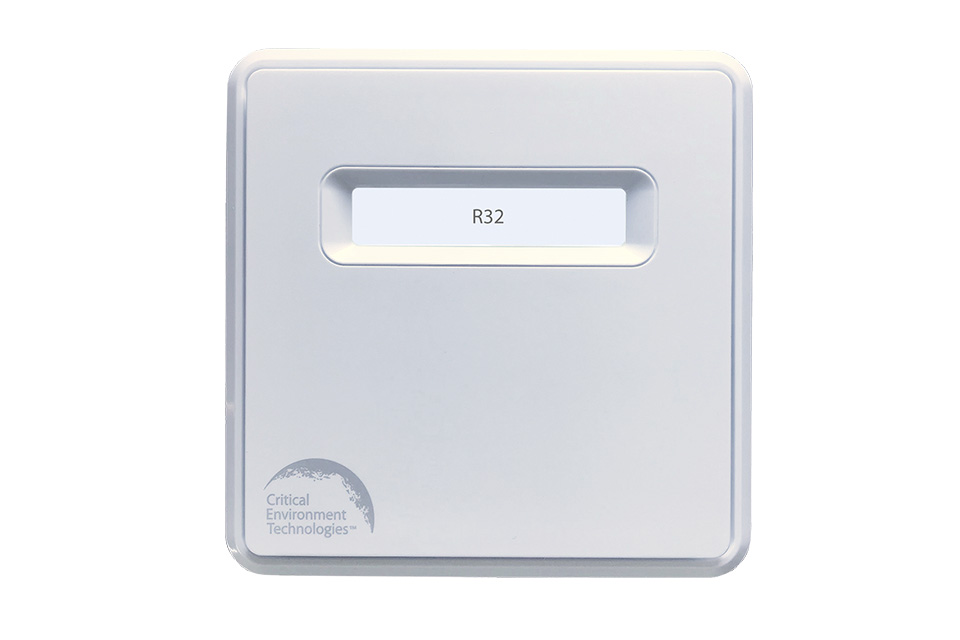
cGas Detector VRF IR Refrigerant Transmitter
An aesthetic, non-dispersive infrared refrigerant gas detector for acute leak detection in modern energy-efficient buildings utilizing Variable Refrigerant Flow (VRF) HVAC systems.
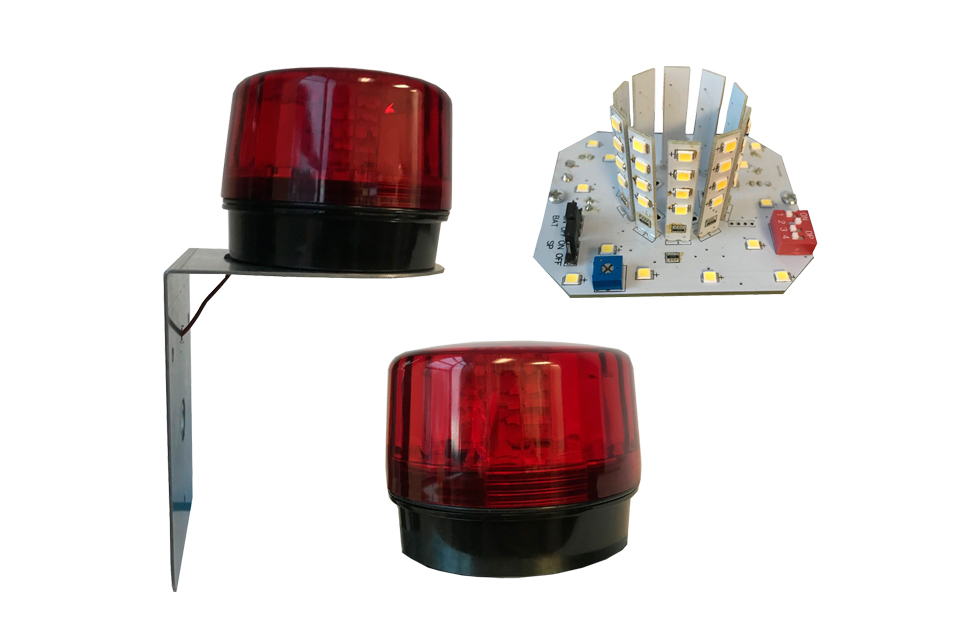
RSA-24V Remote LED Strobe Light
Bright visual alarm with multiple user selectable flash patterns. A remote LED strobe light with multiple user selectable flash patterns, comes with wall mounting bracket for easy installation.
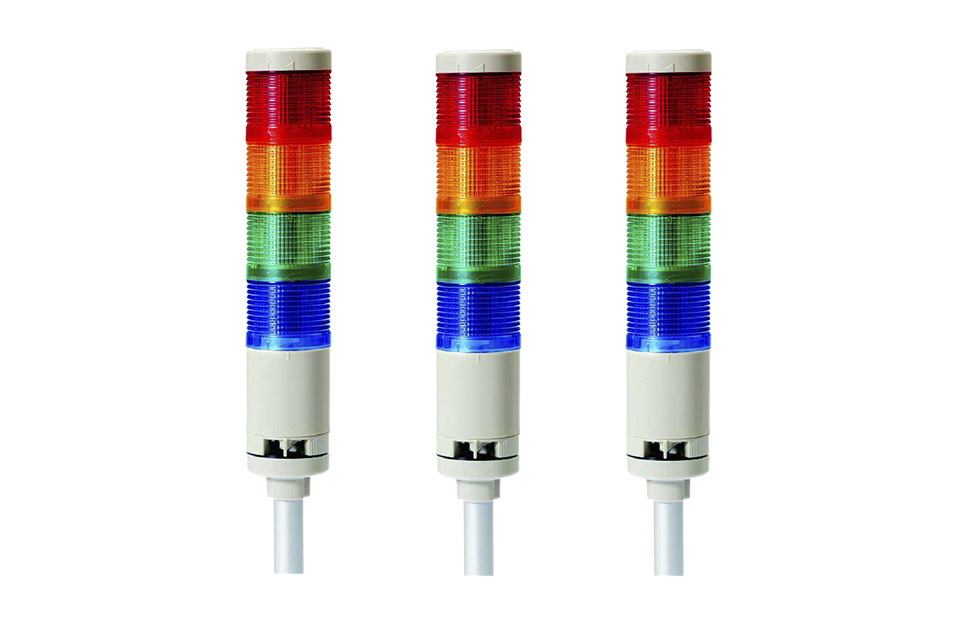
RSL Remote Stack Light
Tower light with modular LED colors with steady or flashing light settings and two different sound types. A compact, pole mounted signal light with flashing or steady modes that are clearly visible from a distance.
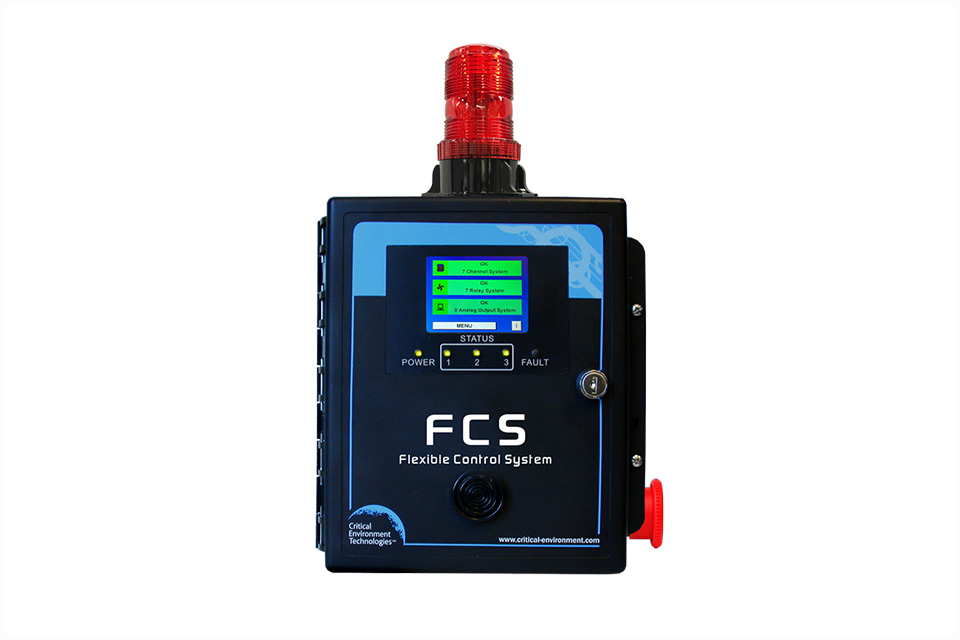
Manual Shutoff Switch (Option -SW)
An emergency stop, push button switch that allows a person to manually shutdown equipment in the event of an emergency. Ideal for refrigeration applications; when combined with the Top Mounted Strobe, the device meets B52 code requirements.
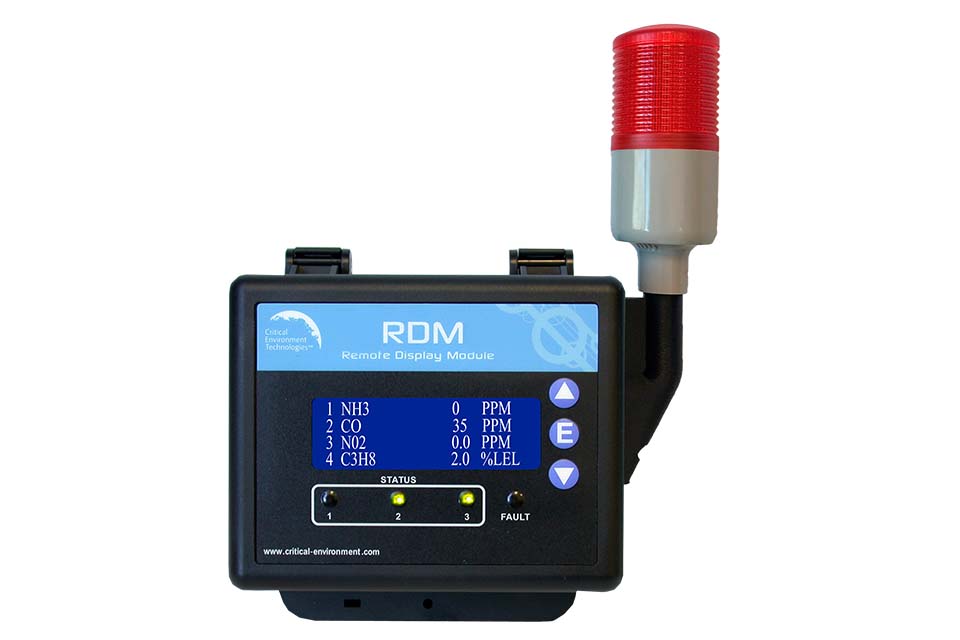
RDM Remote Display
Provides convenient viewing of gas level readings from a secondary location. Displays gas level readings, channel status and faults received from the FCS, offers configurable display settings.
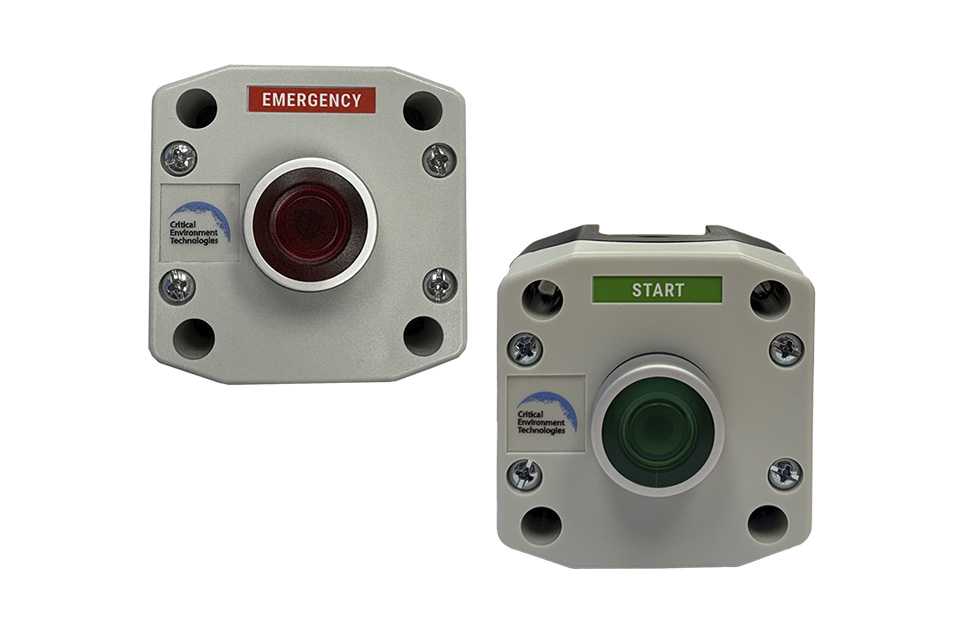
RSW Remote Switch
Enables manual operation of equipment with emergency shutdown, activation or reset as needed. Easy push button action, satisfies compliance as required with some standards.
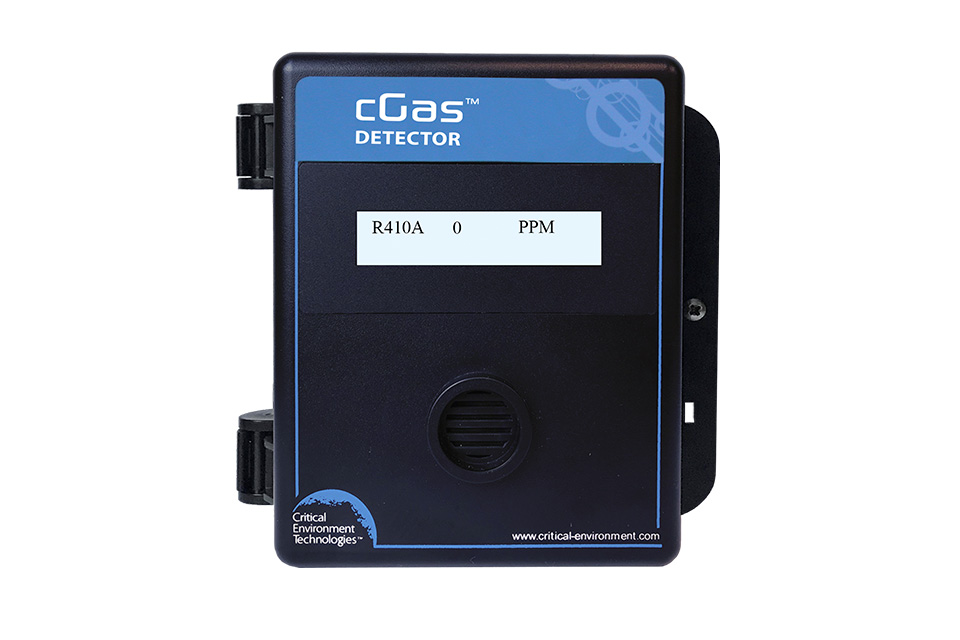
cGas Detector IR Refrigerant Transmitter
Non-dispersive infrared refrigerant gas detector with accurate, low level leak detection, available with analog output or BACnet® or Modbus® output and Plug & Play Smart Sensor Technology.
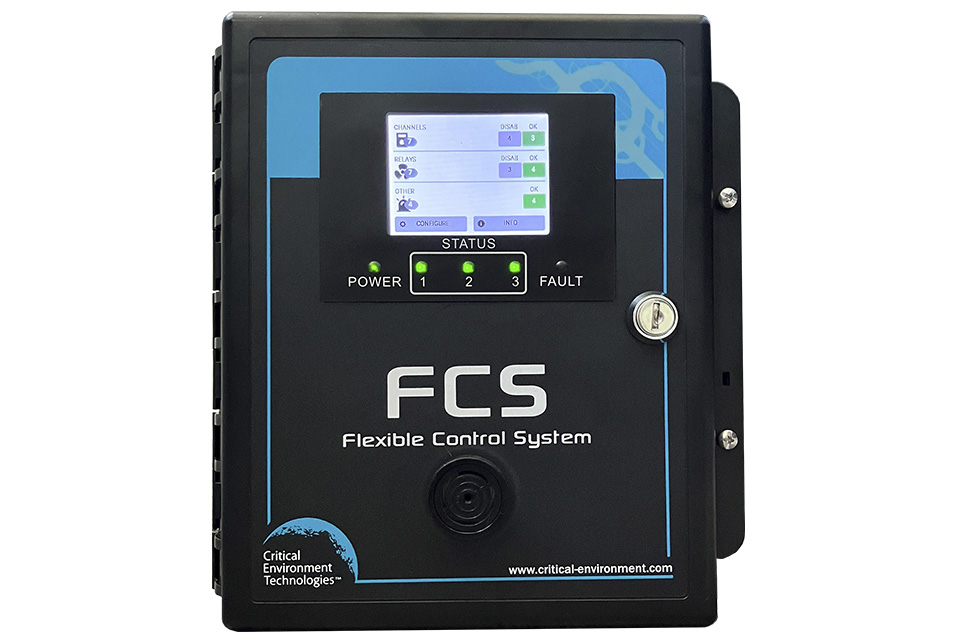
FCS Multi Channel System Controllers
High performance controller with logic and priority settings for monitoring toxic, combustible and refrigerant gases with versatile control functionality. Available with Modbus® or BACnet® communication with BAS, supports 4-20 mA and Modbus® driven VFDs.
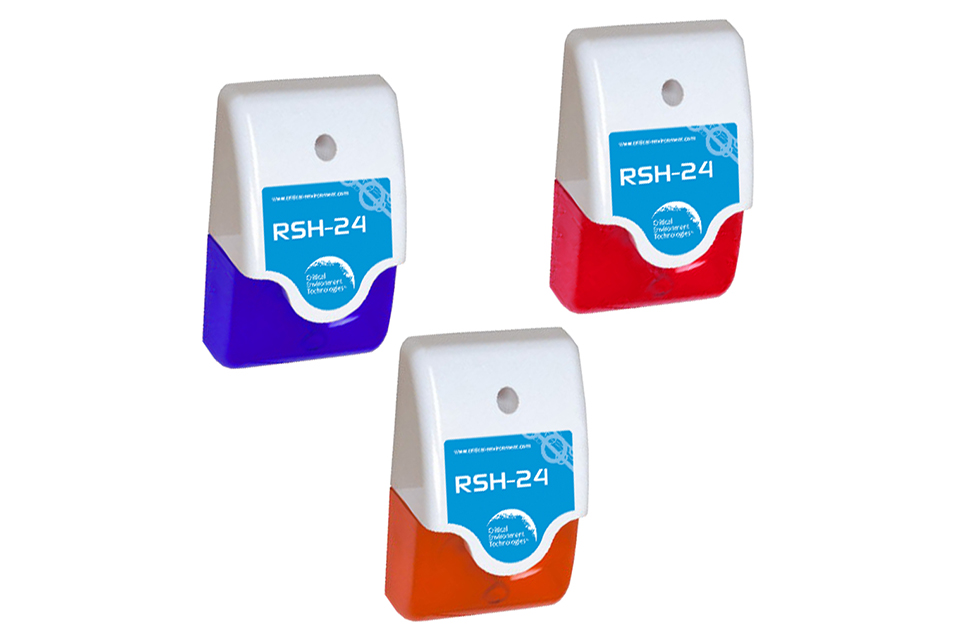
RSH-24V Remote Strobe & Horn
Two alarm features in one safety device, mounting fixture not included. Available in 3 different lens colours, combines a visual and an audible alarm feature into one compact, low profile device.