
R-1234ze Leak Detectors
C₃H₂F₄R-1234ze (1,3,3,3-tetrafluoropropene, HFO-1234ze) is a hydrofluoroolefin refrigerant with ultra-low GWP of less than 1, used primarily in commercial and industrial applications. The trans isomer (R-1234ze(E)) is used in centrifugal chillers, heat pumps, and as a foam blowing agent. R-1234ze offers excellent thermodynamic properties for medium-pressure applications with minimal environmental impact. Classified as A2L (mildly flammable) with relatively low flammability, R-1234ze is also used as a component in refrigerant blends like R-448A. The refrigerant is particularly suitable for large commercial buildings, district cooling and industrial process cooling where its low-GWP benefits can be maximized.
Need R-1234ze Detection?
Get expert guidance on the right detection solution for your application.
Key Information
Essential safety and exposure information for R-1234ze
Health Effects
- Although R-1234ze is not toxic inhalations of high concentrations can cause headache, dizziness, shortness of breath, asphyxiation due to oxygen displacement
- Contact with rapidly evaporating liquid R-1234ze can cause frostbite like injuries to skin or eyes
- As an A2L refrigerant, R-1234ze is mildly flammable and can ignite under the right conditions, especially near open flames, sparks, or hot surfaces
Common Sources
- Positive displacement chillers
- Scroll compressors
- Foam blowing
- Centrifugal chillers
- Heat pumps
Exposure Limits
- WEEL
- 800 ppm (8-hr TWA)
- A2L mildly flammable
- A2L mildly flammable
- OSHA/NIOSH/ACGIH
- None
Regulatory Status
- R 1234ze (HFO 1234ze(E)) is regulated as a low toxicity, mildly flammable (A2L) refrigerant. ASHRAE Standard 34 assigns the A2L safety classification, and ASHRAE Standard 15 sets requirements for charge limits, ventilation, leak detection, and mitigation based on that classification. Under the EPA’s SNAP program, R 1234ze is listed as acceptable (often with use conditions) for multiple refrigeration and air conditioning applications, and its use is supported by the AIM Act push toward low GWP refrigerants. From a fire code perspective, NFPA 70 and NFPA 72 outline electrical safety and integration of A2L refrigerant detectors into alarm and control systems.
Detection Requirements
- Sensor Technology
- Infrared (NDIR) or Semiconductor
- Sensor Detection Range
- 0-2,000 ppm (OEL monitoring), 0-5,000 ppm or 0-100% LEL (safety/LFL monitoring)
- Alarm Setpoints
- Low 250 ppm, Mid 500 ppm, 1,000 ppm / Low 1,000 ppm, Mid 1,500 ppm, High 2,000 ppm / Low 10% LEL, Mid 15% LEL, High 25% LEL
- Mounting Height
- Near floor level, near potential leak points, 6–8 inches off floor
Build Your Gas Detection Expertise
Explore upcoming webinars and personalized training from CET experts, covering gas detection technology, application guidance, installation, and commissioning.
Related Applications
Industries and environments where R-1234ze detection is critical
Detection Solutions
Sensors and detectors for R-1234ze monitoring
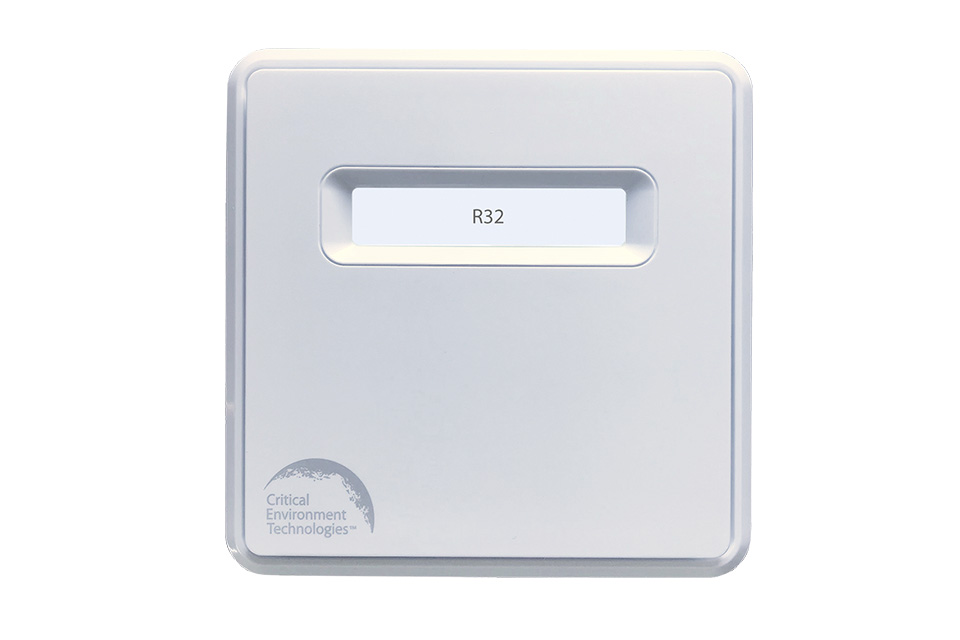
cGas Detector VRF IR Refrigerant Transmitter
An aesthetic, non-dispersive infrared refrigerant gas detector for acute leak detection in modern energy-efficient buildings utilizing Variable Refrigerant Flow (VRF) HVAC systems.
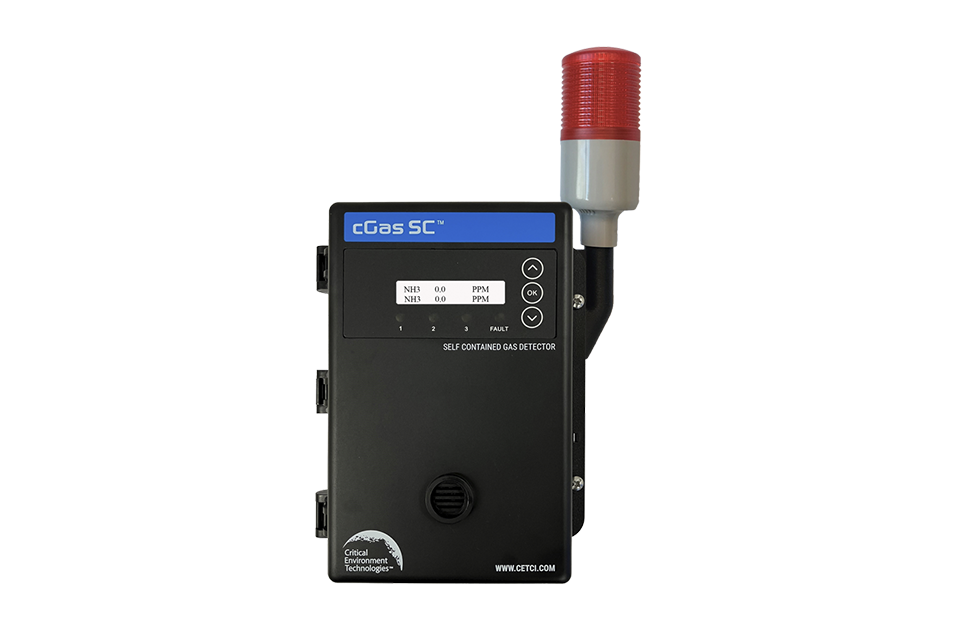
cGas-SC Self-Contained Controller
A self contained controller with up to 3 gas channels, Plug & Play Smart Sensor Technology and configurable logic control and priority settings. Offers superior user customization and reliable gas detection performance for monitoring many gases.
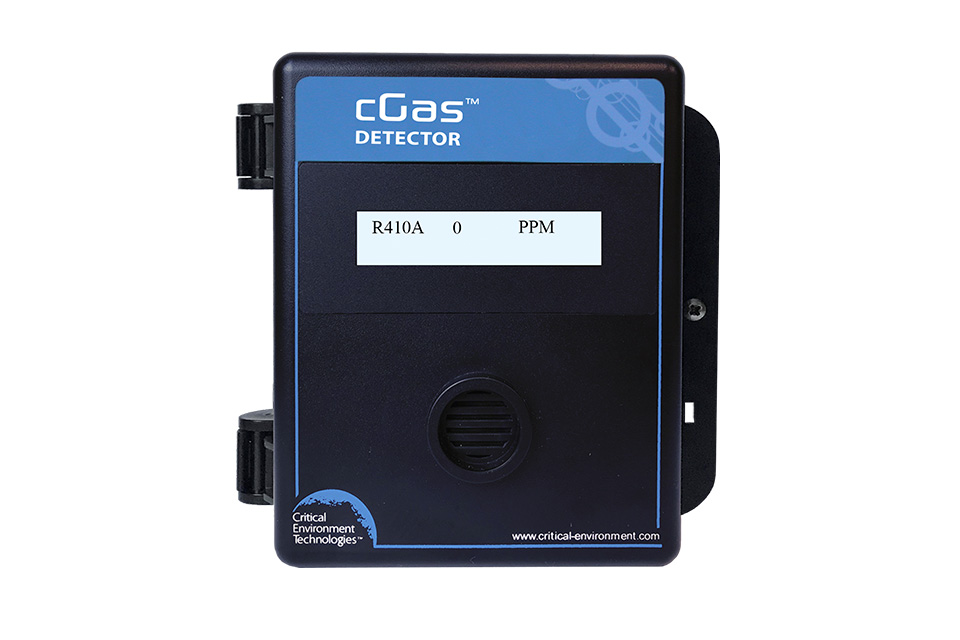
cGas Detector IR Refrigerant Transmitter
Non-dispersive infrared refrigerant gas detector with accurate, low level leak detection, available with analog output or BACnet® or Modbus® output and Plug & Play Smart Sensor Technology.
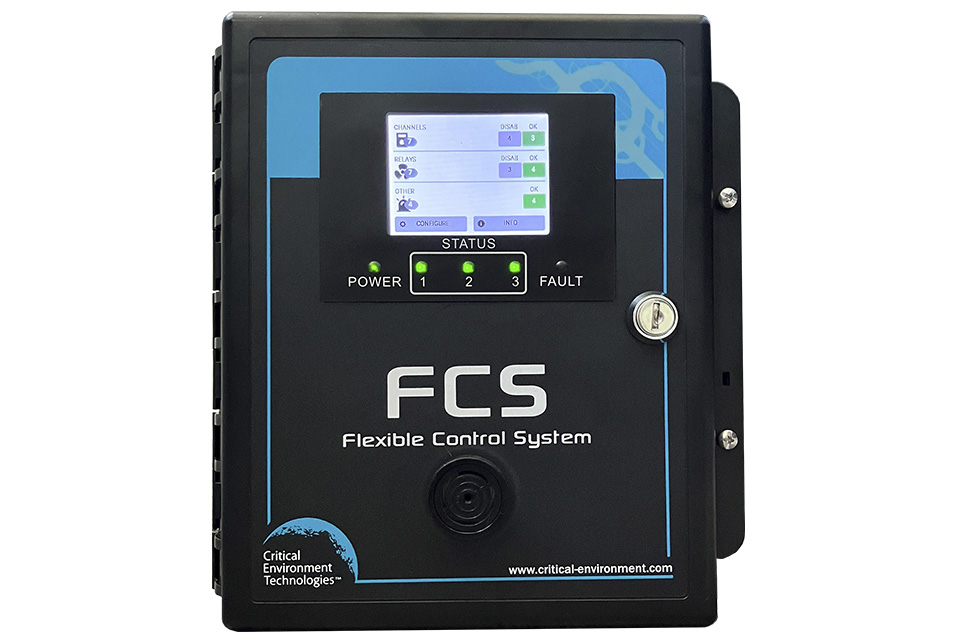
FCS Multi Channel System Controllers
High performance controller with logic and priority settings for monitoring toxic, combustible and refrigerant gases with versatile control functionality. Available with Modbus® or BACnet® communication with BAS, supports 4-20 mA and Modbus® driven VFDs.
Related Gases
Other A2L Refrigerants we detect