
Formaldehyde Gas Detectors
CH₂OFormaldehyde (CH₂O) is a colorless gas with a strong, pungent odor commonly released from building materials, particleboard, plywood, resins, adhesives and various industrial processes such as manufacturing, embalming, and laboratory work. Formaldehyde is classified as a known human carcinogen (IARC Group 1) and causes respiratory irritation, allergic reactions, and sensitization at low concentrations. OSHA has established a permissible exposure limit (PEL) of 0.75 ppm (8 hour TWA) with a short-term exposure limit (STEL) of 2 ppm over 15 minutes. Formaldehyde detection is critical in environments where off-gassing or chemical use may occur, including laboratories, healthcare facilities, mortuaries, manufacturing plants and buildings with new or recently renovated interior finishes. Continuous monitoring ensures that ventilation systems respond appropriately to maintain safe indoor air quality and protect occupants from both acute and long-term exposure risks.
Need Formaldehyde Detection?
Get expert guidance on the right detection solution for your application.
Key Information
Essential safety and exposure information for Formaldehyde
Health Effects
- A highly toxic and carcinogenic substance that can cause irritation to the eyes, skin, and respiratory system even at low concentrations
- Prolonged exposure has been linked to more serious health effects including cancer
- Causes symptoms such as burning of the eyes, nose, throat, inflammation of the airway and is often accompanied by coughing, wheezing and can trigger or worsen asthma.
Common Sources
- Manufacturing plants
- Wood processing plants
- Healthcare facilities
- Laboratories
- Office buildings
- Mortuaries
Exposure Limits
- OSHA PEL
- 0.75 ppm (ST 2)
- NIOSH REL
- 0.016 ppm (C 0.1)
- ACGIH TLV
- 0.1 ppm (C 0.3)
- IDHL
- 20 ppm
Regulatory Status
- Formaldehyde detection in commercial and industrial environments is guided by occupational health and indoor air quality standards such as OSHA 29 CFR 1910.1048, which establishes regulatory exposure limits, along with guidelines from NIOSH, ACGIH, and ASHRAE (including ASHRAE 62.1 for ventilation and IAQ). The EPA exposure guideline inhalation reference concentration is 0.007 mg/m³ (~0.006 ppm) which reflects long term health-based exposure limits at very low concentrations. The IARC classifies formaldehyde as a Group 1 carcinogen, indicating sufficient evidence of carcinogenicity in humans. These standards support monitoring in environments where formaldehyde is used, stored, or off gasses from materials. Detection is typically integrated with ventilation control and exposure management to maintain concentrations below regulatory and health-based limits. Regional codes and building standards may require stricter controls or continuous monitoring in sensitive occupancies to reduce both immediate irritation effects and long-term health risks.
Detection Requirements
- Sensor Technology
- Electrochemical
- Detection Range
- 0-5 ppm
- Alarm Setpoints
- Low 0.3 ppm, Mid 0.5 ppm, High 1.0 ppm
- Mounting Height
- Breathing Zone 4-6 ft / 1.2-1.8 m from the floor
Build Your Gas Detection Expertise
Explore upcoming webinars and personalized training from CET experts, covering gas detection technology, application guidance, installation, and commissioning.
Related Applications
Industries and environments where Formaldehyde detection is critical
Detection Solutions
Sensors and detectors for Formaldehyde monitoring
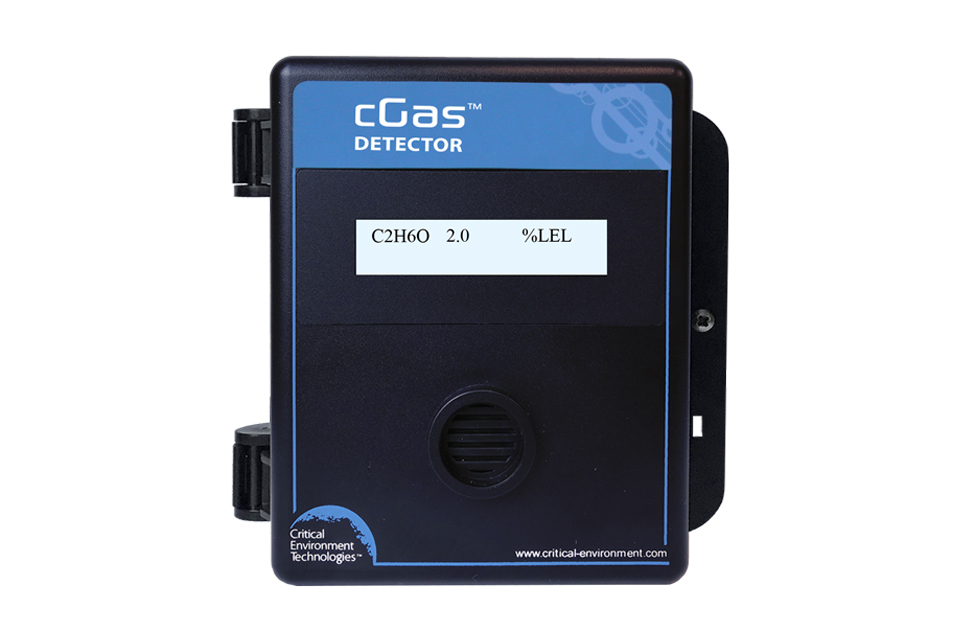
cGas Detector Analog Transmitter
Single channel, analog gas detector with Plug & Play Smart Sensor Technology.
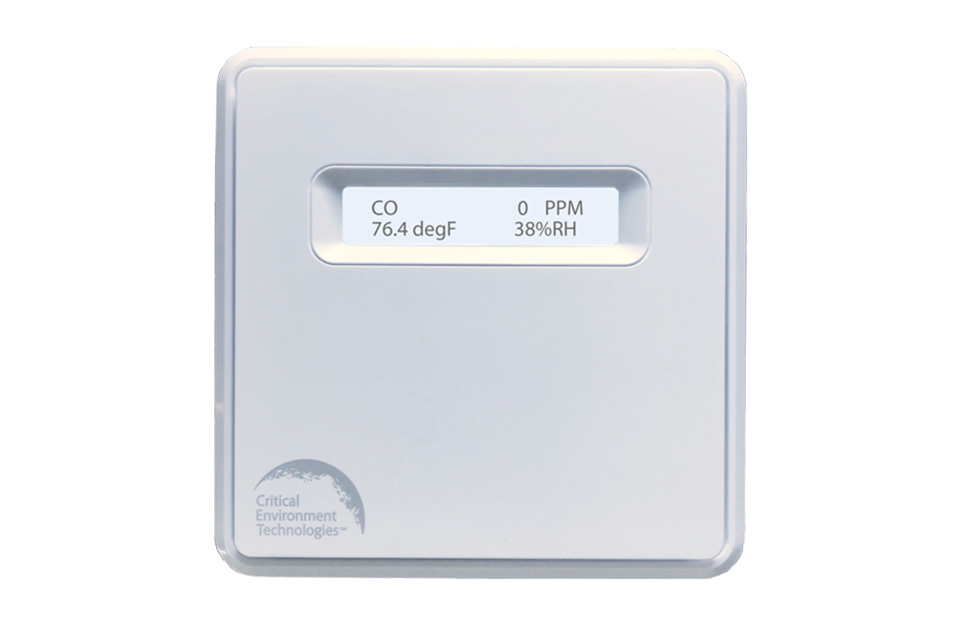
cGas Detector for Indoor Public Spaces
Single channel gas detector with an aesthetically pleasing design to reduce noticeability when used in publicly occupied spaces such as hotels and schools.
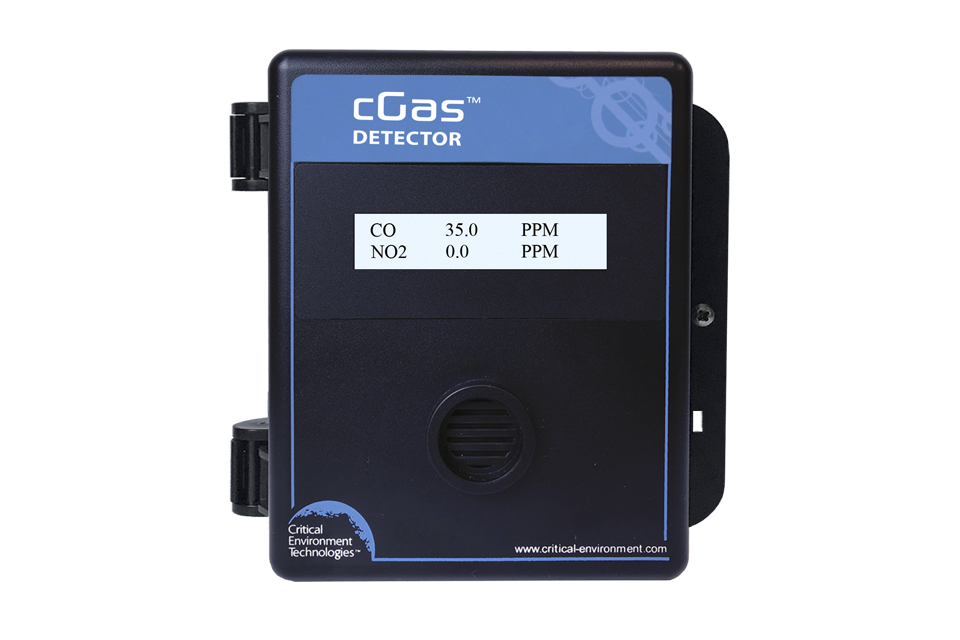
cGas Detector Digital Transmitter
One or two channel Modbus® or BACnet® gas detector with flexible customization options and Plug & Play Smart Sensor Technology.
Related Gases
Other Toxic Gases we detect