
Oxygen & Asphyxiants
Simple asphyxiant gases are gases that can cause suffocation by reducing or displacing the oxygen available for breathing, rather than by being chemically toxic themselves. When these gases accumulate, especially in enclosed or poorly ventilated spaces, they can lower oxygen levels below what the body needs to function safely, leading to symptoms such as dizziness, confusion, loss of consciousness, and potentially death. Because many asphyxiant gases are colorless, odorless, and non-irritating, people may not realize a hazard exists, making oxygen monitoring and ventilation critical in environments where these gases are present. CET provides oxygen deficiency monitors and specific gas sensors for asphyxiant detection.
Why Detection Matters
A drop in oxygen levels can become life threatening very quickly and without warning. Normal air contains about 20.9% oxygen, and when levels fall below 19.5% (OSHA’s threshold for a hazardous atmosphere), the body no longer receives enough oxygen to function safely. At slightly lower levels, people may experience dizziness, impaired judgment, and loss of coordination; at more severe levels, it can lead to unconsciousness or death within minutes. The danger is amplified because gases that cause oxygen depletion, such as nitrogen and helium are typically colorless, odorless, and non-irritating, meaning there are no sensory warnings before symptoms occur. In confined or poorly ventilated areas oxygen can be rapidly displaced, creating a hazardous atmosphere before personnel realize it. Gas detection systems continuously monitor oxygen levels and provide early alarms before concentrations reach dangerous levels, allowing time for evacuation, ventilation, or corrective action.
Common Hazards:
Featured Products for Oxygen & Asphyxiants
Recommended gas detection equipment for this category
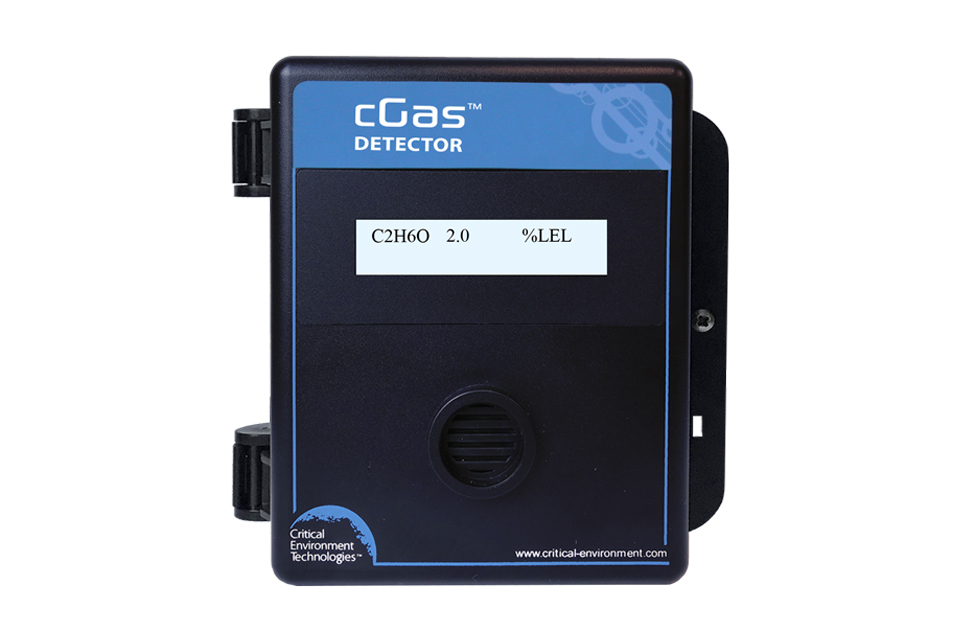
cGas Detector Analog Transmitter
Single channel, analog gas detector with Plug & Play Smart Sensor Technology.
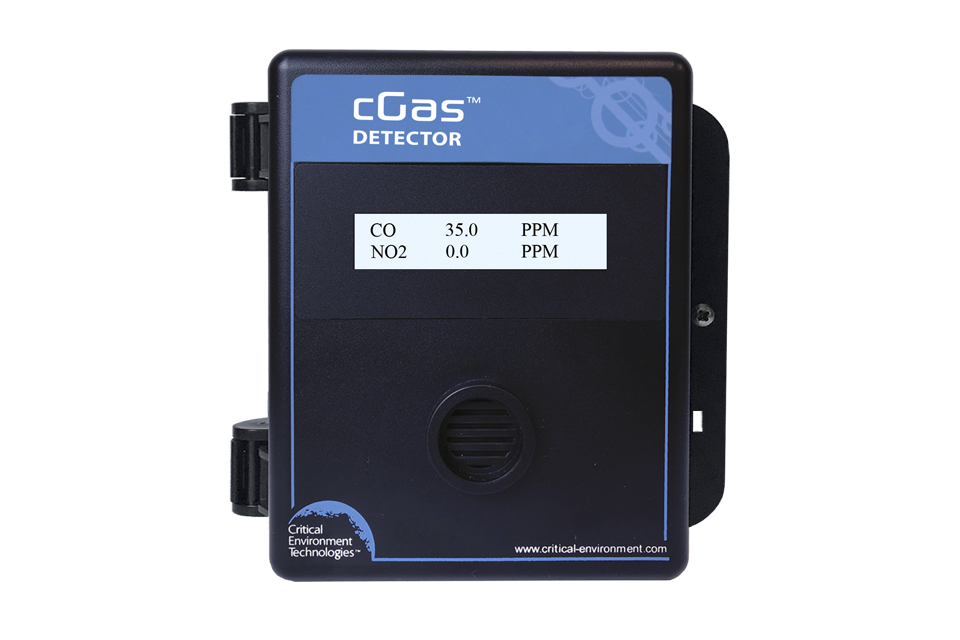
cGas Detector Digital Transmitter
One or two channel Modbus® or BACnet® gas detector with flexible customization options and Plug & Play Smart Sensor Technology.
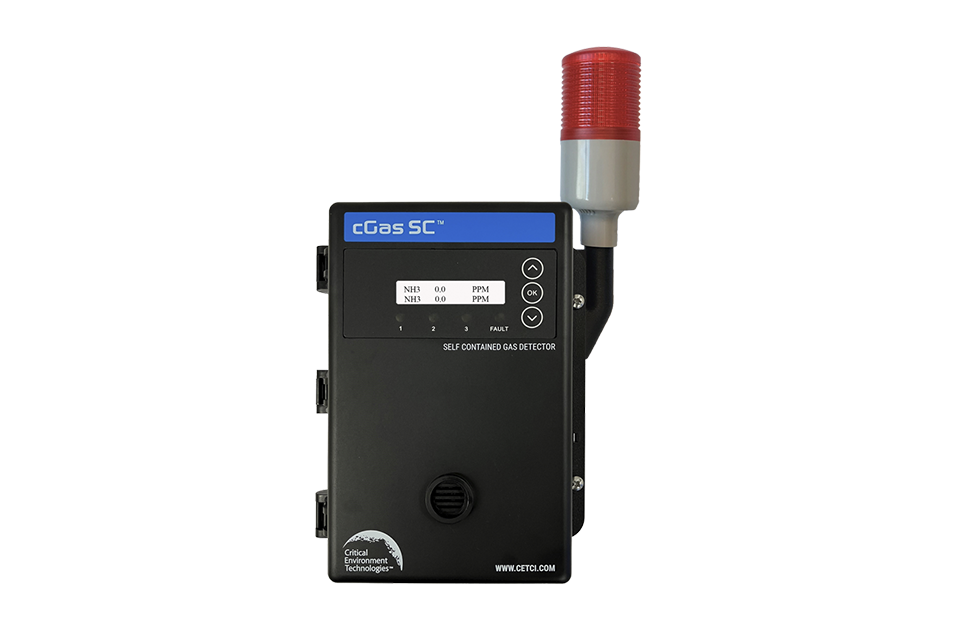
cGas-SC Self-Contained Controller
A self contained controller with up to 3 gas channels, Plug & Play Smart Sensor Technology and configurable logic control and priority settings. Offers superior user customization and reliable gas detection performance for monitoring many gases.
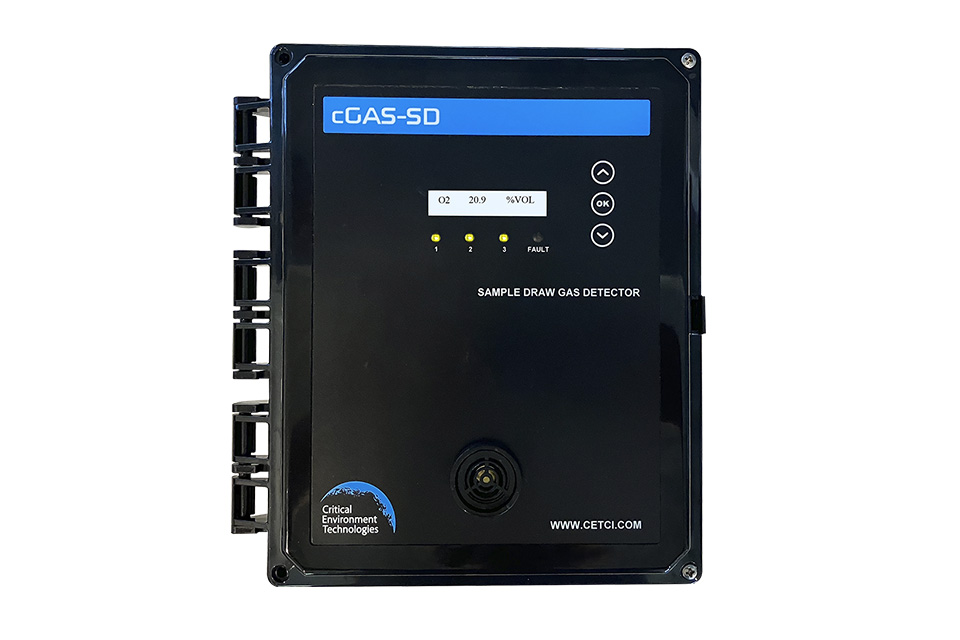
cGas-SD Sample Draw System
A Self-contained, single sensor sample draw gas detection system that draws sample air from locations where it is difficult to install a gas detector.
Regulations & Standards
OSHA Permit-Required Confined Spaces (29 CFR 1910.146), OSHA Respiratory Protection (29 CFR 1910.134), IEC International Gas Detection, ANSI Z117.1 Confined Space Safety, NIOSH criteria for oxygen-deficient atmospheres, NFPA 99 Health Care Facilities Code, NFPA 350 Confined Space Entry, Oxygen Deficiency Hazard (ODH) standards/programs
Related Applications
Applications that monitor oxygen & asphyxiants