
A2L Refrigerants
A2L refrigerants such as R-32, R-454B, R-1234yf and R-1234ze are replacing high-GWP HFCs like R-410A under the AIM Act phase-down. They are classed as mildly flammable ("2L") and most are heavier than air, so ASHRAE 15-2024, UL 60335-2-40 and CSA B52 now call for refrigerant leak detection in many machinery rooms, occupied spaces and HVAC equipment.
CET's A2L refrigerant detection uses NDIR (infrared) sensors that measure refrigerant at low ppm levels, catching a leak long before it becomes a hazard. Use the cGas IR Refrigerant Transmitter in machinery rooms and commercial refrigeration, or the cGas VRF IR Refrigerant Transmitter in occupied spaces served by VRF and mini-split systems. Connect either one to a CET controller to trigger alarms, ventilation and equipment shutdown.
New to A2Ls? The A2L Refrigerant Transition Guide explains what changes and which spaces need detection.
Why A2L Refrigerants Need Leak Detection
The AIM Act and EPA regulations are phasing down high-GWP refrigerants, driving rapid adoption of A2L alternatives. A2L refrigerants introduce mild flammability risks along with traditional concerns around oxygen displacement.
While they are much less flammable than hydrocarbon (A3) refrigerants, A2Ls can ignite under certain conditions if concentrations approach their lower flammability limit and an ignition source is present. At the same time, like many refrigerants, they are heavier than air and can accumulate in enclosed or low-lying spaces, potentially displacing oxygen and creating an asphyxiation hazard at high concentrations. Because of this dual risk—flammability and reduced oxygen levels—modern safety approaches focus on early leak detection, proper ventilation, and system design controls to prevent hazardous conditions from developing.
Detection requirements vary by standard: UL 60335-2-40 requires equipment integrated detection systems based on factors such as refrigerant type and charge. ASHRAE 15-2024 and CSA B52:23 govern building and system safety, requiring refrigerant detection in occupied spaces where concentration limits could be exceeded and in machinery rooms, where detection, ventilation, and alarms are typically mandatory.
Common Hazards:
Gases
Explore a2l refrigerants
R454C (R-32/R-1234yf)
A climate-friendly replacement for older gases like R-404A and R-22
R-32 (CH₂F₂)
A low GWP A2L refrigerant replacement for higher GWP HFCs
R-454B (R32/R1234yf)
A low GWP A2L refrigerant replacement for R-410AB
R-1234ze (C₃H₂F₄)
An ultra low GWP A2L refrigerant replacement for R-134a
R-1234yf (C₃H₂F₄)
An ultra low GWP A2L refrigerant, replacement for R-134a
Featured Products for A2L Refrigerants
Recommended gas detection equipment for this category
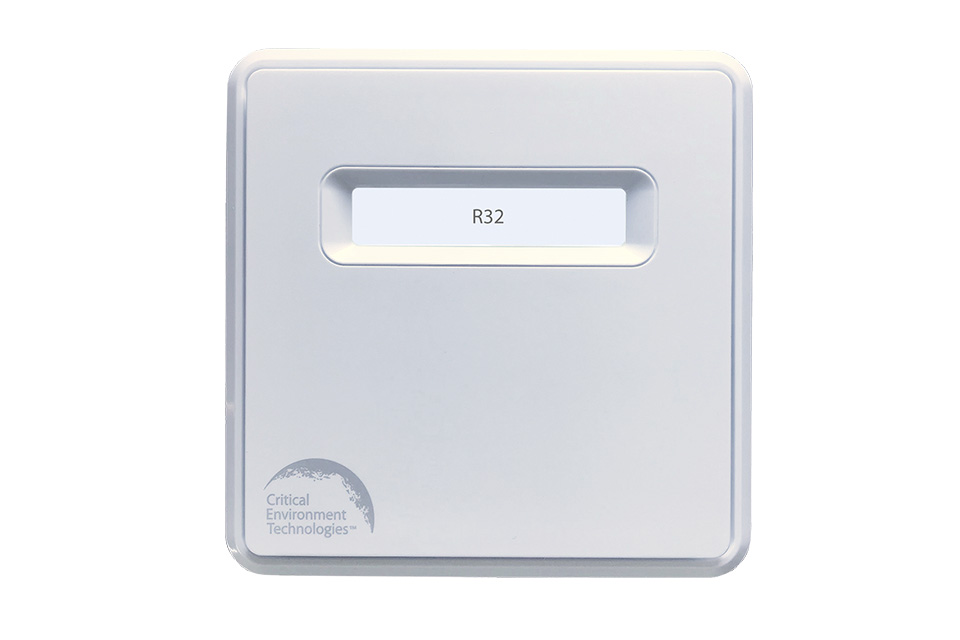
cGas Detector VRF IR Refrigerant Transmitter
An aesthetic, non-dispersive infrared refrigerant gas detector for acute leak detection in modern energy-efficient buildings utilizing Variable Refrigerant Flow (VRF) HVAC systems.
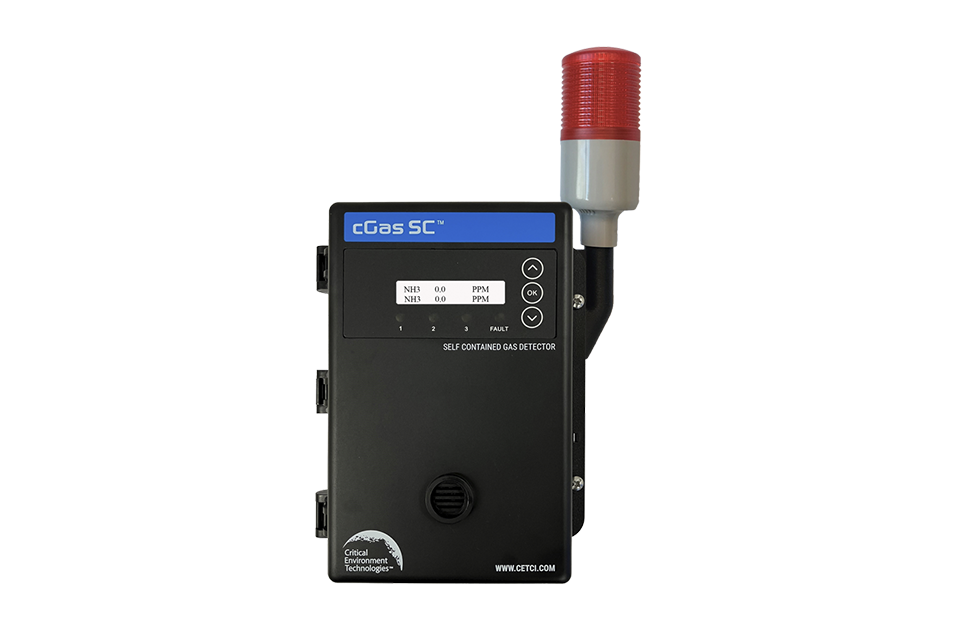
cGas-SC Self-Contained Controller
A self contained controller with up to 3 gas channels, Plug & Play Smart Sensor Technology and configurable logic control and priority settings. Offers superior user customization and reliable gas detection performance for monitoring many gases.
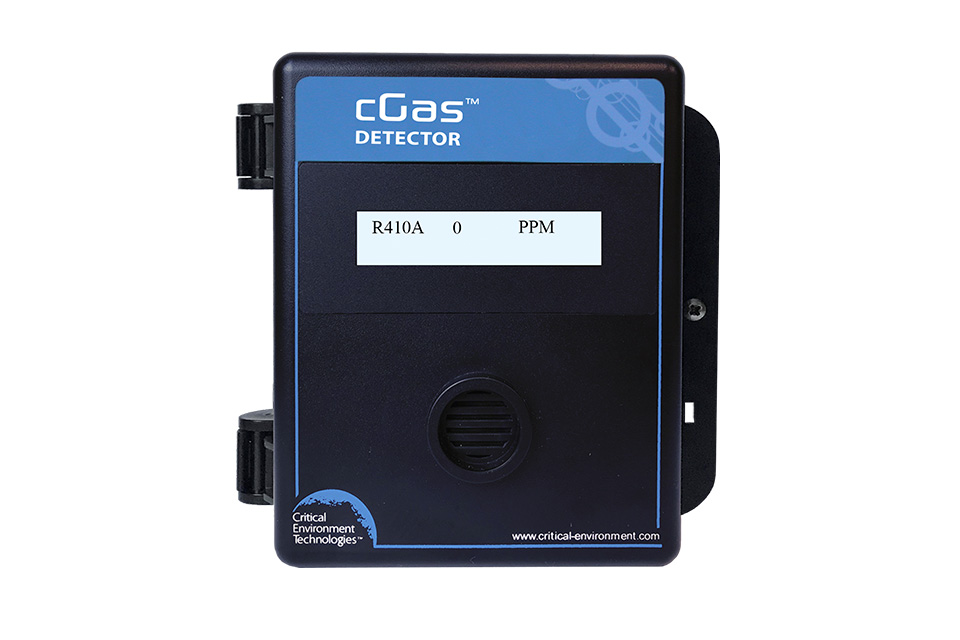
cGas Detector IR Refrigerant Transmitter
Non-dispersive infrared refrigerant gas detector with accurate, low level leak detection, available with analog output or BACnet® or Modbus® output and Plug & Play Smart Sensor Technology.
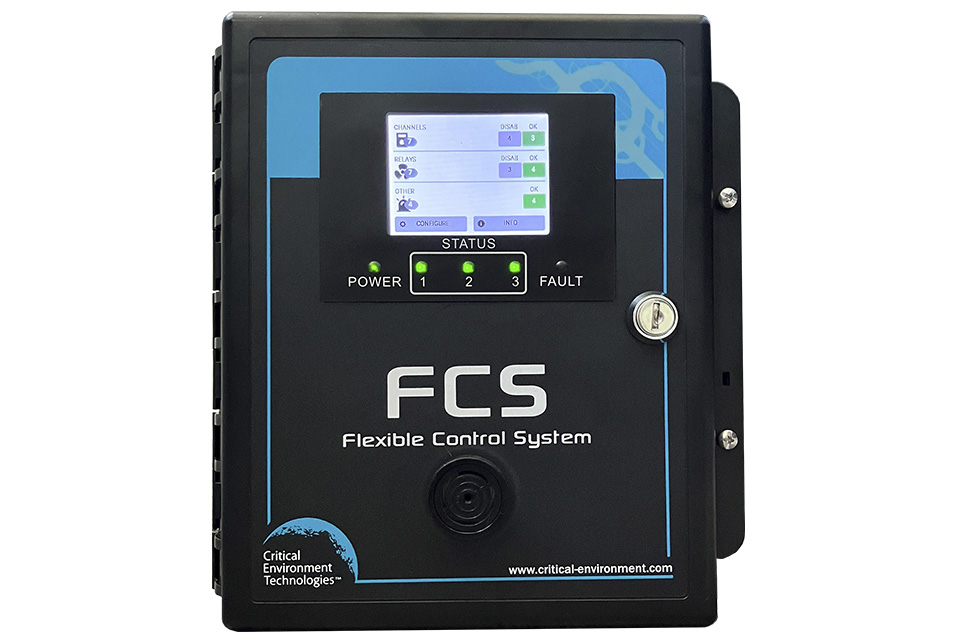
FCS Multi Channel System Controllers
High performance controller with logic and priority settings for monitoring toxic, combustible and refrigerant gases with versatile control functionality. Available with Modbus® or BACnet® communication with BAS, supports 4-20 mA and Modbus® driven VFDs.
Regulations & Standards
- ASHRAE Standard 34 — Designation and safety classification of refrigerants (defines the A2L class).
- ASHRAE Standard 15 — Safety Standard for Refrigeration Systems.
- CSA B52 — Mechanical Refrigeration Code (Canada).
- UL 60335-2-40 — Equipment-integrated refrigerant detection requirements for A2L HVAC equipment.
- AIM Act — US HFC phase-down driving the move to A2L refrigerants.
- EPA SNAP program — Approvals of acceptable substitute refrigerants.
- IMC and UMC — Model mechanical code refrigerant detection requirements.
Frequently Asked Questions
Related Applications
Applications that monitor a2l refrigerants