
Traditional Refrigerants
Traditional refrigerants including HFCs and legacy HCFCs remain in widespread use across commercial and industrial refrigeration systems. While generally non-toxic at low concentrations and non-flammable, they still pose serious hazards, primarily related to oxygen displacement and high concentration exposure. Many refrigerants are heavier than air and can accumulate in low lying areas like machinery rooms, basements and in confined spaces. Even non toxic refrigerants can become dangerous at high concentrations due to reduced oxygen availability. CET provides infrared sensors for refrigerant leak detection in occupied spaces, machine rooms, walk-in coolers and other refrigeration applications.
Why Detection Matters
Large refrigerant releases can displace oxygen to immediately dangerous levels. In enclosed or low lying areas, leaked refrigerants can accumulate and reduce oxygen levels, leading to asphyxiation risks, while high concentrations can cause dizziness and other health effects. Leaks are expensive and can also cause equipment damage and operational issues. Because these risks are tied to concentration rather than ignition, modern safety approaches focus on early leak detection, ventilation, and system controls to prevent hazardous conditions from developing. Detection requirements are defined by installation and safety standards: ASHRAE 15-2024 establishes refrigerant concentration limits (RCL) and requires detection in spaces where those limits could be exceeded and in machinery rooms with ventilation and alarms, while CSA B52:23 mandates refrigerant vapour detection in machinery rooms with automatic response. EPA Section 608 requires leak detection and repair. Workplace safety frameworks such as OSHA (29 CFR 1910.146 and 1910.1000) further require atmospheric monitoring to maintain safe oxygen levels, with ACGIH and NIOSH guidelines informing acceptable exposure thresholds. Early detection prevents both safety incidents and costly refrigerant loss.
Common Hazards:
Gases
Explore traditional refrigerants
R-515B (R-1234ze(E)/R-227ea)
A popular alternative to R-134a
R-22 (CHClF₂)
HCFC refrigerant being phased out under Montreal Protocol
R-514A (HFO-1336mzz/t-DCE)
B2L low-pressure chiller refrigerant
R-143a (C₂H₃F₃)
HFC blend component refrigerant
R-227ea (C₃HF₇)
HFC used in fire suppression and chillers
R-404A (R125/R143a/R134a)
Commercial refrigeration HFC blend
R-407A (R32/R125/R134a)
R-22 replacement for AC systems
R-407C (R32/R125/R134a)
Common R-22 retrofit refrigerant
R-407F (R32/R125/R134a)
Low/medium temperature refrigerant
R-417A (R125/R134a/Butane)
Drop-in R-22 replacement blend
R-422D (R125/R134a/Isobutane)
R-22 retrofit refrigerant blend
R-438A (R32/R125/R134a/R600/R601a)
ISCEON MO99 R-22 replacement
R-448A (R32/R125/R134a/R1234yf/R1234ze)
Solstice N40 supermarket refrigerant
R-449A (R32/R125/R134a/R1234yf)
Opteon XP40 commercial refrigerant
R-450A (R134a/R1234ze)
Low-GWP chiller refrigerant blend
R-452A (R32/R125/R1234yf)
Transport refrigeration blend
R-507 (R125/R143a)
Industrial refrigeration HFC blend
R-513A (R134a/R1234yf)
Opteon XP10 chiller refrigerant
HFO-1233zd (CF₃CH=CHCl)
Low-pressure HFO chiller refrigerant
R-744 (CO₂)
Natural transcritical refrigerant (CO2)
R-134a (C₂H₂F₄)
Common hydrofluorocarbon refrigerant
R-410A (CH₂F₂/CHF₂CF₃)
Hydrofluorocarbon refrigerant blend for HVAC
Featured Products for Traditional Refrigerants
Recommended gas detection equipment for this category
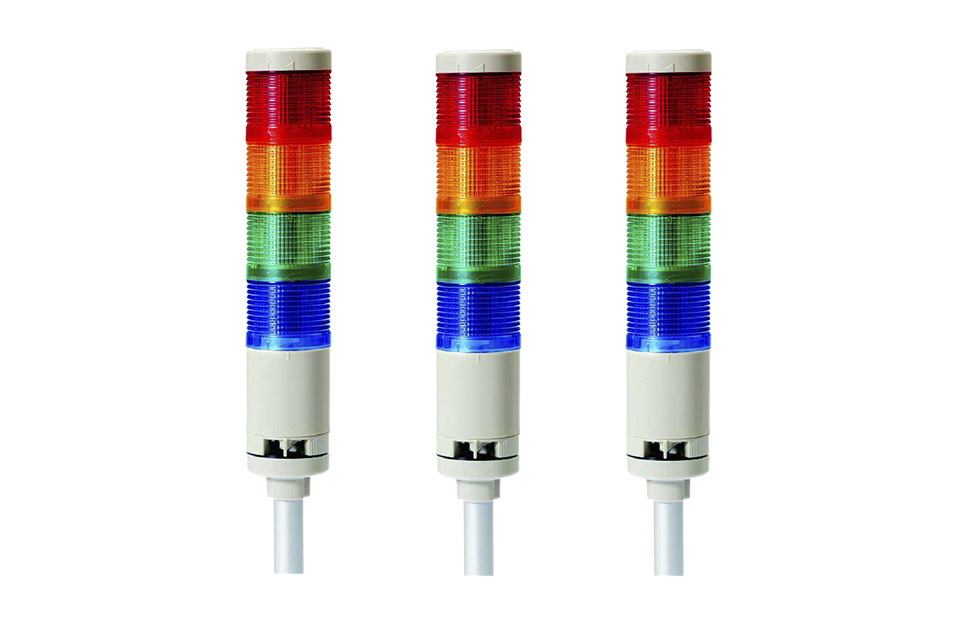
RSL Remote Stack Light
Tower light with modular LED colors with steady or flashing light settings and two different sound types. A compact, pole mounted signal light with flashing or steady modes that are clearly visible from a distance.
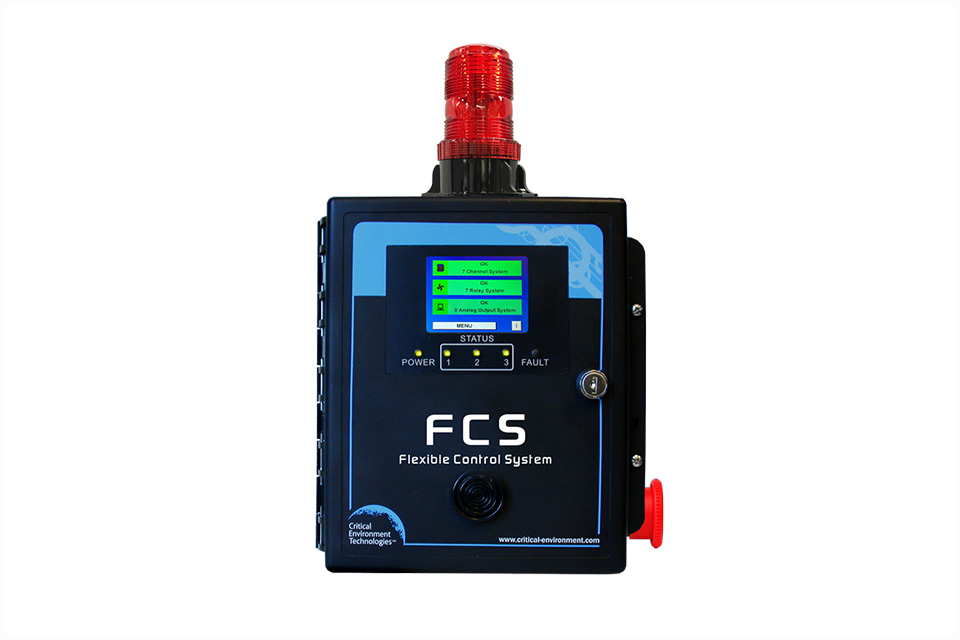
Manual Shutoff Switch (Option -SW)
An emergency stop, push button switch that allows a person to manually shutdown equipment in the event of an emergency. Ideal for refrigeration applications; when combined with the Top Mounted Strobe, the device meets B52 code requirements.
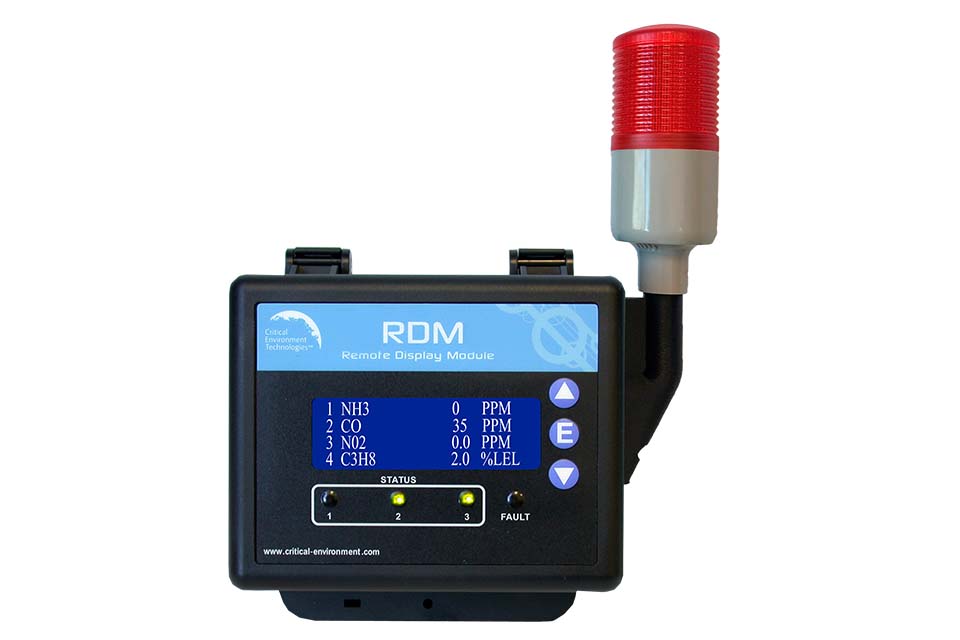
RDM Remote Display
Provides convenient viewing of gas level readings from a secondary location. Displays gas level readings, channel status and faults received from the FCS, offers configurable display settings.
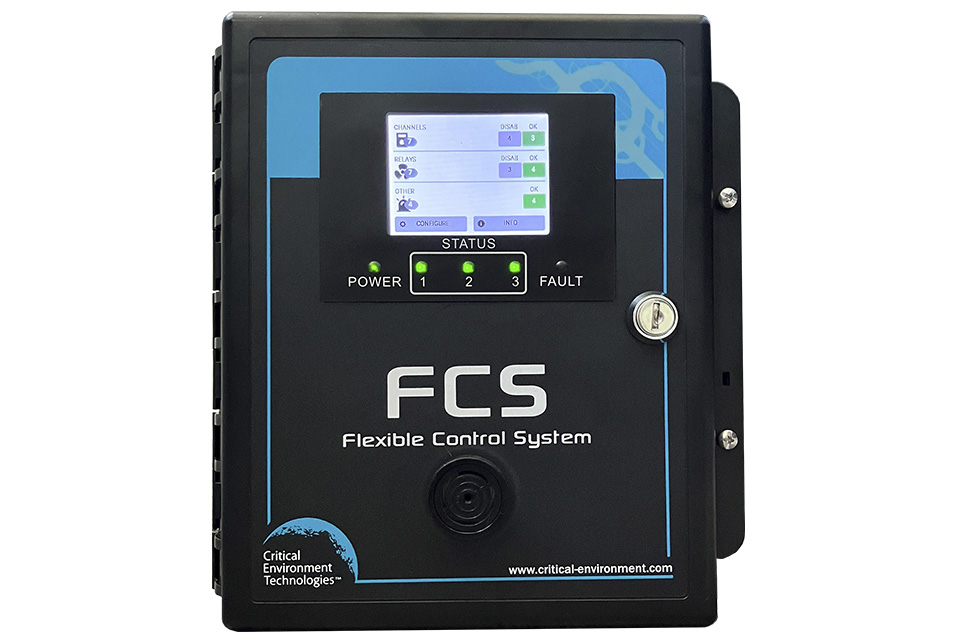
FCS Multi Channel System Controllers
High performance controller with logic and priority settings for monitoring toxic, combustible and refrigerant gases with versatile control functionality. Available with Modbus® or BACnet® communication with BAS, supports 4-20 mA and Modbus® driven VFDs.
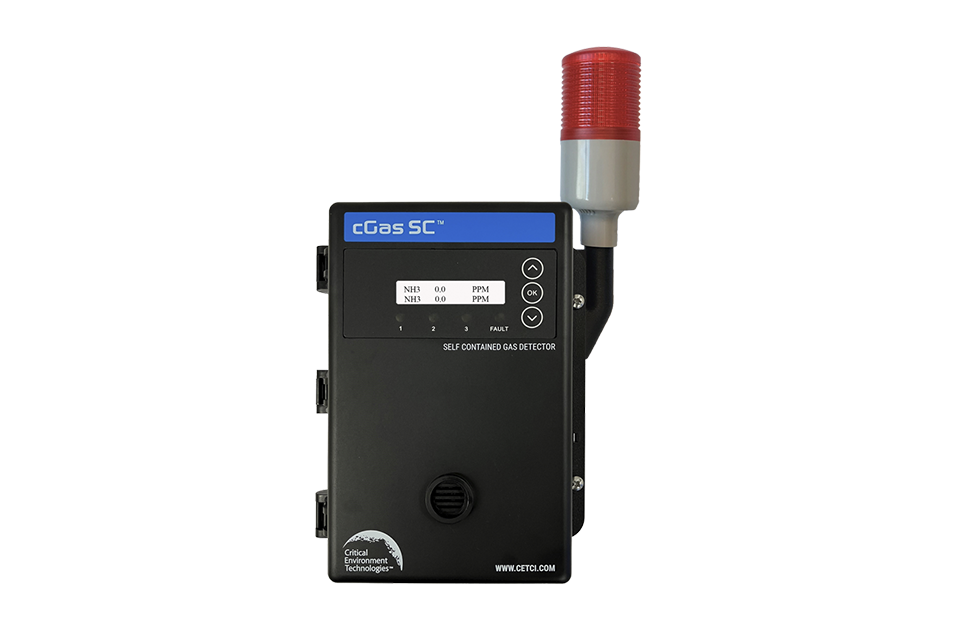
cGas-SC Self-Contained Controller
A self contained controller with up to 3 gas channels, Plug & Play Smart Sensor Technology and configurable logic control and priority settings. Offers superior user customization and reliable gas detection performance for monitoring many gases.
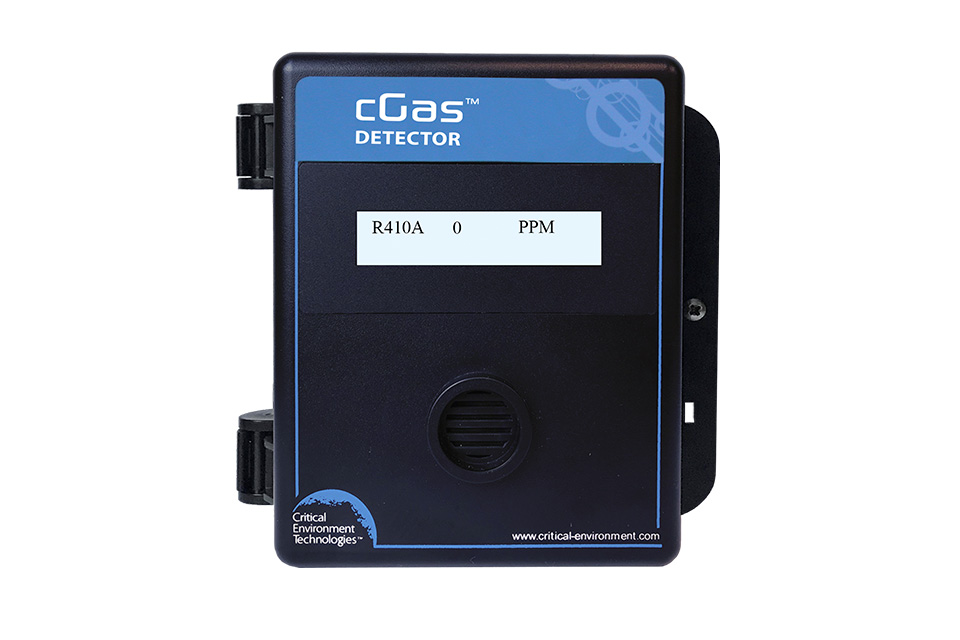
cGas Detector IR Refrigerant Transmitter
Non-dispersive infrared refrigerant gas detector with accurate, low level leak detection, available with analog output or BACnet® or Modbus® output and Plug & Play Smart Sensor Technology.
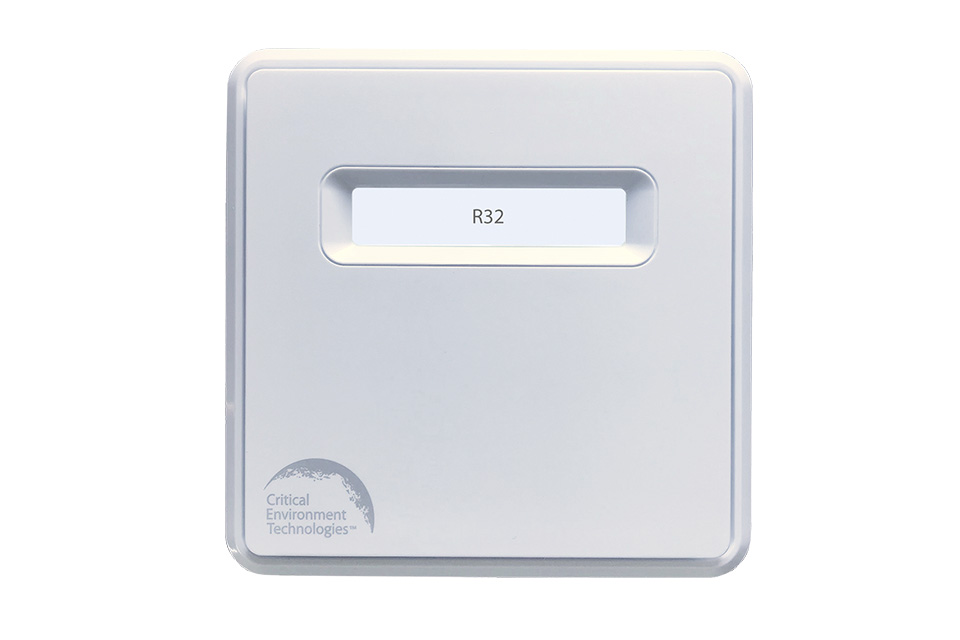
cGas Detector VRF IR Refrigerant Transmitter
An aesthetic, non-dispersive infrared refrigerant gas detector for acute leak detection in modern energy-efficient buildings utilizing Variable Refrigerant Flow (VRF) HVAC systems.
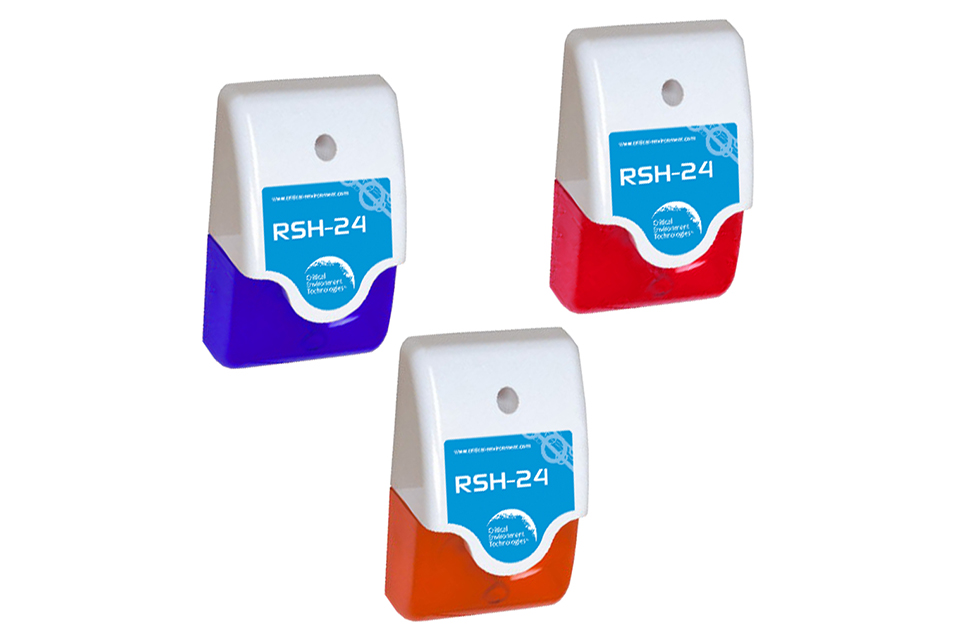
RSH-24V Remote Strobe & Horn
Two alarm features in one safety device, mounting fixture not included. Available in 3 different lens colours, combines a visual and an audible alarm feature into one compact, low profile device.
Top Mounted Strobe (Option -L)
A high powered, red LED flashing beacon that is factory installed at time of order and offers excellent flash intensity, durable vibration resistant construction and a long life. 4 flash patterns, weather and corrosion resistant.
Regulations & Standards
ASHRAE Standard 34 Classification of Refrigerants, ASHRAE Standard 15 Safety Standard for Refrigeration Systems, CSA B52 Mechanical Refrigeration Code, UL 60335-2-40 equipment-integrated requirements, AIM Act HFC phase-down, EPA SNAP program approvals, IMC and UMC refrigerant detection requirements, EPA Section 608 refrigerant regulations
Related Applications
Applications that monitor traditional refrigerants