
Recreational Facilities
Recreational facilities combine high occupancy with potential chemical hazards. Indoor pools use chlorine-based disinfection that can create toxic chloramine vapors. Ice rinks employ ammonia or synthetic refrigerants that may leak. Indoor sports venues accumulate CO2 from occupants. CET provides detection solutions tailored to each facility type with appropriate sensor technologies and alarm systems.
Why Gas Detection Matters
Recreational facilities serve vulnerable populations including children and elderly patrons who may be more susceptible to gas exposure. Pool chemical incidents can affect dozens of people simultaneously. Ammonia leaks at ice rinks have caused mass evacuations. These public-facing facilities have legal obligations to maintain safe environments. Proper detection systems protect patrons and demonstrate due diligence.
Common Hazards:
Applications
Explore recreational facilities applications
Pools & Aquatics
Gas detection systems for monitoring leaks within indoor pools ensures the health and safety of swimmers and employees.
Hotels
Continuous monitoring of refrigerant gases in hotel rooms are used to keep the indoor environment comfortable.
Ice Arenas
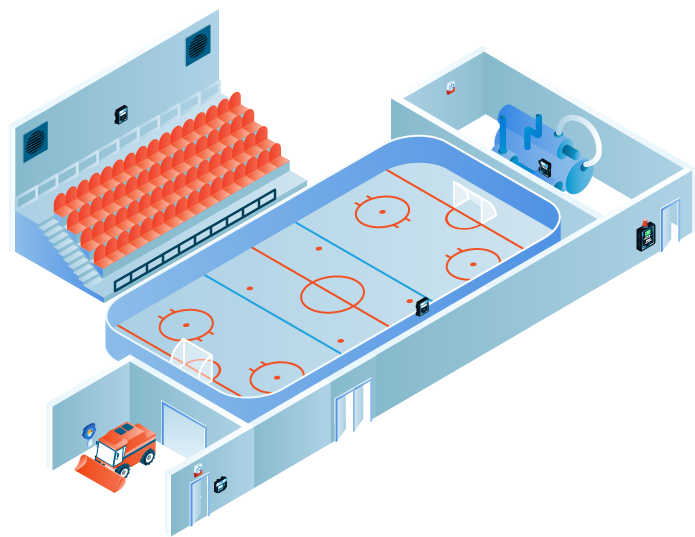
Multiple gas hazards throughout ice arenas require several detectors to protect workers, spectators, and athletes.
Regulations & Standards
OSHA general duty clause, ASHRAE 62.1 ventilation for public spaces, ASHRAE 15 refrigerant safety, EPA Risk Management Program (RMP) for ammonia systems, state pool safety codes.
In addition to these national codes, many states, provinces, and municipalities adopt their own amendments or standalone requirements.