
Refrigeration & Cooling
Industrial ammonia refrigeration systems, CO₂ cascade systems, and next-generation A2L refrigerants all require dedicated refrigerant leak detection to protect workers and comply with ASHRAE 15 and IIAR-2 standards. Whether monitoring a single chiller room or a multi-zone cold storage distribution center, CET provides scalable detection architectures from standalone sensors to fully networked controller systems.
The food and beverage industry commonly relies on ammonia refrigeration to provide consumers high quality, edible food and cold drinks. An ammonia leak in a cold storage or freezer room can pose a serious health threat and result in spoiled food and other expensive losses. Early detection of a refrigerant leak helps prevent dangerous health consequences to occupants, reduces significant loss of expensive refrigerant and decreases energy costs.
Why Refrigerant Leak Detection Is Required by Code
Refrigerant releases in enclosed machine rooms can displace oxygen to immediately dangerous levels. Ammonia is toxic at concentrations well below what can be detected by smell in a slow leak scenario. CO2 at high concentrations causes rapid incapacitation. Early detection enables emergency ventilation and evacuation. Insurance carriers and regulatory agencies require detection systems for large refrigerant charges.
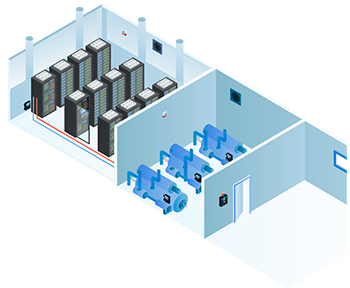
A complete refrigeration system gas detection architecture typically consists of refrigerant-specific sensors positioned near compressors, evaporators, and in cold storage areas, connected to a controller that manages alarming, ventilation, and equipment shutdown. The controller monitors refrigerant levels continuously and can isolate leaking equipment while activating emergency exhaust.
Common Hazards:
Applications
Explore refrigeration & cooling applications
Hotels
Continuous monitoring of refrigerant gases in hotel rooms are used to keep the indoor environment comfortable.
Ice Arenas
Multiple gas hazards throughout ice arenas require several detectors to protect workers, spectators, and athletes.
Cold Storage
Refrigerant or ammonia leak and oxygen depletion monitoring for walk-in freezers, cold rooms, and temperature-controlled warehouses
Chiller Rooms
Ammonia, R-410A, and A2L refrigerant detection for central plant mechanical rooms and HVAC equipment areas
Data Centers
Refrigerant leaks from cooling infrastructure can create asphyxiation risks, while hydrogen off‑gassing from battery systems can form an explosive hazard.
Featured Products for Refrigeration & Cooling
Recommended gas detection equipment for this application
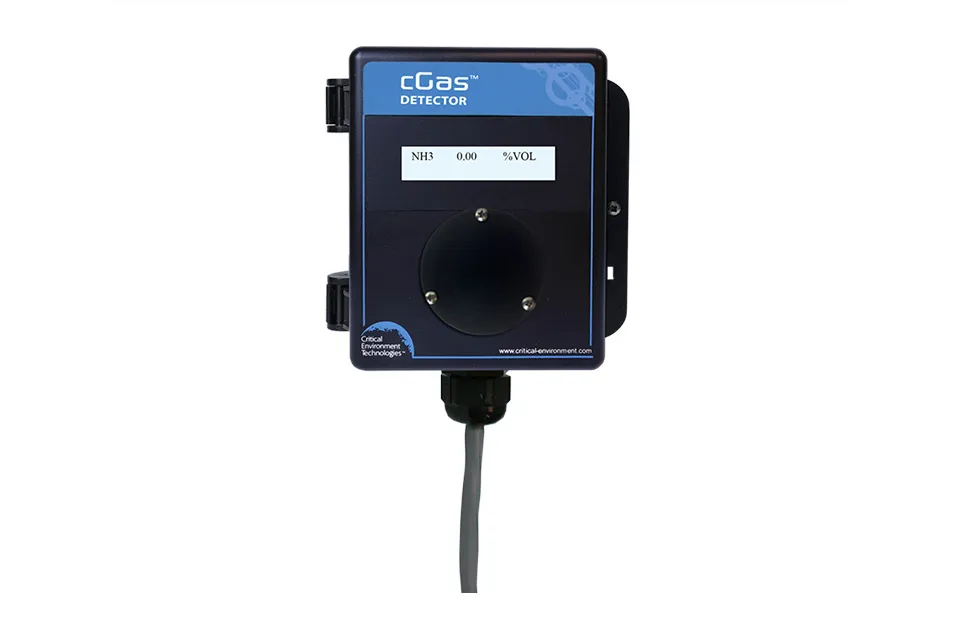
cGas Detector Ammonia Vent Line Transmitter
For continuous monitoring of Ammonia levels in the vent line of refrigeration systems. Mount indoors on the ammonia vent relief stack in refrigeration systems to help detect equipment failure.
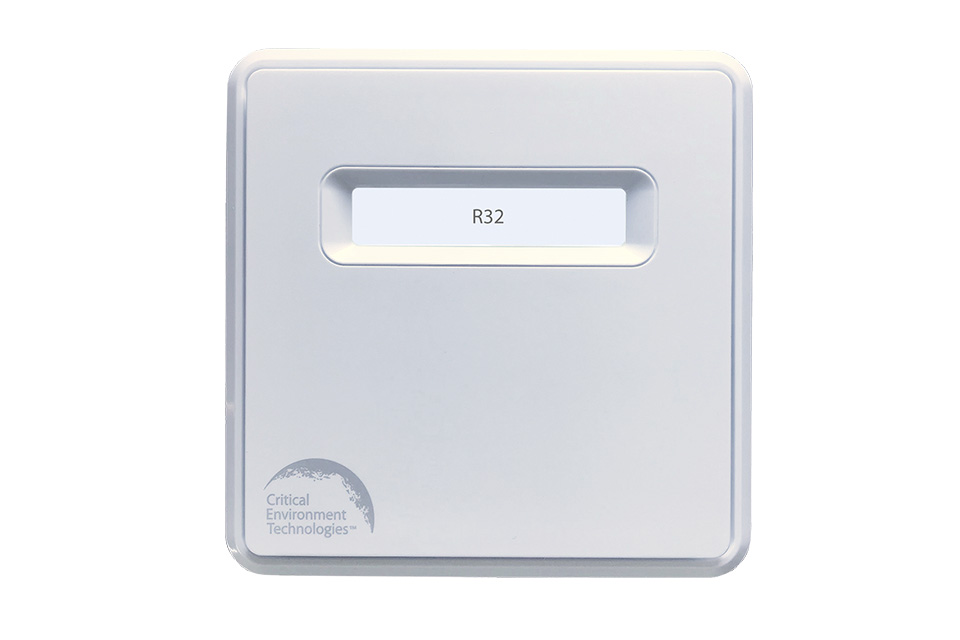
cGas Detector VRF IR Refrigerant Transmitter
An aesthetic, non-dispersive infrared refrigerant gas detector for acute leak detection in modern energy-efficient buildings utilizing Variable Refrigerant Flow (VRF) HVAC systems.
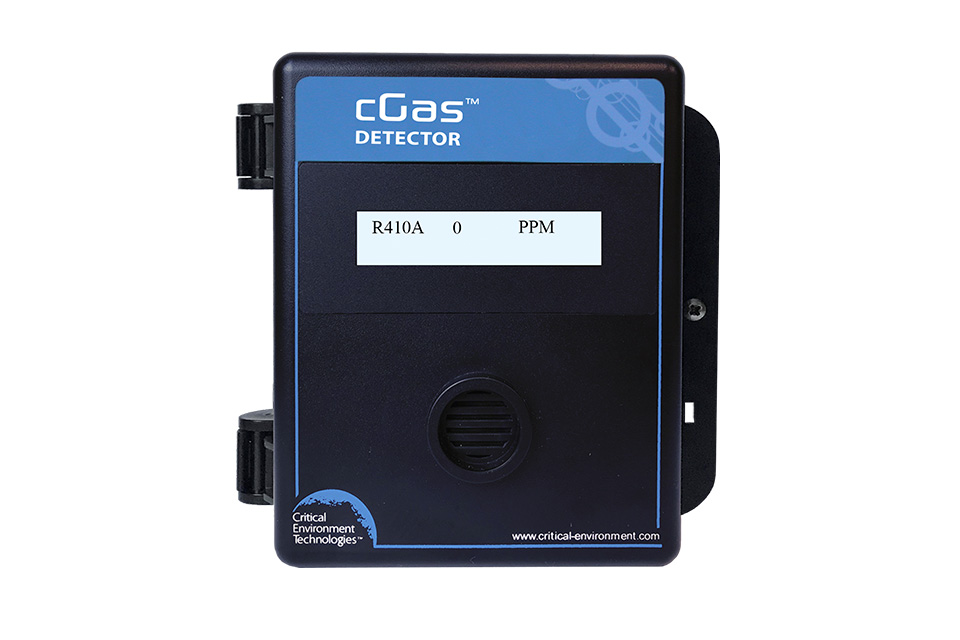
cGas Detector IR Refrigerant Transmitter
Non-dispersive infrared refrigerant gas detector with accurate, low level leak detection, available with analog output or BACnet® or Modbus® output and Plug & Play Smart Sensor Technology.
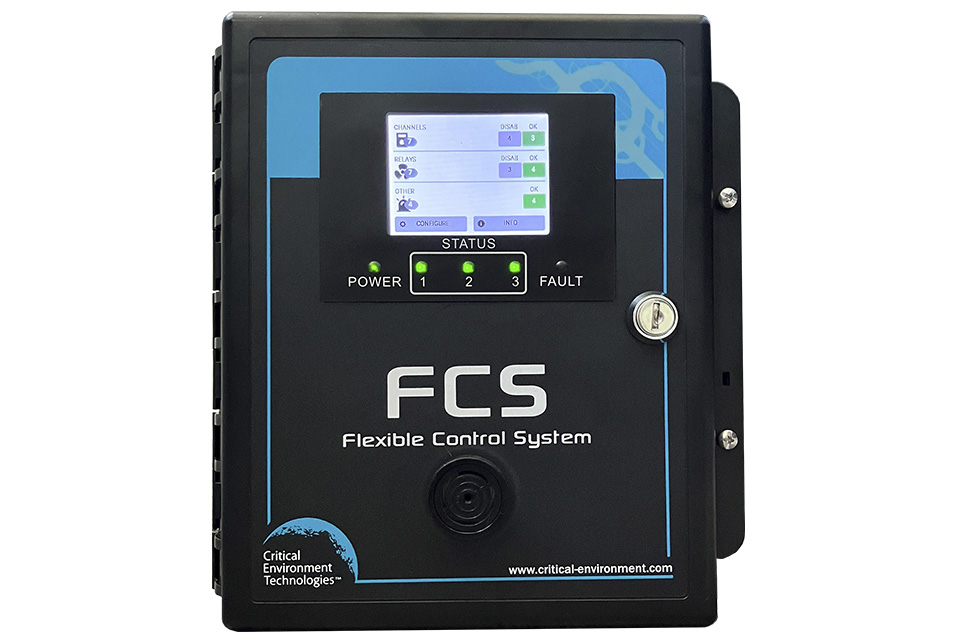
FCS Multi Channel System Controllers
High performance controller with logic and priority settings for monitoring toxic, combustible and refrigerant gases with versatile control functionality. Available with Modbus® or BACnet® communication with BAS, supports 4-20 mA and Modbus® driven VFDs.
Regulations & Standards
ASHRAE 15 — Safety Standard for Refrigeration Systems. Requires refrigerant detection in machinery rooms with alarms and mechanical ventilation activation.
IIAR-2 — Standard for Safe Design of Closed-Circuit Ammonia Refrigeration Systems. Mandates ammonia detectors at 25 ppm (alarm) and 150 ppm (emergency) with automatic ventilation.
CSA B52 — Mechanical Refrigeration Code. Establishes minimum safety requirements for refrigerant and ammonia detection systems with concentration limits and mechanical ventilation requirements to mitigate gas‑accumulation hazards in machinery rooms and other regulated spaces.
EPA Section 608 — Refrigerant management requirements for systems containing regulated refrigerants, including leak repair timelines and recordkeeping.
OSHA PSM (29 CFR 1910.119) — Process Safety Management applies to ammonia systems with charges over 10,000 lbs, requiring hazard analysis and emergency action plans.
International Mechanical Code (IMC) — Requires refrigerant detection for systems using Group A2L, A2, A3, and B refrigerants in occupied spaces.
In addition to these national codes, many states, provinces, and municipalities adopt their own amendments or standalone requirements.