
Charging & Battery Systems
The rapid growth of electric vehicles and renewable energy storage creates new gas detection challenges. Lithium-ion batteries can release hydrogen and toxic gases during charging or thermal events. Hydrogen fueling stations require explosion-proof detection systems. CET provides specialized solutions designed for these emerging applications with sensors and controllers rated for hazardous locations.
Why Gas Detection Matters
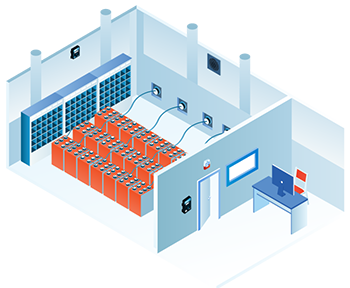
Battery systems present unique hazards that differ from traditional fuel sources. Thermal runaway can release hydrogen fluoride and other toxic gases with little warning. Hydrogen is highly flammable with a wide explosive range. These facilities are often located in occupied buildings, making early detection critical for evacuation. Insurance requirements and fire codes increasingly mandate gas detection in these spaces.
Common Hazards:
Applications
Explore charging & battery systems applications
EV Charging
Hydrogen and thermal runaway gas detection for electric vehicle charging stations and battery swap facilities
Battery Charging
Continuous monitoring of hydrogen from charging electric forklifts with lead acid batteries and battery charging rooms to reduce the risk of fire and explosion.
Data Centers
Refrigerant leaks from cooling infrastructure can create asphyxiation risks, while hydrogen off‑gassing from battery systems can form an explosive hazard.
Regulations & Standards
NFPA 855 Energy Storage Systems, IFC Chapter 12 energy storage, UL 9540A thermal runaway testing, NFPA 2 Hydrogen Technologies Code, SAE J2578 hydrogen vehicle safety.
In addition to these national codes, many states, provinces, and municipalities adopt their own amendments or standalone requirements.