
Gas Detection for Greenhouses
Continuous monitoring of carbon monoxide and combustible gases in greenhouses protects workers from heating equipment malfunctions, fuel gas leaks and exhaust from equipment used inside the facility.
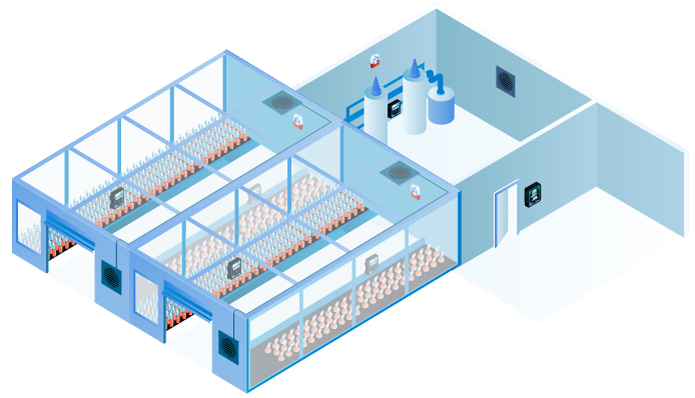
Typical Greenhouses System
Target Gases
Gases monitored in this application
Why Gas Detection is Required
Commercial greenhouses rely on tightly controlled environments, which means fuel fired heating systems become the primary source of gas related risk. Most greenhouses use propane or natural gas heaters, and any leak in the fuel supply or burner assembly can introduce a combustible gas hazard. Older or poorly maintained heaters also pose a risk of carbon monoxide (CO) production due to incomplete combustion, making greenhouse gas heater CO detection an essential safety measure. Because these facilities often operate with limited ventilation during colder months, even small leaks can accumulate quickly, creating fire, explosion, or CO exposure risks. A common practice in greenhouses is CO₂ enrichment, where growers elevate CO₂ levels—often up to 1,500 ppm—to boost photosynthesis. While beneficial for plant growth, these concentrations can become unsafe for workers if not properly monitored, making greenhouse CO₂ safety a core requirement. Additional hazards can come from blowers, trimmers, carts with combustion engines, propane‑powered forklifts, heating systems, vent stacks, and leaking fuel lines. To manage these hazards, commercial horticulture gas monitoring typically includes combustible gas sensors placed near heaters and fuel lines, along with CO detectors positioned where exhaust gases may accumulate and CO₂ sensors in enrichment zones to ensure equipment operates within target ranges. Continuous monitoring helps ensure heaters operate cleanly, alerts staff to unburned fuel leaks and prevents CO buildup before it becomes dangerous. This approach supports worker protection, equipment safety, and reliable year round operation in commercial greenhouse environments.
System Architecture
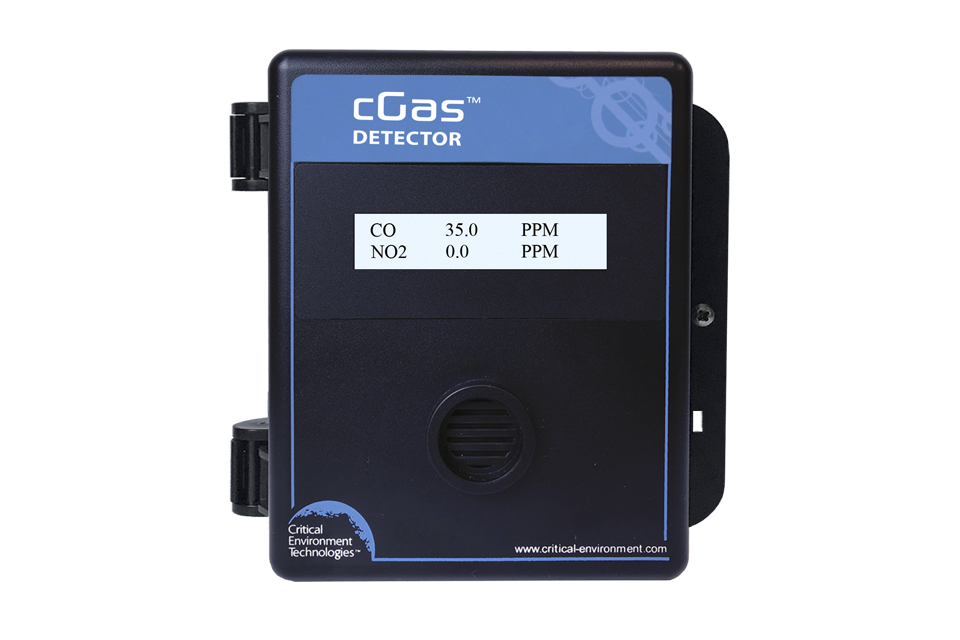
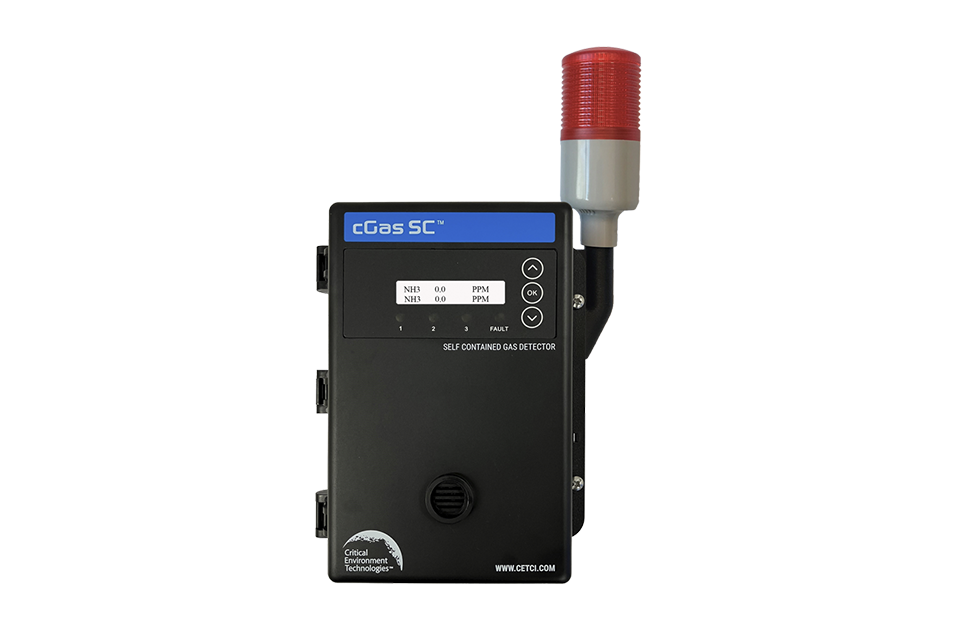
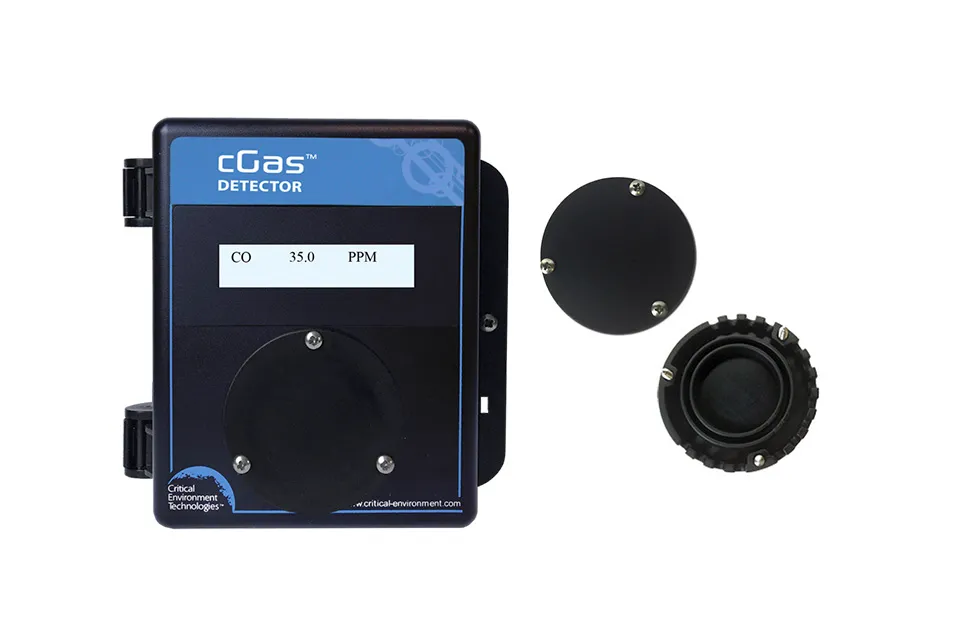
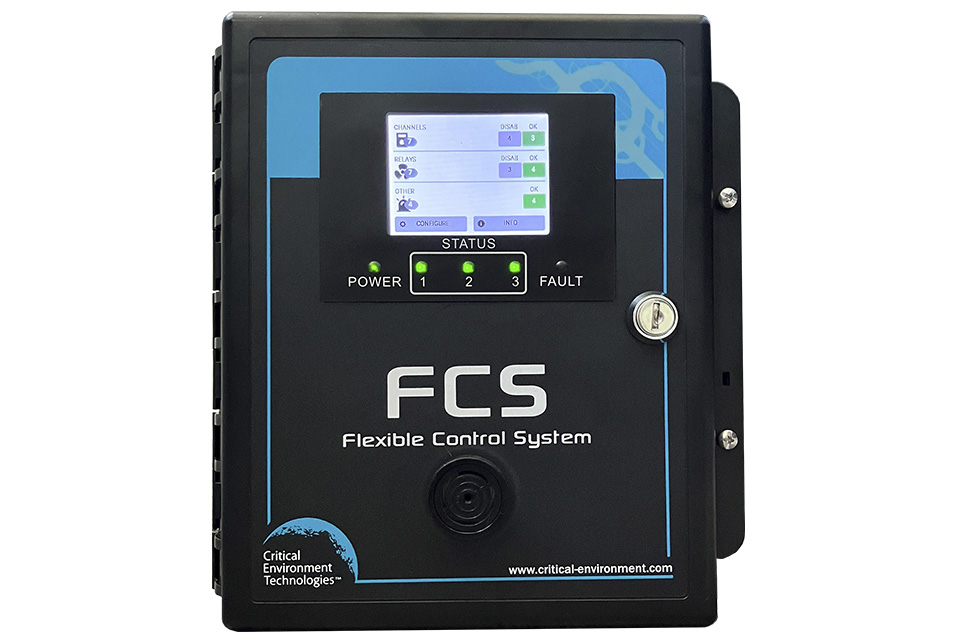
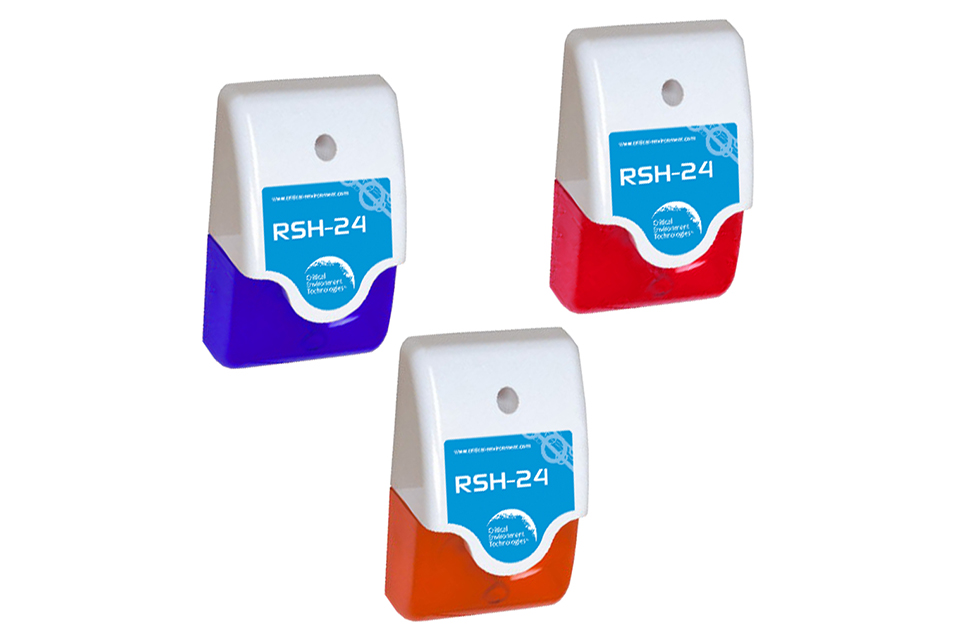
A complete greenhouse gas detection system typically uses multiple sensors to protect against health hazards, explosion risks, and damage to plant tissue. Both the growing area and any spaces with combustion heaters, such as a furnace room, require CO sensors to detect carbon monoxide produced by equipment and heating systems. Combustible gases like propane or natural gas should also be monitored to identify leaks and prevent explosions. For smaller hobby greenhouses, self-contained detector-controller units provide economical monitoring with visual display of current CO and combustible gas levels. Larger commercial growing operations benefit from networked architectures with sensors in each growing zone and coordinated safety response. Alarm outputs activate audible/visual notification devices at entry points, trigger emergency ventilation when safety limits are exceeded, and can interface with enrichment equipment for automatic shutoff. Data logging supports both safety compliance and growth optimization analysis.
Key Considerations
Important factors for planning your system
CO and combustible gas hazards need to be monitored in many areas of the greenhouse to ensure a safe work and growing environment
Gas level readings can be used to trigger alarms, turn on the ventilation system and call emergency response
Other gases may need to be monitored depending on the equipment and processes of the greenhouse operation
Additional Information
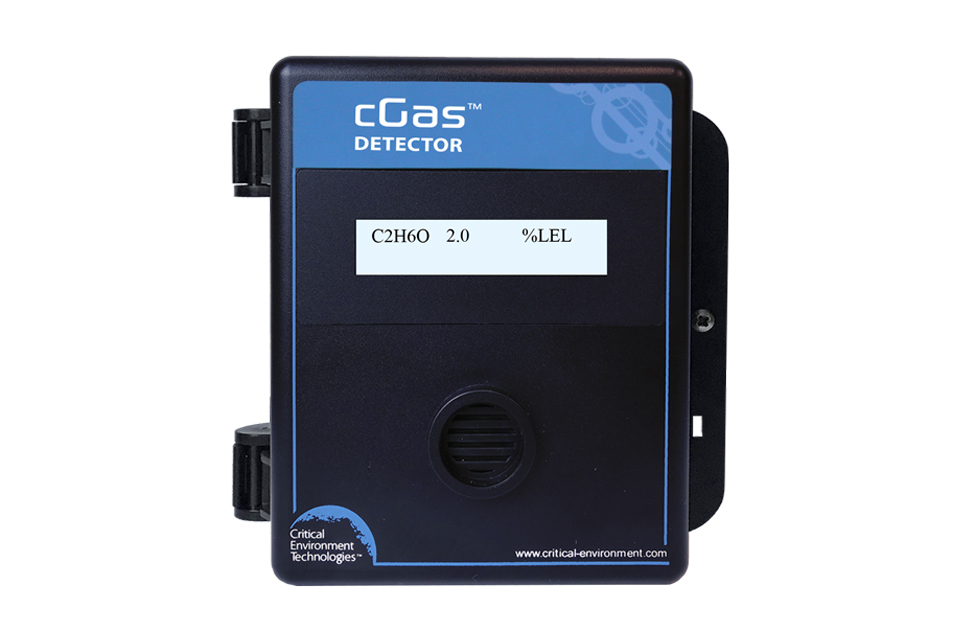
Depending on the equipment and materials present, ammonia (NH₃) monitoring may be necessary in facilities using ammonia‑based refrigeration or fertilizers, while ethylene (C₂H₄) monitoring can help prevent crop damage even at very low concentrations. CET gas detection systems are fully set up, programmed, calibrated and tested prior to being shipped from the factory. The gas detection system is ready to install and operate upon arrival, after a brief warm-up.
Downloads
Application: Greenhouse Production - FCS and CGAS-D CO2 CO & CH4
Application Guides