Understanding VRF Systems and Refrigerant Safety
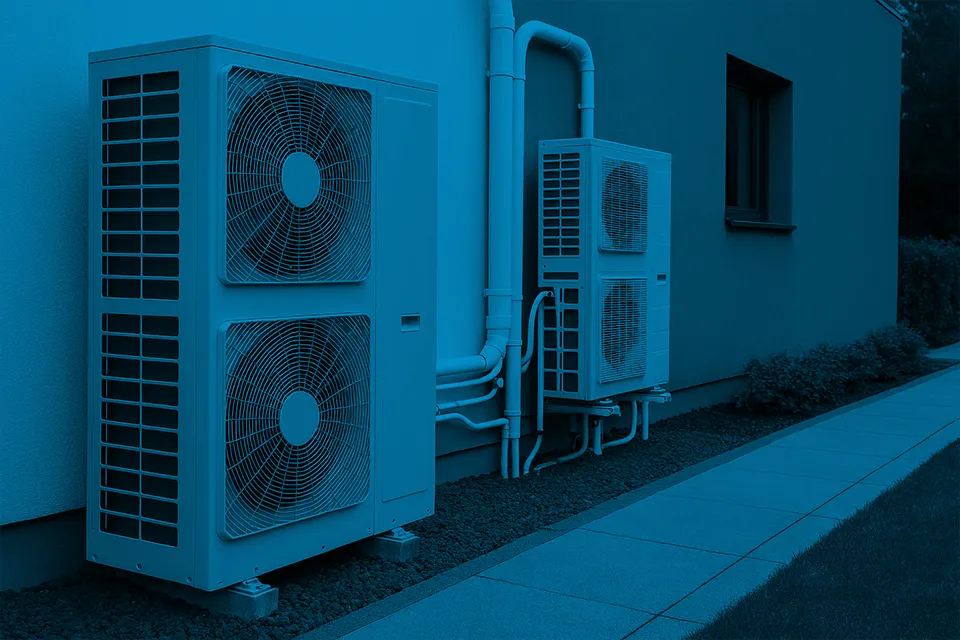
A comprehensive guide to Variable Refrigerant Flow (VRF) HVAC systems and the importance of refrigerant leak detection for building safety.

What Is Variable Refrigerant Flow (VRF)?
Variable Refrigerant Flow (VRF) systems are advanced HVAC solutions that use refrigerant as the cooling and heating medium. Unlike traditional systems that use water or air, VRF systems circulate refrigerant directly to indoor units throughout a building.
Key Advantages of VRF Systems
- Energy efficiency – Precise temperature control reduces energy waste
- Flexible zoning – Individual room or zone temperature control
- Quiet operation – Indoor units operate with minimal noise
- Space-saving design – Compact equipment requires less mechanical space
- Simultaneous heating and cooling – Heat recovery systems can heat and cool different zones at the same time
Why VRF Refrigerant Leak Detection Monitoring Is Essential
While VRF systems offer significant benefits, they also present unique safety considerations. These systems contain substantial refrigerant charges distributed throughout the building, making leak detection critical.
Safety Concerns
Asphyxiation Risk: Refrigerant leaks in enclosed spaces can displace oxygen, creating asphyxiation hazards. This is particularly concerning in smaller rooms or areas with limited ventilation.
A2L Refrigerant Monitoring: Modern VRF systems increasingly use A2L (mildly flammable) refrigerants like R-32 and R-454B to meet environmental regulations. While safer than older refrigerants in many ways, A2L refrigerants require specific safety measures.
Concentration Limits: Building codes establish Refrigerant Concentration Limits (RCLs) that must not be exceeded in occupied spaces.
Code Requirements for VRF Refrigerant Detection
Several codes and standards address refrigerant detection in VRF systems:
- ASHRAE 15 – Safety Standard for Refrigeration Systems
- ASHRAE 34 – Designation and Safety Classification of Refrigerants
- IMC (International Mechanical Code) – Mechanical system requirements
- UL 60335-2-40 – Safety requirements for heat pumps and air conditioners
These standards typically require:
- Refrigerant sensors in each occupied space served by VRF
- Alarm activation when concentrations approach safety limits
- Automatic ventilation or system shutdown when limits are exceeded
CET Solutions for VRF Systems
CET provides purpose-built refrigerant monitoring solutions for VRF applications:
cGAS-VRF IR Series
Our cGAS-VRF IR sensors are specifically designed for A2L refrigerant detection in VRF applications:
- Detects R-32, R-454B, R-1234yf, and other common VRF refrigerants
- Meets ASHRAE 15 requirements
- BACnet/IP integration for building automation
- Individual room monitoring with zone-specific alarms
System Integration
CET VRF IR monitoring systems integrate with:
- Building automation systems (BAS)
- VRF manufacturer controls
- Emergency ventilation systems
- Fire alarm and life safety systems
Getting Started
Whether you are designing a new VRF installation or retrofitting an existing system with refrigerant detection, CET can help. Our engineering team provides:
- System design assistance
- Refrigerant charge calculations
- Sensor placement recommendations
- Code compliance verification
Explore A2L Refrigerant Detection Solutions → Contact CET Engineering →